
Tokyo Jazz Bars 2026: Kissaten, Live Rooms and Late Nights
Tokyo jazz bars and kissaten in 2026: DUG, Basie, Pit Inn, Blue Note, Cotton Club — vinyl silence, live rooms, covers, and how late they actually run.

Tokyo’s jazz culture is old, deep, and mostly invisible to first-timers. The city fell for American jazz in the 1950s and never really let go — kissaten (listening cafés), basement live rooms, and whisky bars that treat Coltrane like liturgy. If Golden Gai is six seats and neon, this is amber light and bass you feel in your sternum.
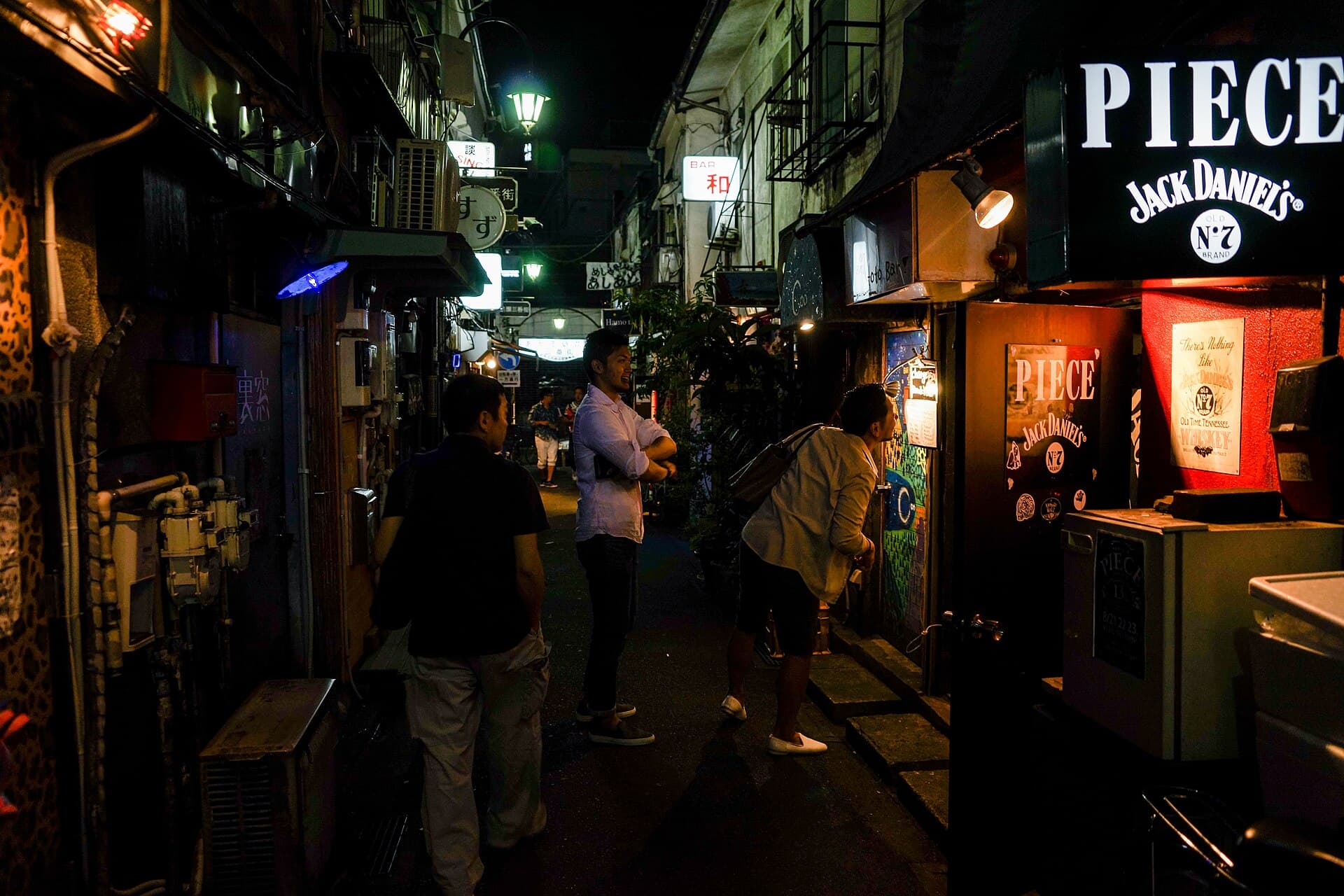
Pair with Golden Gai for alley chaos and Tokyo rooftops for skyline champagne — same city, different nights.

Jazz Kissaten (Listen First)
Before the live rooms, there were kissaten — coffee shops where you sat quietly and listened to records on high-end systems. The owner curated. You ordered coffee. You listened. Tokyo’s record shops and the city pop revival grew from the same crate-digging instinct.
Jazz喫茶 DUG (Shinjuku)
Open since 1968. Vinyl only. Amber light permanent. The master still picks the music. Coffee is fine; the room is the point.
Review vibe: Pilgrims call it irreplaceable — not Instagram-friendly, not chatty, not for groups. Speak softly or don’t speak.
Our take: One coffee, one hour, no photos without asking. Then walk to another Shinjuku room.
Basie (Shinjuku)
Named after Count Basie. The sound system was built over decades — reviewers obsess over the bass. Same silence rules as DUG.
Our take: Go when you care about fidelity more than menu variety.
Naru (Shinjuku)
More relaxed than DUG or Basie, better food, easier for a long evening that starts with dinner and ends with whoever is playing late.
Our take: Best kissaten-adjacent stop if your partner refuses “coffee only.”
Live Venues
Blue Note Tokyo (Minami-Aoyama)
Tokyo outpost of the New York brand. International acts + serious Japanese players. Reserved seating, dinner service, expensive.
Practical: Book well ahead. Dress up. Budget like a concert + dinner, not a casual bar.
Cotton Club (Marunouchi)
Similar format to Blue Note, more corporate crowd, stunning room near Tokyo Station.
Our take: Convenient after Marunouchi / Bvlgari-area days — see Tokyo rooftops if you want height before the set.
Shinjuku Pit Inn
Fifty years of Japanese jazz history in a cramped, loud basement. The 8pm shows run late; midnight shows run toward morning.
Review vibe: Essential, uncomfortable in the best way, sells out for big names — arrive early or buy ahead when tickets exist.
Nardis (Shibuya) & JZ Brat (Shibuya)
Smaller rooms, stronger cocktails at Nardis, younger / contemporary booking at JZ Brat. Tuesday at Nardis is a reliable low-pressure night.
Neighborhoods
| Area | What you get |
|---|---|
| Shinjuku | Densest cluster — kissaten + Pit Inn + walkable bars |
| Minami-Aoyama / Omotesando | Blue Note, fashion crowd, higher spend |
| Shimokitazawa | Younger, experimental, cheaper, smaller rooms |
What to Order / What to Budget
- Kissaten: coffee (sometimes soft drinks). Whisky if the house allows.
- Jazz bars: Japanese whisky or bourbon.
- Covers: kissaten often ¥800–1,500 including a drink; live rooms ¥2,500–8,000+ by act.
Last trains still matter — Tokyo last train.
FAQ
Do I need a reservation?
Yes for Blue Note and Cotton Club. Kissaten and many small bars: walk-in. Pit Inn: early arrival or advance tickets when sold.
How late do they stay open?
Kissaten often by midnight. Live rooms to 1–2am. Some bars until ~5am. No citywide closing time.
Is there a cover charge?
Almost always at live rooms. Kissaten usually bake it into a seat/drink charge. Ask at the door.
Jazz night or Golden Gai?
Jazz for listening and whisky. Golden Gai for tiny themed bars and conversation. Do not try both at full intensity the same night unless you are young and reckless.
More nights mapped: Japan Nightlife.
Need Help with This?
Have questions about Tokyo Jazz Bars 2026: Kissaten, Live Rooms and Late Nights? We're here to help. Send us a message and we'll get back to you within 24-48 hours.

Emma Foster
Art & Nightlife Writer
Gallery hopper by day, jazz bar regular by night.
Moved from Melbourne in 2019. Art history degree, jazz obsession. Covers Tokyo's art scene and late-night venues.
Tokyo
Expertise
Tokyo galleries, jazz bars, art scene, music venues
The Standard Newsletter
Tokyo in your inbox. Weekly.
No algorithms curating your culture. No sponsored content disguised as journalism. Just the real Tokyo — the izakayas at 2am, the Harajuku kids who never made it to the algorithm, the ramen shop with no sign.
8K+
Subscribers
Weekly
Editions
Free
Always
Join the underground.
One email a week. Unsubscribe anytime.
No spam. No sharing your data. Tokyo only.
Related Stories
Tokyo vs Osaka Nightlife 2026: Depth or Easy Night One?
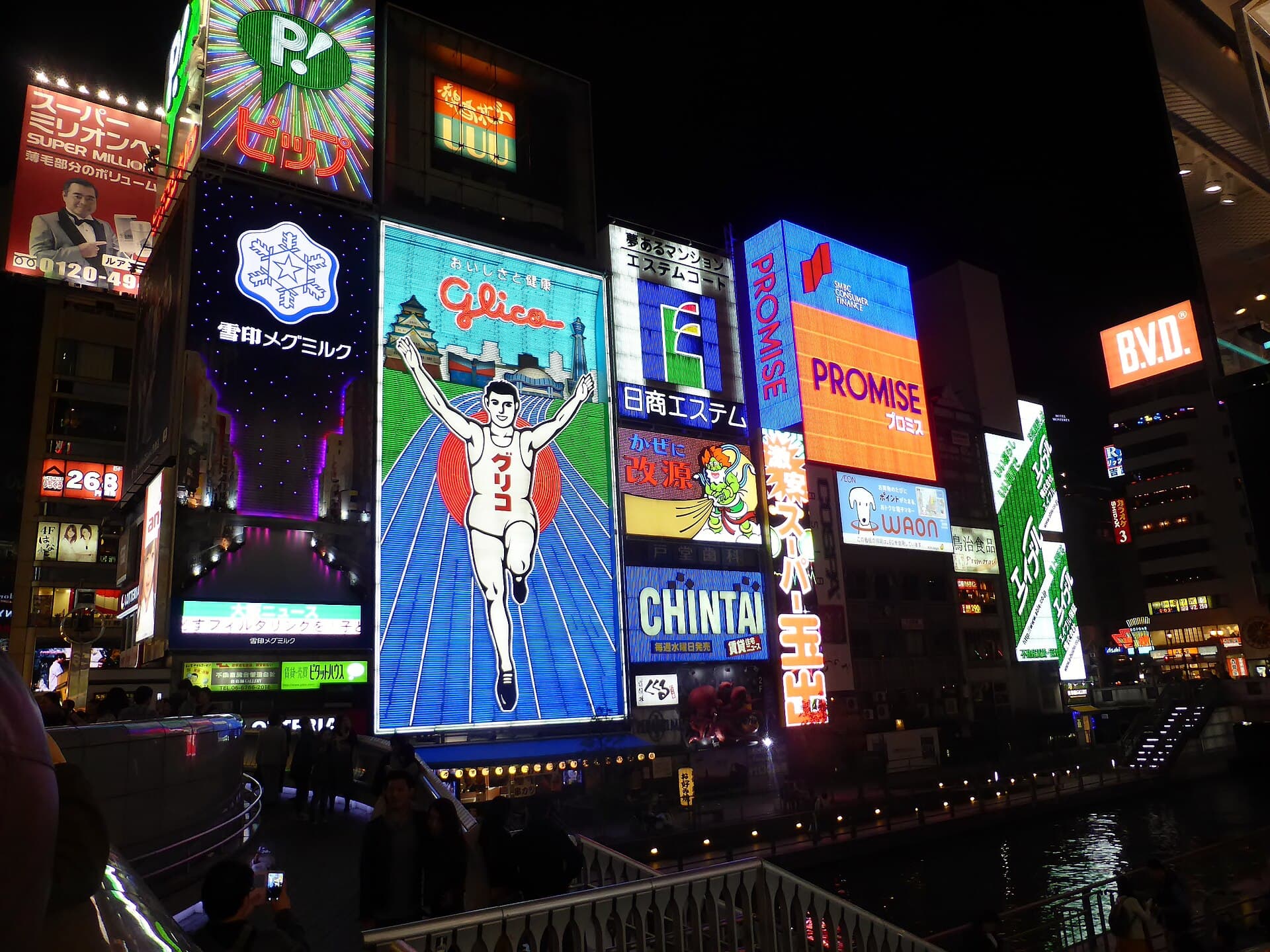
Osaka vs Tokyo nightlife: Osaka wins night one (Namba, Dotombori energy). Tokyo wins depth across nights — Golden Gai, rooftops, jazz. Pick by trip shape.

City Pop: The 1980s Japanese Genre That Went Viral Decades Later
A YouTube algorithm resurrected an obscure 1985 Japanese single and created a global genre revival. Here's what city pop actually is, and where to start.

Tokyo's Best Live Music Venues and Nightclubs (Beyond Jazz)
Where to see live music and dance in Tokyo when jazz isn't the mood — indie rock clubs, techno warehouses, and the late-night venues locals actually go to.