
City Guide
日本語Ashiya and Nishinomiya: International Schools and Commutes
Ashiya and Nishinomiya families commute to international schools in Kobe or Osaka. The options, how to test the commute, and where preschool fits in.
This guide compares options; it does not rank schools. Check admissions, fees and bus routes with each school.
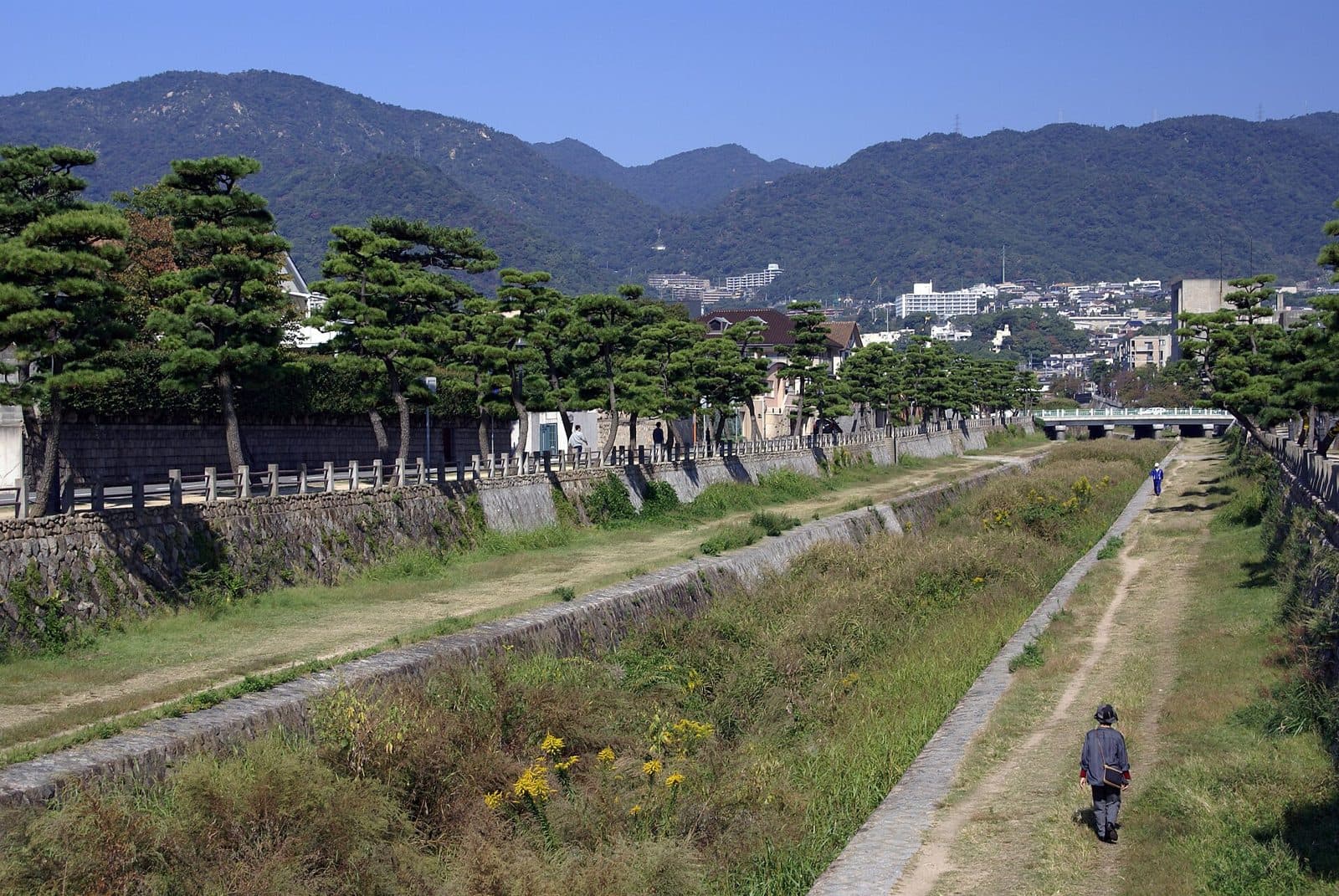
Ashiya and Nishinomiya are quiet, well-off residential cities between Kobe and Osaka, popular with international families for their housing, parks and fast trains in both directions. Neither city has a large international school of its own, so the real decision is which way to commute, and whether to go international at all.
The options
| Option | Where | How families get there |
|---|---|---|
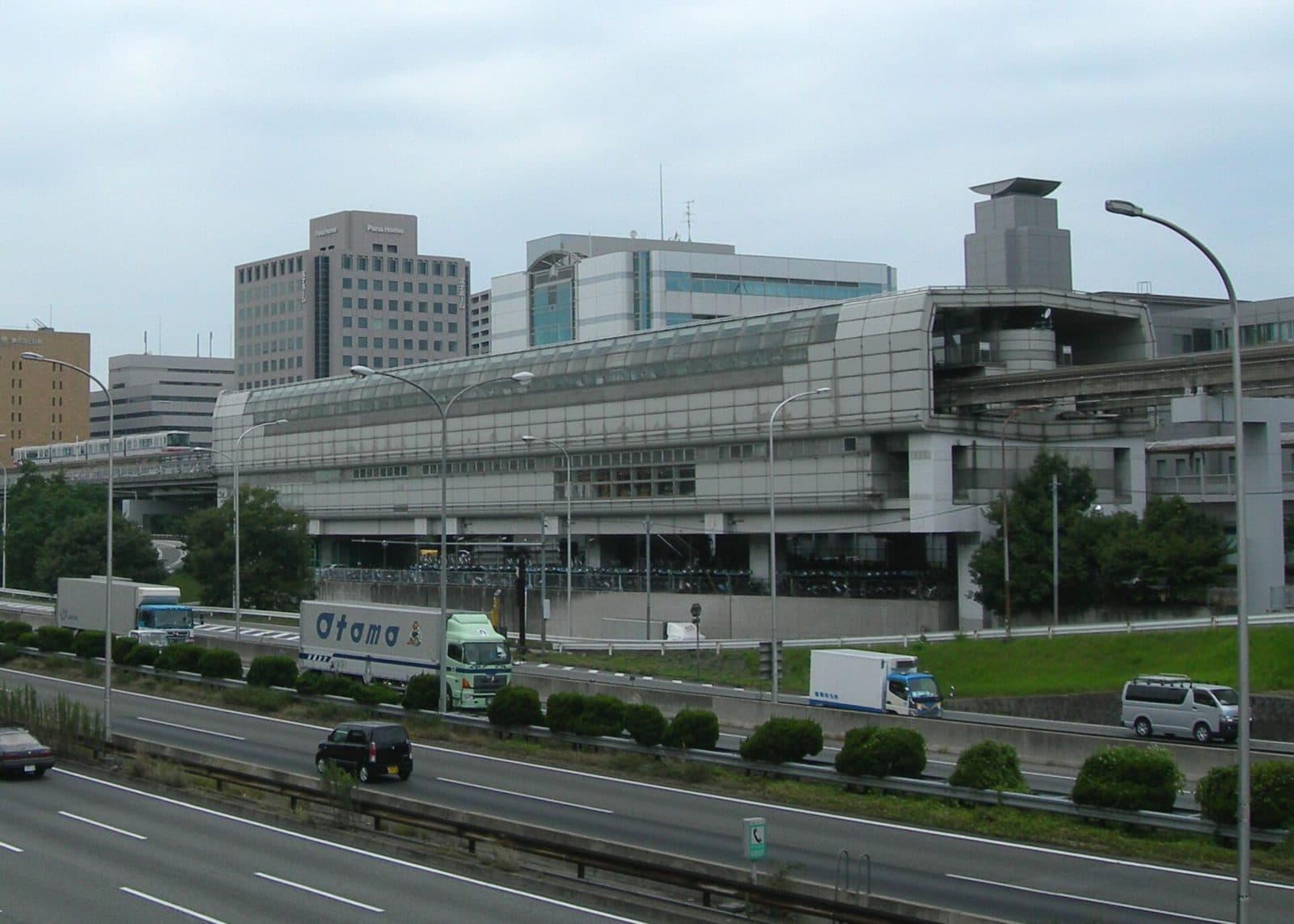
| Canadian Academy | Rokko Island, Kobe | JR to Sumiyoshi, then the Rokko Liner monorail; or school bus or car |
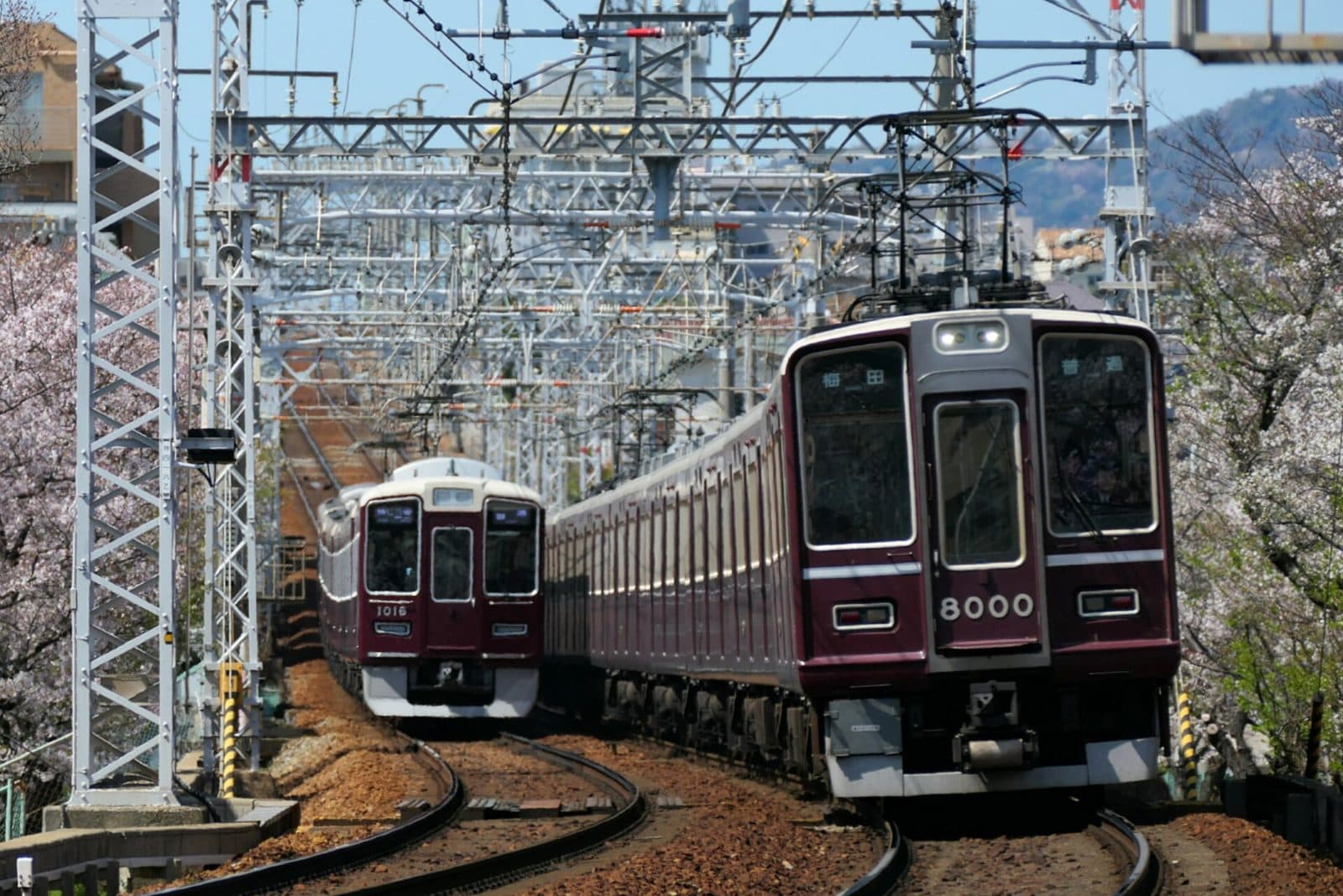
| St. Michael's International School | Kitano, near Sannomiya | JR, Hankyu or Hanshin to Sannomiya, then a walk uphill |
| Marist Brothers International School | Suma, western Kobe | JR along the coast; the longest trip from Ashiya and Nishinomiya |
| Osaka International School of Kwansei Gakuin | Minoh, Osaka | Train and bus towards Senri |
| Osaka YMCA International School | Osaka city | Train towards Umeda |
| Japanese private schools | Locally and across Hanshin | Many families choose these alongside or instead of international schools |
For the schools themselves, see international schools in Kobe and in Osaka.
The commute decides
The most common reason a school choice doesn't work out is the daily journey, not the school. Before you commit:
- Test the route at rush hour, both ways. A weekday morning at drop-off time and a weekday afternoon at pickup time, door to door.
- Check the school's start and finish times against your work hours, and whether there is extended care.
- Plan a back-up for pickups. A plan that depends on one parent breaks the first time that parent works late or travels.
- Don't assume a car solves it. Traffic onto Rokko Island and parking at drop-off add time and uncertainty.
- Ask about school buses, but treat routes as subject to change from year to year.
| Stage | What makes the commute hard |
|---|---|
| Preschool | Daily pickups, short days, children sent home when ill |
| Elementary and up | Fixed timetables, after-school activities, homework |
Preschool first
Many families start with an English-language preschool on Rokko Island or in central Kobe, then apply to a school. This helps a child get used to an English-speaking classroom, but no preschool guarantees a place at any international school. See international preschools in Kobe and preparing for Canadian Academy.
International or Japanese school?
Many families in Ashiya and Nishinomiya choose Japanese private schools, and some keep both options open through the early years. The deciding questions are usually how long you will stay in Japan, whether your child needs to read and write Japanese well, and where you expect them to go to university. See international school vs Japanese school.
FAQ
Is there an international school in Ashiya or Nishinomiya? Not a large one. Most families commute to Kobe, especially Rokko Island, or to Osaka.
Can Nishinomiya families attend Canadian Academy? Yes. Many commute by train and the Rokko Liner, by school bus or by car. Test the route at rush hour before you decide.
Do all Ashiya families choose international school? No. Many choose Japanese private schools, which are strong in the area.
How much do international schools cost? See our international school tuition guide.
Related guides
City Guides: Tokyo, Kansai, Nagoya, Fukuoka
Where to Live in Osaka for International School: Neighborhoods and Commute Guide (2026)
City Guides: Tokyo, Kansai, Nagoya, Fukuoka
Osaka vs Kobe International Schools: How Families Choose
City Guides: Tokyo, Kansai, Nagoya, Fukuoka
Where to Live in Tokyo for International School: Neighborhoods and Commute Guide (2026)
City Guides: Tokyo, Kansai, Nagoya, Fukuoka
Tokyo vs Kansai International Schools: Where Should Your Family Choose? (2026)
Stay current
Admissions details change. We will tell you when.
Fees, application windows and year-group availability move every cycle, and schools rarely announce it loudly. One email when something in these guides changes, plus new guides as they publish.
No schools pay to appear in these guides. Unsubscribe whenever you like.
Who wrote this
The Standard Japan editorial desk
The Standard Japan is run from Japan. No school pays to appear in these guides. We check facts against primary sources and update pages when official information changes.