
Harajuku Street Fashion: The Underground Scene Nobody Shows You
The viral Harajuku you've seen on Instagram is a performance for tourists. Here's where the real style is happening — and why it matters.
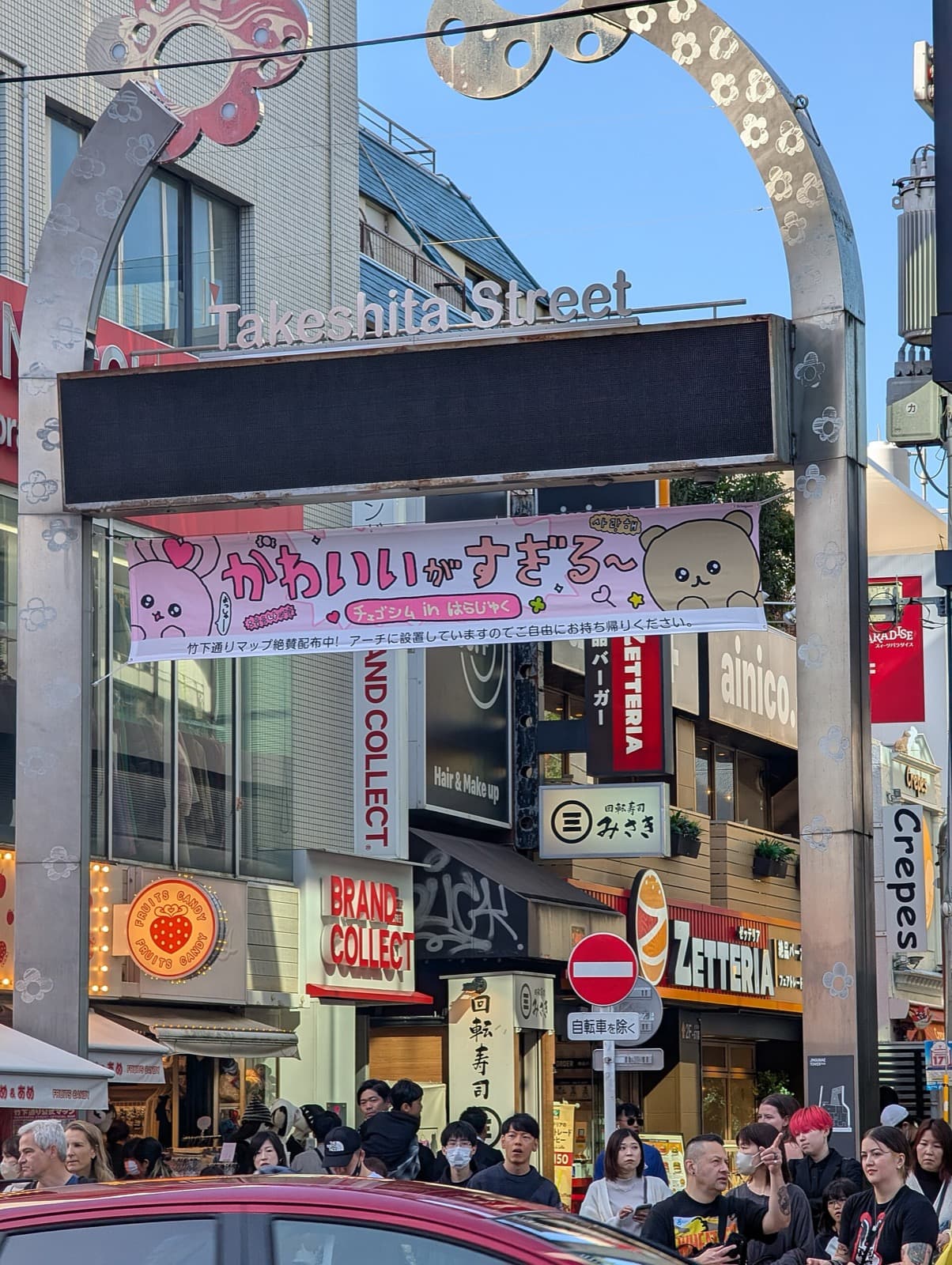
Every few years, a Western publication discovers Harajuku. They send a photographer, capture a few teenagers in elaborate costumes near Takeshita Street, and file a story about how wild and weird Japan is. Then the photographers go home. The teenagers go back to school. And the actual Harajuku fashion scene continues exactly as it was — underground, unapologetic, and completely uninterested in being discovered.
We've spent time with the people who actually make this scene work — the designers, the vintage shop owners, the stylists, and the kids who spend their lunch money on secondhand Comme des Garçons. Here's what we found.
The Myth of Takeshita Street
Takeshita Street — the narrow pedestrian lane that serves as the postcard image of Harajuku — is real, but it's also theatre. The crepe shops, the pastel boutiques, the occasional Lolita walking in platform shoes: it's genuine subculture, but it's also the version of subculture that has learned to perform for cameras.
The interesting stuff happens in the side streets. Specifically, the backstreets between Harajuku Station and Omotesando — the area called Ura-Harajuku (back-Harajuku) — where the vintage stores and independent labels cluster.
Where the Real Scene Lives
Kinji Harajuku — A massive secondhand store that prices by weight. Serious vintage hunters arrive at opening. The chaos is part of it.
Ragtag — Higher-end vintage and consignment for Japanese designer labels. Issey Miyake, Yohji Yamamoto, Rei Kawakubo. Priced accordingly but often below retail.
LAD MUSICIAN — A Japanese label that's been doing dark, deconstructed basics since the 1990s. Not loud. Quietly essential.
Kapital — The denim and workwear label from Okayama that became a cult item among international buyers. The Harajuku store is the pilgrimage point.
Number (N)ine Vintage — The archive pieces from Takahiro Miyashita's label sell here. The design language still looks three years ahead of everything else.
The Designers You Should Know
The Harajuku scene is inseparable from Japanese designer culture, and specifically from the generation that came up in the shadow of Kawakubo and Yamamoto.
Chitose Abe (sacai) — Sacai's hybrid garments — half blazer, half parka; half dress, half skirt — have become the dominant design language of global fashion. Abe started her career as a pattern maker at Comme des Garçons. The Omotesando flagship is worth visiting even if you can't afford anything.
Jun Takahashi (Undercover) — The most consistently excellent Japanese designer of the last thirty years. Undercover shows in Paris but remains fundamentally Japanese in its reference points: horror, youth culture, rock and roll.
Nigo — The founder of BAPE and arguably the person most responsible for making Japanese streetwear a global phenomenon. Now the creative director of Kenzo. His Harajuku origin story is the founding myth of the whole scene.
The Vintage Market
Japanese vintage is the best in the world. This is not hyperbole. The reasons are structural: Japanese consumers maintain clothing obsessively, the resale market is sophisticated and well-organized, and there's an enormous quantity of American workwear and Levi's that was imported in the 1960s-80s and has been slowly making its way into circulation ever since.
The best spots for vintage hunting in Harajuku:
- Chicago on Takeshita — the flagship of a national chain, best for basics and American workwear
- Flamingo — curated and pricier, but excellent eye for unusual pieces
- New York Joe Exchange — buy and sell, high turnover, inconsistent but occasionally extraordinary
How the Scene Has Changed
COVID changed everything and nothing. The tourist traffic that shaped Takeshita Street disappeared for two years, and the neighborhood took the opportunity to reset. Some of the more performative elements faded. The core vintage and independent label infrastructure held.
What's emerged is a Harajuku that's slightly less interested in being Harajuku — which is, paradoxically, making it more interesting again.
The kids who are doing something genuinely new aren't on Takeshita Street. They're in the vintage shops, cutting up what they find, combining references that shouldn't work together. The same creative energy that built the scene in the 1990s hasn't disappeared. It's just moved to Instagram and private sales and the back corners of the shops that don't have English signs.
FAQ
When is the best time to visit Harajuku? Weekday mornings, before noon. Weekends are crowded with tourists and teenagers from outside Tokyo. The vintage shops are calmer, the stock hasn't been picked through, and you can actually look at things.
Is Harajuku fashion still relevant? Yes, but not in the way Instagram suggests. The cosplay and Lolita culture that generates the most photographs represents a small part of a much larger fashion ecosystem. The relevant parts — the vintage market, the independent labels, the designer culture — are more active than ever.
How much should I budget for shopping in Harajuku? Budget stores (Kinji, vintage by the kilo) can yield incredible finds for under ¥10,000. Mid-range vintage (Ragtag, Flamingo) runs ¥5,000–¥30,000 per piece. Designer and archive pieces (Undercover, Kapital) can reach six figures.
Can I find Harajuku fashion online? Japanese secondhand platforms like Mercari and Yahoo Auctions Japan have much of what's available in stores, often at lower prices. The experience of physical hunting is different, but the inventory is increasingly accessible.
Need Help with This?
Have questions about Harajuku Street Fashion: The Underground Scene Nobody Shows You? We're here to help. Send us a message and we'll get back to you within 24-48 hours.

Maya Yamamoto
Fashion & Culture Writer
Harajuku kid who never left. Covers street fashion and underground culture.
Grew up in Saitama, moved to Harajuku at 18. Been documenting street fashion and youth culture since 2015.
Tokyo
Expertise
Harajuku fashion, Japanese streetwear, underground culture, vintage

The Standard Newsletter
Tokyo in your inbox. Weekly.
No algorithms curating your culture. No sponsored content disguised as journalism. Just the real Tokyo — the izakayas at 2am, the Harajuku kids who never made it to the algorithm, the ramen shop with no sign.
8K+
Subscribers
Weekly
Editions
Free
Always
Join the underground.
One email a week. Unsubscribe anytime.
No spam. No sharing your data. Tokyo only.
Related Stories

Tokyo Sneaker Shopping: Where to Buy Rare and Exclusive Releases
atmos started the entire Japanese sneaker boutique model in a single Harajuku store in 2000. Here's where the culture actually lives now.

Uniqlo in Japan: What's Actually Different From the Store Back Home
The Ginza flagship has 12 floors, a coffee stand, and a UT line you won't find abroad. Here's what's worth shopping for at Uniqlo in Japan specifically.

Best Japanese Denim: Where to Buy Selvedge Jeans in Tokyo (2026)
Japan makes some of the best selvedge denim in the world. Here's where to actually buy it in Tokyo — the brands worth the money and the shops that stock them.