
Anime Pilgrimage in Japan: How to Visit Real Locations From Your Favorite Shows
Seichi junrei is Japan's term for visiting real-world anime locations — and it's now official tourism policy, not just a fan hobby. Here's how it works.

Local governments in Japan actively court anime productions now, specifically because a single popular series can turn an obscure town into an international tourist destination almost overnight. The practice has a name — seichi junrei (聖地巡礼), literally "sacred site pilgrimage" — and it has grown from a niche fan hobby into a formal part of Japan's tourism industry.
What Seichi Junrei Actually Means
The term borrows its structure from religious pilgrimage — visiting a "sacred site" — and applies it to real-world locations that appear as anime backdrops, whether a specific train crossing, a shrine, a school building, or an entire townscape. Fans travel to photograph the real location next to the matching anime scene, and the resulting comparison shots are a genre of their own on social media.
What makes this different from ordinary movie tourism elsewhere is scale and organization. Japan's anime industry produces an enormous volume of series set in real, identifiable locations rather than invented ones, and local tourism boards have gotten fast and deliberate about capitalizing on it.
The Anime Tourism Association's Official List
The Anime Tourism Association, established in 2016, formalizes this every year with its "88 Anime Pilgrimage Sites of Japan" list — a deliberate nod to Shikoku's famous 88-temple Buddhist pilgrimage route. For the association's 10th anniversary, the list expanded to 100 works, certifying 18–19 new titles across 35 municipalities.
The selection process is a genuine global vote: recent balloting drew roughly 85,000 votes from more than 100 countries and regions, with around two-thirds cast from within Japan and about a third from overseas fans. That international participation is exactly the point — the list functions as inbound tourism marketing as much as fan service.
Famous Real-World Locations
Washinomiya Shrine, Saitama — The setting behind Lucky Star, and one of the earliest, most-cited examples of a real shrine becoming a fan pilgrimage destination, with local businesses actively embracing the connection.
Kamakurakoukoumae Station, Kanagawa — The railway crossing made famous by Slam Dunk's opening sequence is one of the most photographed anime pilgrimage spots in the country, drawing a steady stream of visitors purely to recreate one shot.
Suwa area, Nagano — Widely associated with the real-world settings behind Your Name, one of the highest-grossing anime films ever made internationally, which drove a significant tourism bump to the region after release.
Toyosato Elementary School, Shiga — The real school building behind K-On!'s campus, preserved partly because of the anime pilgrimage traffic it now generates.
Mitaka and Nagakute — Not pilgrimage sites in the traditional sense, but the closest thing Studio Ghibli fans have to an official one: the Ghibli Museum in Mitaka and the newer Ghibli Park near Nagoya both recreate film settings directly rather than relying on a real-world location that merely inspired one.
Oarai, Ibaraki — A coastal town that leaned hard into its association with Girls und Panzer, becoming one of the clearest examples of a town's tourism economy being deliberately rebuilt around anime fandom.
Why This Became Deliberate Policy
Small Japanese towns facing population decline have a real economic incentive to court this kind of attention, and it shows in how openly local governments now court productions and support fan visits — collaborating with studios on location scouting, installing anime-themed signage, and stocking anime-branded local products. It's a genuinely unusual tourism strategy globally: a national industry organization formally curating and voting on fictional media locations as an official travel itinerary.
Planning a Pilgrimage Trip
Most pilgrimage sites are ordinary residential areas — be respectful of local residents, keep noise down, and don't trespass onto private property to get a shot; several famous locations have had to post signage after fan behavior became a nuisance.
Many sites are far from major cities — plan around regional train schedules carefully, since some locations (particularly smaller towns) have limited service and require an overnight stay rather than a day trip from Tokyo or Osaka.
Check the current official list before you travel — the Anime Tourism Association's annual selection changes, and confirming a location is still an actively promoted site (rather than an older, now-quieter one) helps set expectations for what's actually there to see.
Pair a pilgrimage trip with a stop at a Pokemon Center or Akihabara if merchandise-hunting is as much a part of the trip as the location-hunting.
FAQ
What does seichi junrei mean? "Sacred site pilgrimage" — the Japanese term for visiting real-world locations that inspired scenes or settings in anime.
Is there an official list of anime pilgrimage sites? Yes — the Anime Tourism Association publishes an annual list, expanded to 100 works for its 10th anniversary, selected through public voting from over 100 countries.
What's the most famous anime pilgrimage location? Kamakurakoukoumae Station's railway crossing, made iconic by Slam Dunk's opening sequence, is among the most consistently visited and photographed sites.
Do local governments actually support anime tourism? Yes, deliberately — many towns actively collaborate with anime studios and promote their connection to a series specifically to drive regional tourism and counter population decline.
Can I visit anime pilgrimage sites without a car? Many are accessible by train, though some smaller-town locations have limited regional service, so checking schedules and building in extra time is worth doing before you travel.
Culture Desk
The Standard Japan
Customs, festivals, pop culture and everyday Japan, explained for people who want to understand what they are looking at.
Facts are taken from primary sources (operators, venues, official tourism and government pages) and dates and prices are checked on the day of writing. Pages are revised when those sources change.
Expertise
Festivals, etiquette, pop culture, mascots, convenience-store culture
Have a question or a correction?
Ask us anything about Anime Pilgrimage in Japan: How to Visit Real Locations From Your Favorite Shows, or tell us what we got wrong. We reply within 24 to 48 hours.
The Standard Newsletter
Tokyo in your inbox. Weekly.
No algorithms curating your culture. No sponsored content disguised as journalism. Just the real Tokyo — the izakayas at 2am, the Harajuku kids who never made it to the algorithm, the ramen shop with no sign.
280+
Guides
Weekly
Editions
Free
Always
Join the underground.
One email a week. Unsubscribe anytime.
No spam. No sharing your data. Tokyo only.
Related Stories
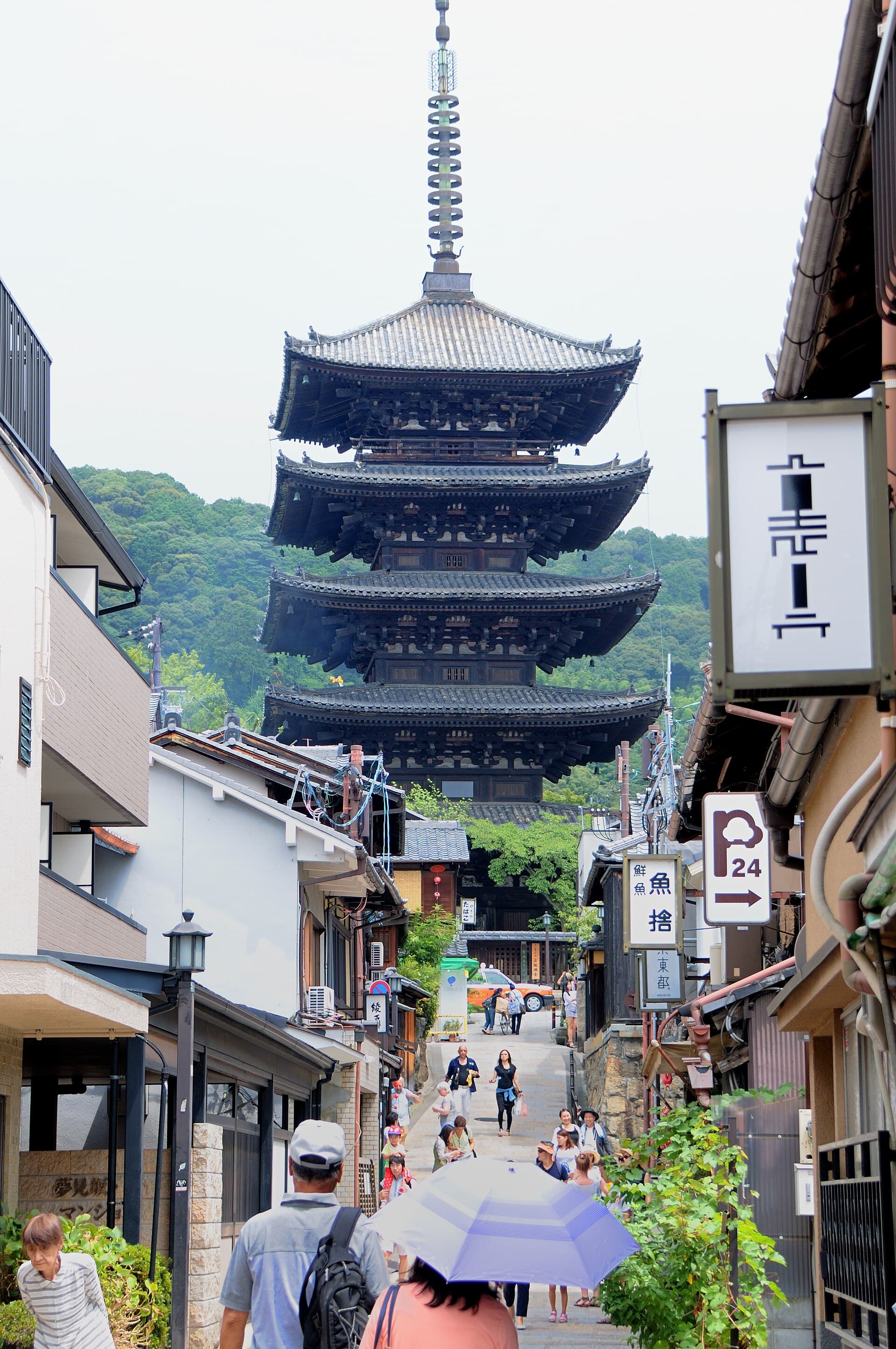
Kimono Experience in Japan: Worth It, Where to Book, What to Expect
Kimono rental and dressing experiences in Tokyo and Kyoto — prices, how long it takes, photo etiquette, and when a booked studio beats a street rental.
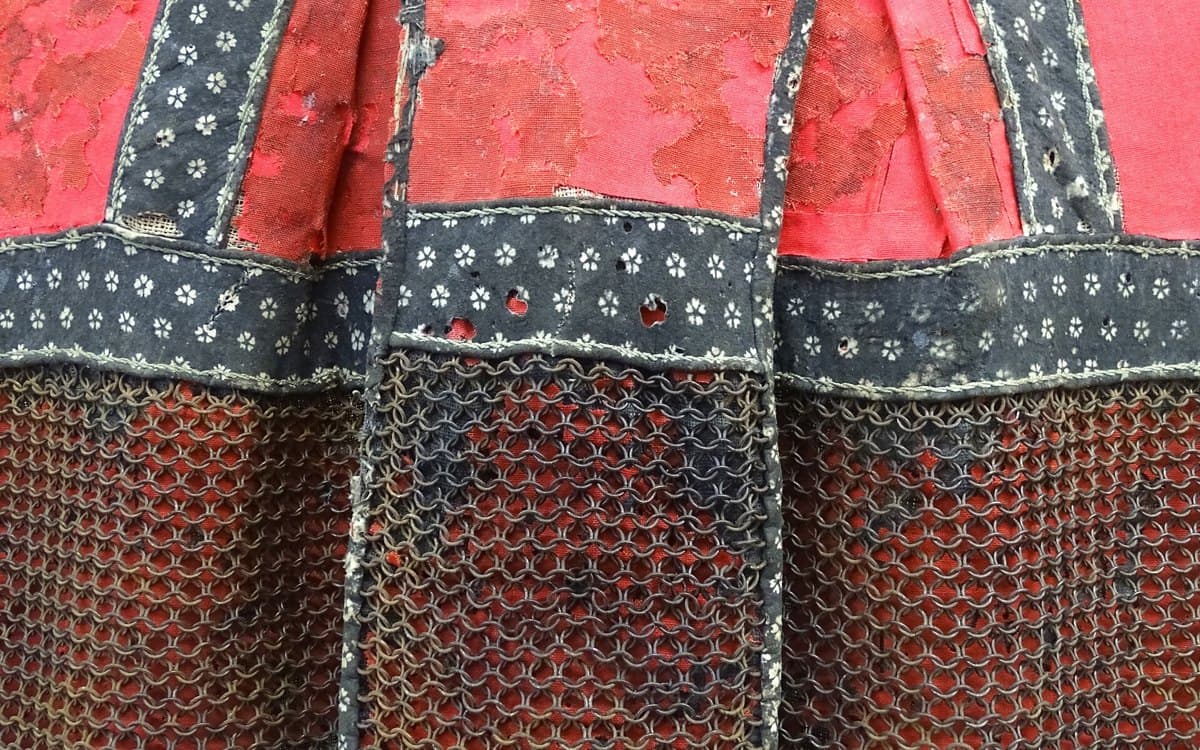
Samurai in Japan: History, Myths, and Where to Experience It (2026)
Samurai history without the Hollywood myths — bushido, the Meiji end of the class, and the best Tokyo and Kyoto experiences if you want armor, sword work, or theater.

Temple and Shrine Etiquette in Japan: Torii, Temizu, Bowing, Photos
Shrine vs temple basics, torii, temizu purification, bowing, money offering, shoes, hats, and photo rules — do this and you will not be that tourist.