
Japan Trip Cost 2026: $1,000-$2,300 for 10 Days (Budget Breakdown by Category)
Japan trip cost: about $1,000 on a budget (hostels, konbini), $1,500–$2,000 mid-range (business hotels, restaurants). Daily budget by category.
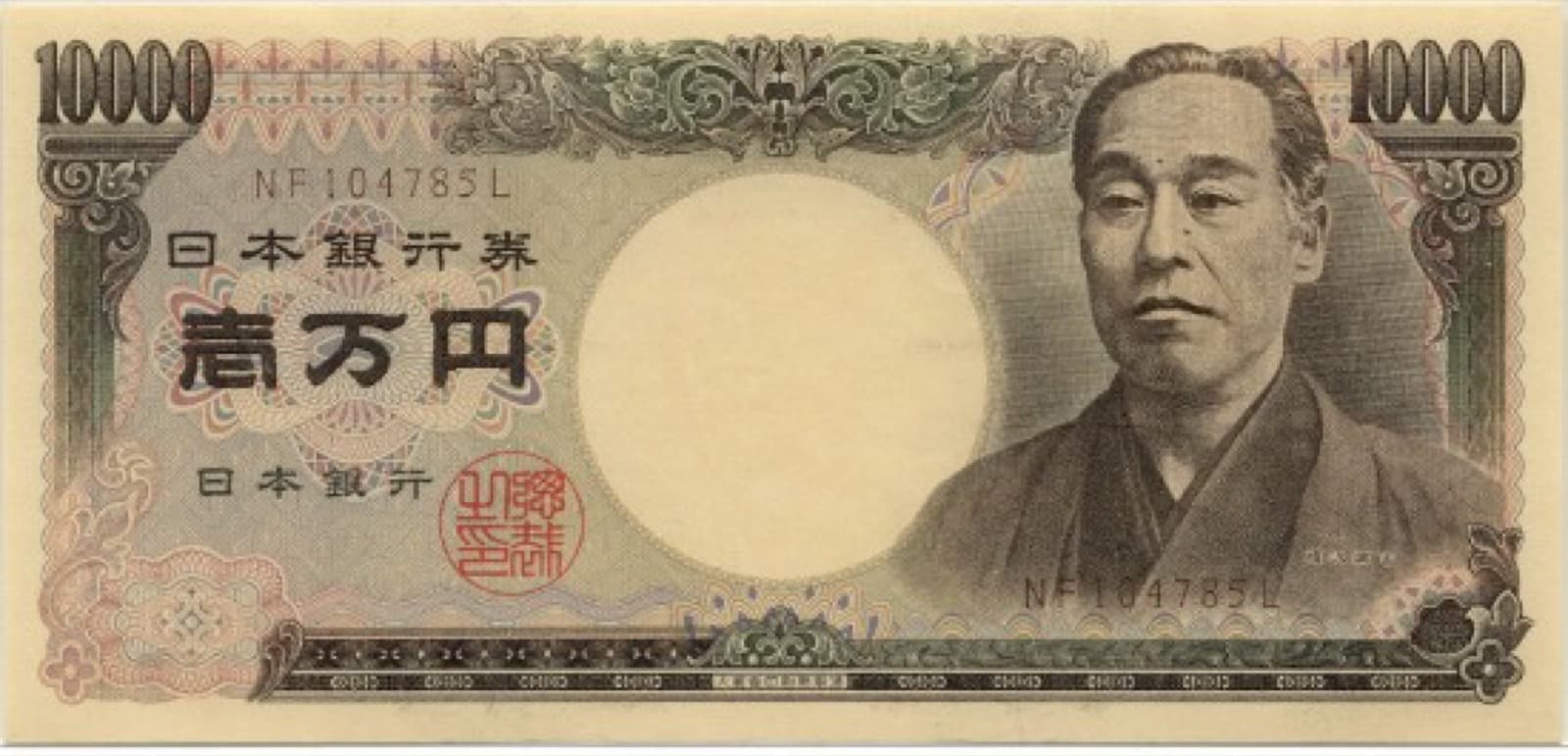
A 10-day trip to Japan costs $1,000-$2,300 USD per person (¥150,000-¥350,000) before flights. Budget travelers spend ¥8,000-¥12,000/day staying in hostels and eating at convenience stores. Mid-range travelers spend ¥15,000-¥25,000/day with business hotels and local restaurants. Your biggest expenses are accommodation (40%), food (30%), and transportation (20%).
Here's exactly where your money goes and how to save without compromising the experience.
Some links in this article are affiliate links. If you book through them, The Standard Japan may earn a commission at no additional cost to you.
The Fast Answer: Japan Daily Budget by Travel Style
| Travel Style | Daily Budget (per person) | What It Includes |
|---|---|---|
| Budget | ¥8,000–¥12,000 | Hostels, convenience stores, budget ramen |
| Mid-range | ¥15,000–¥25,000 | Business hotels, local restaurants, JR Pass |
| Comfort | ¥30,000–¥50,000 | Nice hotels, izakayas, day trips, taxis |
| Luxury | ¥70,000+ | Boutique ryokan, omakase, private guides |
Most visitors spending two weeks in Japan land somewhere between mid-range and comfort: ¥20,000–¥35,000 per day, all in.
Accommodation Costs in Japan
This is where your budget swings most dramatically.
Hostels and capsule hotels (¥2,500–¥5,000/night): Capsule hotels are not a compromise — they are a genuinely good sleep at a low price. Book Millennials Shibuya, Nine Hours Shinjuku, or The Lect Osaka. Clean, quiet, great locations.
Business hotels (¥8,000–¥15,000/night): The sweet spot for most travelers. Toyoko Inn, Dormy Inn, and APA Hotel are reliable chains with small but comfortable rooms and excellent locations near train stations. Breakfast is often included or cheap. For named hotels near stations, with prices we checked, see our cheap hotel lists for Tokyo, Kyoto and Osaka.
Boutique and design hotels (¥20,000–¥40,000/night): Brands like Trunk Hotel, Andaz Tokyo, and Hotel Canopy by Hilton Ginza offer genuine design and style without the full luxury price tag.
Ryokan (¥15,000–¥100,000+/night per person): A traditional inn with kaiseki dinner and breakfast included. Non-negotiable for at least one night if this is your first visit to Japan. Entry-level ryokan start around ¥15,000–¥20,000 per person; good mid-tier ryokan in Hakone or Kyoto run ¥25,000–¥50,000; high-end can exceed ¥100,000.
Transportation Costs: The Japan Rail Pass Question
This question comes up constantly. The JR Pass is only worth it if you're covering significant distances. Here is how to calculate — or see the full JR Pass 2026 breakdown for the complete route-by-route math:
JR Pass prices (2026):
- 7-day Ordinary: ¥53,000 from October 1, 2026 (was ¥50,000 through September 30)
- 14-day Ordinary: ¥80,000 → ¥84,000 (Oct 1)
- 21-day Ordinary: ¥100,000 → ¥105,000 (Oct 1)
See the full JR Pass 2026 breakdown for break-even math after the October increase.
A single Tokyo–Kyoto Shinkansen round trip costs about ¥28,000. Add Hiroshima or Osaka and the 7-day pass easily pays off for a Tokyo–Kansai trip.
If you are staying in Tokyo for most of your trip, skip the pass. An IC card (Suica or Pasmo) loaded with ¥5,000–¥10,000 covers all local trains, subways, and buses in any major city.
Within-city transportation:
- Single subway/train ride: ¥170–¥300
- IC card top-up per week in a major city: ¥2,000–¥4,000
- Taxi: expensive. Use trains.
Staying Connected: The Cost Everyone Forgets
Every budget above assumes you can look up a train platform, a restaurant's opening hours, or a Japanese menu on the spot. That assumes mobile data, and almost nobody prices it in.
Data costs for a two-week trip:
- Travel eSIM, 10GB: ¥2,000–¥3,000 for the whole trip
- Pocket WiFi rental: ¥800–¥1,200 per day, so ¥11,000–¥17,000 for two weeks
- Roaming on your home plan: usually the worst value of the three, often ¥1,000+ per day
An eSIM such as Airalo is the cheapest of the three by a wide margin unless you are travelling as a group of three or more sharing one connection. Free café and station WiFi exists but is too patchy to navigate on. See our Japan eSIM comparison for which provider suits which trip length.
Note this sits on top of the sample totals further down, the same way international flights do.
Food Costs in Japan
Japan has the most stratified and consistent food pricing of any country in the world. You know exactly what you are getting at every price point.
¥500–¥1,000 per meal: Convenience store meals (genuinely excellent — do not skip this), ramen chains, standing soba, gyudon chains like Yoshinoya and Matsuya. This is real Japanese food, not budget food.
¥1,000–¥2,500 per meal: The main range for local restaurants, izakayas for lunch, ramen shops, sushi conveyor belts, tonkatsu sets. This is where most of Japan's best food lives.
¥3,000–¥8,000 per meal: Good izakayas for dinner with drinks, kaiseki lunch, mid-tier sushi.
¥10,000–¥30,000+ per meal: Omakase sushi, high kaiseki, Michelin restaurants.
Realistic daily food budget: ¥3,000–¥6,000 covers three solid meals if you mix convenience stores with local restaurants. ¥8,000–¥12,000 if you eat at sit-down restaurants every meal.
Activities and Entrance Fees
Japan does not bleed you on attractions. Most temples and shrines are free or ¥500–¥1,000 to enter.
Common costs:
- Major temple entrance (Kinkakuji, Fushimi Inari): free – ¥1,000
- teamLab Borderless / Planets: from ¥3,600 (adult, varies by date)
- Tokyo Disneyland / DisneySea: ¥7,900–¥10,900 (adult, varies by date)
- Tokyo Skytree: ¥2,100–¥3,400
- Sumo tournament: upper-floor chair seats from a few thousand yen; box seats cost far more
- Day trips (Hakone, Nikko): ¥3,000–¥8,000 all-in with transport
Budget ¥2,000–¥5,000 per day for activities if you are doing something every day. If Fuji is on your list, add ¥4,000 per person for the mandatory 2026 climbing fee.
Shopping: The Budget Wildcard
Clothing, ceramics, stationery, whisky, electronics. Japan is dangerous for shoppers.
Set a hard shopping budget before you arrive. ¥20,000–¥50,000 is realistic for most visitors. If you are buying electronics, cameras, or luxury goods in Ginza, budget separately.
The yen has been weak against the dollar and euro since 2022. As of mid-2026, international visitors are still getting approximately 15–20% more purchasing power than in 2019. That will not last forever — it is a genuine advantage right now. Two other 2026 changes worth factoring in: Japan's departure tax tripled to ¥3,000 as of July 1, and the tax-free shopping refund process changed as of November 1.
Sample 10-Day Japan Budget
Budget traveler (hostels, mostly convenience store meals):
- Accommodation: ¥35,000 (¥3,500/night)
- Food: ¥35,000 (¥3,500/day)
- Transportation: ¥25,000 (JR Pass 7-day + IC)
- Activities: ¥15,000
- Shopping: ¥15,000
- Total:
¥125,000 ($825 USD)
Mid-range traveler (business hotels, local restaurants):
- Accommodation: ¥120,000 (¥12,000/night)
- Food: ¥60,000 (¥6,000/day)
- Transportation: ¥40,000 (JR Pass 14-day + IC)
- Activities: ¥30,000
- Shopping: ¥40,000
- Total:
¥290,000 ($1,900 USD)
Comfort traveler (boutique hotels, izakayas, one ryokan night):
- Accommodation: ¥250,000 (¥25,000/night average)
- Food: ¥100,000 (¥10,000/day)
- Transportation: ¥50,000
- Activities: ¥50,000
- Shopping: ¥80,000
- Total:
¥530,000 ($3,500 USD)
These are all excluding international flights — see our cheap flights to Japan guide for budget airline options and when to book.
FAQ: Japan Trip Cost
Is Japan expensive compared to other Asian countries? Yes — Japan is significantly more expensive than Southeast Asia, and comparable to Western Europe. But the quality-to-price ratio is among the highest in the world.
How much cash should I bring to Japan? Carry ¥10,000–¥20,000 as a rotating buffer, topped up from a convenience store ATM as needed. Many restaurants, small shops, and vending machines are still cash-only, though IC cards and credit cards have become more accepted since 2023. See our full cash and credit card guide for the breakdown by itinerary type.
Can I do Japan on ¥5,000 a day? Technically yes, if you sleep in the cheapest hostels and eat only convenience store food. But this is not a satisfying way to experience Japan and we do not recommend it.
Is the JR Pass still worth it in 2026? Only if you plan multi-city Shinkansen travel. Prices rise again on October 1, 2026 (7-day Ordinary to ¥53,000). Run Hyperdia/Google Maps totals against the pass before buying — see our JR Pass worth-it guide.
How much does a ryokan cost? Entry-level ryokan start around ¥15,000–¥20,000 per person per night, including dinner and breakfast. Mid-tier ryokan in Hakone or Arima Onsen run ¥25,000–¥50,000. High-end can exceed ¥100,000 per person.
What is the cheapest month to visit Japan? January–February (excluding New Year's week) and June (rainy season) offer the lowest hotel prices. Cherry blossom season (late March–April) and Golden Week (late April–early May) are the most expensive.
Do I need travel insurance for Japan? Yes. Medical costs in Japan are high for uninsured foreign visitors. Budget around ¥5,000–¥15,000 for a two-week policy depending on your coverage level and home country.
How much does it cost to eat sushi in Japan? A conveyor belt sushi lunch (kaiten-zushi) costs ¥1,500–¥3,000. A good neighborhood sushi restaurant runs ¥3,000–¥8,000 for dinner. A proper omakase experience starts at ¥15,000 and can exceed ¥50,000 per person.
Travel Desk
The Standard Japan
Trip planning: seasons and crowds, getting around, airports, where to stay, and the practical steps before and after you land.
Facts are taken from primary sources (operators, venues, official tourism and government pages) and dates and prices are checked on the day of writing. Pages are revised when those sources change.
Expertise
Seasonal crowds, transport and airports, itineraries, lodging, pre-trip logistics
Have a question or a correction?
Ask us anything about Japan Trip Cost 2026: $1,000-$2,300 for 10 Days (Budget Breakdown by Category), or tell us what we got wrong. We reply within 24 to 48 hours.

Related Stories
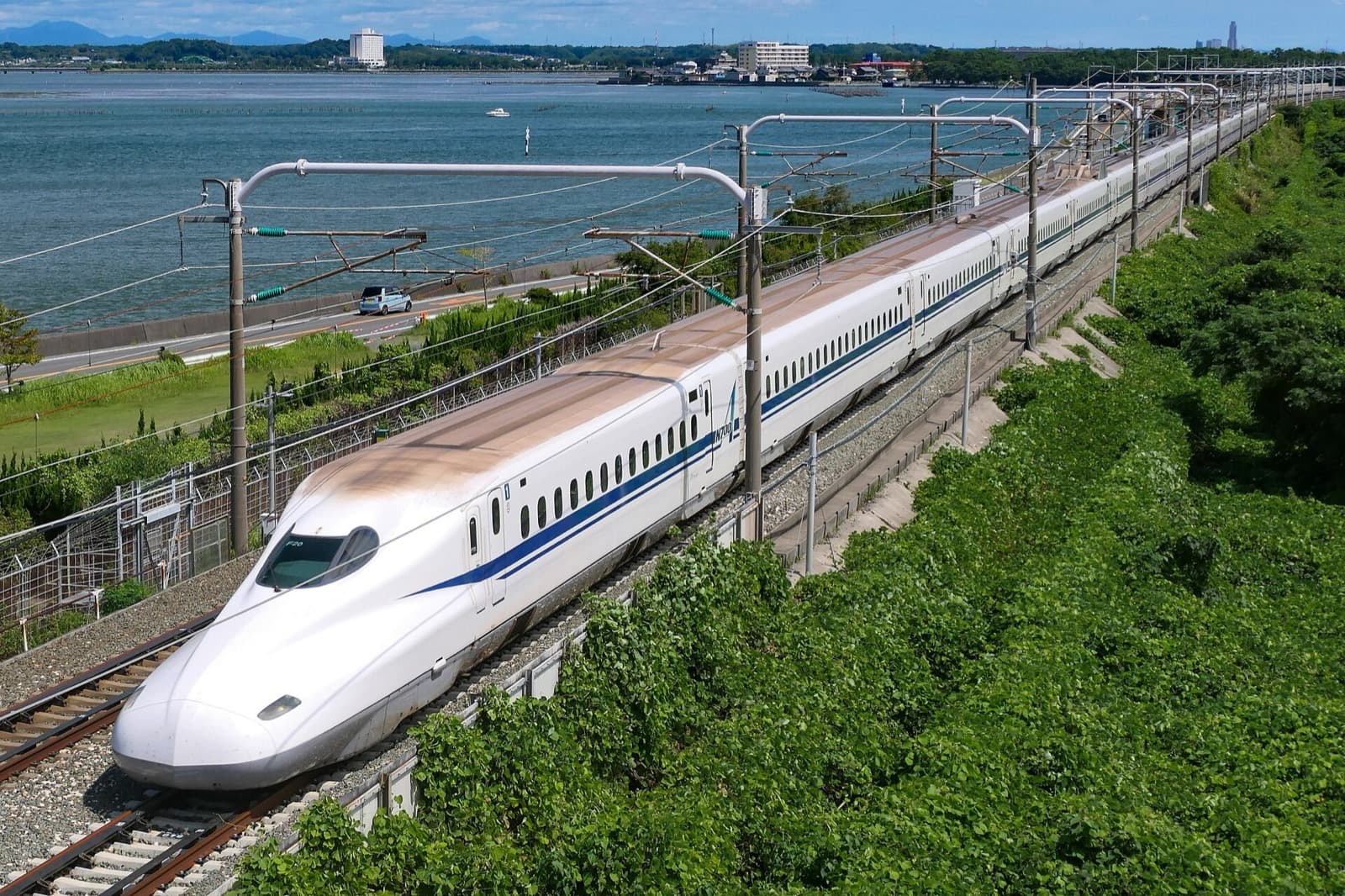
Tokyo to Kyoto: Shinkansen, Bus, or Flight? (Cost and Time Compared)
Tokyo to Kyoto takes 2 hours 15 minutes by shinkansen (¥14,170), 7-8 hours by night bus (¥4,000-¥8,000), or is covered by the JR Pass. Complete comparison of every option.
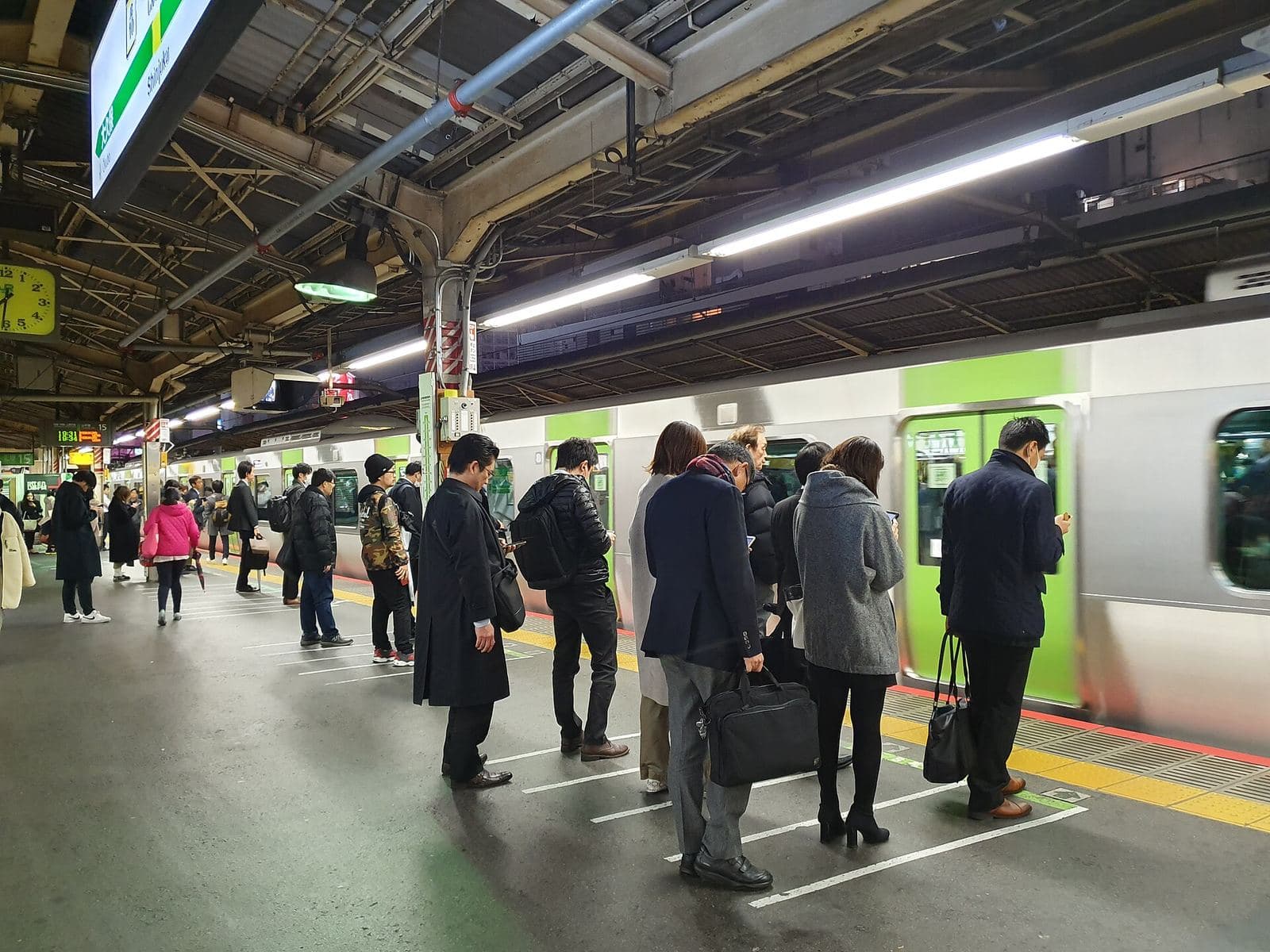
Japan Etiquette Rules: What You Must Know Before You Go (2026)
Japan etiquette rules are not complicated — but breaking them signals disrespect, not ignorance. Here are the ones that actually matter, explained clearly.

Solo Travel Japan: The Honest Guide for First-Timers (2026)
Japan is safe, organized and easy to navigate alone, which makes it ideal for solo travel. What to know before you go, from eating alone to where to stay.