
Cash or Card in Japan? What Actually Works Where (2026)
Cards and IC cards cover most of a modern Tokyo trip, but small restaurants, temples, rural areas, and some traditional shops are still cash-only. Here's exactly where you'll need yen in hand.
Carry ¥10,000-¥20,000 in cash for a trip to Japan, but expect to use your card or IC card for most transactions in major cities — the "Japan is all-cash" reputation is outdated for Tokyo, Osaka, and Kyoto, though it's still accurate for small traditional shops, temples, and rural areas.
Where Cards Work Fine
Chain restaurants, convenience stores, department stores, most hotels, train ticket machines, and the majority of mid-to-large restaurants in major cities all accept cards without issue. Contactless and IC-card tap payment (the same Suica or Pasmo you use for trains) has expanded well beyond transit into vending machines, konbini, and a large share of retail — genuinely useful since it skips both cash and card-terminal friction for small purchases.
Where You'll Still Need Cash
- Small, family-run restaurants and izakaya — especially anything without an English menu or a POS system visible at the counter
- Temples and shrines — entry fees, omamori (charms), and goshuin (temple stamps) are almost universally cash-only
- Rural areas and small towns — card infrastructure thins out fast once you're off the main tourist circuit
- Sento (public baths) and some traditional ryokan — particularly smaller, older establishments
- Local markets and street food stalls — Tsukiji Outer Market vendors and similar setups skew cash-heavy
- Coin lockers at some stations — many now take IC cards, but older lockers are coin-only
If your itinerary includes day trips like Hakone, Nara, or Kanazawa, or anywhere outside the Tokyo-Osaka-Kyoto core, carry more cash than you would for a city-only trip.
Which Cards Actually Work
Visa and Mastercard have by far the widest acceptance across Japan, including smaller shops and regional areas. American Express is accepted at major chains and hotels but noticeably less at smaller independent businesses. Discover and other less globally common networks have the narrowest acceptance — don't rely on them as your primary card.
If you're traveling with multiple cards, lead with a Visa or Mastercard and keep the others as backup rather than primary.
Getting Cash: Which ATMs Actually Work
Not every Japanese ATM accepts foreign-issued cards, which surprises a lot of first-time visitors. The reliable ones:
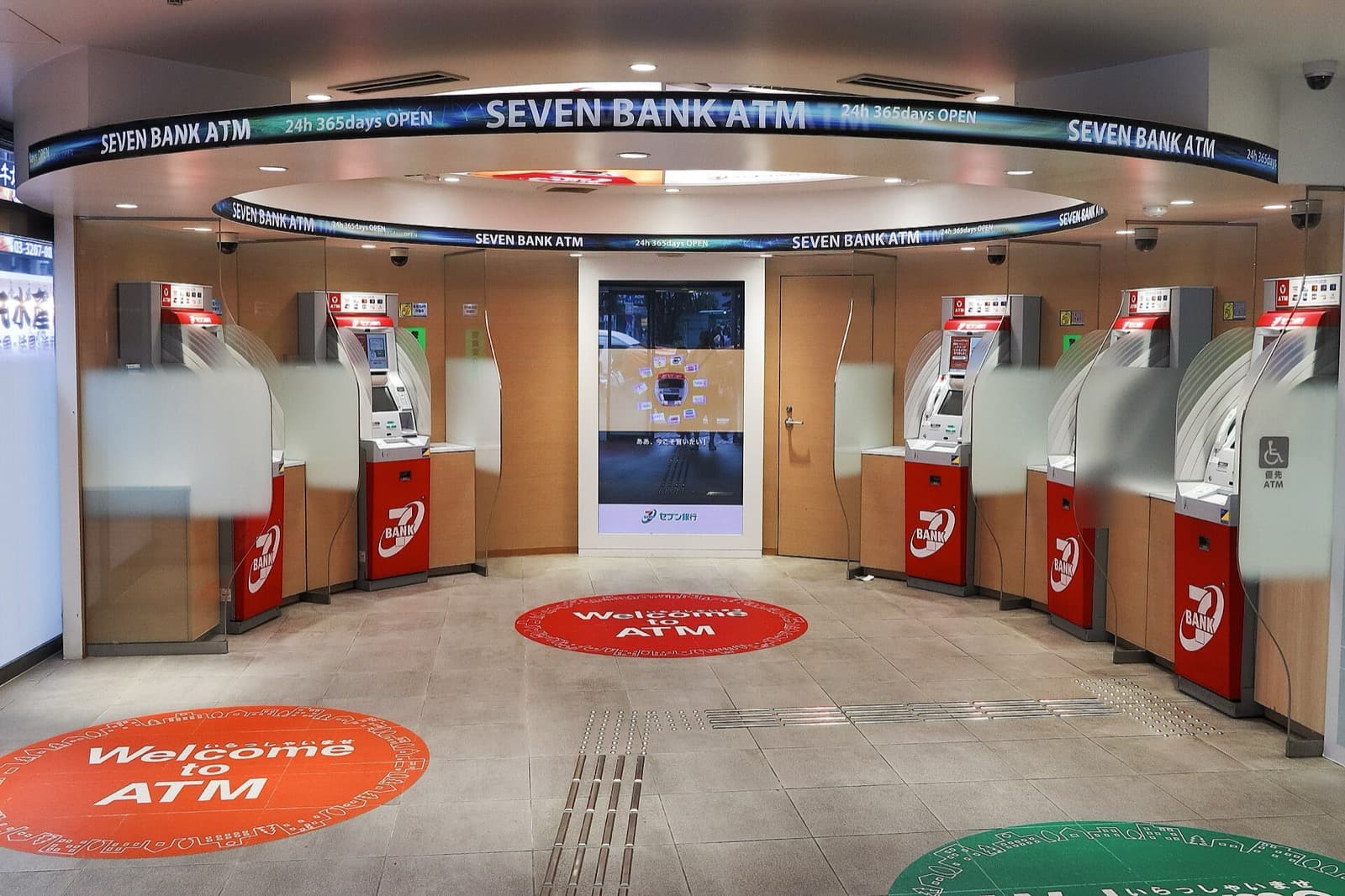
- 7-Eleven ATMs (Seven Bank) — the most consistently foreign-card-friendly ATM network in Japan, available in nearly every 7-Eleven nationwide, and open 24/7
- Japan Post Bank ATMs — also reliable for foreign cards, located at post offices and some station areas
- Airport ATMs — reliable on arrival at Narita and Haneda specifically for this reason
Bank-branded ATMs (Mitsubishi UFJ, Mizuho, SMBC) are far less consistent for foreign cards and sometimes reject them outright, or only work during limited hours. Default to 7-Eleven or Japan Post ATMs rather than the first ATM you see.
Currency Exchange: Airport vs City
Airport currency exchange counters offer noticeably worse rates than city exchange counters or ATM withdrawals — fine for a small amount to get you into the city, not for exchanging your whole trip's cash. A 7-Eleven ATM withdrawal in yen almost always beats an airport currency exchange counter on rate.
How Much Cash to Actually Carry
¥10,000-¥20,000 as a rotating buffer is a reasonable target for most of a trip, topped up from an ATM as needed rather than carrying your entire budget in cash from day one. Adjust upward if your itinerary leans rural, temple-heavy, or includes a lot of small local restaurants and markets — adjust downward if you're staying almost entirely in central Tokyo, Osaka, or Kyoto at chain restaurants and larger shops.
Mobile Payment Apps
PayPay and other Japan-specific QR/barcode payment apps have become widespread at small businesses, sometimes even ahead of card terminals — but they generally require a Japanese bank account or phone number to set up, making them impractical for most short-term tourists. Card and IC card coverage a tourist can actually access is a more realistic baseline to plan around.
FAQ
Is Japan still a cash-based society in 2026? Less than its reputation suggests, especially in Tokyo, Osaka, and Kyoto — cards and IC cards cover most transactions there. Small shops, temples, rural areas, and some traditional businesses remain cash-only.
Which credit card works best in Japan? Visa and Mastercard have the widest acceptance, including at smaller businesses and in regional areas. American Express and Discover are accepted at major chains and hotels but less reliably elsewhere.
Which ATMs in Japan accept foreign cards? 7-Eleven (Seven Bank) ATMs and Japan Post Bank ATMs are the most consistently reliable for foreign-issued cards. Bank-branded ATMs are less predictable and sometimes reject foreign cards entirely.
How much cash should I carry in Japan? ¥10,000-¥20,000 as a rotating buffer, topped up from a 7-Eleven or Japan Post ATM as needed. Carry more if your trip includes rural areas, temples, or small local restaurants.
Can I use Apple Pay or Google Pay in Japan? Yes, wherever contactless/IC-card payment is accepted, including via Mobile Suica. This works well for tourists since it doesn't require a Japanese bank account, unlike apps such as PayPay.
Travel Desk
The Standard Japan
Trip planning: seasons and crowds, getting around, airports, where to stay, and the practical steps before and after you land.
Facts are taken from primary sources (operators, venues, official tourism and government pages) and dates and prices are checked on the day of writing. Pages are revised when those sources change.
Expertise
Seasonal crowds, transport and airports, itineraries, lodging, pre-trip logistics
Have a question or a correction?
Ask us anything about Cash or Card in Japan? What Actually Works Where (2026), or tell us what we got wrong. We reply within 24 to 48 hours.
The Standard Newsletter
Tokyo in your inbox. Weekly.
No algorithms curating your culture. No sponsored content disguised as journalism. Just the real Tokyo — the izakayas at 2am, the Harajuku kids who never made it to the algorithm, the ramen shop with no sign.
280+
Guides
Weekly
Editions
Free
Always
Join the underground.
One email a week. Unsubscribe anytime.
No spam. No sharing your data. Tokyo only.
Related Stories
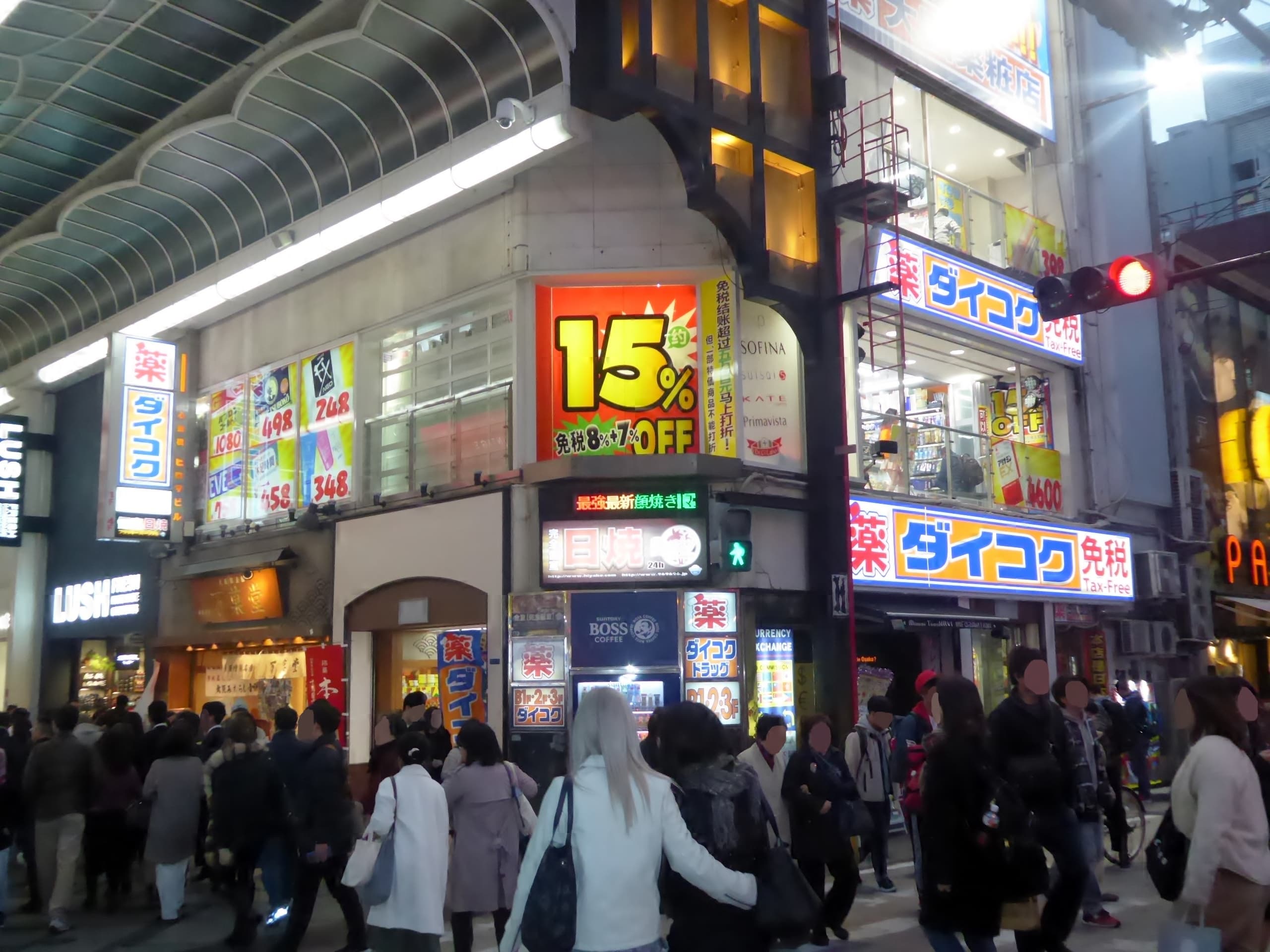
Japan Drugstore Guide: What to Buy at Matsumoto Kiyoshi and Daikoku Drug
Japan's drugstores sell better eye drops, pain patches, and skincare than most pharmacies back home. Here's what to buy, which chain, and how tax-free works.
First-Time Japan Checklist: What to Do Before You Fly (2026)
First-time Japan checklist for foreigners: visas, Visit Japan Web, eSIM, Suica, cash, hotels by city, what to book ahead, and a day-one plan that won’t ruin the trip.
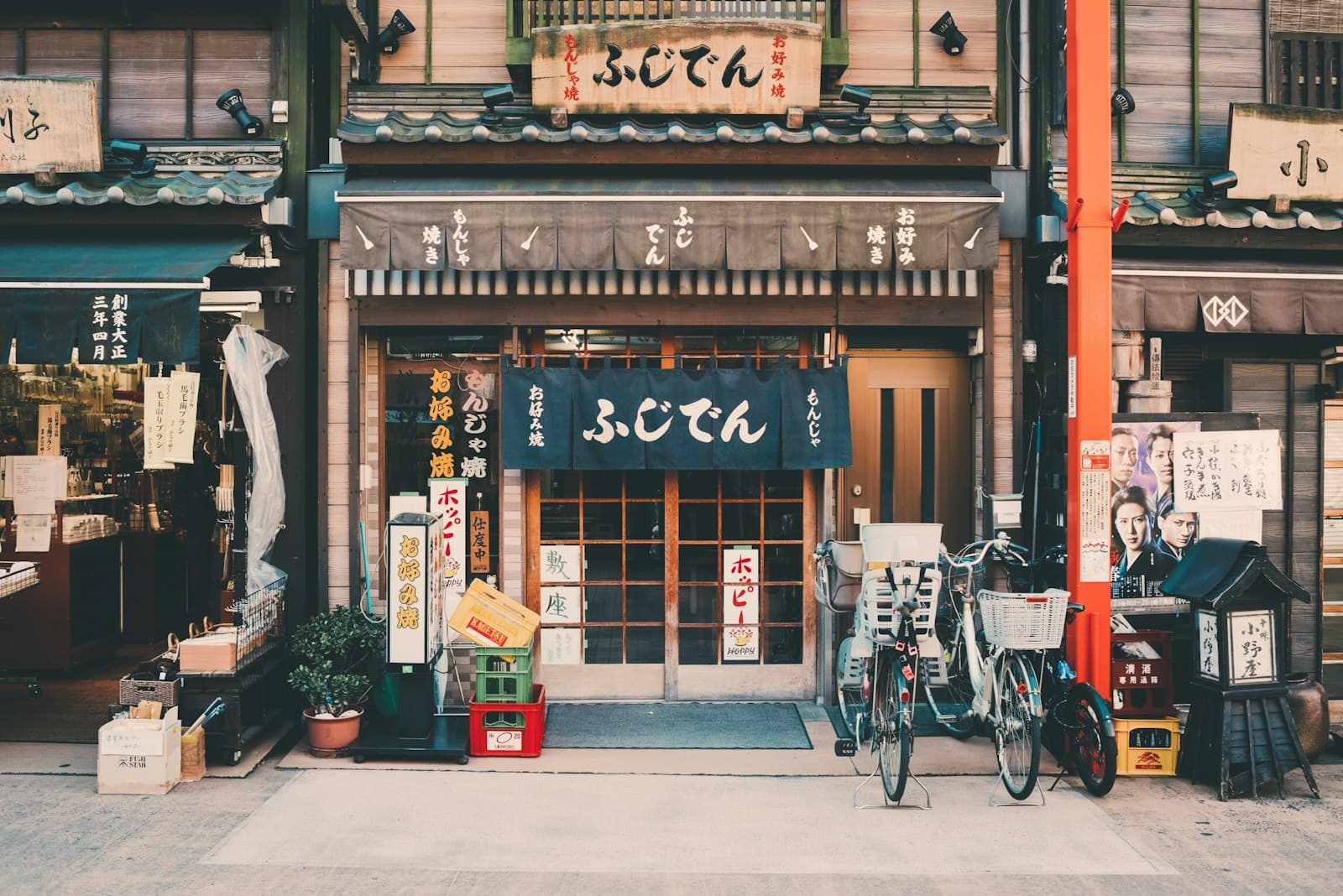
Haneda to Tokyo: Monorail, Keikyu, and When to Take a Car
How to get from Haneda Airport to Tokyo: Tokyo Monorail, Keikyu Airport Line, buses, and private transfers — times, connections, and first-timer tips.