
Suica vs Pasmo: Complete IC Card Guide for Japan 2026
Suica vs Pasmo: Both work identically on all trains, buses, stores nationwide. Get Suica for mobile wallet (iPhone/Android). Buy at airport, load ¥2,000-¥5,000, use everywhere in Japan.
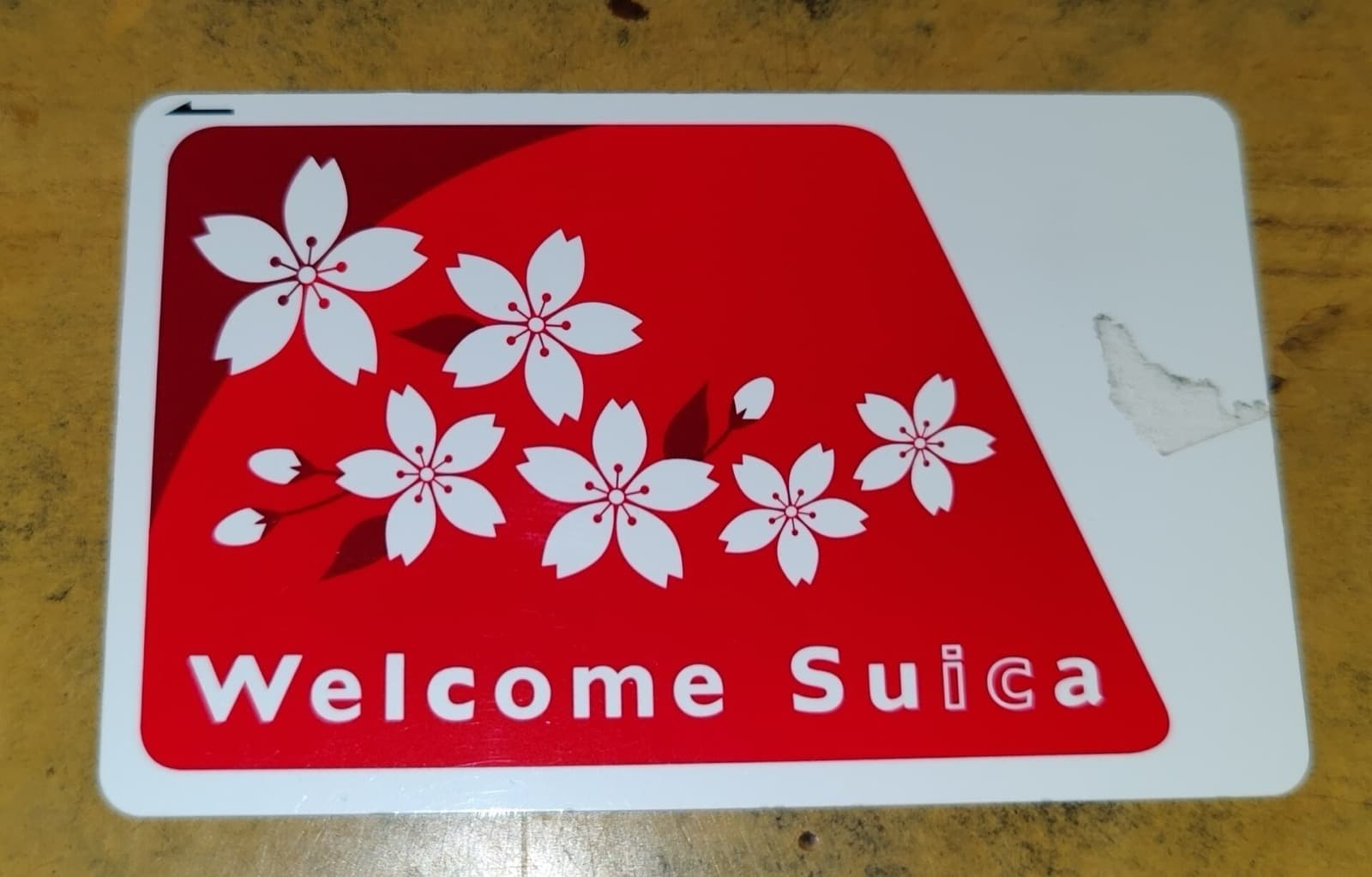
Suica and Pasmo are rechargeable IC cards that work on all trains, subways, buses, and thousands of stores across Japan. They're identical in function — the only difference is who issues them (JR East vs private railways). Get one within 10 minutes of landing at Narita or Haneda, and you won't touch cash for the rest of your trip.
Quick answer: Buy Suica if using mobile wallet (iPhone/Android). Buy Pasmo if you don't care and the machine is closer. Both work everywhere in Japan.
Arrival stack (pair these)
Do these in order on arrival day — each guide links the next:
- Visit Japan Web — immigration/customs QR before you land
- Narita vs Haneda — which airport and how into the city
- Best eSIM for Japan · eSIM vs pocket WiFi · eSIM setup — data on landing
- Suica / Pasmo · Mobile Suica on iPhone — trains, buses, konbini taps
Suica vs Pasmo: What's the Difference?
Short version: functionally identical. Both are accepted everywhere, work on all transit, and can be used at the same stores.
| Feature | Suica | Pasmo |
|---|---|---|
| Issued by | JR East (Japan Railways) | Private railway consortium (Tokyo Metro, etc.) |
| Where it works | All trains, subways, buses nationwide | All trains, subways, buses nationwide |
| Stores | Convenience stores, vending machines, restaurants | Identical to Suica |
| Refundable | Yes (¥220 fee) | Yes (¥220 fee) |
| Mobile wallet | Yes (iPhone, Android) | Yes (iPhone, Android) |
| Deposit | ¥500 | ¥500 |
| Tourist version | Welcome Suica (no deposit, expires 28 days) | Pasmo Passport (no deposit, expires 28 days) |
So Which One Should You Get?
- Use mobile wallet? → Get Suica (slightly easier setup on iPhone)
- Just want a card? → Whichever machine is closer
- Visiting for under 28 days? → Welcome Suica or Pasmo Passport (no deposit, but can't be refunded)
- Living in Japan? → Suica for commuter pass integration with JR lines, Pasmo if you commute on Tokyo Metro
How to Buy a Suica or Pasmo Card
At the Airport (Easiest)
Narita Airport:
- Machines in both Terminal 1 and Terminal 2 arrivals
- Look for "IC Card" or "Suica/Pasmo" buttons
- Available 24/7
Haneda Airport:
- International Terminal and domestic terminals
- Machines near train station entrances
- Also available at Tourist Information
At Any Train Station
- Find a ticket machine (black machines at JR stations = Suica, pink machines at Tokyo Metro = Pasmo)
- Press "English" button
- Select "Purchase new IC card"
- Choose amount: ¥1,000, ¥2,000, ¥3,000, etc. (includes ¥500 refundable deposit)
- Insert cash (machines accept ¥1,000 notes and coins)
- Card dispenses — ready to use immediately
Example: Buy ¥2,000 Suica → ¥500 is deposit, ¥1,500 is usable balance.
Mobile Wallet Setup (iPhone/Android)
iPhone (iOS):
- Open Wallet app
- Tap "+" → Transit Card → Suica
- Pay with Apple Pay (minimum ¥1,000)
- Card appears in Wallet — hold iPhone near gate reader
If Suica doesn't appear as an option, it's almost always a region-lock issue, not an account problem — see our Mobile Suica setup guide for the fix.
Android (Google Wallet):
- Open Google Wallet app
- Add transit card → Suica
- Purchase with linked payment method
- Card ready immediately
Advantage: No physical card, refill from phone, never lose it. Works even when phone battery is dead (uses NFC reserve power).
Tourist Cards (Welcome Suica / Pasmo Passport)
Specifically for short-term visitors:
- No ¥500 deposit
- Expires after 28 days from purchase
- Cannot be refunded or recharged after expiry
- Sold at airports, major stations, and tourist info centers
Good if you're visiting for 2–4 weeks and don't want to deal with refunding. Otherwise, regular Suica/Pasmo is better value.
How to Use Your IC Card
On Trains and Subways
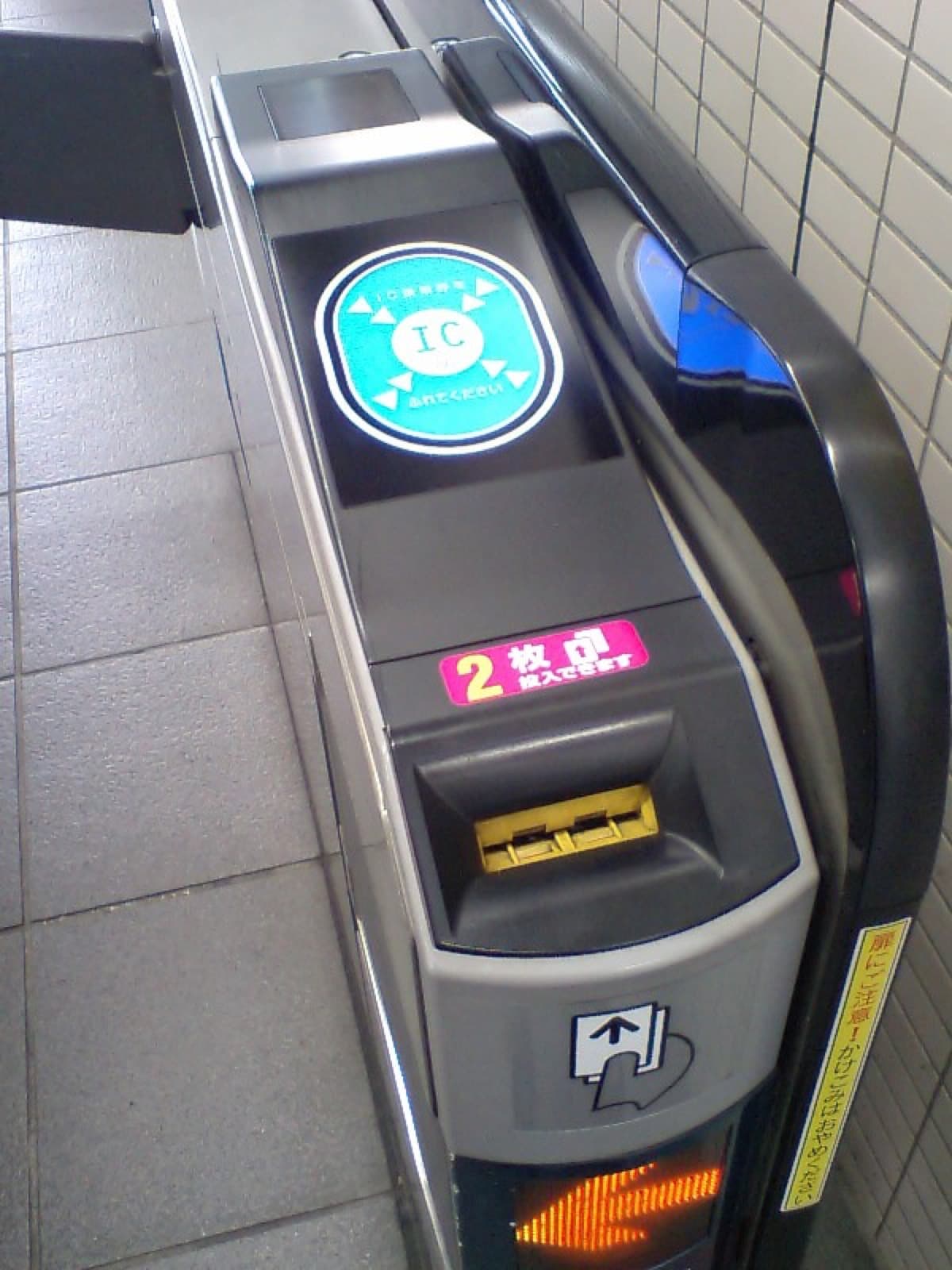
- Enter: Hold card over reader at ticket gate (look for blue IC card symbol)
- Listen for beep — green light = go through
- Exit: Touch card again at destination gate
- Fare automatically deducted
No need to select destination or buy specific tickets. The system calculates the fare based on entry/exit.
On Buses
- Touch card on reader when boarding (usually near driver or at back door)
- Touch again when exiting — fare deducted
- Some buses charge flat fare (touch once only)
At Stores and Vending Machines
Convenience stores (7-Eleven, Lawson, FamilyMart):
- Tell cashier "IC card please" or just hold card near reader
- Beep = payment complete
- Check receipt for remaining balance
Vending machines:
- Look for IC card symbol
- Hold card to reader
- Select drink
- Drink dispenses, balance deducted
Other places that accept IC cards:
- Restaurants (especially chains)
- Supermarkets
- Coin lockers (game-changer for luggage storage)
- Taxis (ask first: "IC card daijoubu desu ka?")
How to Refill (Charge) Your IC Card
At Ticket Machines
- Insert card into machine
- Press "Charge" or "Add Value"
- Select amount (¥500, ¥1,000, ¥2,000, etc.)
- Insert cash
- Card automatically updated
Maximum balance: ¥20,000
At Convenience Stores
Some convenience stores allow recharging at the register:
- Hand card to cashier
- Say "Charge please" (チャージお願いします – "chaaji onegaishimasu")
- State amount
- Pay cash
- Card charged instantly
Mobile Wallet Refill
iPhone: Wallet app → select Suica → Add Money → Apple Pay Android: Google Wallet → Suica → Top up
Can refill anywhere, anytime — huge advantage over physical card.
How to Check Your Balance
- At ticket gates: Balance displays on gate reader after you tap (briefly)
- At ticket machines: Insert card → "Check balance" button
- At convenience stores: Ask cashier to check, or look at receipt after purchase
- Mobile wallet: Open Wallet app (iPhone) or Google Wallet (Android)
How to Get a Refund
If you're leaving Japan and want your ¥500 deposit back:
At JR Station (for Suica)
- Go to JR ticket office (Midori-no-madoguchi)
- Say "Refund please" and hand over Suica
- Staff calculates: remaining balance + ¥500 deposit - ¥220 handling fee
- Receive cash
Example: ¥800 balance + ¥500 deposit - ¥220 fee = ¥1,080 refund
At Private Railway Station (for Pasmo)
Same process at Tokyo Metro or other private railway ticket offices.
Note: If balance is under ¥220, you lose it (fee exceeds balance). Use up balance before refunding.
Mobile Wallet Suica
Delete card from Wallet app → remaining balance refunded to original payment method (minus fees). Deposit automatically returned.
Commuter Passes (Teikiken) on IC Cards
If you're living in Japan and commuting regularly:
- Load commuter pass onto Suica/Pasmo at ticket machines
- Unlimited travel between two stations for 1, 3, or 6 months
- Cheaper than individual fares — pays for itself in ~20 rides/month
- Still use card for other lines outside commuter zone (balance deducted normally)
Setup: Ticket machine → "Commuter Pass" → input home/work stations → select period → pay.
IC Cards Outside Tokyo
Good news: Suica and Pasmo work on transit in most major cities:
- Osaka/Kyoto: Works on all trains, subways (ICOCA is the local equivalent, but Suica works)
- Hokkaido: Accepted in Sapporo (local card = Kitaca)
- Fukuoka: Accepted (local card = SUGOCA)
- Nagoya: Accepted (local card = manaca)
Limitations:
- Cannot transfer between incompatible systems (rare edge case)
- Some rural buses may not accept IC cards
- Shinkansen requires separate ticket (except some routes with IC integration)
Bottom line: One Suica or Pasmo covers 95% of Japan transit.
Tips and Tricks
Keep at least ¥1,000 balance — trains, subways, and buses won't let you exit if balance is too low for the fare. You'll need to add money at the exit gate.
Use IC card for coin lockers — most modern lockers accept IC cards instead of coins. Game-changer for luggage storage.
Child IC cards available — Half-price fares for kids 6–11 years old. Buy at ticket office (not vending machines).
Express train surcharges — IC card covers base fare, but some express trains (Narita Express, limited express) require separate tickets.
Transfer discounts — Some transfers between lines automatically apply discounts with IC card (cheaper than buying separate tickets).
Common Problems and Solutions
"Insufficient fare" at exit gate?
- Machine beeps red and won't open
- Go to "Fare adjustment machine" nearby
- Insert IC card
- Machine shows shortfall (e.g. ¥120)
- Insert cash to cover difference
- Card updated, exit gate opens
Lost your IC card?
- Physical card: Cannot be replaced (no registered info). Lost value is gone.
- Mobile wallet: Card is tied to account, can be remotely disabled and restored.
Card doesn't beep/read?
- Hold card flat against reader for 1 full second
- Don't tap quickly (common mistake)
- Check balance isn't ¥0
- Card may be damaged (replace at ticket office)
Forgot to tap out at exit?
- Your card is now "locked" with an incomplete journey
- Go to station staff, explain situation
- They manually adjust your card
- Try to always tap out — system needs entry/exit data
Alternatives to Suica/Pasmo
| Card | Issued By | Best For |
|---|---|---|
| ICOCA | JR West (Osaka/Kyoto/Kansai) | Living in Kansai region |
| Kitaca | JR Hokkaido | Living in Hokkaido |
| TOICA | JR Central (Nagoya) | Living in Nagoya |
| SUGOCA | JR Kyushu (Fukuoka) | Living in Kyushu |
All work interchangeably on major transit systems. Only matters if you live in that region and want a local commuter pass.
For tourists/short-term: Stick with Suica or Pasmo (most recognized, easiest to find support).
FAQ
Is Suica better than Pasmo? No functional difference. Both work on all trains, buses, and stores nationwide. Choose Suica for mobile wallet convenience (slightly easier setup), or Pasmo if the machine is closer.
How much money should I put on my Suica/Pasmo? Start with ¥2,000–¥3,000 (includes ¥500 deposit). Average Tokyo trip costs ¥300–¥600/day in transit. Refill as needed.
Can I use Suica on the bullet train (Shinkansen)? Only on specific routes with Smart-EX integration (Tokaido Shinkansen between Tokyo-Osaka). Most Shinkansen require separate tickets. IC card works for base fare on local JR lines only.
Do Suica and Pasmo expire? No. Cards remain valid for 10 years from last use. Unused cards can be refunded (minus ¥220 fee). Welcome Suica and Pasmo Passport expire after 28 days.
Can I share one IC card with multiple people? No. One card per person. Each person must tap individually at gates (turnstiles won't open twice for one card).
Which is better for tourists: IC card or JR Pass? IC card for flexible city travel (Tokyo, Kyoto, Osaka). JR Pass only worth it if taking multiple long-distance Shinkansen trips (e.g. Tokyo → Kyoto → Hiroshima). Most tourists benefit more from IC card + individual Shinkansen tickets.
Can I use my foreign credit card to add money to Suica? Not at machines (cash only). Mobile wallet Suica allows international credit cards via Apple Pay/Google Pay.
What happens if I take a train and my balance hits zero mid-journey? You won't be able to exit the gate. Go to the fare adjustment machine at the exit, insert IC card, add money to cover the fare, then exit.
Do I need a separate card for Kyoto and Osaka? No. Tokyo Suica/Pasmo works in Kyoto, Osaka, and most other cities. ICOCA is the Kansai equivalent, but you don't need it as a visitor.
Travel Desk
The Standard Japan
Trip planning: seasons and crowds, getting around, airports, where to stay, and the practical steps before and after you land.
Facts are taken from primary sources (operators, venues, official tourism and government pages) and dates and prices are checked on the day of writing. Pages are revised when those sources change.
Expertise
Seasonal crowds, transport and airports, itineraries, lodging, pre-trip logistics
Have a question or a correction?
Ask us anything about Suica vs Pasmo: Complete IC Card Guide for Japan 2026, or tell us what we got wrong. We reply within 24 to 48 hours.
The Standard Newsletter
Tokyo in your inbox. Weekly.
No algorithms curating your culture. No sponsored content disguised as journalism. Just the real Tokyo — the izakayas at 2am, the Harajuku kids who never made it to the algorithm, the ramen shop with no sign.
280+
Guides
Weekly
Editions
Free
Always
Join the underground.
One email a week. Unsubscribe anytime.
No spam. No sharing your data. Tokyo only.
Related Stories
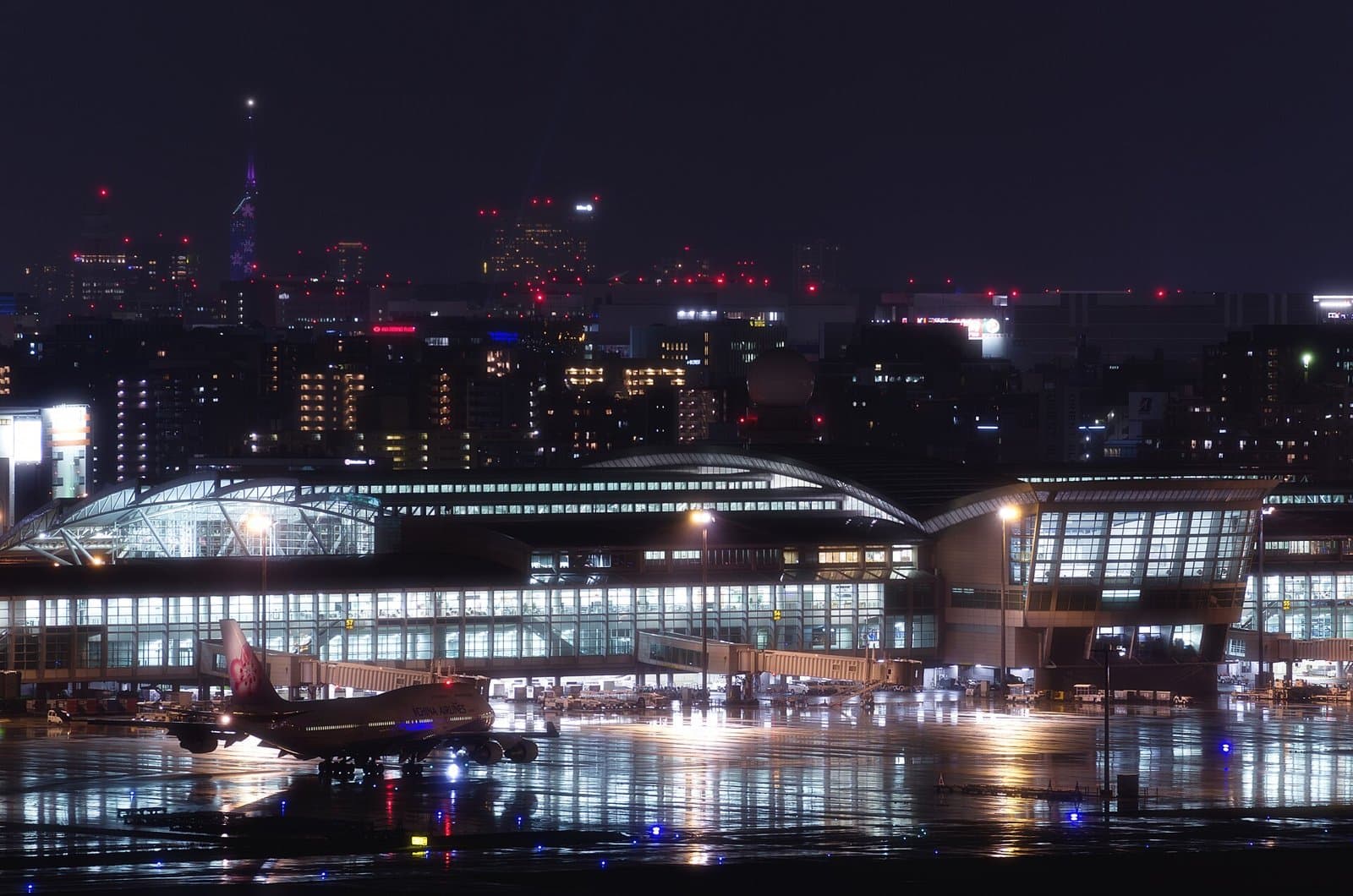
Fukuoka Airport to Hakata & Tenjin: Subway, Shuttle, Bus
Fukuoka's subway reaches Hakata in about 5 minutes, but only from the domestic terminal. International arrivals take a free shuttle or a direct bus.
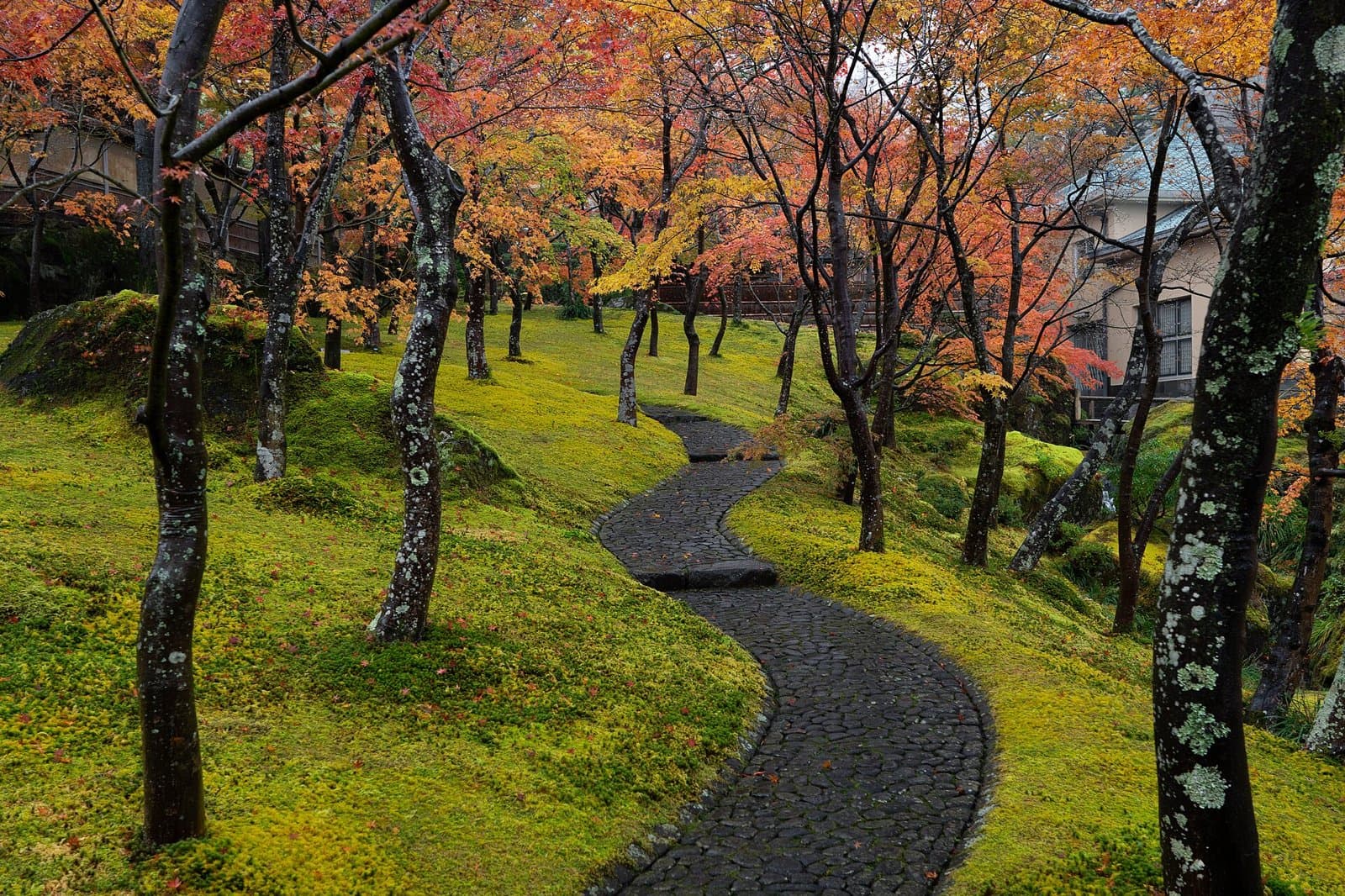
Hakone Autumn Leaves 2026: Crowds, Traffic, Timing
Hakone's colour moves downhill from late October to early December, and Nov 21–23 is a Japanese long weekend. Where to go, and when to move.
Kansai Airport to Kyoto & Osaka: Haruka, Rapi:t or Bus
From KIX, where you sleep decides the train: Haruka for Kyoto and Umeda, Nankai for Namba, the bus for late landings. Times, visitor fares, traps.