
25 Japan Travel Tips Locals Actually Use (Suica Cards, Cash, Tipping, Etiquette)
Essential Japan travel tips: Get Suica card at airport, carry ¥10,000-¥20,000 cash, never tip, download offline maps. 25 practical tips from Tokyo residents that save hours of confusion.
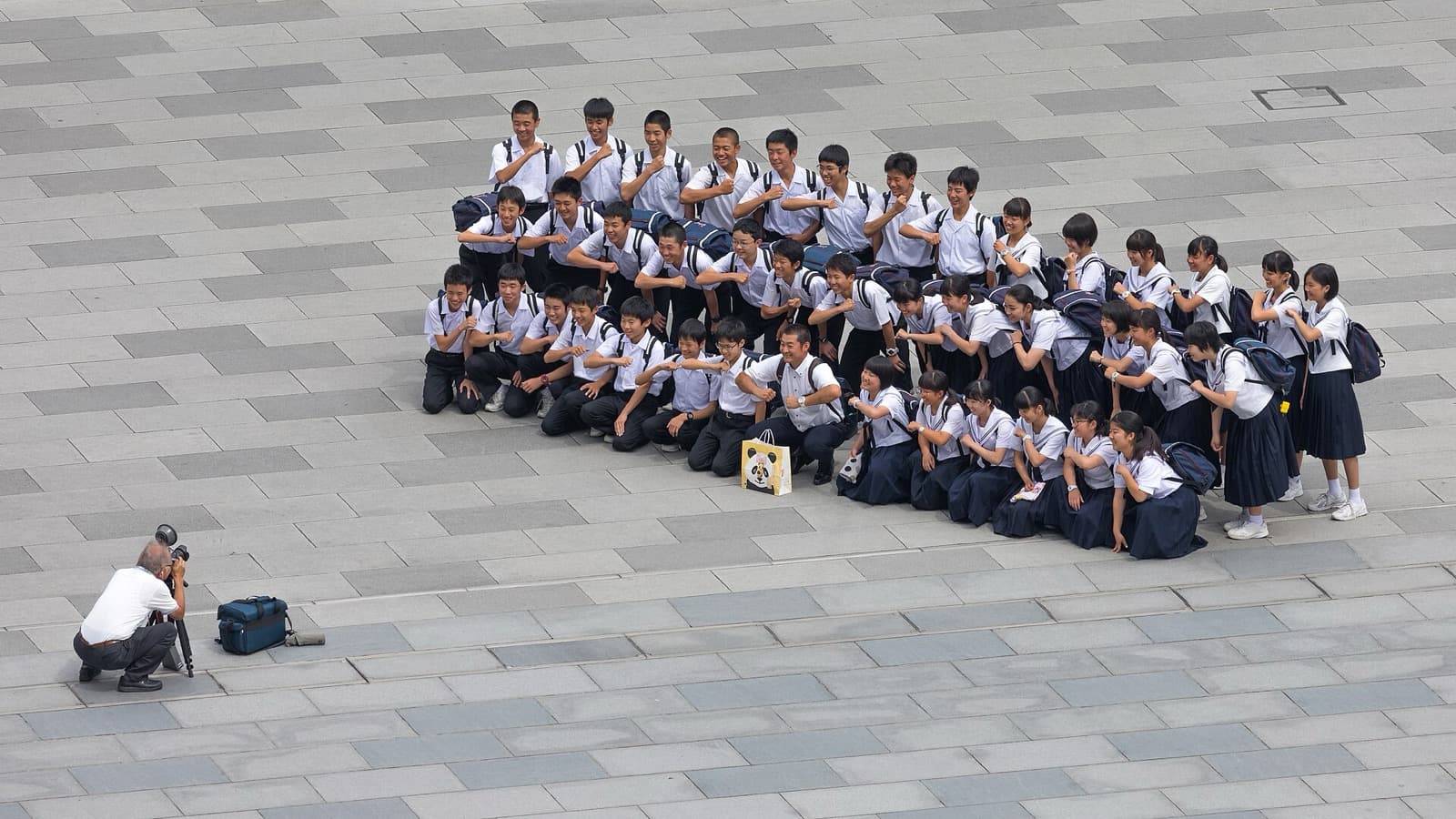
Japan travel tips from people who actually live here: get a Suica card at the airport, carry cash, download Google Maps offline before you land, and don't tip. Those four alone will save you hours of confusion.
Here are 25 more things worth knowing before you go.
Essential Planning Guides
Before diving into the tips, make sure you've covered the basics:
- When to visit Japan — Cherry blossom season vs autumn vs budget months
- How much does a Japan trip cost — Budget breakdown: $1,000-$2,300 for 10 days
- Where to stay in Tokyo — Neighborhood-by-neighborhood hotel guide
- Narita vs Haneda — Which airport and how to reach the city
- Suica vs Pasmo IC card guide — Get this at the airport before anything else
- Best eSIM for Japan — Data sorted before you fly; Airalo and Saily are both easy to buy directly
- Japan etiquette rules — What actually matters vs what doesn't
This article contains affiliate links. If you buy through one, we may earn a small commission at no extra cost to you.
Before You Fly
The full logistics — visas, insurance, when to book — are covered in our Japan Travel FAQ; the two things worth acting on immediately:
Get an IC card (Suica or Pasmo) at the airport. This rechargeable card pays for trains, subways, buses, and convenience stores across Japan. It's the single most useful thing you can carry. Available at Narita and Haneda airport vending machines.
Download Google Maps for offline use. Mobile data may be patchy in tunnels and rural areas. Save Tokyo, Kyoto, and anywhere you plan to explore before you leave.
Money
Carry ¥10,000–¥20,000 as a cash buffer (7-Eleven and Japan Post ATMs reliably accept foreign cards), and don't tip — full breakdown of where cards work and why tipping backfires in the cash vs. card guide and tipping guide. What's worth knowing beyond that:
Currency: Japanese Yen (¥). Exchange rates fluctuate — keep a rough mental conversion ready rather than checking every price against your home currency.
Getting Around
The mechanics of Suica, JR Pass math, and Google Maps navigation are in our Tokyo metro guide and JR Pass guide. Two things residents notice that first-timers don't:
Trains apologize for 30-second delays. If a Tokyo train announcement is apologizing for lateness, check the clock — it's often under a minute. If your train is more than a few minutes late, something serious has happened. Plan tight connections with this in mind rather than against it.
Taxis exist but are expensive, and that's by design. Tokyo taxis start at around ¥730. Locals use them only after trains stop for the night (past midnight) or for short trips with heavy luggage — not as a default option the way ride-hailing apps are elsewhere.
Etiquette
The full rulebook — bowing, escalator sides by city, shoes, chopstick taboos, shrine etiquette — is in our Japan etiquette guide. The one habit that trips up more first-timers than any single rule on that list:
Keep your voice down on trains, and don't take phone calls. Phone calls on the train are frowned upon in a way that surprises people from noisier train cultures. If you must take a call, keep it very brief and apologetic. Observe how quiet Japanese trains actually are — the silence is the etiquette, not an unwritten side note to it.
Food
Slurping noodles is correct. It aerates the broth and cools hot noodles. It's not rude — the absence of slurping is stranger in a ramen shop.
Point at what you want. If you can't read the menu, point at the plastic food display outside, the picture menu inside, or at what someone nearby is eating. Staff will understand.
Vending machines are everywhere and excellent. Hot and cold drinks, available 24 hours, at fixed prices. The hot coffee in a can (especially Boss Coffee) is a legitimate cultural experience.
Language
Learn ten words of Japanese. Irasshaimase means "welcome" (said to you; no response needed). Arigatou gozaimasu means "thank you." Sumimasen means "excuse me" and can open almost any interaction. Eigo wa hanasemasu ka means "do you speak English?" These will carry you further than you expect.
Google Translate's camera function translates menus in real time. Point your phone at a menu and it overlays translations. Works well for standard menus; less accurate for handwritten specials boards.
Health and Safety
Japan is very safe. Violent crime against tourists is exceptionally rare. You can walk anywhere in Tokyo at any hour with normal urban caution. The main risks are pickpocketing in very crowded tourist areas.
Pharmacies (yakkyoku) are everywhere. Staff may not speak English but can often understand written or translated descriptions of symptoms. Carry a translation of any chronic medication you take.
Earthquake preparedness. Japan has earthquakes. When one occurs: don't panic, get under a sturdy table, move away from windows, and follow local instructions. Your phone will receive an emergency alert (in Japanese) seconds before shaking begins.
FAQ
Do I need to speak Japanese to visit Japan? No. Major cities have English signage at train stations and tourist sites. Restaurants often have picture menus. Convenience stores, transit machines, and ATMs have English options. You'll manage fine without Japanese — though even ten words of the language will significantly improve your experience.
What should I pack for Japan? Comfortable walking shoes (you'll walk 15,000+ steps per day). A small day bag. Universal power adapter (Japan uses Type A plugs, same as the US, but lower voltage — check your electronics). Pocket wifi or SIM card (available at the airport). Basic medications — Japanese pharmacies may not carry your preferred brands.
For visa requirements, trip costs, credit card acceptance, best time to visit, and how many days to plan for, see the full breakdown in our Japan Travel FAQ.
Need Help with This?
Have questions about 25 Japan Travel Tips Locals Actually Use (Suica Cards, Cash, Tipping, Etiquette)? We're here to help. Send us a message and we'll get back to you within 24-48 hours.

Alex Rivera
Travel & Living Editor
Expat guide. Helps people actually move to and navigate Japan.
Moved from London to Tokyo in 2018. Went through the full gaijin experience—visa, housing, banking, the works. Now writes the guide he wished he had.
Tokyo
Expertise
Moving to Tokyo, expat life, travel, Kyoto vs Tokyo, onsen
The Standard Newsletter
Tokyo in your inbox. Weekly.
No algorithms curating your culture. No sponsored content disguised as journalism. Just the real Tokyo — the izakayas at 2am, the Harajuku kids who never made it to the algorithm, the ramen shop with no sign.
8K+
Subscribers
Weekly
Editions
Free
Always
Join the underground.
One email a week. Unsubscribe anytime.
No spam. No sharing your data. Tokyo only.
Related Stories
Japan in December 2026: Illuminations, Weather, New Year Crowds, and Tips
Japan in December 2026: Christmas illuminations, late foliage in Kyoto, cold dry weather, year-end crowds, and how to plan around New Year shutdowns.
Japan in November 2026: Peak Foliage, Weather, Crowds, and What to Book
Japan in November 2026: peak kōyō windows for Tokyo, Kyoto, Nikko, and Kawaguchiko — weather, crowds, what to wear, and what to book before maple season sells out.
Nikko Autumn Foliage 2026: Peak Timing, Itinerary, and Crowds
Nikko autumn foliage 2026: when maples peak around Chuzenji and Yumoto, how to day-trip from Tokyo, crowd strategy, and whether to DIY or book a guide.