
Kyoto vs Tokyo: Which City Should You Visit?
The eternal debate, settled — not with a winner, but with the clarity to help you understand what you're actually choosing between.

People ask this question constantly, and the most honest answer is: you're asking the wrong question. Tokyo and Kyoto are not competing versions of Japan. They're different countries sharing a language and a bullet train line.
But since you're asking, let's get into it.
What Tokyo Is
Tokyo is 14 million people operating at a density that shouldn't be survivable and somehow producing the highest quality of daily life on earth. It's efficient, overwhelming, constantly self-reinventing, and completely contemporary. The aesthetic is glass and light and tiny perfect things. The pace is relentless.
Tokyo rewards confusion. Getting lost in Shinjuku at midnight is a feature, not a bug. The city has more Michelin stars than any other city in the world. It also has the best convenience store onigiri in the world. The range is the point.
What Kyoto Is
Kyoto is 1,200 years of accumulated cultural capital concentrated into a walkable city. The temples are not decorative — they're active. The craft traditions are not preserved — they're practiced. The food culture is not nostalgic — it's considered the highest expression of Japanese cuisine.
Kyoto moves differently. Time operates differently. A morning at Fushimi Inari at 5am, before the tourists arrive, before the light changes, can feel genuinely sacred.
The Food Question
Tokyo: Volume, variety, excellence at every price point. The best ramen, the best sushi, the best tonkatsu, the best Italian — all within twenty minutes of each other. Also: the world's best convenience stores.
Kyoto: Depth, tradition, restraint. Kaiseki — the multi-course tasting menu that represents the height of Japanese cuisine — is fundamentally Kyoto. The vegetables are different. The dashi is different. The precision is different.
Verdict: Tokyo wins on variety. Kyoto wins on the specific experience of kaiseki and its satellites — the tofu shops, the wagashi confectioneries, the sake breweries that have been running for three hundred years.
The Culture Question
Tokyo: Contemporary culture at its absolute best. The art scene (Mori Art Museum, TeamLab, the commercial galleries in Minami-Aoyama). The fashion scene. The music scene. The subcultures that don't have names yet.
Kyoto: Historical culture at its absolute best. The 1,600+ temples and shrines. The preserved machiya townhouses. The geisha districts. The craft tradition (ceramics, lacquerware, textiles) that remains unbroken.
Verdict: Depends entirely on your relationship to time. Tokyo is now. Kyoto is a very long now that includes the past.
The Stay Question
One week in Japan: Four or five days in Tokyo, two or three in Kyoto. Kyoto is 2.5 hours from Tokyo by Shinkansen. This is the standard advice and it's standard because it's correct.
Two weeks in Japan: A week each. Extend the Kyoto time to include Nara (deer, ancient temples, 45 minutes away) and Osaka (the food city, 15 minutes by Shinkansen).
Repeated trips: First trip, balance as above. Subsequent trips, go deeper into one city. After three trips to Tokyo you'll have categories within categories — specific neighborhoods, specific shop types, specific food cultures — that require full weeks to explore.
The Crowd Question
Kyoto has an overtourism problem that has worsened significantly since the pandemic. In cherry blossom and autumn foliage season (late March–early April, November), certain neighborhoods become genuinely unpleasant. The geisha district of Gion now has rules against photographing geiko in the streets because tourists were harassing them.
Tokyo has tourists but absorbs them. The city is too large and too layered for any amount of tourism to disrupt its fundamental character.
Verdict: Visit Kyoto's major sites early morning or late afternoon. Avoid peak seasons if possible. Don't photograph people without permission.
FAQ
Is Kyoto safe for solo female travelers? Yes. Japan in general is remarkably safe. The main issues in Kyoto are crowds and pickpocketing in very congested tourist areas — the same general caution you'd apply anywhere.
Which city has better nightlife? Tokyo, definitively. Kyoto has a fine bar and restaurant scene but it's quieter and closes earlier. Tokyo's nightlife is essentially without parallel in Asia.
Can I do a day trip between them? Yes, but it's a long day. The Shinkansen is 2.5 hours each way. A day trip to Kyoto from Tokyo is possible but exhausting. If you're going to Kyoto, stay at least two nights.
Which city is more expensive? They're comparable. Tokyo has more budget options — capsule hotels, standing ramen, convenience store meals. Kyoto's most traditional experiences (kaiseki, ryokan) skew expensive. Accommodation in Kyoto is generally pricier in tourist season.
What's the best time to visit each city? Tokyo: Year-round, with spring (cherry blossoms) and autumn (foliage) as peaks. Summer is hot and humid but has excellent festivals. Kyoto: Avoid peak cherry blossom and autumn leaf season unless you book many months in advance. November and March are beautiful and crowded. Winter is cold but quiet and uncrowded.
Need Help with This?
Have questions about Kyoto vs Tokyo: Which City Should You Visit?? We're here to help. Send us a message and we'll get back to you within 24-48 hours.

Alex Rivera
Travel & Living Editor
Expat guide. Helps people actually move to and navigate Japan.
Moved from London to Tokyo in 2018. Went through the full gaijin experience—visa, housing, banking, the works. Now writes the guide he wished he had.
Tokyo
Expertise
Moving to Tokyo, expat life, travel, Kyoto vs Tokyo, onsen
The Standard Newsletter
Tokyo in your inbox. Weekly.
No algorithms curating your culture. No sponsored content disguised as journalism. Just the real Tokyo — the izakayas at 2am, the Harajuku kids who never made it to the algorithm, the ramen shop with no sign.
8K+
Subscribers
Weekly
Editions
Free
Always
Join the underground.
One email a week. Unsubscribe anytime.
No spam. No sharing your data. Tokyo only.
Related Stories
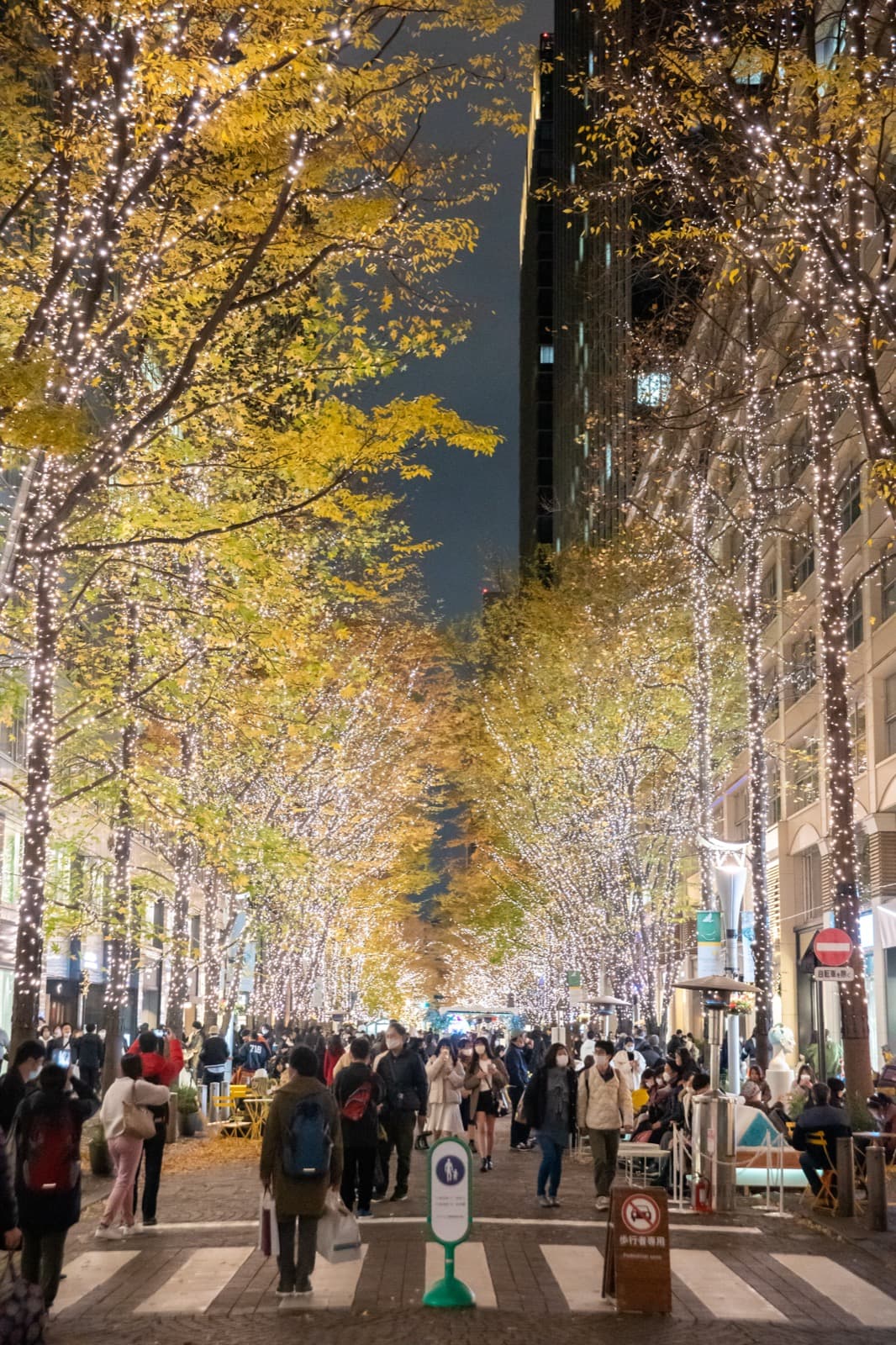
Japan in December 2026: Illuminations, Weather, New Year Crowds, and Tips
Japan in December 2026: Christmas illuminations, late foliage in Kyoto, cold dry weather, year-end crowds, and how to plan around New Year shutdowns.
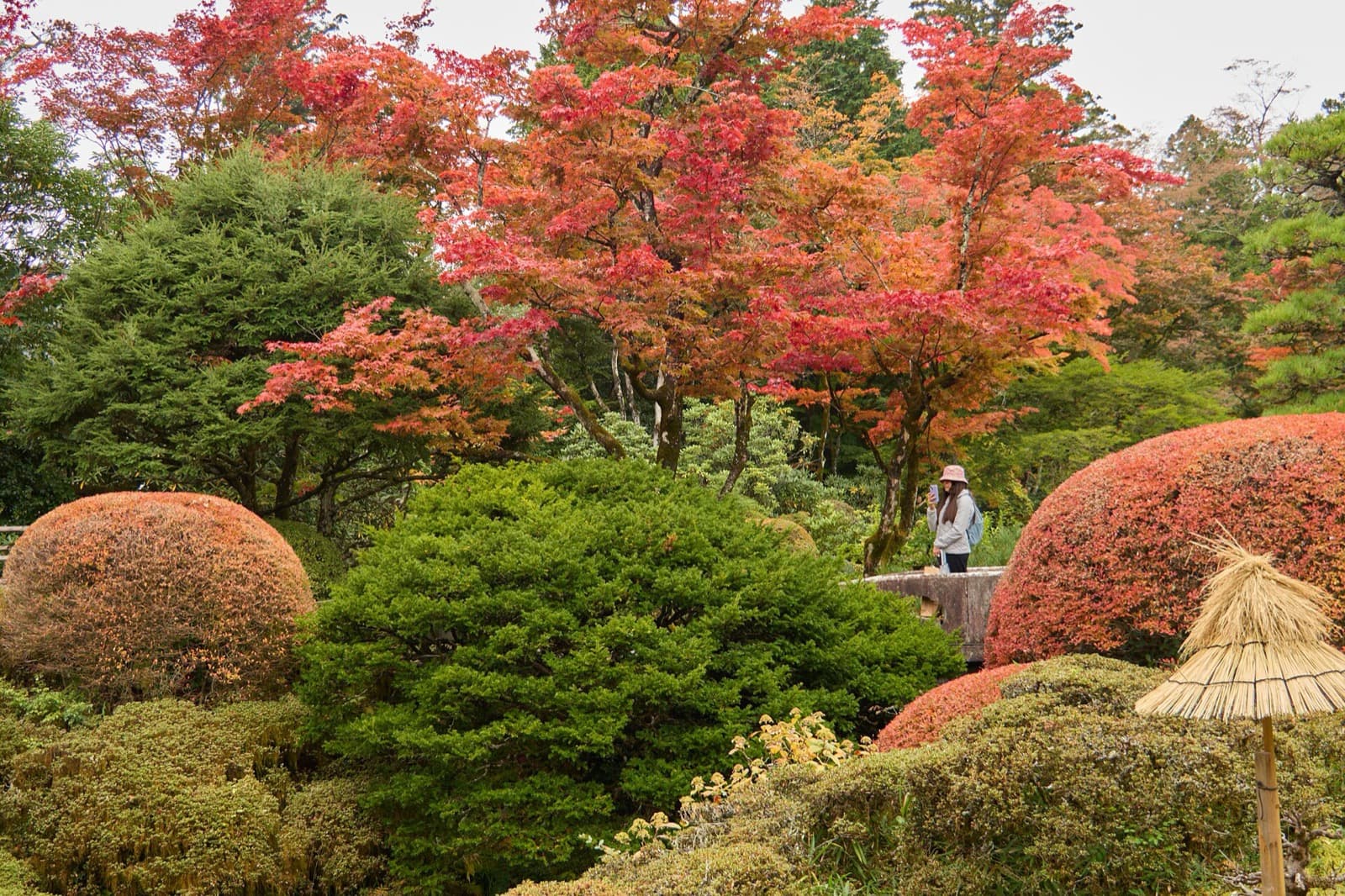
Japan in November 2026: Peak Foliage, Weather, Crowds, and What to Book
Japan in November 2026: peak kōyō windows for Tokyo, Kyoto, Nikko, and Kawaguchiko — weather, crowds, what to wear, and what to book before maple season sells out.
Nikko Autumn Foliage 2026: Peak Timing, Itinerary, and Crowds
Nikko autumn foliage 2026: when maples peak around Chuzenji and Yumoto, how to day-trip from Tokyo, crowd strategy, and whether to DIY or book a guide.