
2 Weeks in Japan: The Itinerary Locals Recommend (Tokyo, Kyoto, Osaka + Day Trips)
Japan itinerary for 2 weeks: 7 days Tokyo, 3 days Kyoto, 2 days Osaka, 2 days flexible. A practical, honest day-by-day plan from people who live there.

Two weeks in Japan: the ideal first trip. Long enough to go deep into Tokyo. Long enough for Kyoto to stop feeling like a performance. Enough time to miss trains, find the ramen shop with no sign, and develop opinions about which convenience store brand makes the better egg salad sandwich.
Here's how to use those two weeks.
Some links in this article are affiliate links. If you book through them, The Standard Japan may earn a commission at no additional cost to you.
The Framework
Days 1–7: Tokyo Days 8–10: Kyoto Days 11–12: Osaka Days 13–14: Flexible (Nara, Hiroshima, Hakone, or more Tokyo)
This is the standard Tokyo–Kyoto–Osaka circuit, which is standard because it works. If you only have one trip to Japan, this covers the essential range. The Shinkansen connects the cities in 2.5 hours.
Days 1–2: Tokyo Arrival and Recovery
Day 1: Land at Narita or Haneda. Get a Suica card at the airport. Take the train to your hotel. Do not try to sightsee on your arrival day — the flight is long, the time difference is significant. Go to the nearest convenience store, buy onigiri and canned coffee, walk around your neighborhood. Sleep.
Day 2: Slow start. Find a coffee shop (Fuglen in Harajuku, or any decent neighborhood café). Walk. Get oriented. A good first day involves exploring one neighborhood on foot: Shimokitazawa if you're interested in vintage and music; Yanaka if you want the old Tokyo; Harajuku for fashion; Nakameguro for the canal.
Dinner: Your neighborhood izakaya. Order beer and yakitori. Don't go to a famous restaurant on day two.
Days 3–4: Central Tokyo
Day 3: The essential Tokyo institutions.
- Morning: Tsukiji Outer Market for breakfast sushi (arrive before 10am)
- Midday: Walk across to Ginza, browse the galleries and department stores
- Afternoon: TeamLab Planets or Mori Art Museum (book tickets in advance for both)
- Evening: Roppongi or back to Shimokitazawa for dinner
Day 4: The other Tokyo.
- Morning: Asakusa, the old temple district (Senso-ji before 9am, before the crowds)
- Walk through Ueno, the museums and Ameyoko market
- Afternoon: Akihabara for electronics and manga culture, or Yanaka for crafts and old shop streets
- Evening: Somewhere in Shinjuku — the biggest, most chaotic, most Tokyo neighborhood
Days 5–6: Deep Tokyo
Day 5: Fashion and culture districts.
- Harajuku: Takeshita Street, then the vintage shops in Ura-Harajuku
- Omotesando: The luxury boulevard, the Omotesando Hills shopping complex, the galleries
- Daikanyama: The book culture (Tsutaya Books), coffee, boutiques
- Nakameguro: The canal, dinner along the water
Day 6: Personalize. By now you've developed specific interests. Follow them.
- Ramen obsessives: Second ramen day. Compare shops, go deeper on one style.
- Fashion people: Harajuku vintage stores all day, ending at Beams or Dover Street Market
- Art people: The gallery strip in Minami-Aoyama (Tomio Koyama, ShugoArts, Blum)
- Food people: A depachika (department store basement food hall) tour
Evening of Day 6: Tokyo from above. Tokyo Skytree or the free Tokyo Metropolitan Government Observatory in Shinjuku (free, closes at 10:30pm on most days).
Day 7: Hakone Day Trip or Rest
Option A: Hakone day trip. 90 minutes from Shinjuku. Views of Mt. Fuji (weather dependent), hot springs, the Open Air Museum, excellent food. Take the Romancecar limited express. Be back in Tokyo by 9pm.
Option B: Rest and eat. One more neighborhood you haven't hit. A specific restaurant you've been trying to book. A longer sleep. Markets.
Pack for the train journey tonight or early the next morning.
Days 8–10: Kyoto
Get there: Shinkansen from Tokyo station to Kyoto, 2 hours 20 minutes. Luggage can be sent ahead via takkyubin (courier service) from your Tokyo hotel to your Kyoto accommodation — this is worth doing so you travel light.
Day 8: East Kyoto
- Arashiyama bamboo grove — go at 7am before the crowds
- Tenryu-ji temple garden
- Afternoon: Gion district, walk Hanamikoji Street (geisha district)
- Evening: Dinner at a restaurant near Gion — kaiseki if your budget allows; excellent soba if it doesn't
Day 9: The Temples
- Fushimi Inari (the thousands of torii gates) — arrive at 6am for the correct experience. The main path takes 2–3 hours to the top
- Nishiki Market ("Kyoto's kitchen") for lunch and snacks
- Afternoon: Philosopher's Path (a canal walk) to Nanzen-ji temple
- Evening: A cocktail bar in the Kawaramachi/Pontocho area
Day 10: Nara or North Kyoto Option A: Nara (45 minutes by limited express). Wild deer that bow for crackers, the enormous Todai-ji temple housing Japan's largest bronze Buddha, quiet forest walks.
Option B: North Kyoto — Kinkaku-ji (Golden Pavilion, impossibly photogenic, genuinely beautiful), Ryoan-ji (the definitive Zen rock garden), Ninnaji.
Evening: Shinkansen or train to Osaka (15 minutes) — stay in Osaka for the final days.
Days 11–12: Osaka
Osaka exists to eat and drink. The city's self-image is built around food, and the self-image is accurate. Budget accordingly.
Day 11: Dotonbori and eating
- Morning: Kuromon Market, the city's indoor food market — oysters, crab, grilled skewers at 10am
- Dotonbori canal walk: the neon, the crowds, the takoyaki from the original Dotonbori Kukuru stand
- Afternoon: Shinsaibashi shopping street
- Evening: Standing sushi bar dinner, then drinks in Amerikamura
Day 12: The other Osaka
- Osaka Castle in the morning (gardens are free; museum has an admission fee)
- Shinsekai: the retro entertainment district with kushikatsu (breaded and fried skewers — Osaka's street food signature)
- Tennoji: The enormous covered shotengai (shopping arcade)
- Final dinner: Okonomiyaki, Osaka style (layered, with noodles, the correct version)
Days 13–14: Flexible
Option A: Return to Tokyo. Two more days in the city you now understand better. Go back to the ramen shop. Find the jazz bar. Buy the thing you almost bought on Day 5.
Option B: Hiroshima + Miyajima. Shinkansen from Osaka, 1 hour 20 minutes. The Peace Memorial Museum is one of the most important places in Japan. Miyajima Island (30-minute ferry) has the floating torii gate at high tide.
Option C: Fukuoka. Japan's most liveable city, increasingly its hippest. Shinkansen from Osaka, 2 hours 20 minutes. The tonkotsu ramen (Ichiran, Ippudo, and dozens of local shops), the canal-side restaurants, the compact walkable neighborhoods.
Packing for the Circuit
- One checked bag, sent ahead via takkyubin between cities
- One carry-on for trains and day trips
- Comfortable walking shoes — you will walk 15,000 steps a day
- Light layers — Japan's weather changes; dress for morning and carry an adjustment for afternoon
FAQ
Is 2 weeks enough for Japan? Yes, for a first visit. Two weeks covers Tokyo, Kyoto, and Osaka with enough time to go beyond the tourist circuit in each. You'll leave wanting more — that's appropriate. Most people who love Japan go back.
Should I pre-book everything? Restaurants: book the ones you care most about (2–4 weeks ahead for popular spots; months ahead for famous counters). Accommodation: book as early as possible, especially for cherry blossom or autumn foliage season. Shinkansen: reserved seats recommended for busy routes and periods; unreserved cars work fine otherwise. Attractions: TeamLab, DisneySea, and major special exhibitions require advance booking.
What does 2 weeks in Japan cost? Budget estimate: $3,000–$5,000 USD per person including flights, accommodation (mid-range hotels), food, transport, and activities. This varies enormously based on flight origin, hotel choice, and eating habits. You can do it for less (capsule hotels, convenience store meals); you can spend far more (ryokan, kaiseki dinners).
How do I get between cities? Shinkansen. Tokyo to Kyoto: ¥13,320 (non-reserved) to ¥14,170 (reserved), 2 hours 20 minutes. Kyoto to Osaka: ¥1,420, 15 minutes. Consider a JR Pass if you're doing the full circuit plus additional destinations — it pays off for two weeks of serious inter-city travel.
What if I only have one week? Tokyo only, or 4 days Tokyo and 3 days Kyoto. Don't try to rush between three cities in a week. Better to go deep on one or two places than to tick off everything at speed.
Need Help with This?
Have questions about 2 Weeks in Japan: The Itinerary Locals Recommend (Tokyo, Kyoto, Osaka + Day Trips)? We're here to help. Send us a message and we'll get back to you within 24-48 hours.

Alex Rivera
Travel & Living Editor
Expat guide. Helps people actually move to and navigate Japan.
Moved from London to Tokyo in 2018. Went through the full gaijin experience—visa, housing, banking, the works. Now writes the guide he wished he had.
Tokyo
Expertise
Moving to Tokyo, expat life, travel, Kyoto vs Tokyo, onsen
The Standard Newsletter
Tokyo in your inbox. Weekly.
No algorithms curating your culture. No sponsored content disguised as journalism. Just the real Tokyo — the izakayas at 2am, the Harajuku kids who never made it to the algorithm, the ramen shop with no sign.
8K+
Subscribers
Weekly
Editions
Free
Always
Join the underground.
One email a week. Unsubscribe anytime.
No spam. No sharing your data. Tokyo only.
Related Stories
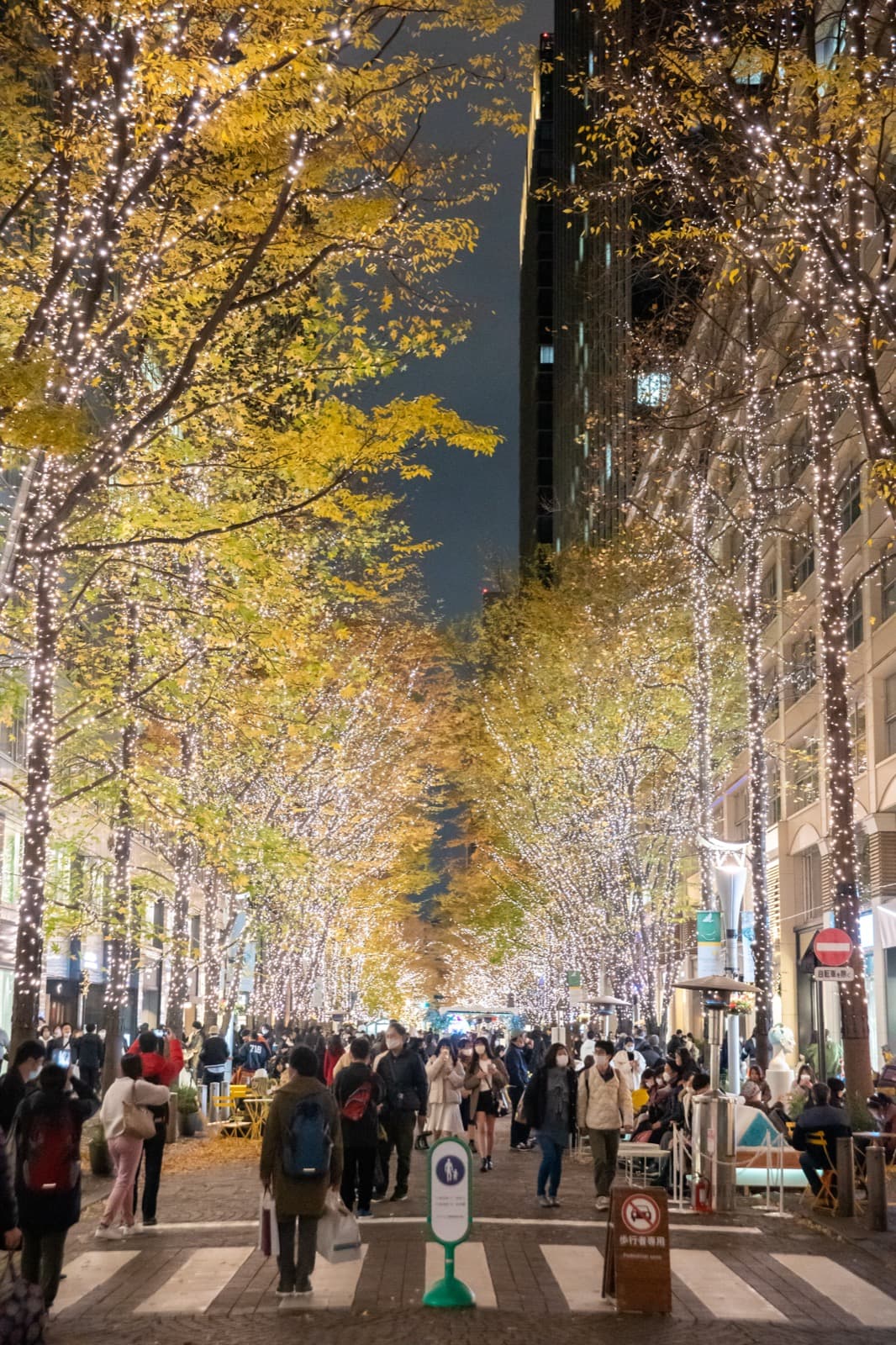
Japan in December 2026: Illuminations, Weather, New Year Crowds, and Tips
Japan in December 2026: Christmas illuminations, late foliage in Kyoto, cold dry weather, year-end crowds, and how to plan around New Year shutdowns.
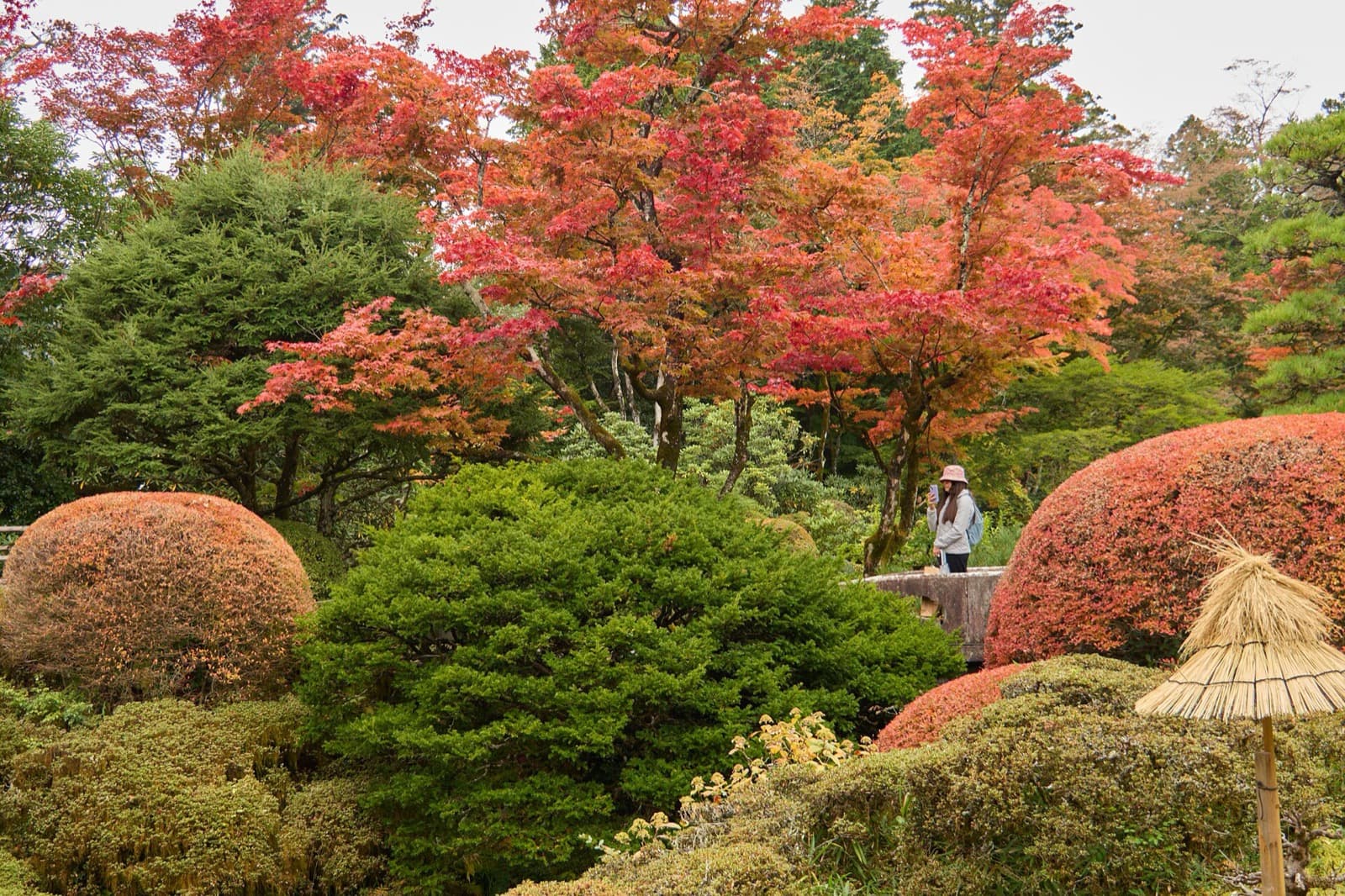
Japan in November 2026: Peak Foliage, Weather, Crowds, and What to Book
Japan in November 2026: peak kōyō windows for Tokyo, Kyoto, Nikko, and Kawaguchiko — weather, crowds, what to wear, and what to book before maple season sells out.
Nikko Autumn Foliage 2026: Peak Timing, Itinerary, and Crowds
Nikko autumn foliage 2026: when maples peak around Chuzenji and Yumoto, how to day-trip from Tokyo, crowd strategy, and whether to DIY or book a guide.