
Japan Train Etiquette: Rules Every Traveler Should Know (2026)
Japan train etiquette in 2026: quiet cars, priority seats, line-up rules, and Suica basics. What to do on Tokyo metro, JR, and shinkansen — clearly explained.
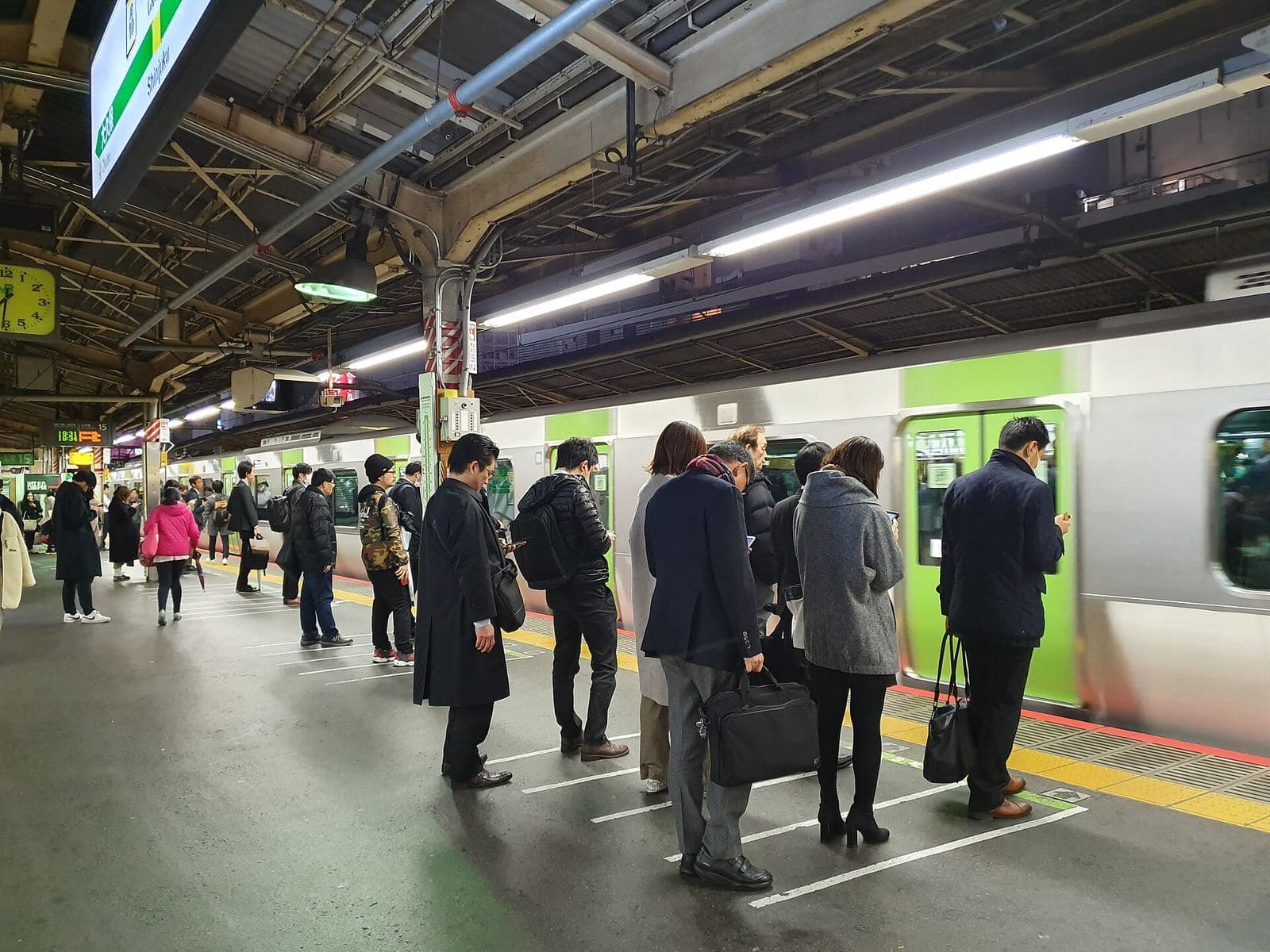
Japan train etiquette in 2026: stand on the correct escalator side (left in Tokyo, right in Osaka), queue at platform markings, silence phone calls, avoid eating on crowded commuter trains, and yield priority seats to anyone who needs them. Trains are Japan's circulatory system — respect the rules and you'll move faster than any tourist fighting them.
This guide answers what people actually search before their first ride. Technical how-to lives in our Tokyo metro guide; this is behavior, norms, and the unwritten rules locals enforce with stares.
The Essentials (Read This First)
| Rule | Do | Don't |
|---|---|---|
| Phone calls | Silent mode; text | Take calls on train |
| Voice volume | Quiet conversation | Loud laughter, videos without headphones |
| Priority seats | Offer if anyone needs | Occupy when elderly/pregnant/injured standing |
| Queueing | Line up at platform marks | Rush doors before passengers exit |
| Bags | Hold backpack in front | Wear bulky pack in crowded car |
| Eating | OK on long-distance, discreet | Strong-smelling food on rush-hour commuter |
| Women-only cars | Respect hours (often rush hour) | Enter as male during designated times |
Before You Board: Stations and IC Cards
Suica / Pasmo / ICOCA — Tap in, tap out. No ticket fumbling. Load at machines or phones (Apple Wallet works for many visitors in 2026). Full setup: how to use Tokyo metro.
Queue at the marks — Platforms show where doors open. Line up in two rows; let exiting passengers off first (senpai ga saki — literally "off before on").
Stand clear of closing doors — Tokyo trains are punctual; staff and locals have zero patience for door holders.
Last trains — Typically midnight–12:30am in Tokyo; earlier in rural areas. Miss it → taxi (expensive) or wait until 5am. Plan nights in Golden Gai accordingly.
On Commuter Trains (Metro, JR Urban)
Priority Seats (優先席)
Marked in a different color (often orange). Legally and culturally for elderly, injured, pregnant, and people with disabilities.
If you sit there: Look up. Offer the seat if someone needs it — don't wait to be asked. Many locals prefer to stand rather than take priority seats; tourists should mirror that humility.
Women-Only Cars
Some lines run women-only cars during rush hour (morning/evening). Signs show times and car numbers. Men entering during those windows get stared down or politely redirected.
Rush Hour (7–9am, 5–7pm)
Reality: Trains are packed. Station staff may push passengers aboard (oshiya still exists at a few hubs).
Backpack rule: Take it off and hold in front — you're wearing a weapon otherwise.
No eating, no makeup application controversies — Eating is the main tourist mistake; smells in a sealed car are brutal.
Silence — Normal. Commuters sleep, read, phone-scroll. Not unfriendly — respectful density.
On Shinkansen and Long-Distance JR
Different social contract — more relaxed.
Eating: Allowed and expected. Ekiben (station bento) is part of the experience. Buy before boarding at Tokyo, Kyoto, or Osaka stations.
Luggage: On the Tokaido, Sanyo and Kyushu Shinkansen, bags with total dimensions (length + width + height) over 160 cm need a reservation for a seat with an oversized-baggage area, or you pay a ¥1,000 fee on board; bags over 250 cm aren't allowed. Smaller suitcases go on the overhead rack. If you're moving between cities with big bags, send them ahead with luggage forwarding.
Reserved vs non-reserved: Non-reserved cars (指定席なし) mean queue early during holidays (Golden Week, Obon, New Year). See 2-week itinerary for holiday warnings.
Green Car — JR premium class; pay extra, quieter, more space. Not required for most tourists.
Noise: Still lower than Western trains. Phone calls in vestibules only.
Link: How much does Japan cost for shinkansen pricing vs buses.
Escalator and Stair Culture
| City | Stand Side | Walk Side |
|---|---|---|
| Tokyo | Left | Right |
| Osaka | Right | Left |
Tourists blocking the walk side are a top local annoyance. If unsure, stand and let people pass. Railway companies and some cities, including Saitama and Nagoya by ordinance, now ask everyone to stand still on both sides for safety, so you may see people standing on both sides, especially at stations with signs asking for it.
What About Talking, Kids, and Strollers?
Talking: Quiet is default; not silent. Don't perform podcast volume.
Kids: Japanese society tolerates children more than many Western cities — but parents still manage noise. Running in cars is rare.
Strollers: Fold when possible in rush hour; use elevators (not always near every stair). Many stations have added accessibility since 2020 — still imperfect in older stations.
Shinkansen-Specific Etiquette
- Seat assignment — Match ticket; don't swap without staff OK.
- Cleaning — Crew may sweep between stops on long routes; don't leave trash.
- Smoking — Not on trains; some stations have rooms.
- Alcohol — Allowed; don't get visibly drunk and loud.
Common Tourist Mistakes (And Fixes)
- Talking on phone → Step to vestibule or wait for station.
- Eating ramen on Yamanote at 8am → Wait until off-peak or long-distance.
- Sitting in priority with obvious need nearby → Stand up immediately.
- Blocking door → Move inside car; don't camp at doors.
- Not letting people off → Step aside before boarding.
- Lost IC card → Staff at ticket office can help; carry backup cash.
Entity Map: Transport Connects to Everything
Train etiquette isn't isolated — it's the spine of Japan travel:
- Planning → Japan itinerary, solo travel Japan
- Cities → Tokyo vs Osaka, Kyoto guide
- Culture → Etiquette rules, onsen etiquette
- Budget → Budget travel 2026
FAQ
Can you eat on trains in Japan? On shinkansen and long-distance, yes — ekiben is normal. On crowded Tokyo commuter trains, avoid it.
Are phone calls allowed on Japanese trains? Generally no in the car; use the vestibule between cars if urgent.
Do I need to give up my seat in Japan? Offer priority seats to anyone who clearly needs them. Offering to elderly on regular seats is appreciated but not always expected.
What is women-only train car in Japan? Designated cars during rush hours for comfort; check platform signs for times.
Is Japan train etiquette different from metro? Same core rules; shinkansen allows more eating and conversation at low volume.
Which side do you stand on escalators in Tokyo? Stand left, walk right in Tokyo; reversed in Osaka.
Do tourists need a JR Pass in 2026? Not for most Tokyo–Kyoto–Osaka trips — calculate routes individually. See budget travel guide.
Travel Desk
The Standard Japan
Trip planning: seasons and crowds, getting around, airports, where to stay, and the practical steps before and after you land.
Facts are taken from primary sources (operators, venues, official tourism and government pages) and dates and prices are checked on the day of writing. Pages are revised when those sources change.
Expertise
Seasonal crowds, transport and airports, itineraries, lodging, pre-trip logistics
Have a question or a correction?
Ask us anything about Japan Train Etiquette: Rules Every Traveler Should Know (2026), or tell us what we got wrong. We reply within 24 to 48 hours.
Related Stories

How to Use the Tokyo Metro: Tickets, IC Cards, and Rush Hour Survival
How to use the Tokyo Metro: get a Suica, tap in, find your platform, tap out. It's simpler than it looks. Tickets, IC cards and rush hour explained.
Tokyo to Kyoto: Shinkansen, Bus, or Flight? (Cost and Time Compared)
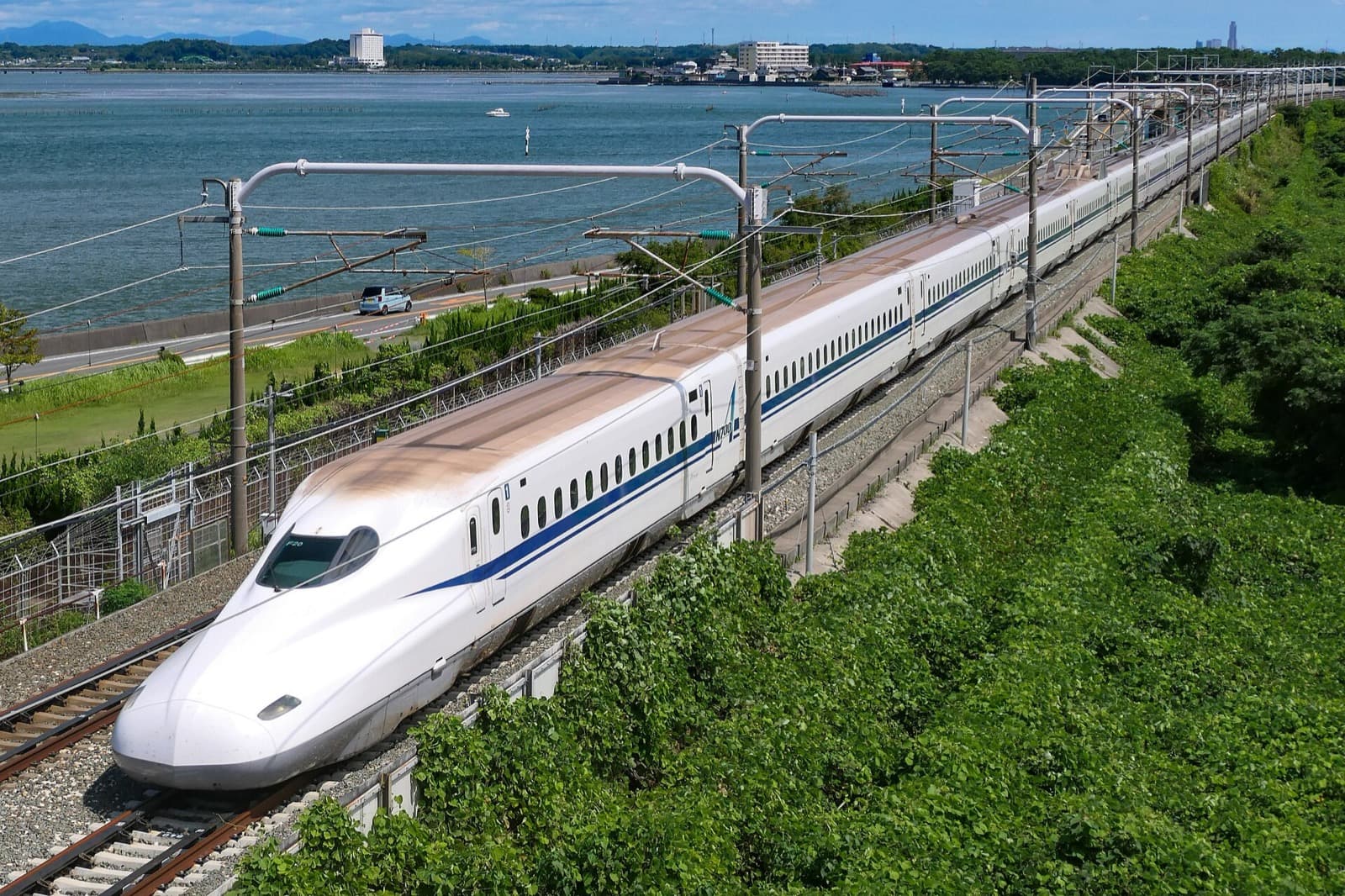
Tokyo to Kyoto takes 2 hours 15 minutes by shinkansen (¥14,170), 7-8 hours by night bus (¥4,000-¥8,000), or is covered by the JR Pass. Complete comparison of every option.
25 Japan Travel Tips Locals Actually Use (Suica Cards, Cash, Tipping, Etiquette)
Practical Japan travel tips: get a Suica at the airport, carry ¥10,000–¥20,000 in cash, don't tip, download offline maps. The things that save hours.