
Golden Gai Opening Hours, Cover Charges and First-Timer Bars
Golden Gai opens around 8pm and closes per bar between 2am and 5am — there is no alley-wide last call. Cover runs ¥500–1,500. Which of the nearly 300 bars welcome first-timers.
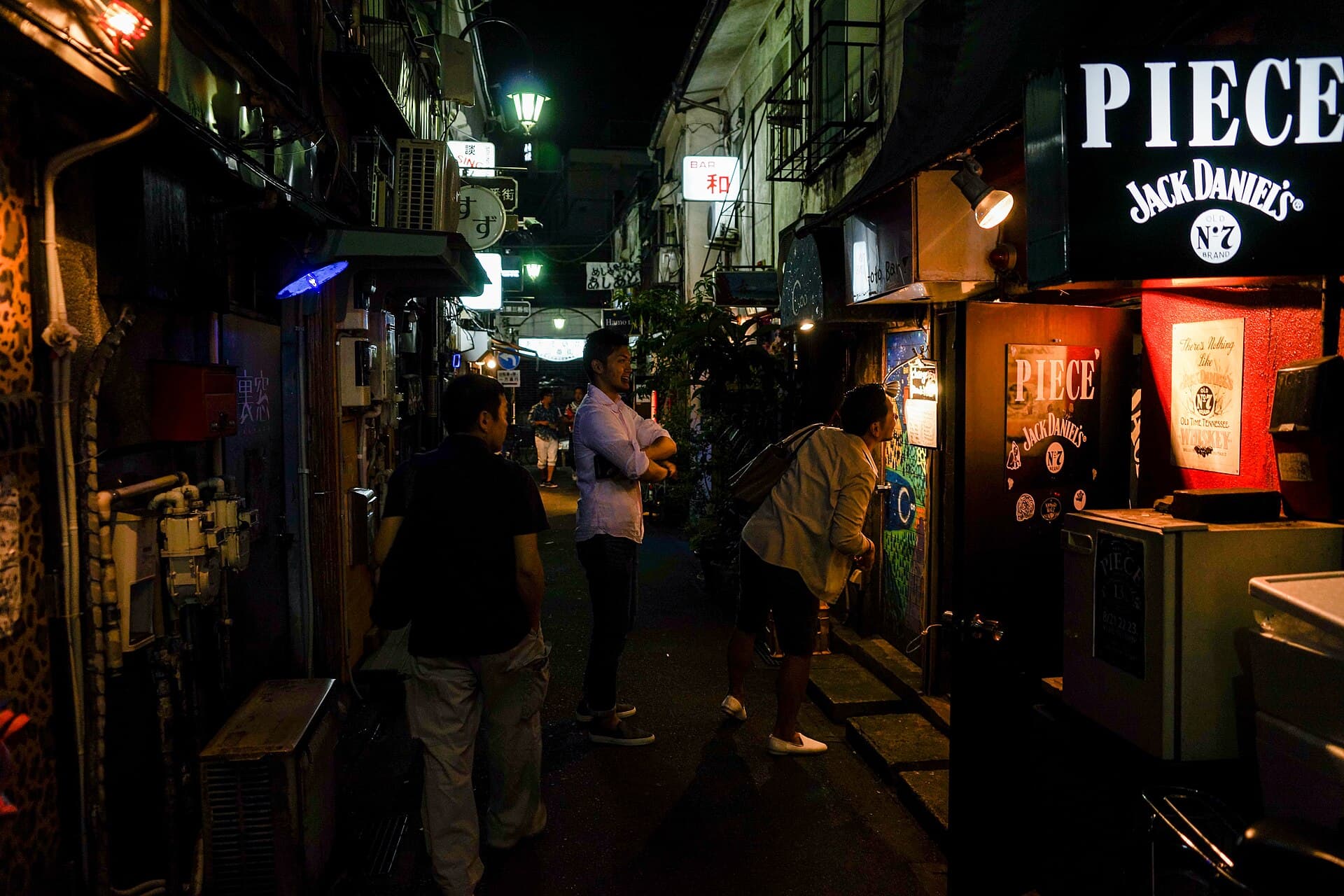
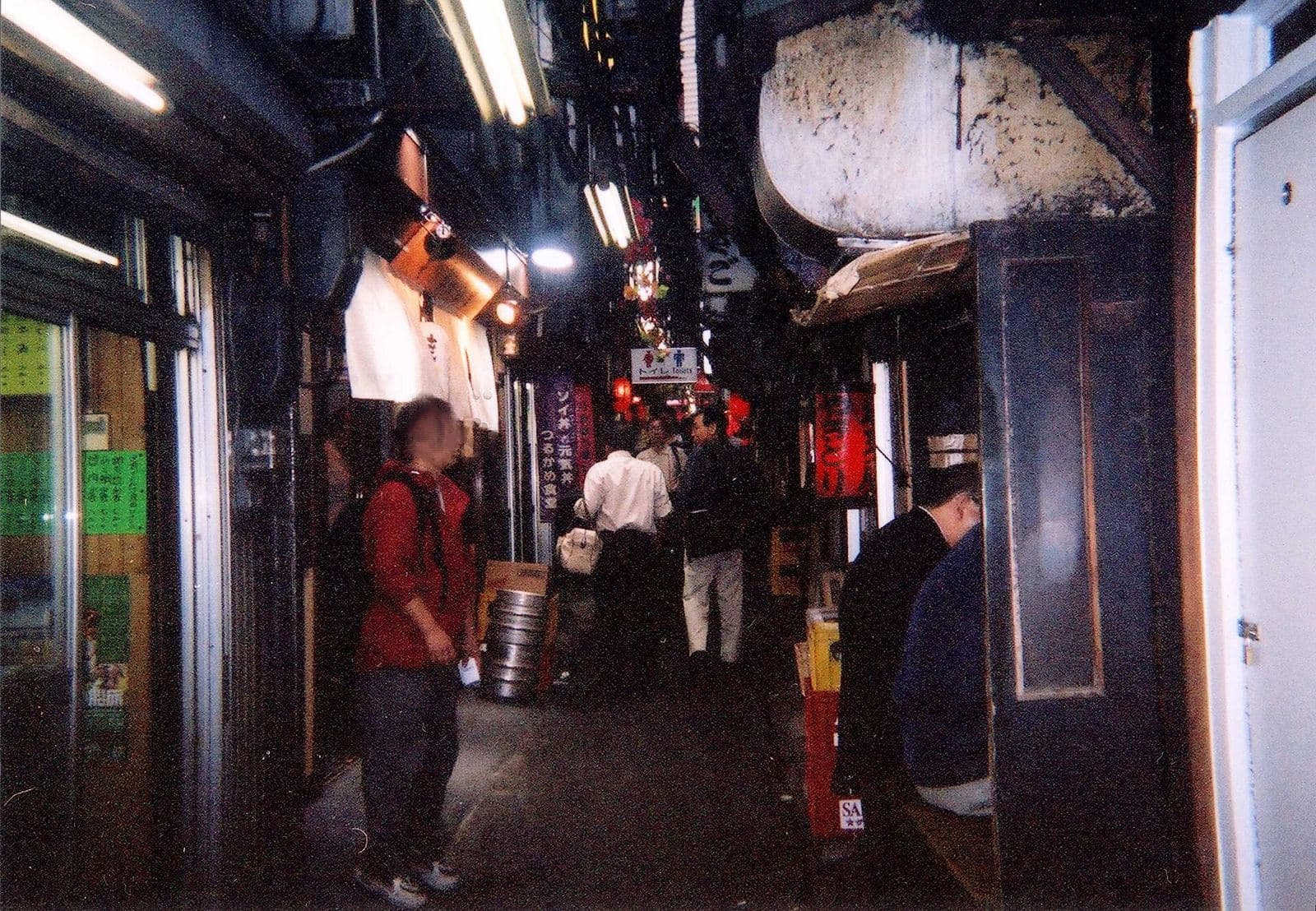
Golden Gai is a grid of six narrow alleys in Shinjuku holding nearly 300 bars (per Albatross G's own site), most seating 5–10 people. It is Tokyo nightlife compressed into a postcard — neon, smoke (in smoking bars), regulars, and tourists who either get it or get turned away at the door.
Direct answer: Go on a weekday after 9pm, expect ¥500–1,500 cover at many bars, read the door signs (tourists welcome vs regulars only), and treat it as culture — not a pub crawl where every door must open. Closing time is per bar, usually somewhere between 2am and 5am; there is no alley-wide last call.
This sits next to izakaya culture, best izakaya Tokyo, Tokyo jazz bars, and Tokyo rooftops for the opposite end of the night — height and champagne vs six seats and a master behind the counter.
Where Is Golden Gai?
Location: East Shinjuku, about a 5-minute walk from Shinjuku Station East Exit (toward Kabukicho, but distinct from it).
Layout: Six parallel alleys packed with two-story micro-bars. Upper floors often mean steep stairs — plan that before the third whisky.
Hours: Many bars open ~8pm; peak 10pm–1am. Sundays and early weeknights can feel sparse; some shutters stay down permanently after pandemic churn.
Not the same as: Kabukicho host clubs, Omoide Yokocho (yakitori under the tracks), or Shibuya nightlife.
Bars Worth Starting With (2026)
These are foreigner-friendly on-ramps with clear covers and enough English to order without a panic attack. Hours and covers shift — check the door the night you go.
1. Albatross G — best first door
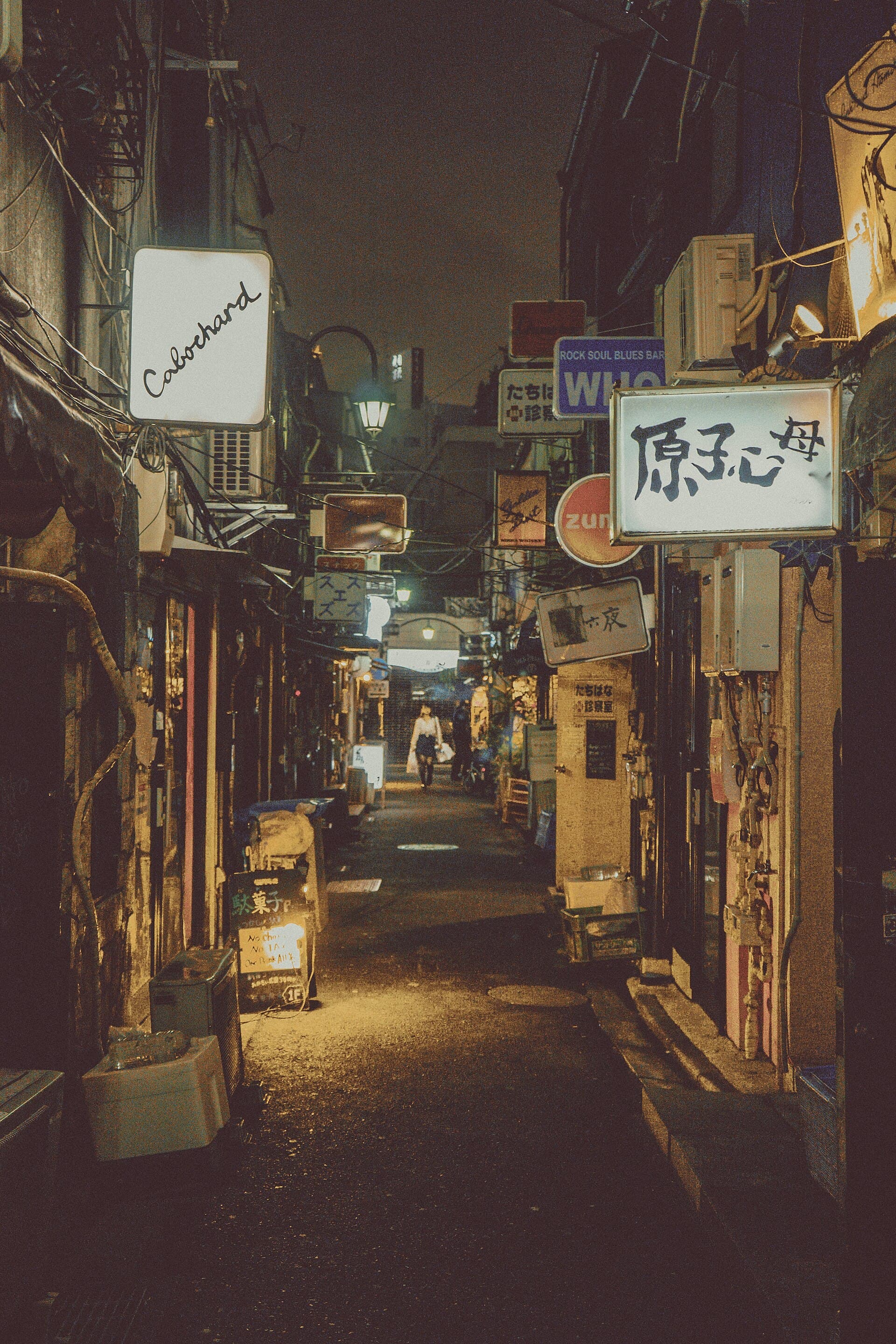
Why start here: The classic warm-up: a gallery bar on 5th Street (Kabukicho 1-1-7), open every day 19:00–5:00 per its official site, which says it is especially popular with overseas visitors. Gold-leaf and chandelier décor, used to first-timers. Check the cover and drink prices on the door.
Review vibe: Travelers call it “glamorous-trashy” in the best way — low-pressure, photogenic from outside, chatty if you want it. Regulars sometimes skip it for quieter alleys; as a first stop it still earns its reputation.
Our take: Arrive ~8:30–9:30pm, two drinks max, ask the bartender which neighboring doors are welcoming tonight, then leave before you get stuck in one room all night.
2. Champion — karaoke
Why: Loud karaoke bar, more party than conversation. Prices and cover change, so read the door.
Review vibe: “Least artist-den, most on-ramp.” Salarymen, backpackers, and locals sharing a mic at 1am — not subtle, extremely social.
Our take: Use Champion when your group is nervous or large. Split pairs if the space is packed. Skip if you wanted whispering whisky philosophy.
3. Bar Plastic Model — 80s / toy nostalgia
Why: Walls of Gundam kits, toy packaging, and 80s–90s nostalgia. A clear theme and an approachable door.
Our take: Second or third stop after Albatross — better once you’ve calibrated volume and cover etiquette.
4. La Jetée — cinephile dens
Why: Named after Chris Marker’s film; cinema décor and a serious film crowd. Smaller, quieter, more “you either vibe or you don’t.”
Our take: Go when you want conversation and film talk, not karaoke. Ask before photos — usually a hard no.
5. Death Match in Hell — metal / punk
Why: Loud, attitude-heavy, metal and punk. Genuine dive energy — not for everyone, perfect if that is everyone in your group.
Our take: Only after you’ve already succeeded at a friendlier door. Do not make this bar one your first night in Japan.
Sample night (solo or pair)
- 21:00 — Albatross G (cover + 2 drinks)
- 22:15 — Champion or Plastic Model
- 23:30 — One quieter bar (La Jetée / whisky spot) if you still have cash and manners
- 00:30–01:00 — Decide: last train (Tokyo last train) or taxi
Budget ¥8,000–12,000 cash for three bars without pretending you are hunting bargains.
Cover Charges and Pricing (2026)
| Item | Typical range |
|---|---|
| Cover / チャージ | ¥500–1,500 (sometimes includes a snack) |
| Beer | ¥700–1,000 |
| Whisky / cocktails | ¥800–1,500+ |
| One bar | ¥2,500–4,000 |
| Full night (2–3 bars) | ¥5,000–10,000+ |
Paying cover is normal. Arguing it is not. Cash is still common — do not assume cards.
How to Visit Without Being Turned Away
- Read the door — tourists welcome, no photography, cash only, regulars only.
- Ask before photos — many bars ban cameras, and the lanes themselves are private roads where the shopping-street association requires permission for street photography.
- Order a real drink — lingering without ordering is bad form.
- Keep groups small — 8 people will not fit; split up.
- Volume down — you are in someone else’s living room.
- If refused, move on — not personal; try the next alley.
Golden Gai vs Omoide Yokocho vs Rooftops
| Venue | Best for | Vibe |
|---|---|---|
| Golden Gai | Micro-bar culture, nightcap | Tiny, themed, cover charges |
| Omoide Yokocho | Grilled food + beer | Food-first under the tracks |
| Neighborhood izakaya | Dinner with friends | Best izakaya |
| Tokyo rooftops | Sunset skyline splurge | Rooftop bars |
First night in Tokyo? Izakaya or Omoide is easier. Golden Gai on night two or three.
Hours and Closing Time
| When | Pros | Cons |
|---|---|---|
| Weekday 9–11pm | Easier doors, locals present | Some bars closed |
| Fri/Sat 10pm+ | Full energy | Crowds, stricter doors |
| Before 8pm | Daylight alley photos | Most bars closed |
| After 2am | Deep-night regulars | Last trains gone; taxi only |
Closing time: Each master decides. Plan as if last train is real (last train guide), then decide whether the next bar is worth a taxi.
Safety Notes
Golden Gai sits near Kabukicho touts and host-club streets. Ignore solicitors; choose bars by reading doors. See tourist scams 2026. Solo travelers are often welcome at counter seats. Stick to lit alleys and trust your gut.
Related Guides
- Nightlife hub → Japan Nightlife
- Food-first night → Best izakaya Tokyo, izakaya culture
- Music → Tokyo jazz bars
- Skyline contrast → Tokyo rooftops, Kyoto rooftops
- Morning after → Best coffee Tokyo
FAQ
Is Golden Gai worth it for tourists in 2026?
Yes if you want micro-bar culture and accept cover charges. Skip if you want cheap bulk drinks or a group of eight at one table.
What time does Golden Gai close?
There is no single closing time. Many bars run until 2–5am; check each door. Last trains are earlier — plan your exit.
How much is the cover charge?
Typically ¥500–1,500, but it varies by bar. Read the door or menu before sitting.
Are tourists allowed?
Many bars welcome tourists; some are regulars-only. Albatross G and Champion are reliable first doors.
Is Golden Gai the same as Kabukicho?
Adjacent but different. Golden Gai is alley micro-bars; Kabukicho is the larger entertainment district.
Can I take photos?
The lanes are private roads: the Shinjuku Sanko shopping-street association says street photography there needs its permission. Inside a bar, ask the bar.
Do I need Japanese?
Helpful but not required at English-friendly bars. Politeness matters more than fluency.
Culture Desk
The Standard Japan
Customs, festivals, pop culture and everyday Japan, explained for people who want to understand what they are looking at.
Facts are taken from primary sources (operators, venues, official tourism and government pages) and dates and prices are checked on the day of writing. Pages are revised when those sources change.
Expertise
Festivals, etiquette, pop culture, mascots, convenience-store culture
Have a question or a correction?
Ask us anything about Golden Gai Opening Hours, Cover Charges and First-Timer Bars, or tell us what we got wrong. We reply within 24 to 48 hours.
Related Stories
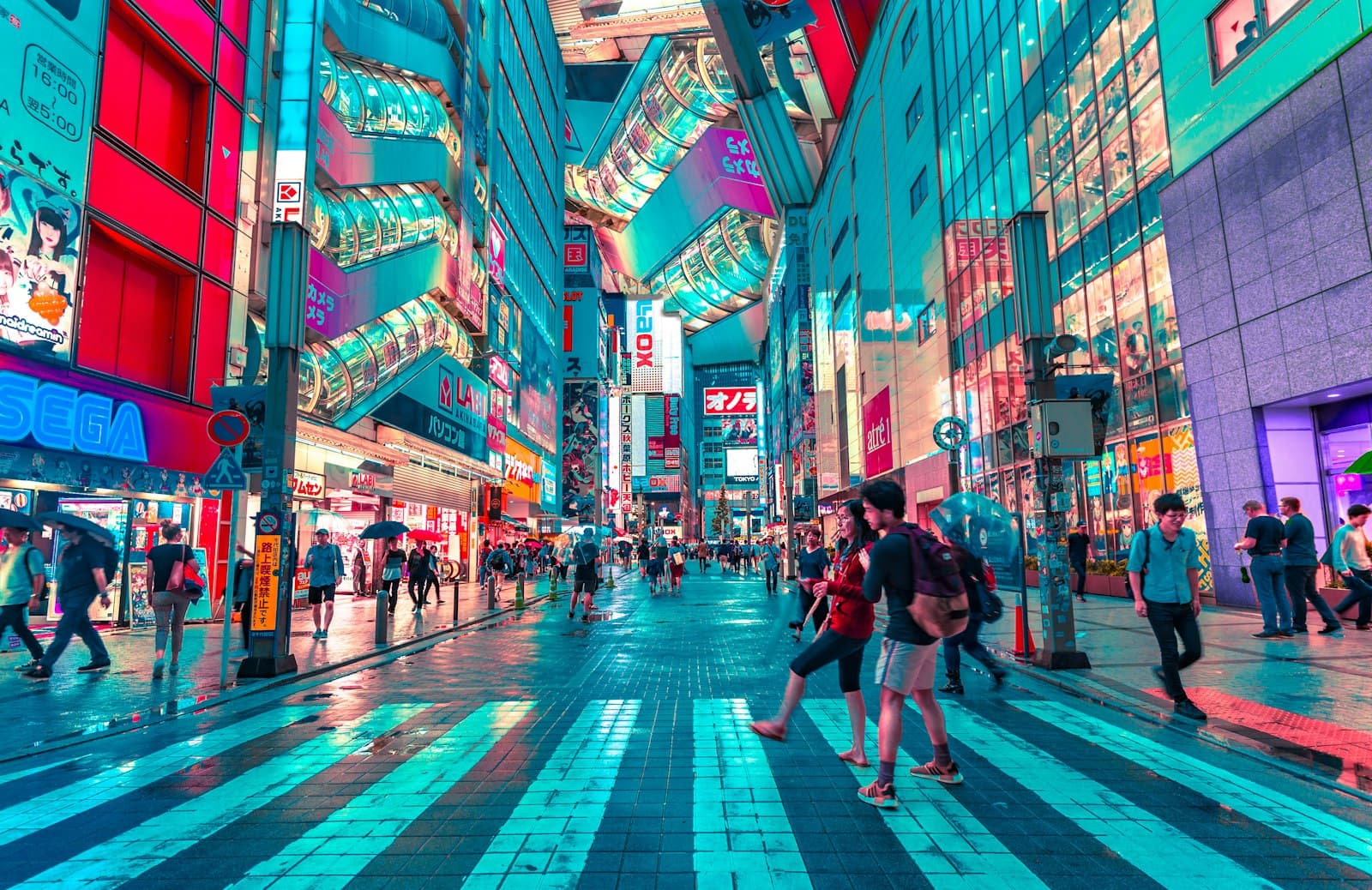
Shinjuku Guide: What to Do in Tokyo’s Chaos District
Shinjuku guide: west exit chaos, Golden Gai, Omoide Yokocho, Gyoen, observatories, and the food-and-bar nights worth booking — without getting lost for hours.
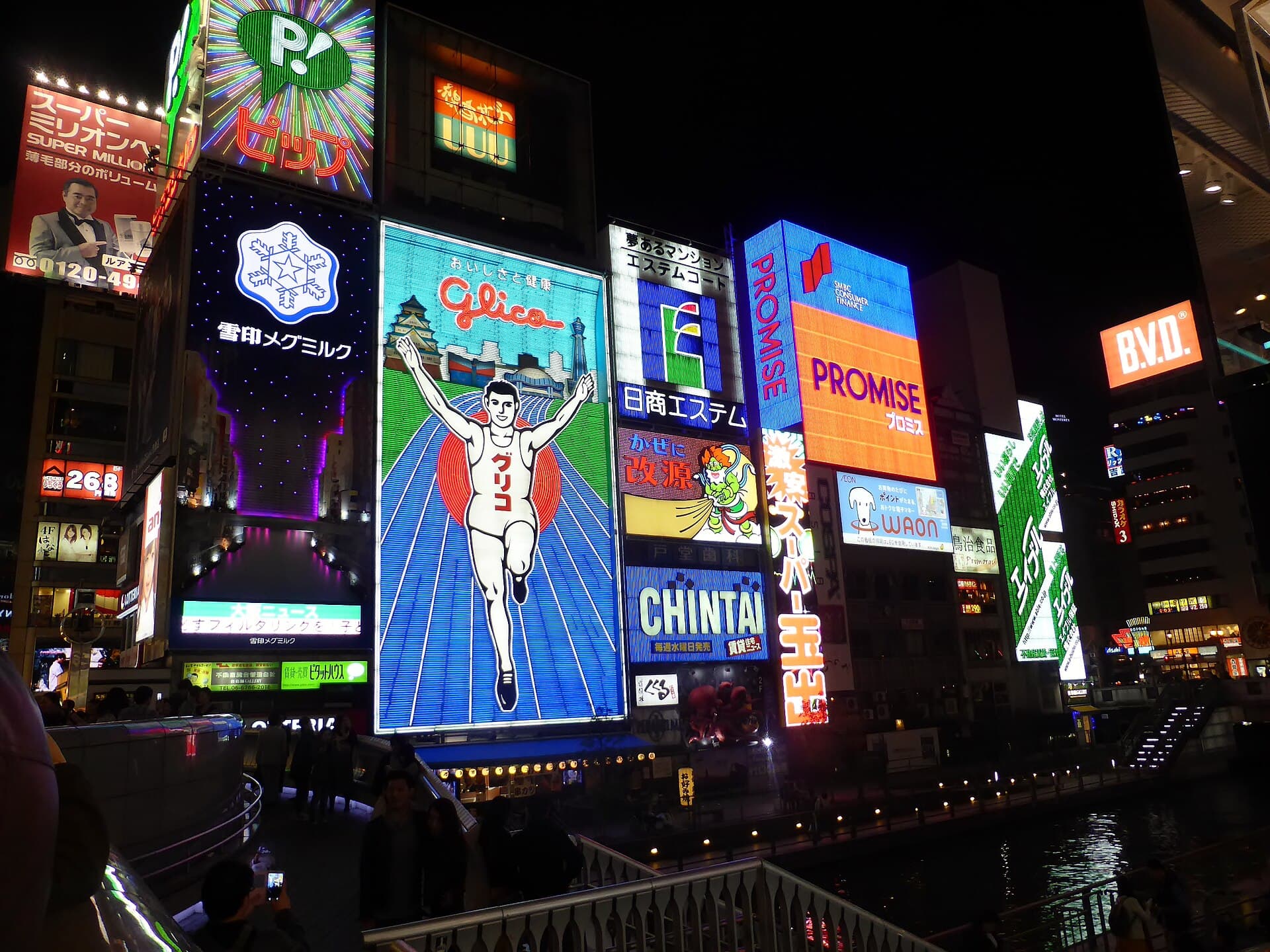
Tokyo vs Osaka Nightlife 2026: Depth or Easy Night One?
Osaka vs Tokyo nightlife: Osaka wins night one (Namba, Dotombori energy). Tokyo wins depth across nights — Golden Gai, rooftops, jazz. Pick by trip shape.
Best Izakaya in Tokyo: Where to Drink and Eat (2026)
Tokyo izakaya worth it: Andy’s Shin-Hinomoto under the Yurakucho tracks, Uoshin for fish, Ebisu and Omoide Yokocho for hopping, Torikizoku for cheap.