
What Is an Izakaya? How to Order, What to Eat, and What It Costs
What is an izakaya? A Japanese pub that serves food and drinks. Here's how to go to an izakaya in Tokyo — order, etiquette, and what to expect.
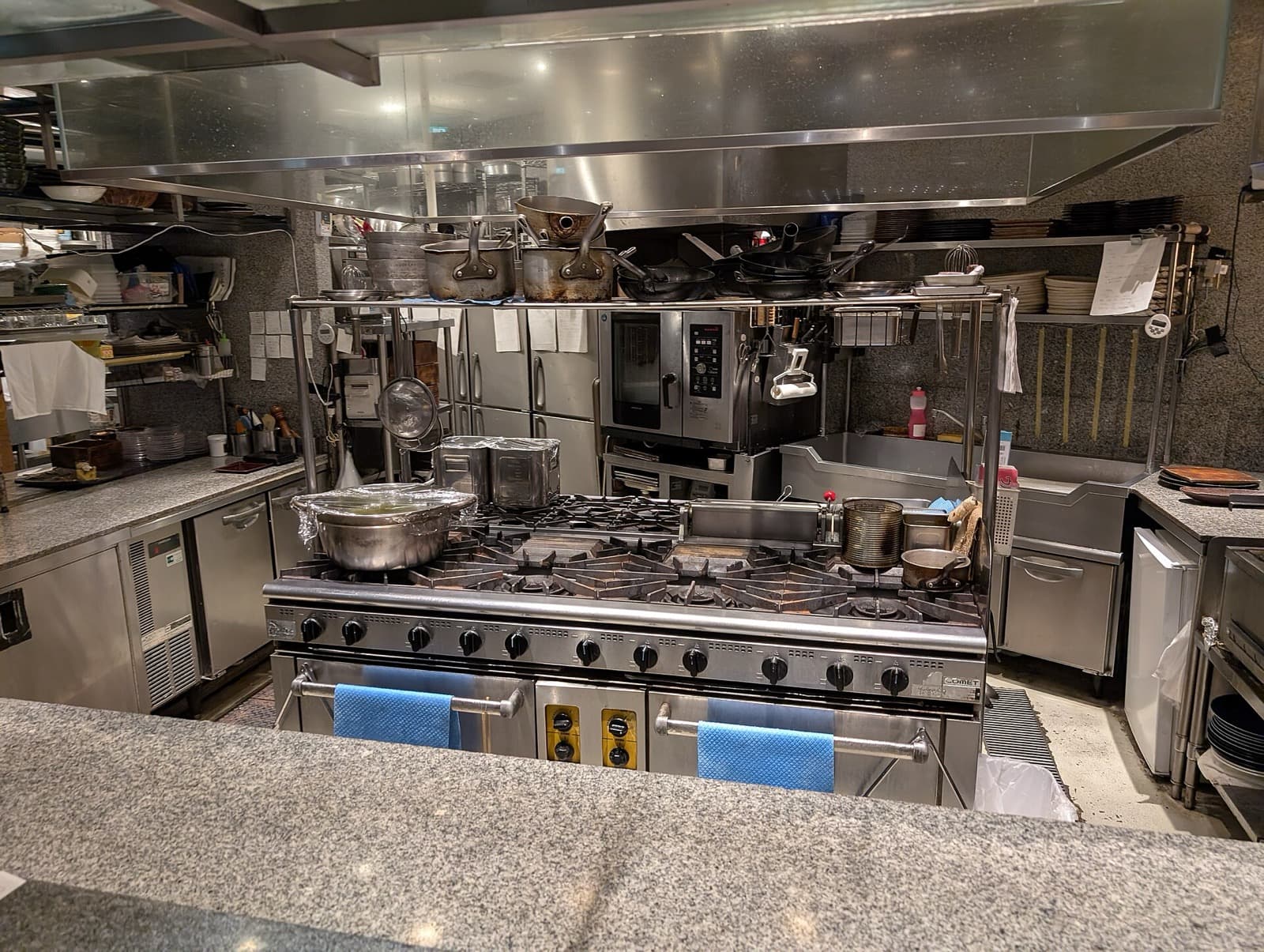
What is an izakaya? An izakaya is a Japanese pub — part bar, part restaurant — where you order drinks and share small plates. It's Japan's greatest social institution and the best way to experience Tokyo at night. You can go on your second day in Japan and nobody will look at you strangely.
Office workers go after work. Students go instead of studying. You should go too.
Some links in this article are affiliate links. If you book through them, The Standard Japan may earn a commission at no additional cost to you.
What an Izakaya Is
Technically: a type of informal Japanese bar that serves food. Practically: the place where Tokyo actually lives. You sit — at a counter, at a low table, in a booth — you order drinks, you order small dishes to share, and you stay until the owner starts mopping around your feet.
The food is not the point, exactly, but the food matters. Good izakaya food is some of the best casual cooking in the world. The yakitori is wood-grilled and served with salt or tare. The karaage is the Platonic ideal of fried chicken. The dashimaki tamago (dashi egg roll) is a thing that someone invented to prove that eggs could be profound.
How to Enter
You will be greeted loudly. This is irasshaimase — "welcome" — and it's shouted by the entire staff simultaneously. Do not be alarmed. Respond with a nod and hold up fingers for how many people are in your party.
You'll be seated and immediately given oshibori (hot towel) and the menu. Water comes automatically. In many izakaya, the first order should include a drink.
What to Order
Drinks: Start with nama biru (draft beer). The first beer is ceremonial — it should arrive quickly and cold. After that, options include shochu (distilled spirit, served on the rocks or with water), nihonshu (sake, served cold or warm), highball (whisky and soda), or chuhai (shochu and soda with various flavors). The lemon sour is the default izakaya drink — cheap, refreshing, and effective.
Food to order immediately:
- Edamame — always
- Yakitori — chicken skewers. Order tsukune (meatball), negima (chicken and leek), and kawa (skin) to start
- Karaage — fried chicken thighs, always with lemon and kewpie mayo
- Potato salad — better than it sounds, always
Food to order as the evening progresses:
- Dashimaki tamago (rolled egg)
- Agedashi tofu (fried tofu in dashi broth)
- Yaki onigiri (grilled rice balls)
- Natto (if you're ready for it)
Food to end on: Ochazuke (rice in dashi broth) or ramen are the traditional izakaya finishers. The carbohydrates absorb the alcohol. This is traditional wisdom.
The Rules
Table charges: Most izakaya charge a per-person table charge (otoshi or tsukidashi) that comes with a small appetizer. This is standard and not optional. It appears on the bill automatically.
Pouring etiquette: You pour for others; others pour for you. Never pour your own drink if someone else is at the table. Keep glasses full. This is how affection is expressed.
Ordering: You order continuously, not all at once. The kitchen is designed for continuous small-order service. Order a few things, eat them, order more.
Finishing: When you're ready to leave, ask for the bill (o-kaikei or kanjō). Some places require you to collect tickets as you order and pay at the exit. The staff will explain.
Smoking: Many older izakaya still allow smoking. Newer ones and chains typically don't. Check before you sit if this matters to you.
Types of Izakaya
Chain izakaya (Torikizoku, Watami, Shoya): Cheap, reliable, English menus often available, good for groups. The food is consistent rather than special.
Yakitori-ya: Izakaya specializing in grilled skewers. Often counter-only, smoky, with the grill as centerpiece. The best ones have the chef skewering and grilling to order.
Robatayaki: Grilled over open charcoal, usually larger format than yakitori. More theatrical — the chefs use long paddles to pass food across the counter.
Shotengai izakaya: The best kind — small shops tucked into covered shopping arcades in neighborhoods like Koenji, Sangenjaya, and Shimokitazawa. Family-run. The menu is on a chalkboard. The owner is also the chef and usually the bartender.
FAQ
Do I need to speak Japanese? Not required. Point at the menu, hold up fingers for quantities, say "kore" (this one). Most chain izakaya have picture menus. Smaller shops can be trickier — bring a translation app.
What's a reasonable izakaya budget? Plan on ¥3,000–¥5,000 per person for drinks and food at a standard izakaya. More at premium yakitori-ya. Less at basic chains.
Is tipping expected? No. Never tip in Japan. The service charge is included in the table fee.
Can I go to an izakaya alone? Absolutely. Counter seating is made for solo diners. Order a book or just watch the kitchen. It's one of the pleasures of Tokyo.
Need Help with This?
Have questions about What Is an Izakaya? How to Order, What to Eat, and What It Costs? We're here to help. Send us a message and we'll get back to you within 24-48 hours.

James Chen
Food & Drink Writer
Former chef. Now eats his way through Tokyo and writes about it.
Moved to Tokyo from San Francisco in 2016. Worked in kitchens in both cities before switching to food journalism. Lives in Nakameguro.
Tokyo
Expertise
Ramen, izakaya, Tokyo restaurants, food culture
The Standard Newsletter
Tokyo in your inbox. Weekly.
No algorithms curating your culture. No sponsored content disguised as journalism. Just the real Tokyo — the izakayas at 2am, the Harajuku kids who never made it to the algorithm, the ramen shop with no sign.
8K+
Subscribers
Weekly
Editions
Free
Always
Join the underground.
One email a week. Unsubscribe anytime.
No spam. No sharing your data. Tokyo only.
Related Stories
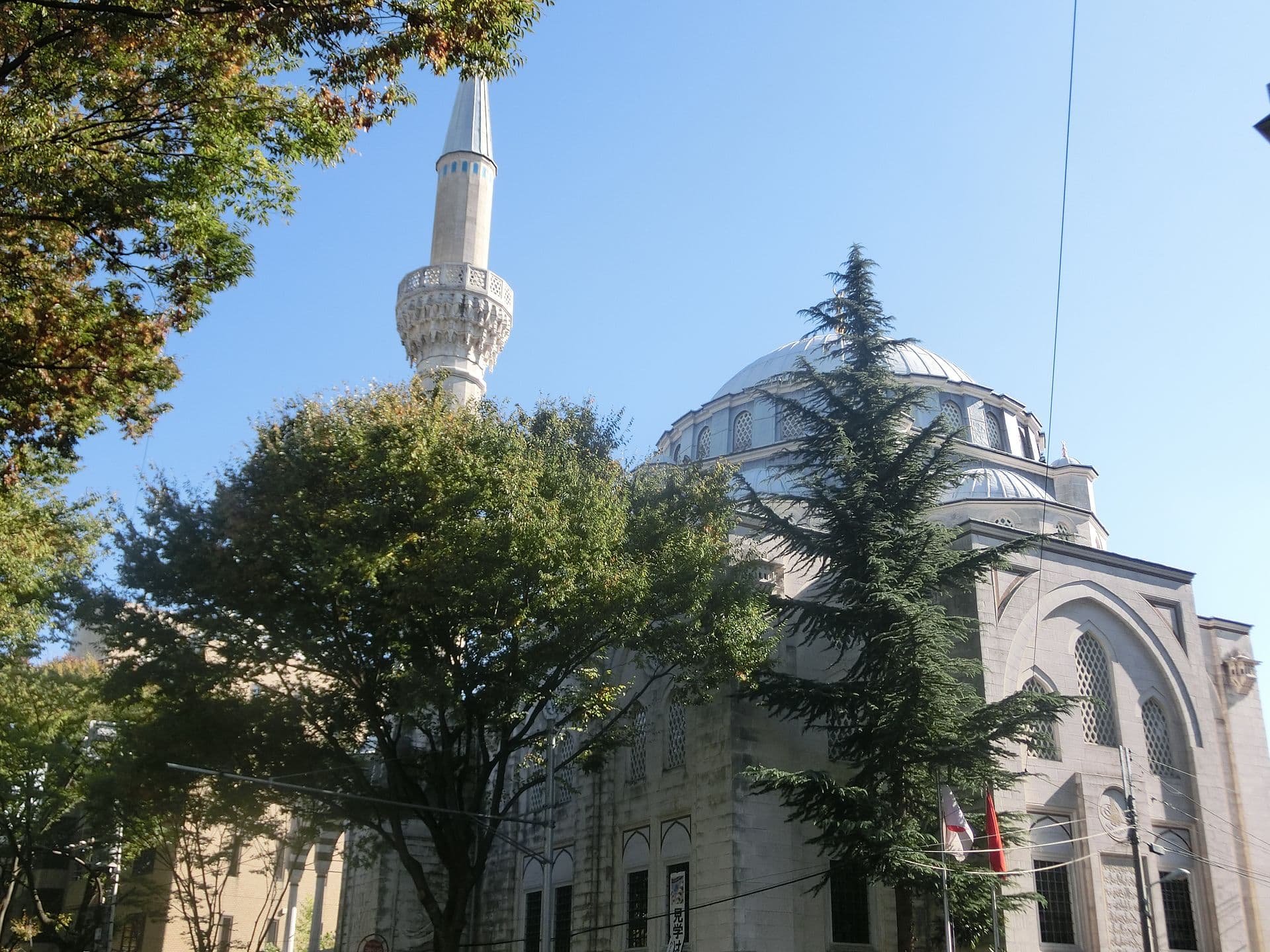
Tokyo Mosques and Prayer Rooms 2026: Camii, Okachimachi, Airports
Tokyo mosques map: Tokyo Camii (Yoyogi-Uehara), As-Salaam near Okachimachi, Asakusa, plus mall and airport prayer rooms. Hours change — verify before Jumu’ah.

Bringing Medicine to Japan: What’s Allowed, What’s Not (MHLW Rules)
Pseudoephedrine cold meds and ADHD stimulants like Adderall/Vyvanse are high-risk. Personal-use limits, Yunyu Kakunin-sho, MHLW contacts, and Japanese pharmacies.

Halal Japan Guide 2026: Food, Prayer Rooms, and Muslim-Friendly Travel
Halal and Muslim-friendly Japan: no single national certification, Tokyo Camii, airport prayer rooms, mirin/sake traps, Halal Gourmet Japan, and how to eat without guessing.