
Essential Japanese Phrases for Travel (2025): What You Actually Need
Essential Japanese phrases for travel: sumimasen (excuse me), arigatou gozaimasu (thank you), ikura desu ka (how much?). 30 phrases that will genuinely help in Japan.

Essential Japanese phrases for travel — the ones that will actually help you in Japan. You don't need fluency. You need maybe thirty words. These thirty words will open doors, show respect, and make your Japan trip significantly better.
Learn these before you go. Japanese people genuinely appreciate any attempt.
The Most Important Words
Sumimasen (すみません) — excuse me / sorry / excuse me to get attention
This is the single most useful word in Japan. Use it to: get a waiter's attention, apologize for bumping into someone, ask someone to move, say "coming through." It functions like "pardon," "excuse me," and "sorry" all at once. Learn this word above all others.
Arigatou gozaimasu (ありがとうございます) — thank you (formal)
The full, polite thank you. Use this with shopkeepers, restaurant staff, hotel staff, anyone providing a service. The shorter "arigatou" works with friends; "arigatou gozaimasu" is always safe.
Irasshaimase (いらっしゃいませ) — welcome (said to customers)
You'll hear this constantly when entering any shop, restaurant, or convenience store — shouted by all staff at once. You don't need to respond. A slight nod is fine. It's not directed at you personally; it's a ritual greeting.
Greetings
| Japanese | Pronunciation | Meaning |
|---|---|---|
| おはようございます | Ohayou gozaimasu | Good morning (formal) |
| こんにちは | Konnichiwa | Hello / Good afternoon |
| こんばんは | Konbanwa | Good evening |
| おやすみなさい | Oyasumi nasai | Goodnight |
| はじめまして | Hajimemashite | Nice to meet you |
| よろしくお願いします | Yoroshiku onegai shimasu | Please be kind to me (said when meeting someone) |
Getting Around
Doko desu ka? (どこですか?) — Where is [place]? Say the place name, then "doko desu ka?" — "___ wa doko desu ka?" (Where is ___?)
[Station name] made onegai shimasu (まで お願いします) — To [station], please Use in taxis. Say the destination plus "made onegai shimasu."
Koko de ii desu (ここで いいです) — Here is fine Tell a taxi to stop here.
Chotto matte kudasai (ちょっと 待って ください) — Please wait a moment
[Place] wa doko desu ka? — Where is [place]?
Eki wa doko desu ka? (駅は どこですか?) — Where is the train station?
Hidari (左) — Left. Migi (右) — Right. Massugu (まっすぐ) — Straight ahead.
Restaurants and Food
Sumimasen — to get the waiter's attention (point and say this, or hold up your hand)
Kore wo hitotsu (これを ひとつ) — One of this, please (point at what you want)
Kore wo kudasai (これを ください) — This one please
Ikura desu ka? (いくらですか?) — How much is it?
Oishii desu (おいしいです) — It's delicious (say this after eating something good — it will be appreciated)
Okaikei onegai shimasu (おかいけい お願いします) — The bill, please
Nani ga osusume desu ka? (なにが おすすめですか?) — What do you recommend?
[Food] arimasu ka? (ありますか?) — Do you have [food]?
Bejitarian desu (ベジタリアンです) — I am vegetarian
Niku nashi de onegai shimasu (にく なしで お願いします) — Without meat, please
Arerugii ga arimasu (アレルギーがあります) — I have an allergy
Shopping
Ikura desu ka? — How much?
Yasuku narimasu ka? (やすく なりますか?) — Can you make it cheaper? (only appropriate at markets)
Kore wo misete kudasai (これを みせて ください) — Please show me this
Chotto chiisai desu / Chotto ookii desu — A little small / A little big
Kore wo kudasai — I'll take this
Kurejitto kaado wa tsukaemasu ka? (クレジットカードは つかえますか?) — Can I use a credit card?
Emergencies and Help
Tasukete! (たすけて!) — Help!
Byouin wa doko desu ka? (びょういんは どこですか?) — Where is the hospital?
Eigo ga hanasemasu ka? (えいごが はなせますか?) — Can you speak English?
Wakarimasen (わかりません) — I don't understand
Mou ichido itte kudasai (もう いちど いって ください) — Please say that again
Yukkuri hanashite kudasai (ゆっくり はなして ください) — Please speak slowly
Yes, No, and Useful Filler
| Japanese | Meaning |
|---|---|
| はい (Hai) | Yes |
| いいえ (Iie) | No |
| そうですね (Sou desu ne) | Yes, that's right / I see |
| なるほど (Naruhodo) | I see / Indeed |
| ちょっと... (Chotto...) | (polite way to decline) |
"Chotto..." followed by a trailing voice is a polite Japanese way of saying "no" or "that's difficult" without confrontation. If someone says "chotto..." when you ask for something, take it as a no.
Numbers
| Japanese | Number |
|---|---|
| Ichi | 1 |
| Ni | 2 |
| San | 3 |
| Shi / Yon | 4 |
| Go | 5 |
| Roku | 6 |
| Shichi / Nana | 7 |
| Hachi | 8 |
| Ku / Kyuu | 9 |
| Juu | 10 |
For holding up fingers: Japanese often count differently (closing fingers from the open hand rather than opening from a fist). The Western version is universally understood.
Pronunciation Guide
Japanese vowels are consistent:
- A = "ah" (as in "father")
- I = "ee" (as in "feet")
- U = "oo" (as in "moon") — often de-voiced and nearly silent
- E = "eh" (as in "get")
- O = "oh" (as in "go")
Consonants are mostly similar to English. The R sound is between English R and L.
Pitch matters in Japanese (it's a pitch-accent language), but foreign visitors are not expected to get this right. Pronounce the vowels clearly and you'll be understood.
FAQ
How do I say hello in Japanese? Konnichiwa (こんにちは) means hello or good afternoon. Ohayou gozaimasu (おはようございます) is good morning. Konbanwa (こんばんは) is good evening. Konnichiwa is the general greeting that works in most situations.
How do I say thank you in Japanese? Arigatou gozaimasu (ありがとうございます) is the formal thank you. Arigatou (ありがとう) is the casual version. Doumo (どうも) is an even shorter version, used casually. In shops and restaurants, arigatou gozaimasu is appropriate.
Is it rude to speak English in Japan? No. Most Japanese people in tourist areas and businesses have basic English. The courtesy is to try a few Japanese words first — greetings, thank you, excuse me — before switching to English. This shows respect and is universally appreciated.
Do I need to learn hiragana/katakana/kanji? Not for a short trip. Station signs, restaurant menus, and tourist infrastructure all have romanized versions. Learning hiragana (46 characters) takes about a week of study and allows you to read the phonetic alphabet — useful but not required.
What are the most important Japanese words to know? In order: sumimasen (excuse me), arigatou gozaimasu (thank you), hai (yes), iie (no), and ikura desu ka (how much?). These five will get you through most basic interactions.
Need Help with This?
Have questions about Essential Japanese Phrases for Travel (2025): What You Actually Need? We're here to help. Send us a message and we'll get back to you within 24-48 hours.

Alex Rivera
Travel & Living Editor
Expat guide. Helps people actually move to and navigate Japan.
Moved from London to Tokyo in 2018. Went through the full gaijin experience—visa, housing, banking, the works. Now writes the guide he wished he had.
Tokyo
Expertise
Moving to Tokyo, expat life, travel, Kyoto vs Tokyo, onsen
The Standard Newsletter
Tokyo in your inbox. Weekly.
No algorithms curating your culture. No sponsored content disguised as journalism. Just the real Tokyo — the izakayas at 2am, the Harajuku kids who never made it to the algorithm, the ramen shop with no sign.
8K+
Subscribers
Weekly
Editions
Free
Always
Join the underground.
One email a week. Unsubscribe anytime.
No spam. No sharing your data. Tokyo only.
Related Stories
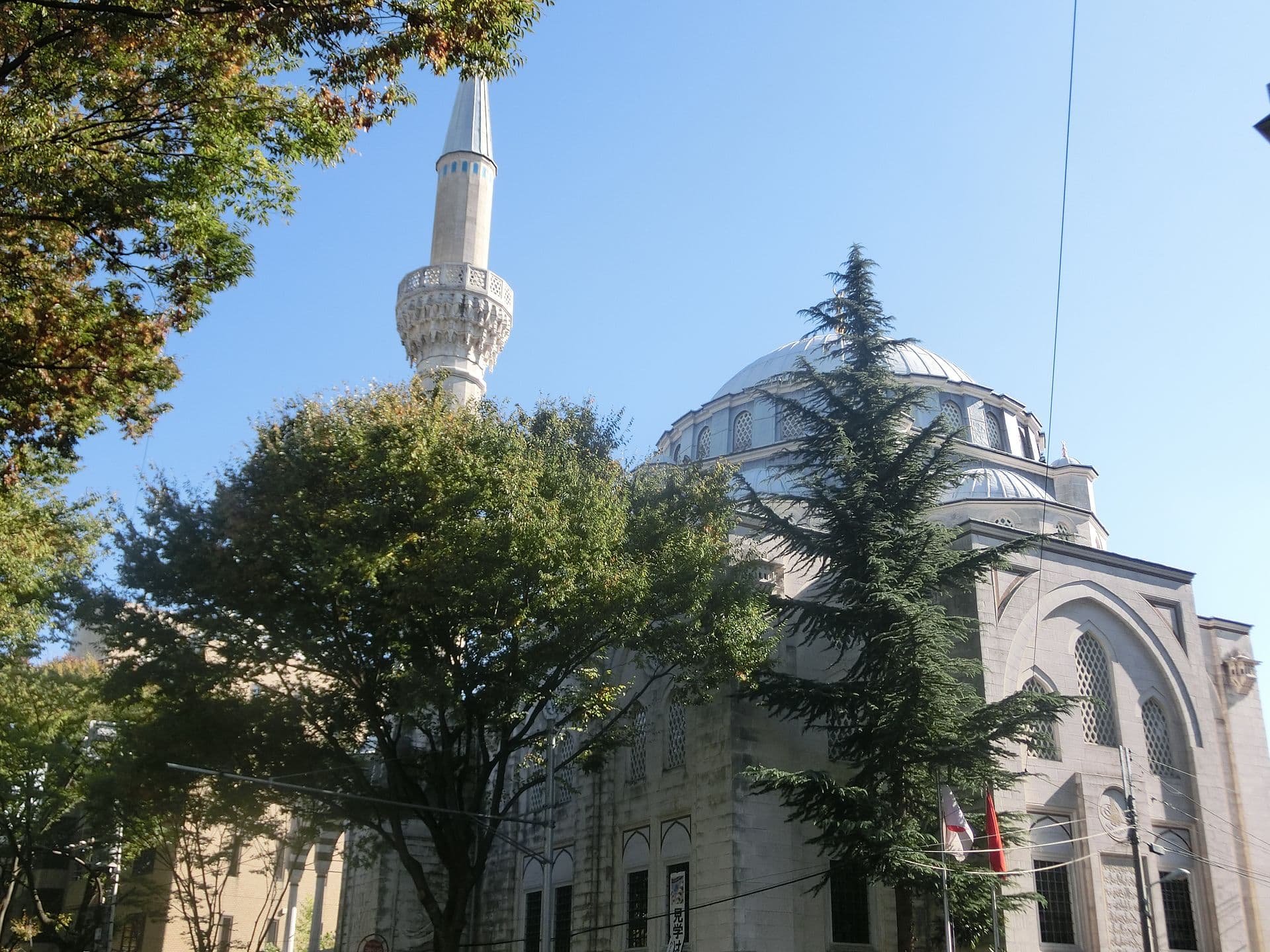
Tokyo Mosques and Prayer Rooms 2026: Camii, Okachimachi, Airports
Tokyo mosques map: Tokyo Camii (Yoyogi-Uehara), As-Salaam near Okachimachi, Asakusa, plus mall and airport prayer rooms. Hours change — verify before Jumu’ah.

Bringing Medicine to Japan: What’s Allowed, What’s Not (MHLW Rules)
Pseudoephedrine cold meds and ADHD stimulants like Adderall/Vyvanse are high-risk. Personal-use limits, Yunyu Kakunin-sho, MHLW contacts, and Japanese pharmacies.

Halal Japan Guide 2026: Food, Prayer Rooms, and Muslim-Friendly Travel
Halal and Muslim-friendly Japan: no single national certification, Tokyo Camii, airport prayer rooms, mirin/sake traps, Halal Gourmet Japan, and how to eat without guessing.