
How to Use the Tokyo Metro: Tickets, IC Cards, and Rush Hour Survival
How to use the Tokyo Metro: get a Suica card, tap in, find your platform, tap out. It's simpler than it looks. Here's everything you need to know about the Tokyo train system.

How to use the Tokyo Metro: get a Suica card, tap it on the reader when you enter, find the right platform using the signs (all major stations have English), board, tap out when you exit. Done. You've used the Tokyo Metro.
The rest of this guide is for every question that arises between those steps.
Step 1: Get a Suica Card
A Suica is a rechargeable IC card that works on every train, subway, and bus in Tokyo — and also at convenience stores, vending machines, and some taxis. Get one at the airport (Narita or Haneda) from the IC card vending machines near the JR exits.
Cost: ¥500 deposit (refunded when you return the card) + however much you load. Start with ¥2,000–¥3,000.
Alternatively: Pasmo cards work identically to Suica. Get whichever is at the machine in front of you.
Recharge: At any train station vending machine (look for "チャージ / Charge" buttons) or at convenience stores.
Step 2: Understand the Network
Tokyo has two main operators:
- Tokyo Metro (9 lines, color-coded) — covers most of central Tokyo
- Toei Subway (4 lines) — supplements the Metro
Plus the JR lines (particularly the Yamanote Line — the green loop that connects Shinjuku, Shibuya, Harajuku, Akihabara, Ueno, and more) and numerous private railway lines.
Your Suica covers all of these. You don't need to know which operator runs which line — just follow Google Maps and tap your card.
Step 3: Navigate the Station
Major Tokyo stations have signs in Japanese, romaji (romanized Japanese), English, Chinese, and Korean. The key information:
- Line color and number — Each line has a letter and color (e.g., Ginza Line = G, orange). Platforms are numbered and labeled.
- Direction — Platforms go in two directions (e.g., "for Shibuya" and "for Asakusa"). Google Maps will tell you which direction.
- Bound for [Station] — Trains are labeled by their final destination, not every stop. Check that the final destination is in the right direction.
Step 4: Board and Ride
Queuing is orderly in Tokyo. Stand in the marked lines on the platform. Board when the doors open, starting from the sides (not the middle). Priority seats (near the doors) should be vacated for elderly, pregnant, and disabled passengers.
No phone calls on the train. Bags on your lap or in the overhead rack, not blocking the aisle. Quiet.
The announcements come in Japanese and English at major stations. Google Maps will tell you your stop.
Step 5: Exit and Tap Out
Find the exit gates (改札 / kaisatsu). Tap your Suica on the reader. The gate opens. The correct fare is automatically deducted — you don't need to know the fare in advance.
If you don't have enough balance, the gate won't open. Go to the "Fare Adjustment" machine (精算機 / seisanki) near the gate, add money, and try again.
The Yamanote Line: Your Best Friend
The JR Yamanote Line is a green loop that runs around central Tokyo. Learn its major stops:
Clockwise from the top: Ueno → Akihabara → Shimbashi → Shinagawa → Ebisu → Shibuya → Harajuku → Shinjuku → Ikebukuro → Ueno
This loop connects the major hubs. If you're going anywhere in central Tokyo, you'll likely use it. Trains run every 2–4 minutes during the day.
Reading the Fare Maps
If you need to check fares (rare with a Suica), fare maps are displayed above the ticket machines. They show prices in yen from the current station. You don't need to calculate anything if you're using an IC card — the gate does it automatically.
Train Hours
Tokyo trains stop at midnight and restart around 5am. This is important. If you're out after midnight, you'll need to take a taxi or wait until trains restart. Many nightlife areas (Shinjuku, Roppongi, Shibuya) are designed around this — there are late-night restaurants and bars specifically for people waiting out the train gap.
Common Mistakes
Getting on the wrong line. Google Maps fixes this, but always double-check the line color and platform number. Stations like Shinjuku have 50+ exits and 12 connecting lines.
Exiting at the wrong exit. Large stations have numbered exits. The right exit matters — Shinjuku has exits that are a 15-minute walk from each other. Google Maps specifies which exit to use.
Not tapping out. Your card won't work at the next station if you haven't tapped out of the previous one. The gate system tracks this.
Running out of balance. Add more than you think you need. ¥2,000 lasts about 2–3 days of normal travel in Tokyo.
FAQ
Do I need a JR Pass? Probably not for Tokyo alone. The JR Pass covers JR lines nationwide (including the Shinkansen) and makes sense if you're traveling between multiple cities over a week or more. For Tokyo-only travel, a Suica is more practical.
Can I use my phone instead of a Suica card? Apple Pay and Google Pay support Suica in Japan. You can add a Suica to your phone's wallet and use it exactly like a physical card. This also allows you to add money from your phone.
What's the difference between Tokyo Metro and Toei? Two different government operators. Fares are separate — transferring between them costs slightly more than staying on one network. In practice, your Suica handles this automatically and you won't notice the difference.
How do I get from Narita Airport to Tokyo?
Three options: (1) Narita Express (N'EX) — fastest, most comfortable, ¥3,070 to Shinjuku, ~60 min. (2) Keisei Skyliner — fast and cheaper (¥2,570 to Ueno, 40 min). (3) Regular Keisei line — slow but cheapest (¥1,000, 90+ min). All pay with Suica or buy at the station.
How do I get from Haneda Airport to Tokyo? Haneda is much closer to the city. Tokyo Monorail to Hamamatsucho (~30 min, ~¥500) or Keikyu Line to Shinagawa (~20 min, ~¥310). Both accept Suica.
What if I get lost? Go to the station information window (みどりの窓口 / Midori no Madoguchi, or the general info desk). Station staff are almost always helpful, even with limited English. Show them your destination on your phone if needed.
Need Help with This?
Have questions about How to Use the Tokyo Metro: Tickets, IC Cards, and Rush Hour Survival? We're here to help. Send us a message and we'll get back to you within 24-48 hours.

Alex Rivera
Travel & Living Editor
Expat guide. Helps people actually move to and navigate Japan.
Moved from London to Tokyo in 2018. Went through the full gaijin experience—visa, housing, banking, the works. Now writes the guide he wished he had.
Tokyo
Expertise
Moving to Tokyo, expat life, travel, Kyoto vs Tokyo, onsen
The Standard Newsletter
Tokyo in your inbox. Weekly.
No algorithms curating your culture. No sponsored content disguised as journalism. Just the real Tokyo — the izakayas at 2am, the Harajuku kids who never made it to the algorithm, the ramen shop with no sign.
8K+
Subscribers
Weekly
Editions
Free
Always
Join the underground.
One email a week. Unsubscribe anytime.
No spam. No sharing your data. Tokyo only.
Related Stories
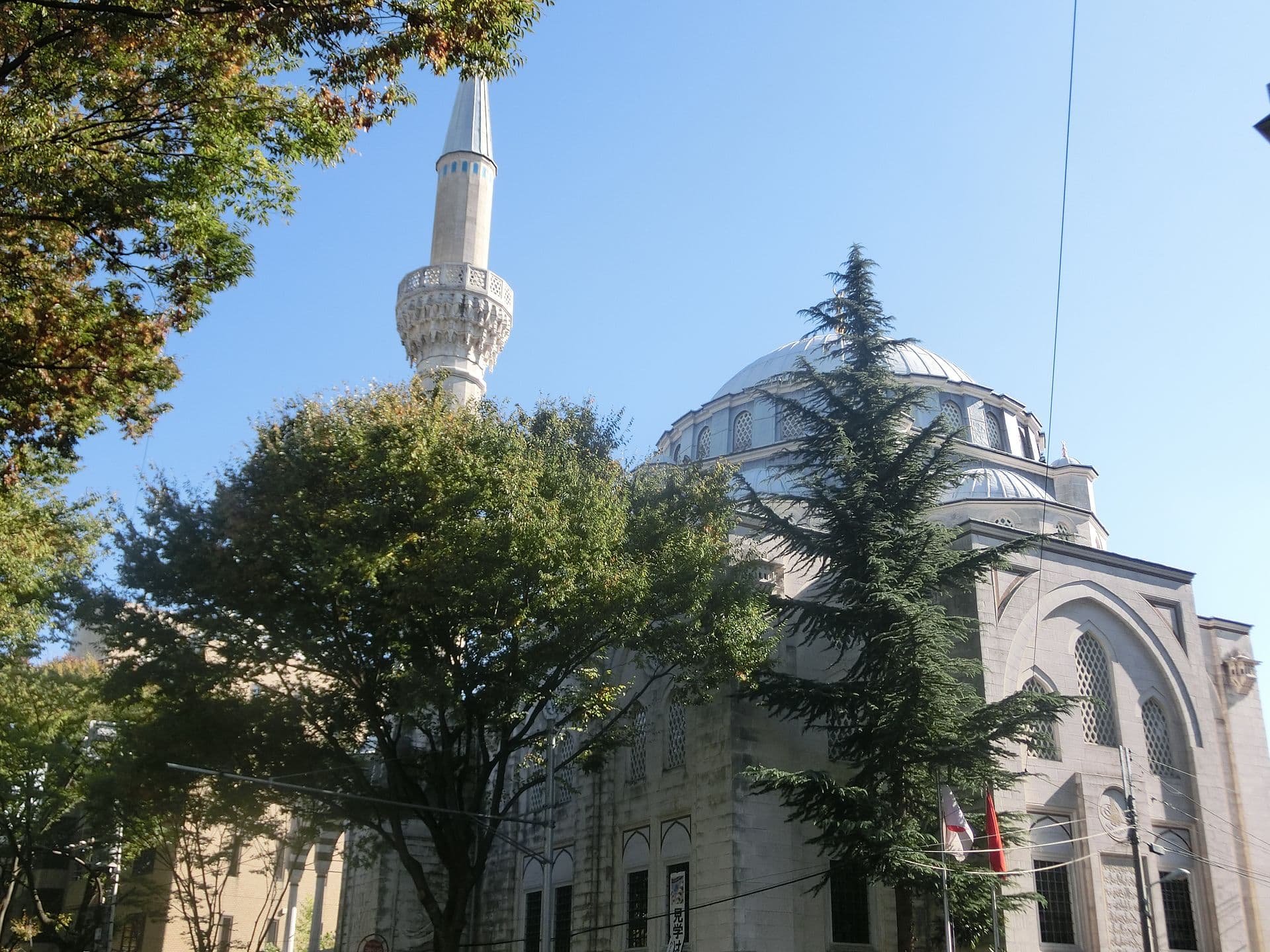
Tokyo Mosques and Prayer Rooms 2026: Camii, Okachimachi, Airports
Tokyo mosques map: Tokyo Camii (Yoyogi-Uehara), As-Salaam near Okachimachi, Asakusa, plus mall and airport prayer rooms. Hours change — verify before Jumu’ah.

Bringing Medicine to Japan: What’s Allowed, What’s Not (MHLW Rules)
Pseudoephedrine cold meds and ADHD stimulants like Adderall/Vyvanse are high-risk. Personal-use limits, Yunyu Kakunin-sho, MHLW contacts, and Japanese pharmacies.

Halal Japan Guide 2026: Food, Prayer Rooms, and Muslim-Friendly Travel
Halal and Muslim-friendly Japan: no single national certification, Tokyo Camii, airport prayer rooms, mirin/sake traps, Halal Gourmet Japan, and how to eat without guessing.