
What is an Onsen? Japanese Onsen Etiquette Guide (2025)
What is an onsen? A Japanese hot spring bath. Here's the complete onsen etiquette guide — wash before entering, no tattoos, no clothes. Everything you need to know.

What is an onsen? An onsen is a Japanese hot spring bath — mineral water from geothermal sources, shared with others, usually naked. It's one of Japan's great pleasures. The rules: wash thoroughly before entering, no clothes in the water, and check tattoo policies. Here's everything you need to know before you go.
The Japanese onsen is one of the great civilizing pleasures — and one of the most anxiety-inducing for first-time visitors. Get it right.
Some links in this article are affiliate links. If you book through them, The Standard Japan may earn a commission at no additional cost to you.
The Basics
An onsen is a hot spring bath. The water comes from geothermal sources and contains minerals — sulfur, sodium, iron, calcium — that vary by location and are believed to have different health properties. Japan has over 27,000 onsen sources. The culture around them is ancient.
A sento is a public bathhouse that uses regular heated water. The etiquette is similar but the experience is different. This guide covers both.
Before You Enter: What to Know
Tattoos — The most frequently asked question. Many onsen still prohibit tattoos, a holdover from the practice's historical association with the yakuza. Some places have started relaxing this rule. Many have private bath options (kashikiri) where tattoos are typically allowed. Always check before arriving — see our dedicated tattoo policy guide for specific tattoo-friendly facilities and how cover stickers work.
What to bring — Towels are usually available to rent or purchase. You need a small towel (tenugui) for the bathing area; the large towel stays in the changing room. Toiletries are often provided; bring your own preferred products if needed.
What not to bring — Swimwear. Japanese onsen and sento are nude. Wearing clothing in the water is considered unhygienic and is prohibited. The single exception is mixed-gender baths (konyoku), where a specific cloth wrap is sometimes used.
The Ritual
Separate by gender — Most facilities have separate areas for men and women. Mixed bathing is rare and usually specific to ryokan (traditional inn) private baths or certain historical onsen.
Shower first. Always. — Before entering any bath, you wash your entire body at the shower stations along the wall. This is not optional. It is the most important rule. Skipping it marks you as someone who doesn't know the etiquette. The showering stations have mirrors, shampoo, conditioner, and body soap. Use all of them.
Enter the water without your towel — The small towel you carry into the bathing area should be placed on your head or folded on the side of the bath. It should never enter the water.
No splashing, no noise — The atmosphere is contemplative. Quiet conversation is fine at most places. Loud talking is not. Swimming is never appropriate.
Don't drain the water after bathing — You leave the bath as you found it.
The Temperature
Japanese baths are hot — hotter than most Western bathers expect. Standard temperature is 41–43°C (106–109°F). Some traditional baths run hotter. If you're not acclimatized, enter slowly. Don't sit with your whole body submerged immediately.
The standard technique is to sit on the edge of the bath, lower your legs first, and slide in gradually over several minutes. Rushing causes lightheadedness.
At a Ryokan
Staying at a traditional ryokan typically includes access to private or semi-private onsen. The etiquette is the same but the atmosphere is more intimate. Some ryokan have outdoor baths (rotenburo) — one of the transcendent Japanese experiences, particularly in winter when snow falls and the steam rises.
Room-fee bathing (kashikiri) at ryokan can be booked by the hour. This is the best option for travelers with tattoos or those who prefer privacy.
Day Trips from Tokyo
Hakone — The classic escape. Two hours from Tokyo, dozens of onsen facilities, direct views of Fuji on clear days. The Hakone Open Air Museum is nearby.
Nikko — Further north, more rustic, associated with ancient forest bathing culture. Kinugawa Onsen is the main resort area.
Atami — The slightly faded resort town with serious onsen culture and a surprisingly good art scene (MOA Museum).
Kusatsu — One of Japan's most famous onsen towns, known for highly acidic, extremely hot water. Takes time to adjust. Worth it.
Tips for International Visitors
- Bring your own tattoo cover stickers if you have small tattoos and want to try a shared bath rather than book a private one — they're sold in Japan but not always at the facility itself, so pack a few before you travel.
- Rural and older onsen are often cash-only — don't assume a card machine exists once you're outside a hotel-attached facility.
- Bathing is genuinely silent-phone territory — cameras and phones are not just frowned upon, they're often explicitly banned in the changing room and bath area; leave it in a locker.
- The small tenugui towel is not meant to touch the water — fold it and set it on your head or the edge if you're unsure what to do with it, rather than dunking it.
- Check-in times at day-use facilities can be strict about last entry (often an hour before closing) — don't plan to arrive right at closing time expecting a quick dip.
FAQ
Can I visit an onsen if I have a tattoo? Many places still prohibit tattoos, but this is changing. Some facilities now allow them if covered. Private baths (kashikiri) are always an option. Call ahead or check the facility's website — see our full tattoo policy breakdown for specifics.
Do I have to be naked? At traditional onsen and public sento, yes. At some hot spring resorts and newer facilities with mixed-gender areas, bathing suits may be allowed. Check the specific facility's rules.
Is it rude to stare at other people? Don't stare. Look at the water, the ceiling, the mountains if there are any. The social contract of the onsen is that everyone politely ignores everyone else's body.
How long should I stay in the bath? 10–15 minutes per session. Rest between sessions. Drink water. The heat is real — don't push it, especially if you're not used to hot bathing.
What about children? Children are welcome at most public onsen. They follow the same rules. Parents are responsible for explaining the etiquette beforehand.
Can I drink alcohol before an onsen? You should not. The combination of hot water, dehydration, and alcohol is dangerous. Drink water before, during, and after.
Need Help with This?
Have questions about What is an Onsen? Japanese Onsen Etiquette Guide (2025)? We're here to help. Send us a message and we'll get back to you within 24-48 hours.

Alex Rivera
Travel & Living Editor
Expat guide. Helps people actually move to and navigate Japan.
Moved from London to Tokyo in 2018. Went through the full gaijin experience—visa, housing, banking, the works. Now writes the guide he wished he had.
Tokyo
Expertise
Moving to Tokyo, expat life, travel, Kyoto vs Tokyo, onsen
The Standard Newsletter
Tokyo in your inbox. Weekly.
No algorithms curating your culture. No sponsored content disguised as journalism. Just the real Tokyo — the izakayas at 2am, the Harajuku kids who never made it to the algorithm, the ramen shop with no sign.
8K+
Subscribers
Weekly
Editions
Free
Always
Join the underground.
One email a week. Unsubscribe anytime.
No spam. No sharing your data. Tokyo only.
Related Stories
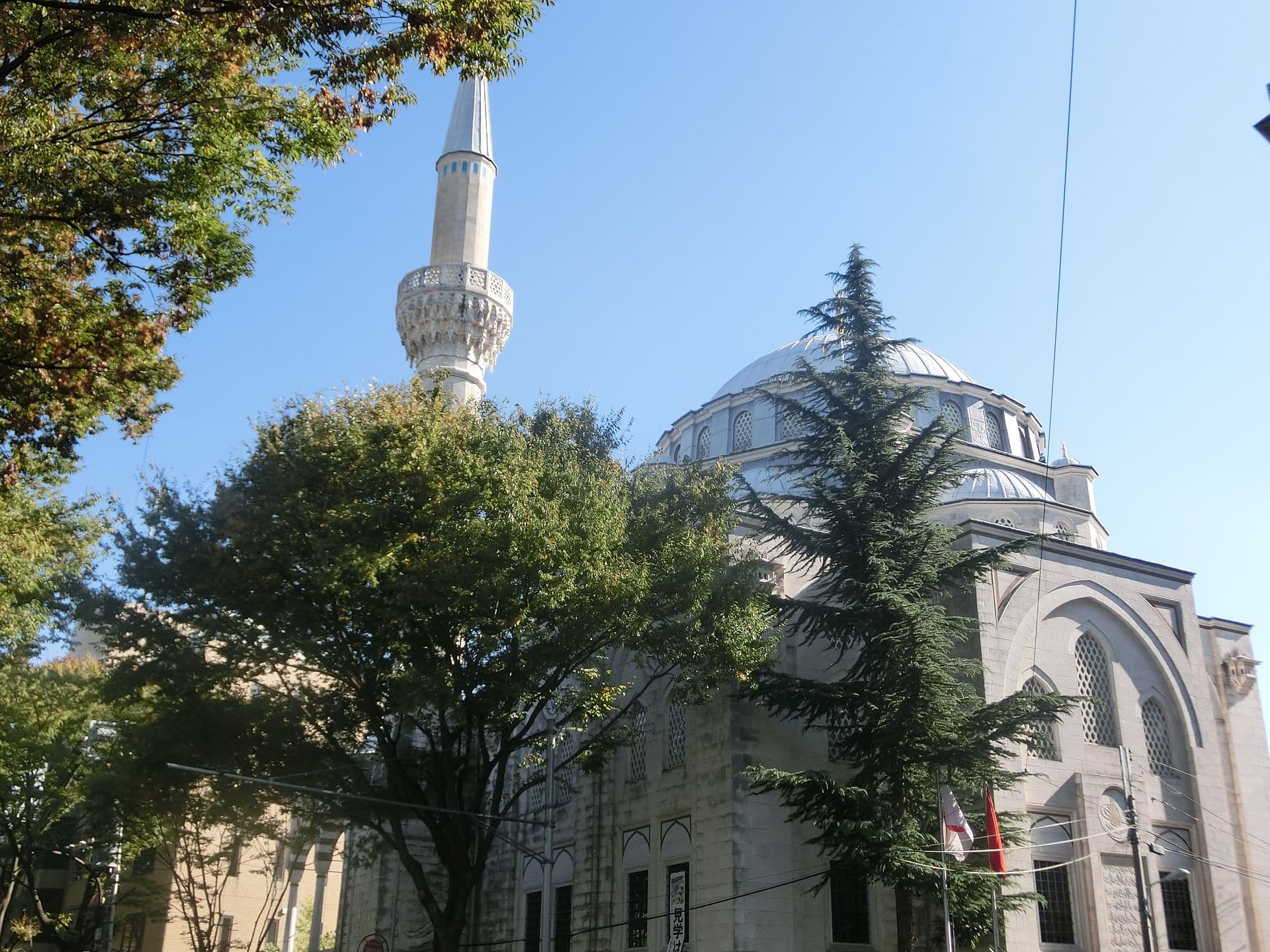
Tokyo Mosques and Prayer Rooms 2026: Camii, Okachimachi, Airports
Tokyo mosques map: Tokyo Camii (Yoyogi-Uehara), As-Salaam near Okachimachi, Asakusa, plus mall and airport prayer rooms. Hours change — verify before Jumu’ah.

Bringing Medicine to Japan: What’s Allowed, What’s Not (MHLW Rules)
Pseudoephedrine cold meds and ADHD stimulants like Adderall/Vyvanse are high-risk. Personal-use limits, Yunyu Kakunin-sho, MHLW contacts, and Japanese pharmacies.

Halal Japan Guide 2026: Food, Prayer Rooms, and Muslim-Friendly Travel
Halal and Muslim-friendly Japan: no single national certification, Tokyo Camii, airport prayer rooms, mirin/sake traps, Halal Gourmet Japan, and how to eat without guessing.