
Japan on a Budget 2026: How to Travel Cheap Without Missing Out
Japan on a budget in 2026: ¥8,000–12,000/day is realistic. Cheap hotels, konbini meals, free attractions, and transport hacks from people who live here.
Japan on a budget in 2026: ¥8,000–12,000 per day is realistic if you stay in hostels or business hotels, eat at convenience stores and local chains, and use public transport wisely. Japan has a reputation for being expensive. That reputation is half wrong. Accommodation and transport cost real money. Food, culture, and experiences can be remarkably cheap.
We've lived in Tokyo for years on various budgets. Here's how to do Japan without burning through your savings — and without missing the things that make the trip worth it.
Realistic Daily Budgets for Japan (2026)
| Style | Daily Budget (¥) | Daily Budget (USD approx.) | What You Get |
|---|---|---|---|
| Shoestring | ¥8,000–10,000 | $55–70 | Hostel dorm, konbini meals, free sights |
| Budget | ¥10,000–15,000 | $70–100 | Business hotel, mix of cheap and mid meals |
| Mid-range | ¥15,000–25,000 | $100–170 | Nice hotel, restaurants, some taxis |
| Comfort | ¥25,000–40,000 | $170–270 | Boutique hotel, kaiseki, shinkansen Green Car |
These are per-person estimates excluding international flights. A 10-day budget trip runs roughly ¥100,000–150,000 ($700–1,000).
Accommodation: Where to Save
Hostels (¥2,500–4,500/night). Tokyo has excellent hostels — UNPLAN Kagurazaka, CITAN, and Book and Bed Tokyo are standouts. Private rooms available at many for ¥5,000–7,000. Kyoto and Osaka have even cheaper options.
Business hotels (¥5,000–8,000/night). Toyoko Inn, Super Hotel, and Dormy Inn chains are clean, reliable, and include breakfast at many locations. Book directly or via Rakuten Travel for best rates.
Capsule hotels (¥3,500–6,000/night). An experience as much as accommodation. Nine Hours and First Cabin are the polished options. Not for claustrophobes.
Airbnb / vacation rentals. Legal but regulated — max 180 days/year per property. Good for groups splitting costs. Check listings carefully; some are illegal and get shut down. Full explainer on spotting a licensed listing in our minpaku law guide.
What to skip: Luxury hotels on a budget trip. You're in Japan to be outside. A clean business hotel near a station beats a fancy room in the suburbs.
Money-saving tip: Stay in neighborhoods like Koenji, Asakusa, or Ueno instead of Shibuya or Ginza. Same city, lower prices, often more character. See our neighborhood comparison.
Food: Eat Well for Less
Japan's best budget food isn't deprivation — it's convenience store culture done right.
Konbini meals (¥300–600). Onigiri, bento boxes, egg salad sandwiches, fried chicken. 7-Eleven and Lawson quality is genuinely good. Three konbini meals a day costs under ¥1,500.
Chain restaurants (¥500–900). Sukiya (gyudon beef bowls), Matsuya, Yoshinoya for fast, filling meals. Saizeriya for Italian-ish pasta and pizza at absurd prices (¥500 plates).
Standing bars and tachinomi (¥300–800/drink + ¥300–500/food). Cheap beer and small plates. Yurakucho under-the-tracks area is the classic.
Lunch sets (¥800–1,200). Most restaurants offer cheaper lunch teishoku (set meals). Eat your big meal at lunch, konbini dinner.
What NOT to skip on budget: Ramen (¥800–1,200), izakaya night (¥2,500–3,500), one nice sushi meal. These are why you came. Budget around them. Our best ramen and best izakaya guides help you pick wisely.
Free samples: Department store food halls (depachika) in Isetan, Mitsukoshi, and Tobu offer generous samples. Not a meal, but a free snack while browsing.
Transport: The Biggest Variable
Suica/Pasmo IC card. Essential. Tap in, tap out. Works on trains, buses, and konbini. Full metro guide here.
Do you need a JR Pass? In 2026, probably not for most trips. The October 2023 hike already made the 7-day pass hard to justify unless you're doing Tokyo–Hiroshima–Osaka–Tokyo in a week — and from October 1, 2026 the 7-day Ordinary is ¥53,000. See our full JR Pass worth-it breakdown. For Tokyo-only or Tokyo–Kyoto–Osaka, individual shinkansen tickets often cost less.
Highway buses. Overnight buses between cities (Tokyo–Osaka, Tokyo–Kyoto) cost ¥3,000–6,000 vs ¥13,000+ on the shinkansen. Willer Express and Kosoku Bus are reliable. You lose a day of sightseeing to travel time but save significantly.
Local trains over express. The regular Keisei from Narita (¥1,000+) vs Skyliner (¥2,570). Regular JR trains vs limited express. Often 20 extra minutes saves ¥1,000.
Walking. Tokyo is walkable. Shibuya to Harajuku is 20 minutes on foot. Shinjuku to Yoyogi Park is 15 minutes. Walk more, spend less.
Free and Cheap Things to Do
Japan's best experiences often cost nothing or nearly nothing:
- Temples and shrines — Senso-ji, Meiji Jingu, Fushimi Inari. Free entry (donations welcome).
- Parks — Yoyogi, Ueno, Inokashira, Shinjuku Gyoen (¥500 — worth it).
- Neighborhood walks — Shimokitazawa, Yanaka, Nakameguro, Koenji. Free and essential.
- TeamLab — Not free (¥3,800+) but book the cheapest time slots.
- Museums — Many have free days. Tokyo National Museum is ¥1,000; smaller galleries are free.
- Tsukiji Outer Market — Free to walk and sample (buy something small).
- Day trips — Kamakura temples, Enoshima coast. Transport is the only cost. Day trip guide here.
Skip on budget: Robot Restaurant (closed anyway), overpriced observation decks when free alternatives exist (Tokyo Metropolitan Government Building observation deck is free).
Money-Saving Hacks for 2026
Withdraw yen from 7-Eleven ATMs. Best exchange rates for foreign cards. Avoid airport exchange counters except for small amounts. Full rundown of where cash is still required in our cash vs card guide.
Buy a SIM or eSIM online before arrival. Airport prices are inflated. Airalo, Saily, Ubigi, and Mobal offer competitive eSIMs from ¥2,000–4,000 for 7 days.
Travel off-season. January–February (cold, uncrowded) and June (rainy but cheap) offer lower hotel rates. Avoid cherry blossom (late March–April) and autumn foliage (November) if budget is the priority.
Book shinkansen early. Limited Express and some shinkansen offer early-bird discounts when booked 3+ weeks ahead via SmartEX app.
This article contains affiliate links. If you buy through one, we may earn a small commission at no extra cost to you.
Use tax-free shopping. Foreign tourists get a 10% tax refund at participating stores on purchases over ¥5,000. Passport required. Through October 2026, consumables must stay in sealed bags until you leave Japan — but the entire system changes on November 1, 2026 to a pay-first, refund-at-departure model, so check which rules apply to your travel dates.
Luggage forwarding. Kakaoaku (荷物配送) services send bags between hotels and airports for ¥1,500–2,500 per bag. Cheaper than taxi with luggage and frees you to use cheaper trains.
Sample Budget Day in Tokyo
| Item | Cost (¥) |
|---|---|
| Business hotel (per person, shared) | 4,000 |
| Breakfast (konbini onigiri + coffee) | 400 |
| Metro/train | 600 |
| Lunch teishoku | 900 |
| Senso-ji + Asakusa walk (free) | 0 |
| Afternoon coffee | 500 |
| Ramen dinner | 1,000 |
| One beer at tachinomi | 500 |
| Total | ~¥7,900 |
Add ¥2,000–3,000 for a splurge (izakaya, entry fee, shopping) and you're at ¥10,000 for a full day.
FAQ
Is Japan expensive to visit in 2026? It can be, but it doesn't have to be. Budget travelers can manage on ¥8,000–12,000/day. Mid-range comfort runs ¥15,000–25,000/day. The yen has stabilized after 2022–2024 fluctuations — check current rates before booking.
What's the cheapest way to get from Narita to Tokyo? Regular Keisei Line (~¥1,000, 90+ min) or Keisei Access Express. Avoid Narita Express unless you have a JR Pass that covers it.
Can you eat cheaply in Japan without cooking? Yes. Konbini, gyudon chains, and lunch sets keep food costs under ¥2,000/day. You won't starve and you won't sacrifice quality.
Is the JR Pass worth it in 2026? Only for extensive intercity travel. Tokyo–Kyoto–Osaka–Hiroshima in 7 days might justify it. From October 1, 2026 the 7-day Ordinary is ¥53,000. For shorter trips or Tokyo-focused visits, individual tickets are cheaper. Full math: JR Pass 2026.
How much cash should I carry in Japan? ¥10,000–20,000 at all times. Many smaller restaurants and shops are cash-only. ATMs at 7-Eleven accept foreign cards.
Are hostels in Japan safe and clean? Yes. Japanese hostels are among the best in the world — clean, well-managed, and often with excellent common spaces. Read reviews on Hostelworld or Booking.com.
Planning the full trip? Start with our Japan travel FAQ and 2-week itinerary. For general tips, see Japan travel tips.
Travel Desk
The Standard Japan
Trip planning: seasons and crowds, getting around, airports, where to stay, and the practical steps before and after you land.
Facts are taken from primary sources (operators, venues, official tourism and government pages) and dates and prices are checked on the day of writing. Pages are revised when those sources change.
Expertise
Seasonal crowds, transport and airports, itineraries, lodging, pre-trip logistics
Have a question or a correction?
Ask us anything about Japan on a Budget 2026: How to Travel Cheap Without Missing Out, or tell us what we got wrong. We reply within 24 to 48 hours.
The Standard Newsletter
Tokyo in your inbox. Weekly.
No algorithms curating your culture. No sponsored content disguised as journalism. Just the real Tokyo — the izakayas at 2am, the Harajuku kids who never made it to the algorithm, the ramen shop with no sign.
280+
Guides
Weekly
Editions
Free
Always
Join the underground.
One email a week. Unsubscribe anytime.
No spam. No sharing your data. Tokyo only.
Related Stories
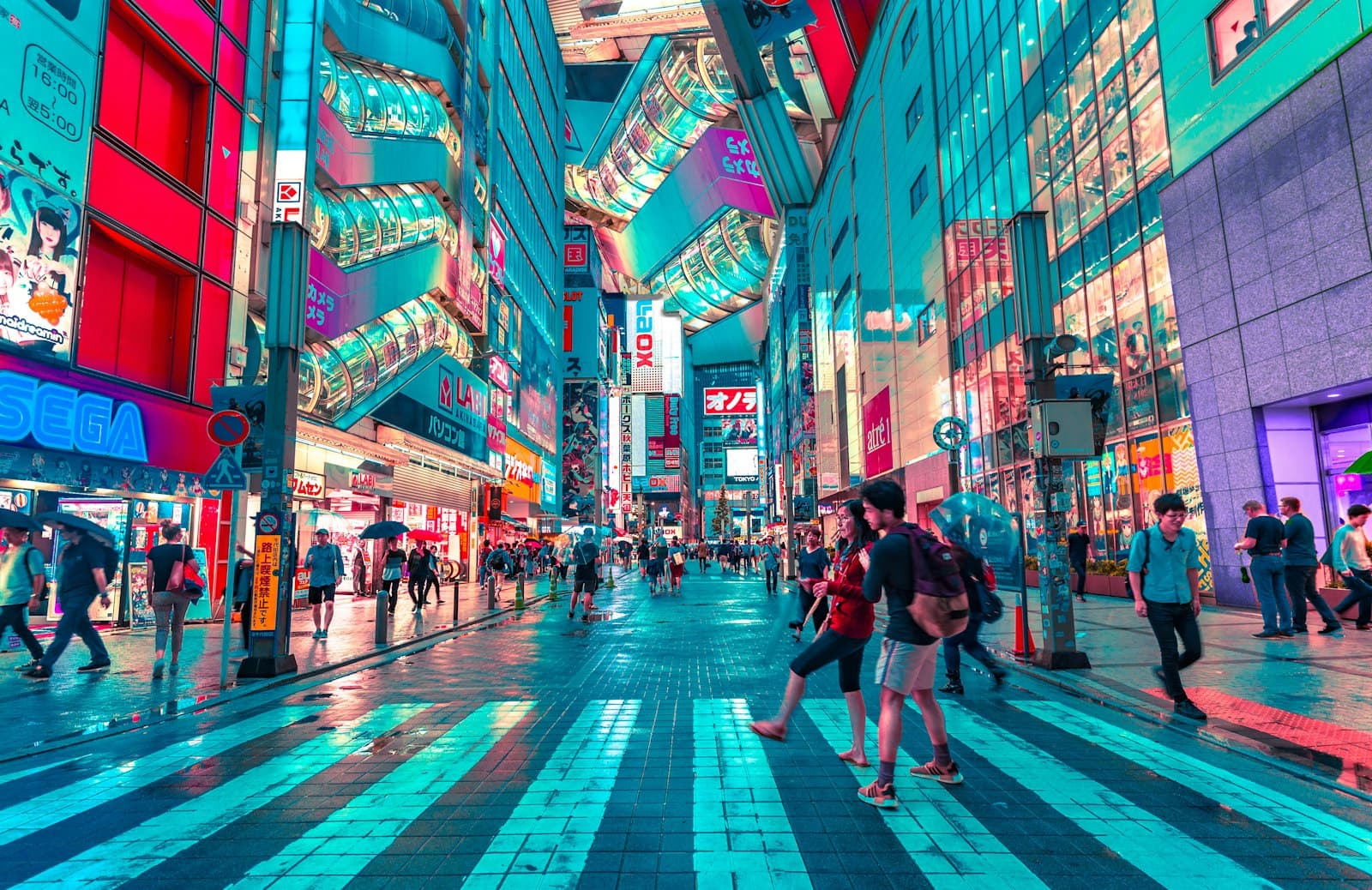
Shibuya Guide: Crossing, Sky, Food, and Nightlife for First-Timers
Shibuya guide for tourists: scramble crossing tips, Shibuya Sky tickets, where to eat, nightlife streets, and what to skip near the station.
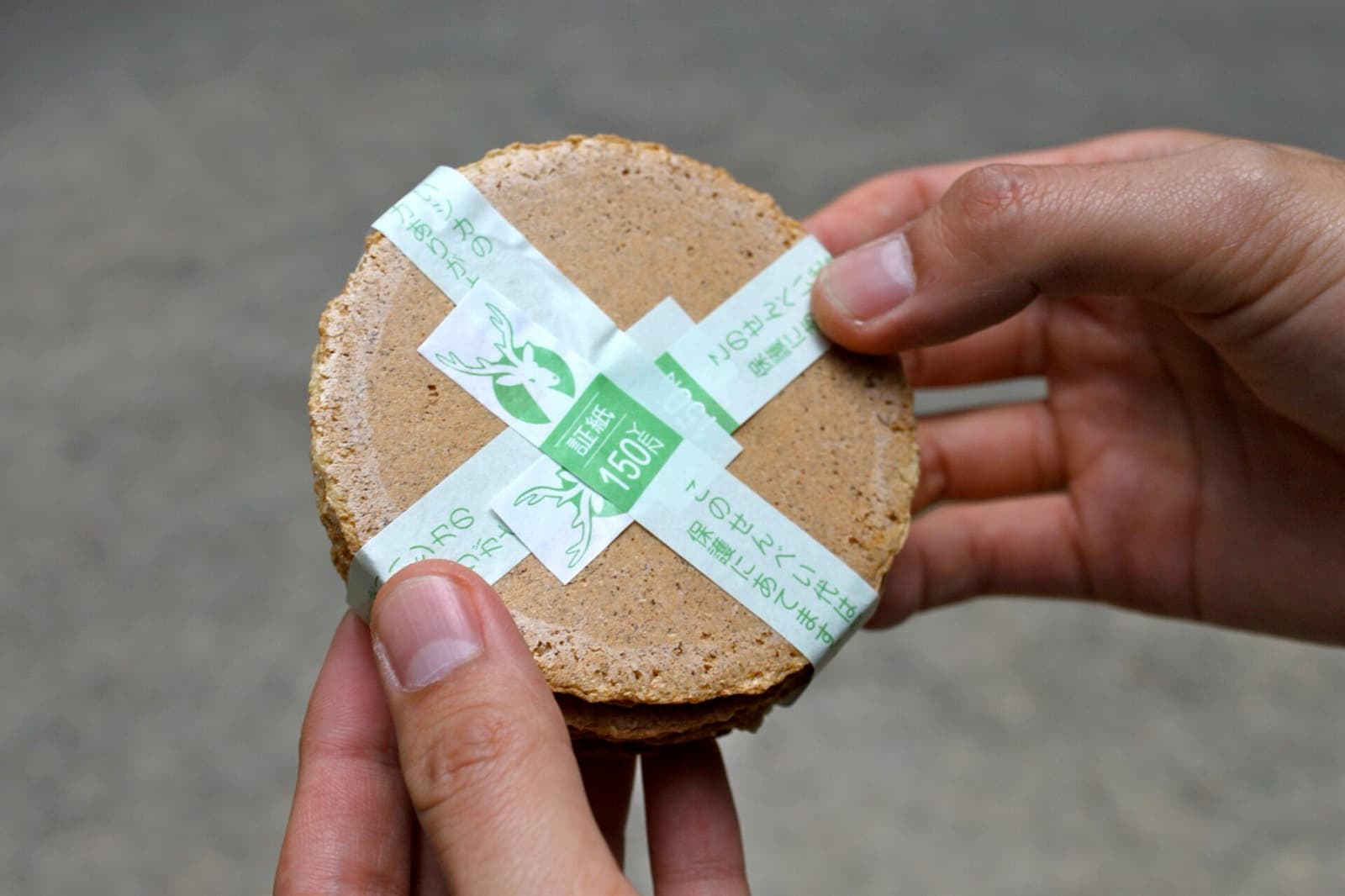
What to Do in Nara: Deer, Todai-ji, and a Perfect Day Trip
What to do in Nara for first-timers: Todai-ji, Nara Park deer etiquette, Kasuga Taisha, food stops, and whether to DIY from Kyoto/Osaka or book a guided day.
Asakusa Guide: Senso-ji, Skytree, and Old Tokyo Done Right
Asakusa guide for first-timers: Senso-ji early, Nakamise without the crush, Skytree timing, Kappabashi, and when a short tour beats wandering alone.