Shimokitazawa Guide: Tokyo's Coolest Neighborhood (2026)
Shimokitazawa guide: vintage shops, live music, third-wave coffee, and the neighborhood Tokyo insiders keep to themselves. What to do, eat, and see.
Shimokitazawa is the neighborhood Tokyo keeps trying to gentrify — and keeps failing to flatten. Two stations, no major chains on the main streets, more vintage shops than any district in the city, and a live music scene that has launched Japanese indie bands for forty years. It's where creative Tokyo actually lives.
If you've done Shibuya and Shinjuku and want the city that locals write about, this is it. Shimokitazawa is compact enough to cover in a day but deep enough to reward repeat visits.
Why Shimokitazawa Matters
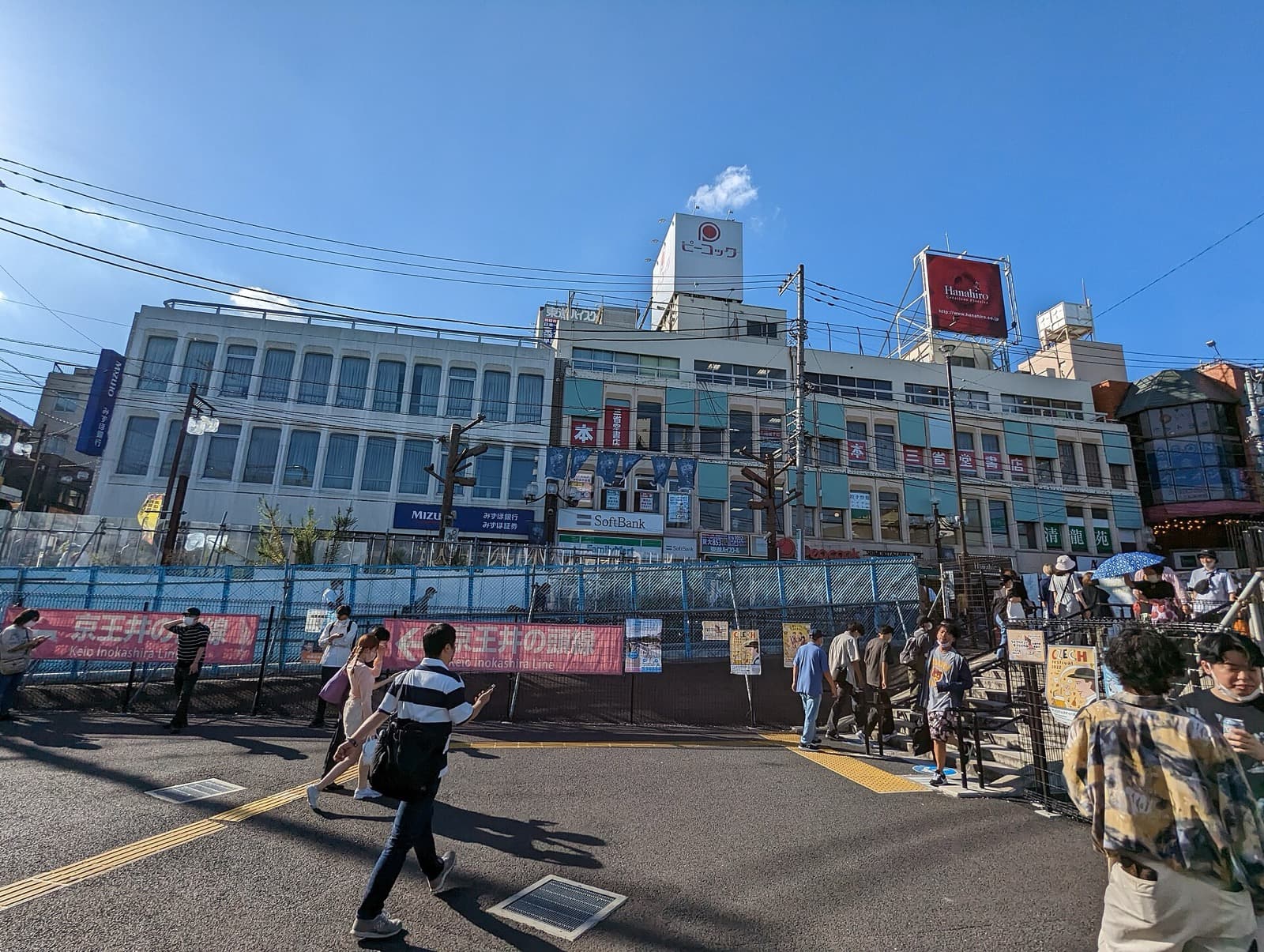
Shimokitazawa developed as a bohemian enclave in the 1960s–70s — cheap rents attracted artists, musicians, and students. The city tried to redevelop it in the 2000s (demolishing the old shotengai shopping street), which backfired spectacularly. The community fought back, and what emerged is a neighborhood that feels village-like inside the world's largest city.
Today: 200+ vintage and thrift stores, dozens of live houses, third-wave coffee, natural wine bars, and a demographic skewing young creative rather than corporate. It's the neighborhood most often recommended by people who actually live in Tokyo — and the one most tourists skip.
Compare it to other areas in our Tokyo neighborhoods guide.
Getting to Shimokitazawa
Odakyu Line from Shinjuku — 7 minutes to Shimokitazawa Station (West Exit for vintage, East Exit for live music and bars).
Keio Inokashira Line from Shibuya — 3 minutes to Shimo-Kitazawa Station. The two stations are connected underground — either works.
No JR line directly, which is part of why it stayed independent. From Tokyo Station, go to Shinjuku first, then Odakyu.
What to Do in Shimokitazawa
Vintage and Thrift Shopping
The main reason most people come. Over 200 secondhand clothing stores packed into a walkable area.
Start here:
- Flamingo — Curated American and Japanese vintage. Multiple Shimokitazawa locations.
- Chicago — Institution. Multi-floor chaos of kimono, Americana, and random gems.
- Little Trip to Heaven — Smaller, more curated. Band tees and 70s–80s pieces.
Full breakdown in our Tokyo vintage shopping guide. Budget a half-day minimum for serious browsing.
Live Music
Shimokitazawa's live house scene is legendary. Small venues (200–500 capacity) hosting Japanese indie, rock, electronic, and experimental acts nightly.
Key venues:
- Shelter — The most famous. Underground club and live house. Check the schedule for international acts.
- Basement Bar — Intimate. Jazz, acoustic, singer-songwriters.
- Three — Rock and indie focus. Raw energy.
- Flowers Loft — Upstairs from Shelter. Emerging artists.
Check Shimokitazawa live house schedules or pick up flyers at the station. Shows typically start 7pm, tickets ¥2,000–3,500.
Coffee
Shimokitazawa takes coffee seriously.
- Bear Pond Espresso — Cult status. Owner-only barista, limited hours, exceptional espresso. Go early.
- Onibus Coffee — Multi-location roaster with a Shimokitazawa outpost. Clean, precise pour-overs.
- Coffee Supreme — New Zealand-born, Tokyo-perfect. Good for flat whites.
Also see our best coffee in Tokyo guide for city-wide picks.
Browsing the Shotengai
The covered shopping streets (both old and new) have independent bookstores, record shops, plant stores, and craft shops. No chain restaurants on the main drag — by community agreement.
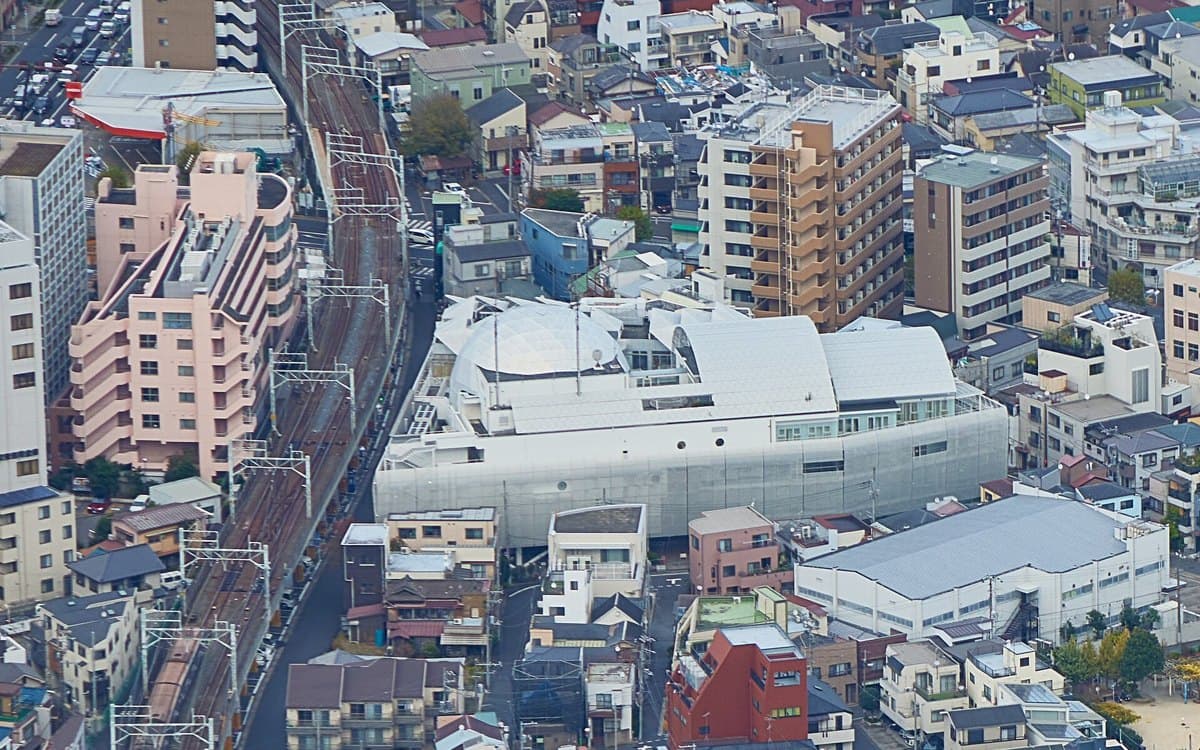
Bonus: The new Shimokitazawa station area (opened 2022) has a modern underground mall, but the charm is in the streets above and around it.
Where to Eat and Drink
Restaurants
- Setagaya Ramen — Shimokitazawa branch of the famous bonito broth shop. Rich, fish-forward, always a line.
- Wave Shimokitazawa — Creative Japanese cooking. Natural wine list. Reservation recommended.
- Gardener's Table — Vegetarian-friendly, garden atmosphere. Weekend brunch spot.
Bars
- U-stream — Craft beer and natural wine. Casual, knowledgeable staff.
- Little Nap Coffee Stand (evening wine bar mode) — Day coffee, evening natural wine.
- Tiny bars on the north side — Wander the side streets near the tracks. Dozens of 8-seat bars with no English names and excellent highballs.
Izakaya
Skip the chains. Pick any crowded izakaya on the side streets near the west exit. Order beer and yakitori. You'll eat well for ¥2,500–3,500. For specific recommendations city-wide, see best izakaya in Tokyo.
Shimokitazawa by Time of Day
Morning (10am–12pm): Coffee at Bear Pond or Onibus. Vintage shopping before crowds. Quiet streets.
Afternoon (12–5pm): Lunch at Setagaya Ramen. Continue vintage browsing. Browse record shops and bookstores.
Evening (5–8pm): Natural wine or craft beer. Dinner at Wave or a neighborhood izakaya.
Night (8pm–late): Live music at Shelter or Basement Bar. After-show drinks at tiny bars. Shimokitazawa comes alive after dark.
Where to Stay in Shimokitazawa
Shimokitazawa has limited hotel options — it's a residential neighborhood, not a tourist district. A few boutique guesthouses and Airbnb options exist.
Better approach: Stay nearby in Sangenjaya (one stop on Tokyu) or Ebisu (15 min). Or stay in Shimokitazawa if you find a guesthouse — waking up here beats waking up in Shinjuku.
For a full comparison of where to base yourself, see best Tokyo neighborhoods compared.
Shimokitazawa vs Similar Neighborhoods
| Factor | Shimokitazawa | Koenji | Nakameguro | Daikanyama | |--------|---------------|--------|------------|------------| | Vintage shops | Best in Tokyo | Excellent | Few | Some | | Live music | Best | Good | Minimal | Minimal | | Cafes | Excellent | Good | Excellent | Excellent | | Nightlife | Good (bars, live) | Good (punk bars) | Moderate | Quiet | | Crowds | Moderate | Low | Moderate | Low | | Budget | Mid | Budget–mid | Mid–high | High | | Vibe | Creative, indie | Gritty, punk | Refined, canal | Grown-up, design |
Choose Shimokitazawa for vintage + music. Koenji if you want punk and cheaper. Nakameguro for cafes and aesthetics.
Practical Tips
Visit on weekdays if you're shopping vintage seriously. Weekends are crowded with local shoppers.
Cash helps at smaller vintage shops and bars. Many take cards, but not all.
Don't rush. Shimokitazawa rewards slow wandering. The best finds are in shops without signs.
Combine with nearby Sangenjaya — one Tokyu stop away, quieter, excellent small restaurants and a few more vintage shops.
Getting to Inokashira Park — 15-minute walk or one stop on Inokashira Line. Tokyo's best local park for a picnic after shopping.
FAQ
Is Shimokitazawa worth visiting? Yes — especially if you've done the major tourist neighborhoods and want to see creative, local Tokyo. Essential for vintage shoppers and music fans.
How long do I need in Shimokitazawa? Half a day for a taste. Full day for vintage shopping and evening live music. Two visits if you're a serious thrifter.
Is Shimokitazawa good for staying in Tokyo? Yes, if you prioritize character over convenience. Transit to Shinjuku (7 min) and Shibuya (3 min) is excellent. Less ideal for first-timers who want iconic landmarks walkable.
What's the best vintage shop in Shimokitazawa? Flamingo for curated quality. Chicago for volume and digging. Little Trip to Heaven for smaller curated finds.
Is Shimokitazawa safe at night? Yes. It's a residential neighborhood with active nightlife. Normal urban awareness applies.
When is the best time to visit Shimokitazawa? Weekday afternoons for shopping. Friday or Saturday night for live music. Avoid Sunday afternoon if you dislike crowds.
Explore more of Tokyo's neighborhoods in our full neighborhood guide. For what to do across the city, see what to do in Tokyo.
Yuki Tanaka
Culture & Food Editor
Born and raised in Tokyo. Writes about the city most tourists never see.
Grew up in Shibuya, 1988–2006. Moved to NYC for university, returned to Tokyo in 2012. Has lived in Shimokitazawa, Nakameguro, and now Yoyogi.
Tokyo · 26 years in Japan
Mainly writes about: Japanese convenience store culture, izakaya etiquette, Tokyo neighborhoods, daily life
The Standard Newsletter
Tokyo in your inbox. Weekly.
No algorithms curating your culture. No sponsored content disguised as journalism. Just the real Tokyo — the izakayas at 2am, the Harajuku kids who never made it to the algorithm, the ramen shop with no sign.
8K+
Subscribers
Weekly
Editions
Free
Always
Join the underground.
One email a week. Unsubscribe anytime.
No spam. No sharing your data. Tokyo only.
Related Stories
Japan on a Budget 2026: How to Travel Cheap Without Missing Out
Japan on a budget in 2026: ¥8,000–12,000/day is realistic. Cheap hotels, konbini meals, free attractions, and transport hacks from people who live here.
Japan Travel FAQ: Answers to Every Question (2025)
Japan travel FAQ: Do I need a visa? How much cash? Can I use my phone? Is Japan safe? Here are the answers to every Japan travel question you have.
Best Tokyo Neighborhoods Compared: Where to Stay & Visit (2025)
Best Tokyo neighborhoods compared: Shinjuku vs Shibuya vs Shimokitazawa vs Nakameguro. Where to stay, what to do, and which neighborhood fits you.