Skip to content

Tokyo's Underground, Unfiltered.

Tokyo Vintage Shopping Guide: Where to Find the Real Stuff (2026)

Tokyo Vintage Shopping Guide: Where to Find the Real Stuff (2026)

Tokyo vintage shopping: Shimokitazawa, Koenji, Harajuku, and the stores locals actually buy from. American, Japanese, and designer vintage across the city.

M
Maya Yamamoto
·April 2, 2026·10 min read
Share
tokyo vintagevintage shopping tokyoshimokitazawa vintagekoenjiharajuku thriftjapanese streetwearsecondhand tokyo

Tokyo is one of the world's great vintage cities — not because of curated Instagram boutiques, but because of the density of secondhand culture built over decades. Shimokitazawa has over 200 thrift stores. Koenji is where punk kids have been digging since the 1980s. Harajuku turns American workwear into high fashion. The best Tokyo vintage shopping happens in neighborhoods, not malls.

This guide covers where to go, what each area specializes in, and how to find pieces that aren't already picked over by resellers.

Why Tokyo Vintage Is Different

Japan imported American culture obsessively after WWII — denim, military surplus, Ivy League prep, hip-hop streetwear. Decades of careful buying and storing means the inventory is deep. Japanese vintage shops don't just sell old clothes; they curate, repair, and price by condition and rarity.

You'll find:

  • American vintage — Levi's, Carhartt, military jackets, band tees
  • Japanese brands — Comme des Garçons, Issey Miyake, Yohji Yamamoto, Visvim
  • Streetwear archives — Supreme, BAPE, early Nike and Adidas Japan releases
  • Workwear and Americana — the specialty Tokyo does better than anywhere outside the US

Prices aren't thrift-store cheap anymore — the global vintage boom hit Tokyo hard — but quality and selection remain unmatched.

Shimokitazawa: The Vintage Capital

Best for: General vintage, variety, full-day browsing.

Shimokitazawa has more secondhand shops per square meter than anywhere in Tokyo. The neighborhood resists chain stores and rewards walking. Start at the north side near the station and work south through the side streets.

Stores to hit:

  • Flamingo — Multiple locations in Shimokitazawa. Well-curated American and Japanese vintage. Denim, outerwear, accessories. Prices are fair for the quality.
  • Chicago — A Shimokitazawa institution. Massive inventory across floors — kimono, Americana, military, random treasures. Digging required.
  • Little Trip to Heaven — Smaller, more curated. Good for band tees and 70s–80s pieces.
  • New York Joe Exchange — Budget-friendly. Less curated but genuine finds if you have patience.

Tip: Visit on weekdays. Weekends are packed with local shoppers and tourists. Thursday afternoon is the sweet spot — after new stock drops, before weekend crowds.

Shimokitazawa connects to the broader Tokyo neighborhood guide — stay for the cafes and live music after shopping.

Koenji: Punk, Grit, and Hidden Gems

Best for: Punk and alternative fashion, cheaper prices, underground energy.

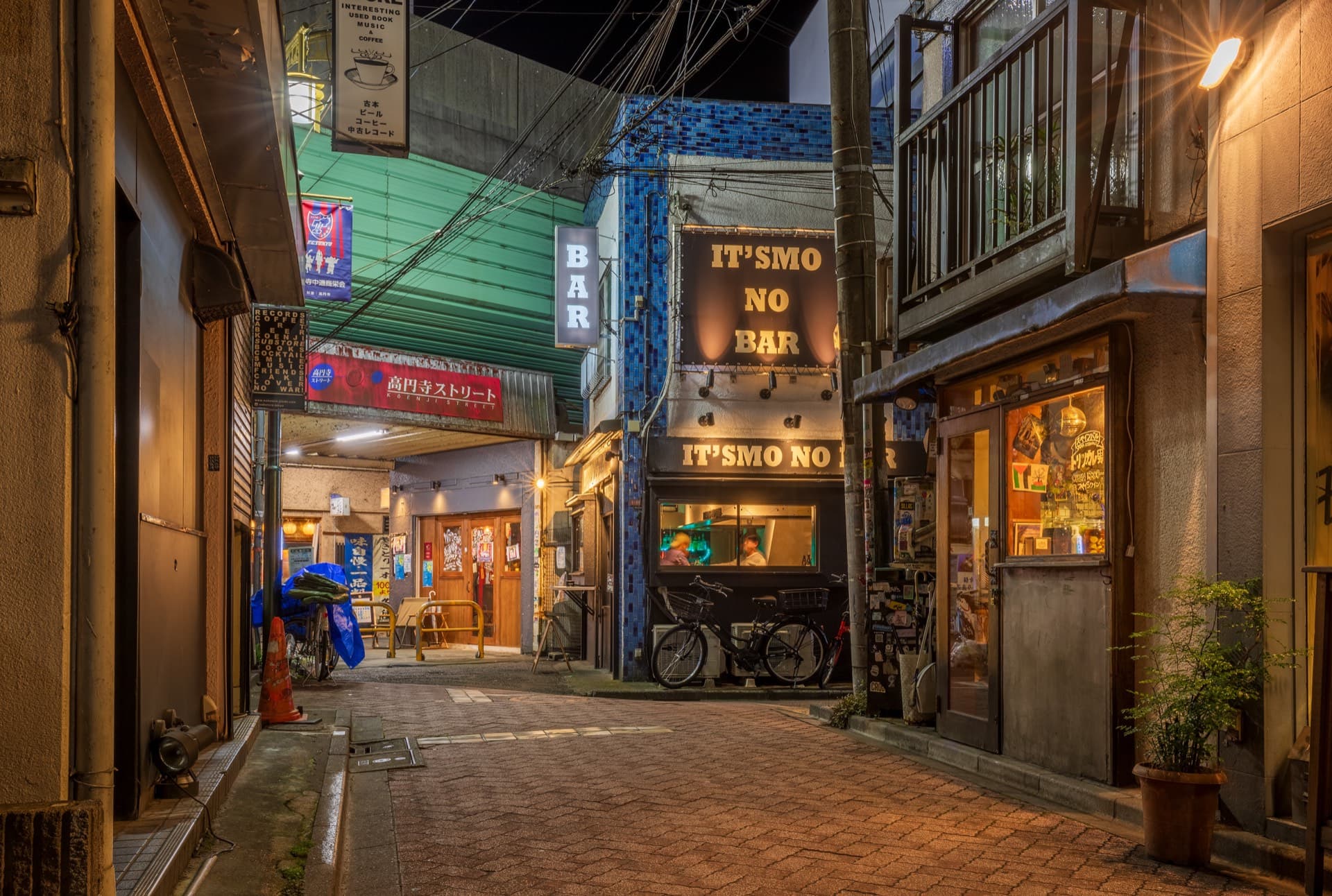
Koenji is Shimokitazawa's grittier sibling — less polished, more attitude. The vintage shops here lean punk, military, and weird. Prices tend to be lower because the neighborhood attracts locals, not tourists.

Stores to hit:

  • Safari — One of Tokyo's best-curated vintage shops. Americana, workwear, rare denim. Prices reflect the curation.
  • Giant Robot — Streetwear and skate culture vintage. Supreme, Stussy, old Nike. Popular with resellers — go early.
  • Small shops along Pal shopping street — Dozens of tiny stores with ¥500–2,000 racks outside. Perfect for casual browsing.

Koenji's vintage scene overlaps with the underground fashion culture that defines Tokyo's creative edge.

Harajuku: Streetwear and High Fashion Vintage

Best for: Japanese designer vintage, streetwear archives, statement pieces.

Harajuku isn't just Takeshita Street tourist traps. The backstreets around Cat Street and Omotesando hold serious vintage and archive stores.

Stores to hit:

  • Berberjin — Legendary denim and Americana specialist. One of the most respected vintage shops in the world. Expensive but authoritative.
  • Ragtag — Multi-location chain for secondhand designer (Comme des Garçons, Yohji, Issey Miyake). Harajuku flagship is the best. Condition-graded and priced accordingly.
  • Kindal — Similar to Ragtag — curated designer secondhand. Multiple Tokyo locations.
  • Nude Trump — Harajuku vintage with a streetwear edge. Good for 90s–2000s pieces.

For current Japanese streetwear brands (not vintage but essential context), see our Japanese streetwear brands guide.

Other Neighborhoods Worth a Stop

Nakano Broadway

Not vintage-specific, but Mandarake (multi-floor manga/anime/toy collectibles) and surrounding shops have vintage band merch, old jerseys, and random fashion finds. Weird and wonderful.

Shimokitazawa-adjacent: Sangenjaya

Quieter, a few excellent small vintage shops, good cafes. Worth combining with a Shimokitazawa day.

Kichijoji

Sun Road shopping arcade has several secondhand shops. Less overwhelming than Shimokitazawa, good for a relaxed browse after Inokashira Park.

Daikanyama

Higher-end consignment — Tsutaya Books area has Kindal and smaller designer vintage. Less digging, more selecting.

How to Shop Tokyo Vintage

Check condition labels. Japanese shops grade rigorously: S (mint), A (excellent), B (good wear), C (visible wear). Prices match the grade.

Know your sizes. Japanese vintage runs small. A labeled "L" American tee might fit like a modern M. Try everything on — most shops allow it.

Bring cash. Many smaller shops are cash-only or prefer it. ¥10,000–20,000 is a reasonable budget for a serious shopping day.

Don't expect ¥500 treasures. The era of ¥500 Levi's in Tokyo is largely over. Budget ¥3,000–15,000 per piece for quality vintage. Archive and designer pieces go much higher.

Ask about damage. Staff will point out stains, holes, or fading. This is normal — they're being honest, not discouraging you.

Vintage Shopping by Style

| Style | Best Neighborhood | Price Range | Difficulty | |-------|-------------------|-------------|------------| | Americana / denim | Shimokitazawa, Koenji | ¥5,000–30,000 | Moderate | | Japanese designer | Harajuku (Ragtag, Kindal) | ¥8,000–50,000+ | Easy (curated) | | Streetwear archive | Harajuku, Koenji | ¥5,000–40,000 | Hard (competitive) | | Punk / alternative | Koenji | ¥1,000–8,000 | Moderate | | Budget browsing | Shimokitazawa (Chicago, New York Joe) | ¥500–5,000 | Easy | | Military / workwear | Shimokitazawa, Koenji | ¥3,000–20,000 | Moderate |

FAQ

What's the best neighborhood for vintage shopping in Tokyo? Shimokitazawa for variety and density. Koenji for punk and cheaper finds. Harajuku for designer and streetwear archives.

Is Tokyo vintage expensive? More than it used to be. Quality American denim runs ¥8,000–30,000. Designer secondhand at Ragtag starts around ¥5,000. Budget shops still exist but the ¥500 treasure hunt is rare.

Are there fake vintage items in Tokyo? Reputable shops authenticate. Be cautious at flea markets and random street stalls. Established stores like Berberjin, Flamingo, and Ragtag guarantee authenticity.

When do vintage shops in Tokyo restock? Most restock weekly — Thursday or Friday is common. Weekday mornings after restock day have the best selection.

Can I sell vintage clothes in Tokyo? Yes. Many shops buy — Ragtag, Kindal, and smaller stores accept consignment or direct purchase. Condition and brand matter. Bring items clean and on hangers.

Do I need to speak Japanese to shop vintage in Tokyo? No at major shops — staff at Flamingo, Ragtag, and Berberjin often speak basic English. Smaller Koenji shops may not, but pointing and calculators work fine.

Pair vintage shopping with our Harajuku underground fashion guide for the full picture of Tokyo style. For where to stay near the best shopping, see best Tokyo neighborhoods compared.

M

Maya Yamamoto

Fashion & Culture Writer

Harajuku kid who never left. Covers street fashion and underground culture.

Grew up in Saitama, moved to Harajuku at 18. Been documenting street fashion and youth culture since 2015.

Tokyo · 28 years in Japan

Mainly writes about: Harajuku fashion, Japanese streetwear, underground culture, vintage

The Standard Newsletter

Tokyo in your inbox. Weekly.

No algorithms curating your culture. No sponsored content disguised as journalism. Just the real Tokyo — the izakayas at 2am, the Harajuku kids who never made it to the algorithm, the ramen shop with no sign.

8K+

Subscribers

Weekly

Editions

Free

Always

Join the underground.

One email a week. Unsubscribe anytime.

No spam. No sharing your data. Tokyo only.

Related Stories

More →