
Best Ramen in Tokyo 2026 (Local Favorites by Style)
Best ramen in Tokyo: shoyu at Tsuta, tonkotsu at Ichiran, tsukemen at Fuunji — ranked by style, neighborhood, and price for 2026.
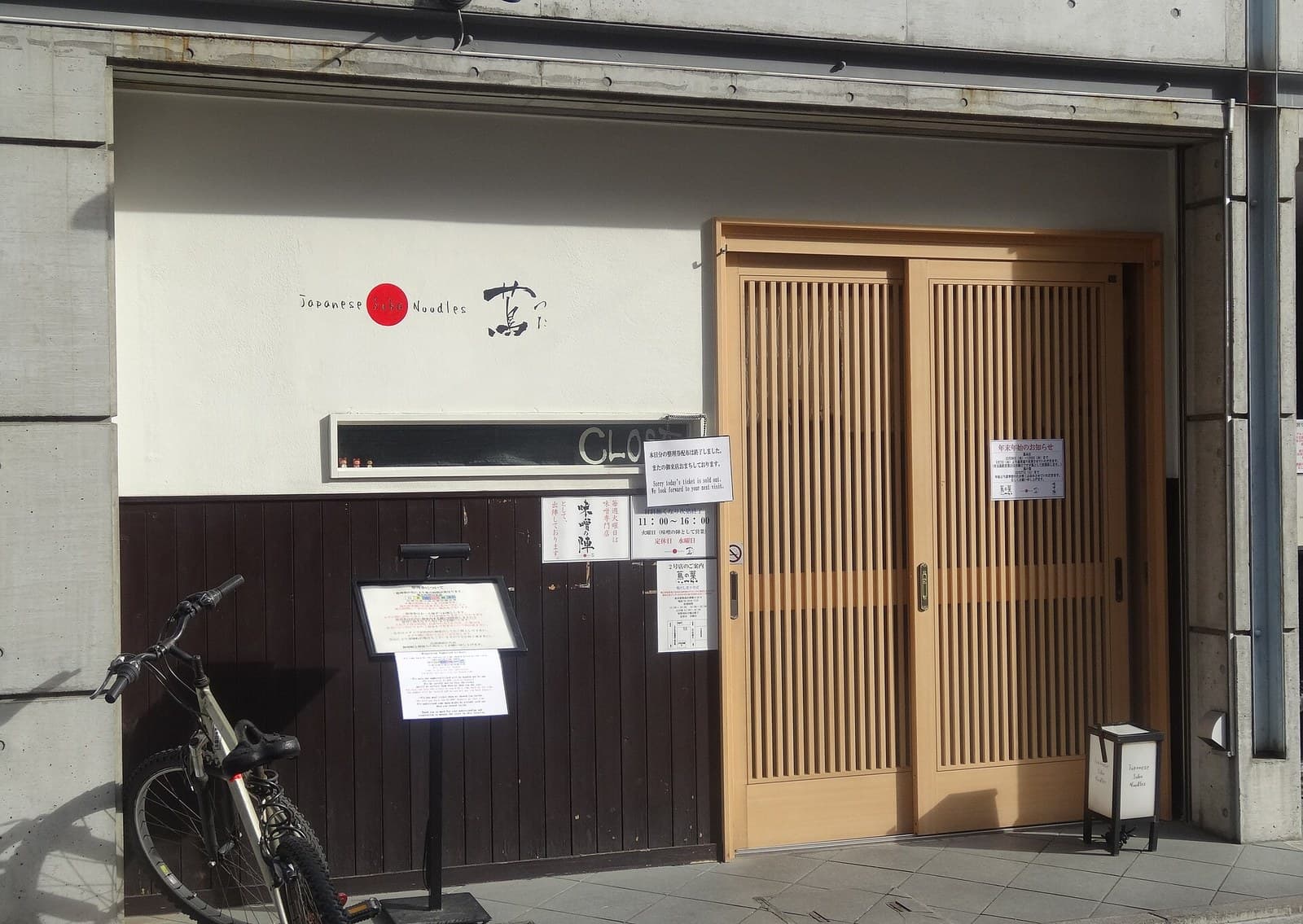
Tokyo has over 3,000 ramen shops. The city didn't invent ramen, but it perfected it — and turned it into an obsessive culture of regional styles, secret recipes, and lines around the block at 11pm. The best shops serve one style only, refine it for decades, and never compromise.
Here's where to eat the best ramen in Tokyo in 2026, organized by style and neighborhood. Pair with the Japanese food guide and Tokyo neighborhood guide.
Quick picks (start here)
| Shop | Style | Area | Price | Best for |
|---|---|---|---|---|
| Tsuta | Shoyu | Sugamo | ¥1,200–1,500 | Michelin / once-in-a-trip bowl |
| Ichiran | Tonkotsu | Shibuya, Shinjuku + | ~¥1,090 | Reliable, late-night, solo booths |
| Fuunji | Tsukemen | Shinjuku | ¥900–1,100 | Locals’ dipping-noodle pick |
| Nagi Golden Gai | Tonkotsu / niboshi | Shinjuku | ~¥1,050 | After-bars, polarizing umami |
| Afuri | Yuzu shio | Harajuku + | ¥900–1,200 | Lighter bowl, easier lines |
Line tip: Weekday 14:00–17:00 or after midnight beats lunch and dinner rushes.
Understanding Tokyo Ramen Styles
Tokyo ramen isn't one thing — it's a spectrum of regional imports that evolved in the city's neighborhoods:
| Style | Broth Base | Defining Feature | Best For |
|---|---|---|---|
| Shoyu | Soy sauce + chicken/pork | Clear, savory, classic Tokyo | First-timers, purists |
| Tonkotsu | Pork bone | Rich, creamy, southern Japan | Richness lovers |
| Miso | Fermented soybean paste | Hearty, warming, from Hokkaido | Cold nights |
| Tsukemen | Dipping broth | Thick noodles separate from intense broth | Ramen nerds |
| Shio | Salt-based | Lightest, most delicate | Subtle flavor fans |
Most shops specialize in one style. The best shops don't have menus — they serve one perfect bowl.
The Best Ramen Shops in Tokyo by Style
Best Shoyu (Soy Sauce) Ramen
Tsuta (巣鴨) Tokyo's only Michelin-starred ramen shop (awarded 2016, maintained for years). The shoyu ramen uses truffle oil and rare soy sauces. Expect a 1–2 hour wait even at 2pm. Worth it.
- Location: Sugamo (near Sugamo Station)
- Price: ¥1,200–¥1,500
- Order: Shoyu soba (their signature)
- Line strategy: Arrive by 10:30am or after 2pm
Chuka Soba Katanashi (中華そば かたなし) — Kanda Old-school Tokyo shoyu with chintan (clear broth). No frills, no Instagram angles — just technically perfect ramen that tastes like the 1960s.
- Price: ¥950
- Style: Traditional Tokyo chintan
Best Tonkotsu (Pork Bone) Ramen
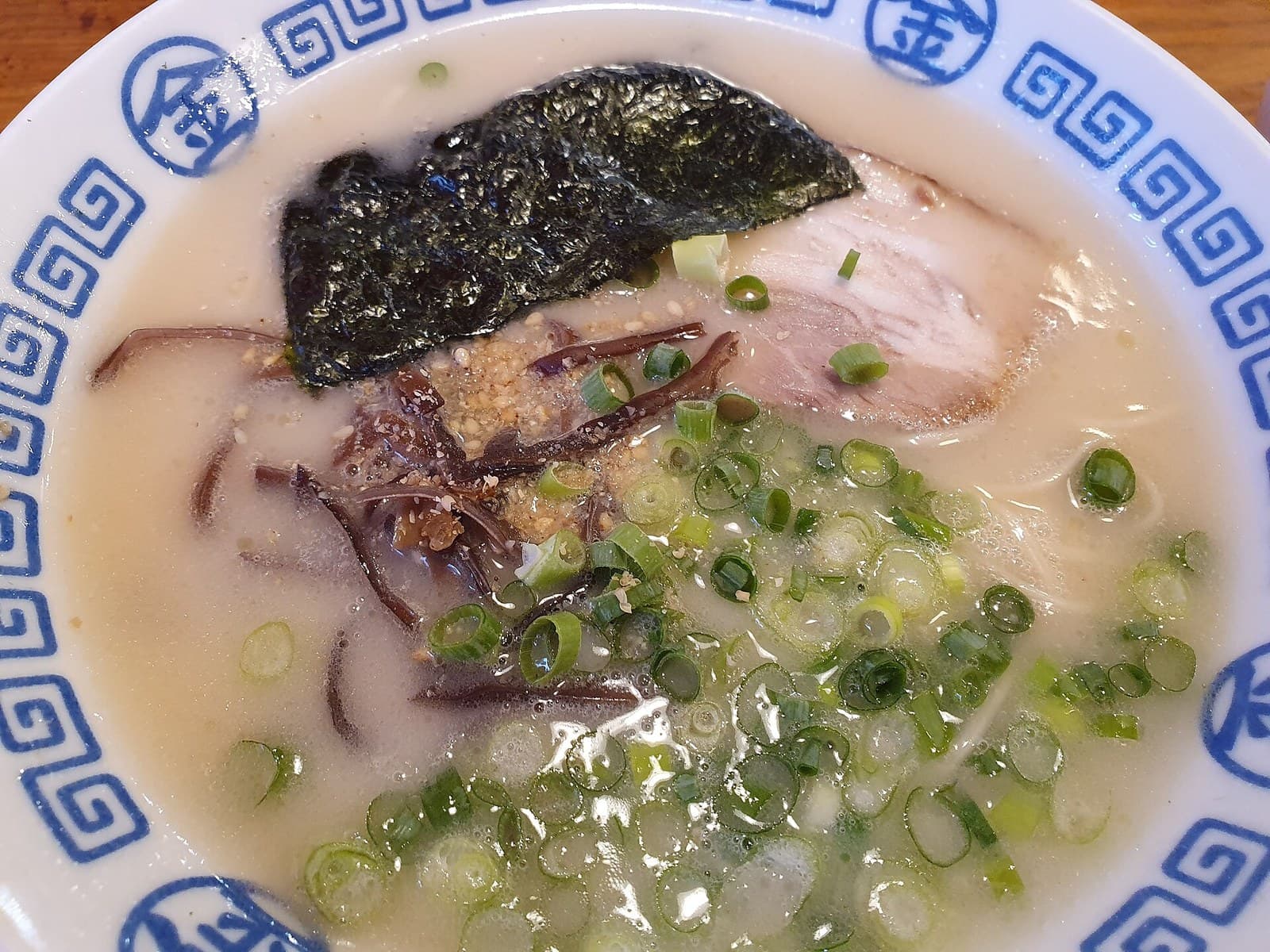
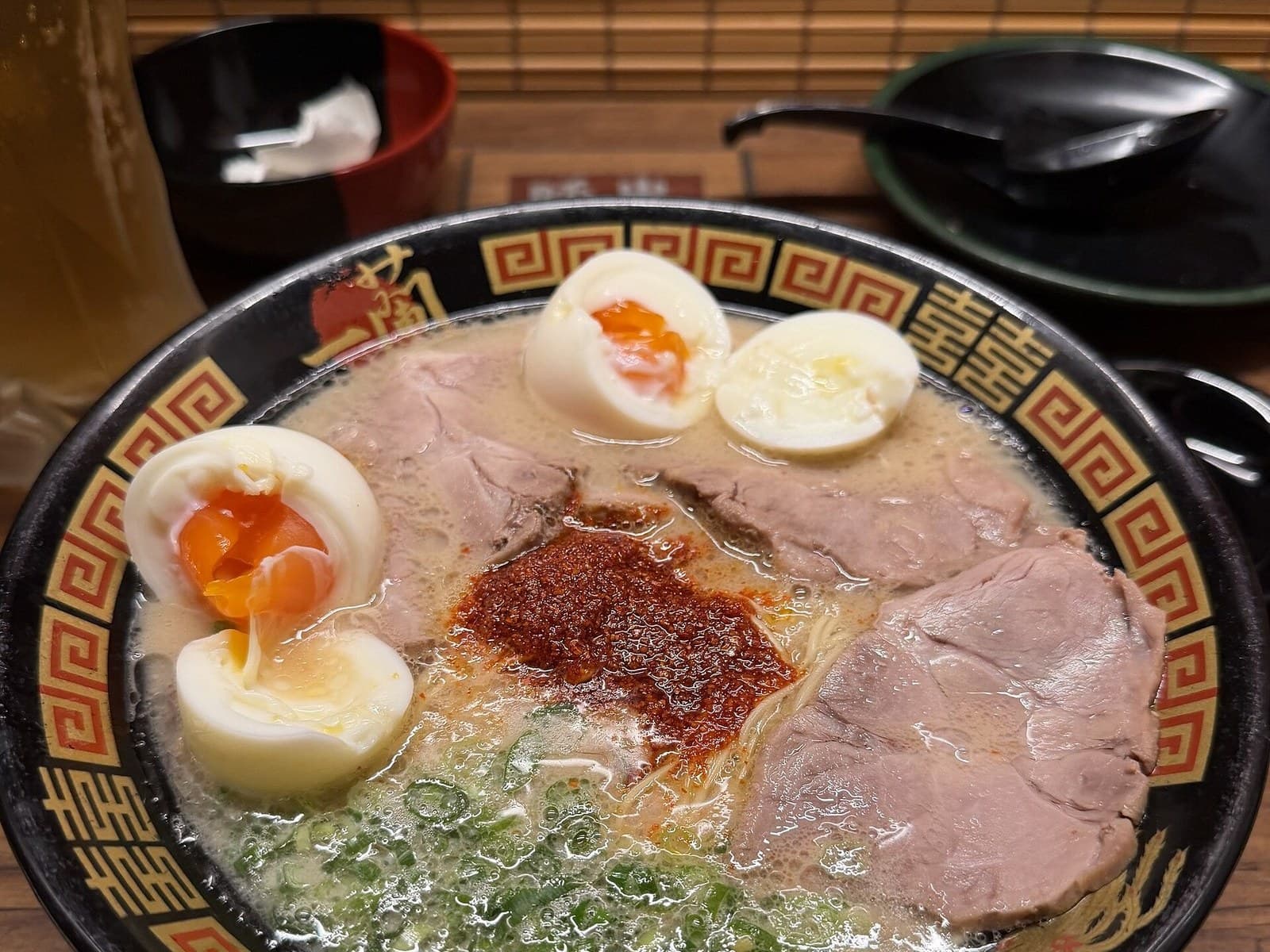
Ichiran (一蘭) — Multiple locations Yes, it's a chain. Yes, tourists line up. It's still exceptional tonkotsu. The solo booth system, customization form, and 24/7 service make it the perfect midnight bowl.
- Locations: Shibuya, Shinjuku, Harajuku, Roppongi
- Price: ¥1,090
- Order: Extra-rich broth, extra garlic
- Best time: After midnight — no line
Nagi Golden Gai (凪) — Shinjuku Hidden in Golden Gai's tiny alleys. The niboshi (dried sardine) tonkotsu is polarizing — deeply fishy, intensely umami. If you love it, you'll never forget it.
- Location: Golden Gai, Shinjuku (2nd floor, tiny space)
- Price: ¥1,050
- Closes: 4am most nights
Best Tsukemen (Dipping Ramen)
Fuunji (風雲児) — Shinjuku The tsukemen most Tokyo locals recommend. Thick, chewy noodles dipped in an almost absurdly concentrated pork-and-fish broth. The noodles are what separates great tsukemen from good — Fuunji gets it.
- Location: Shinjuku (near Shinjuku-sanchome Station)
- Price: ¥900–¥1,100
- Line: Long but moves fast
- Order: Tsukemen with extra noodles (kaedama)
Rokurinsha (六厘舎) — Tokyo Station Inside Tokyo Station's Ramen Street (yes, an entire hallway of ramen). The tsukemen has won awards. The line looks insane but typically moves in 20–30 minutes.
- Location: Tokyo Station B1 (Ramen Street)
- Price: ¥950
- Tourist-friendly: English ticket machine
Best Miso Ramen
Mensho Tokyo (麺匠 東京) — Shinjuku Modern miso ramen with lamb and Middle Eastern spices. Not traditional — but Tokyo ramen never stops evolving. The lamb miso is unlike anything else in the city.
- Location: Shinjuku (near Shinjuku-gyoenmae Station)
- Price: ¥1,200
- Style: Fusion, experimental
Best Shio (Salt) Ramen
Soba House Konjiki Hototogisu (Japanese Soba Noodles 蔦) — Multiple locations Delicate shio broth with clams, lighter than shoyu but still deeply flavored. Perfect for summer or when you want ramen without feeling too full.
- Price: ¥1,000
- Style: Refined, elegant
Best Ramen by Neighborhood
Shinjuku: Ramen Central
Shinjuku has the highest concentration of excellent ramen shops in Tokyo. Start here.
- Fuunji (tsukemen)
- Nagi Golden Gai (niboshi tonkotsu)
- Mensho Tokyo (miso, experimental)
Walk from Shinjuku Station → Golden Gai → Kabukicho for three bowls in one night (only for the committed).
Shibuya: Late-Night Options
- Ichiran Shibuya (24/7 tonkotsu)
- Afuri (yuzu shio — citrus-infused salt broth, refreshing)
Tokyo Station: Tourist-Friendly Ramen Street
Eight shops in one underground corridor. All accept IC cards, most have English menus.
- Rokurinsha (tsukemen)
- Soranoiro (vegetarian and vegan options)
Ikebukuro: Budget and Volume
Mutekiya (無敵家) — Massive bowls, rich tonkotsu, ¥850. Line is long but worth it if you're starving.
Harajuku/Omotesando
Afuri — The yuzu shio ramen is light, citrusy, and photogenic. Good for first-timers or before heavy shopping.
How to Order Ramen in Tokyo (Step-by-Step)
Most shops use ticket machines. Here's the process:
- Find the vending machine outside or near entrance
- Insert cash (¥1,000 note or coins) — most don't take IC cards at machine
- Press button for ramen type (often labeled with pictures)
- Take ticket and any change
- Give ticket to staff when seated
- Customize if asked — noodle firmness (katame = firm, futsu = normal), broth richness (kotteri = rich, assari = light), garlic amount
Tip: If the machine has English, great. If not, press the top-left button (usually the shop's signature bowl).
Ramen Etiquette: Do This, Not That
| Do | Don't |
|---|---|
| Slurp loudly — it cools the noodles and shows appreciation | Blow on noodles or broth |
| Finish quickly — ramen is meant to be eaten fast while hot | Linger after finishing |
| Drink the broth or leave it — both fine | Ask for a spoon to sip delicately (just drink from bowl) |
| Order beer or gyoza before ramen arrives | Order during the meal (staff are busy) |
| Place ticket on counter when you sit | Talk loudly or take long photo sessions |
Full context: Japan etiquette rules and train etiquette.
Ramen Costs in Tokyo 2026
| Shop Type | Price Range | What You Get |
|---|---|---|
| Budget | ¥700–¥900 | Solid bowl, neighborhood shop |
| Standard | ¥900–¥1,200 | Most quality shops are here |
| Premium | ¥1,200–¥1,800 | Michelin-rated or specialty ingredients |
| Add-ons | ¥100–¥300 | Extra noodles, egg, chashu |
Average bowl: ¥1,000 (≈ $7 USD at 2026 rates). Tokyo ramen is cheap compared to global equivalents.
Best Times to Avoid Lines
- Weekdays 2–5pm — post-lunch lull
- Late night after 11pm — depends on the shop
- Early 10:30–11am — before lunch rush (some shops open at 11am)
Avoid: Friday and Saturday nights 7–9pm, Sunday lunch 12–2pm.
Vegetarian and Vegan Ramen in Tokyo
Not traditional, but increasingly common:
- Soranoiro (ソラノイロ) — Tokyo Station — Full vegan menu, vegetable-based broth
- T's Tantan — Tokyo Station — Vegan tan-tan-men (spicy sesame)
- Afuri — Offers vegetarian yuzu shio
Most traditional shops use pork or chicken broth — ask for "bejitarian" (ベジタリアン) options.
Michelin-Rated Ramen in Tokyo
Tsuta (Sugamo) was the first ramen shop to earn a Michelin star (2016). It has since opened additional locations:
- Original: Sugamo (longest wait)
- Yoyogi: Easier to get into
- International: Opened in Singapore, Hong Kong
Is it worth the hype? Yes — but only if you appreciate subtle shoyu flavors. If you want pure richness, Ichiran delivers more satisfaction per minute waited.
What Ramen Pairs Best With
Traditional ramen shop sides:
- Gyoza — Pan-fried dumplings (¥300–¥500)
- Karaage — Fried chicken (¥400–¥600)
- Beer — Asahi, Sapporo draft
- Rice bowl — Some shops offer small rice to mix with leftover broth
Don't over-order — ramen is filling.
FAQ
What is the best ramen shop in Tokyo? For first-timers: Tsuta (shoyu, Michelin-starred) or Ichiran (tonkotsu, reliable and accessible). For locals: Fuunji (tsukemen, consistent perfection).
How much does ramen cost in Tokyo? ¥900–¥1,200 per bowl at most quality shops. Budget shops start at ¥700; premium/Michelin spots go to ¥1,500–¥1,800.
Do I need to speak Japanese to order ramen? No — most shops use ticket machines with pictures. Point at what looks good or press the top-left button (usually the signature bowl).
What's the difference between ramen and tsukemen? Ramen is noodles in soup. Tsukemen is thick noodles served separately, dipped into concentrated broth. Tsukemen broth is stronger and meant for dipping, not drinking.
Is it rude not to finish ramen broth in Japan? No. Finishing the broth is complimentary, but leaving it is perfectly acceptable (broth is salty and filling). Always finish the noodles.
What does "extra-firm noodles" mean in ramen? Noodle firmness (men-katasa): katame = firm/al dente, futsu = normal, yawa = soft. Firm noodles hold texture longer in hot broth.
Can I get vegetarian ramen in Tokyo? Yes — Soranoiro (Tokyo Station), T's Tantan (Tokyo Station), and some Afuri locations offer full vegetarian/vegan ramen. Traditional shops rarely do.
Why are ramen shops so small with limited seating? Ramen culture values turnover and focus. Small shops mean lower rent, higher quality control, and faster service. The best shops seat 8–12 people maximum.
Should I tip at ramen shops in Japan? No. Tipping is not practiced in Japan. See full guide: Tipping in Japan.
Need Help with This?
Have questions about Best Ramen in Tokyo 2026 (Local Favorites by Style)? We're here to help. Send us a message and we'll get back to you within 24-48 hours.

Alex Rivera
Travel & Living Editor
Expat guide. Helps people actually move to and navigate Japan.
Moved from London to Tokyo in 2018. Went through the full gaijin experience—visa, housing, banking, the works. Now writes the guide he wished he had.
Tokyo
Expertise
Moving to Tokyo, expat life, travel, Kyoto vs Tokyo, onsen
The Standard Newsletter
Tokyo in your inbox. Weekly.
No algorithms curating your culture. No sponsored content disguised as journalism. Just the real Tokyo — the izakayas at 2am, the Harajuku kids who never made it to the algorithm, the ramen shop with no sign.
8K+
Subscribers
Weekly
Editions
Free
Always
Join the underground.
One email a week. Unsubscribe anytime.
No spam. No sharing your data. Tokyo only.
Related Stories
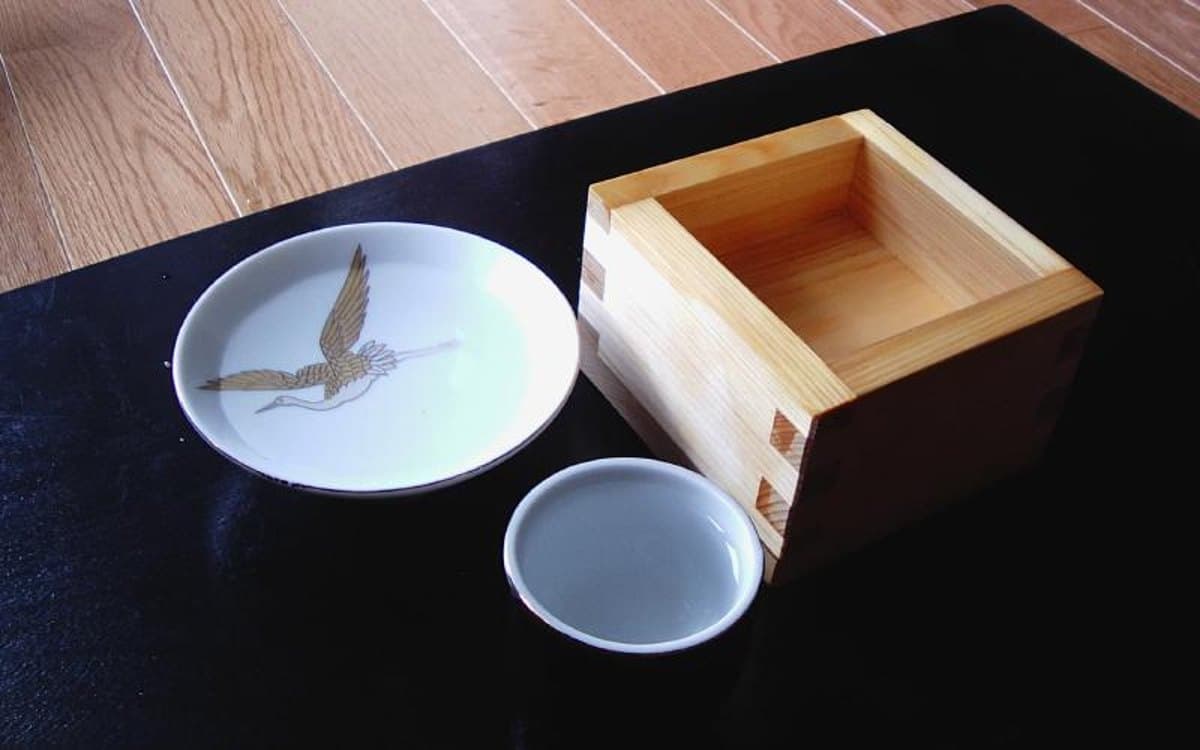
Fushimi Sake District Guide: Kyoto's Sake Brewery Neighborhood
Fushimi is Kyoto's sake brewery district — white-walled breweries, a canal boat ride, and tastings a short train ride from Fushimi Inari. Here's how to spend an afternoon there.

Vegetarian and Vegan Japan 2026: Honest Survival Guide
Fish dashi hides in “vegetable” dishes. Use HappyCow, a Japanese vegan card, confirmed shojin, and city-by-city tactics so plant-based Japan actually works.

How to Order at Ichiran in Japan: Ticket Machine, Booths, Order Sheet, Kaedama
Official Ichiran system: vacant-seat panel (空), flavor booths, circle the order sheet, call button, and kaedama sensor — no reservations.