
Japan Fireworks Festivals 2026: Best Hanabi and How to Watch
Japan fireworks 2026: Sumida River, Nagaoka, Lake Biwa, and dozens more hanabi taikai. Dates, viewing tips, yukata, and how to reserve river seats.
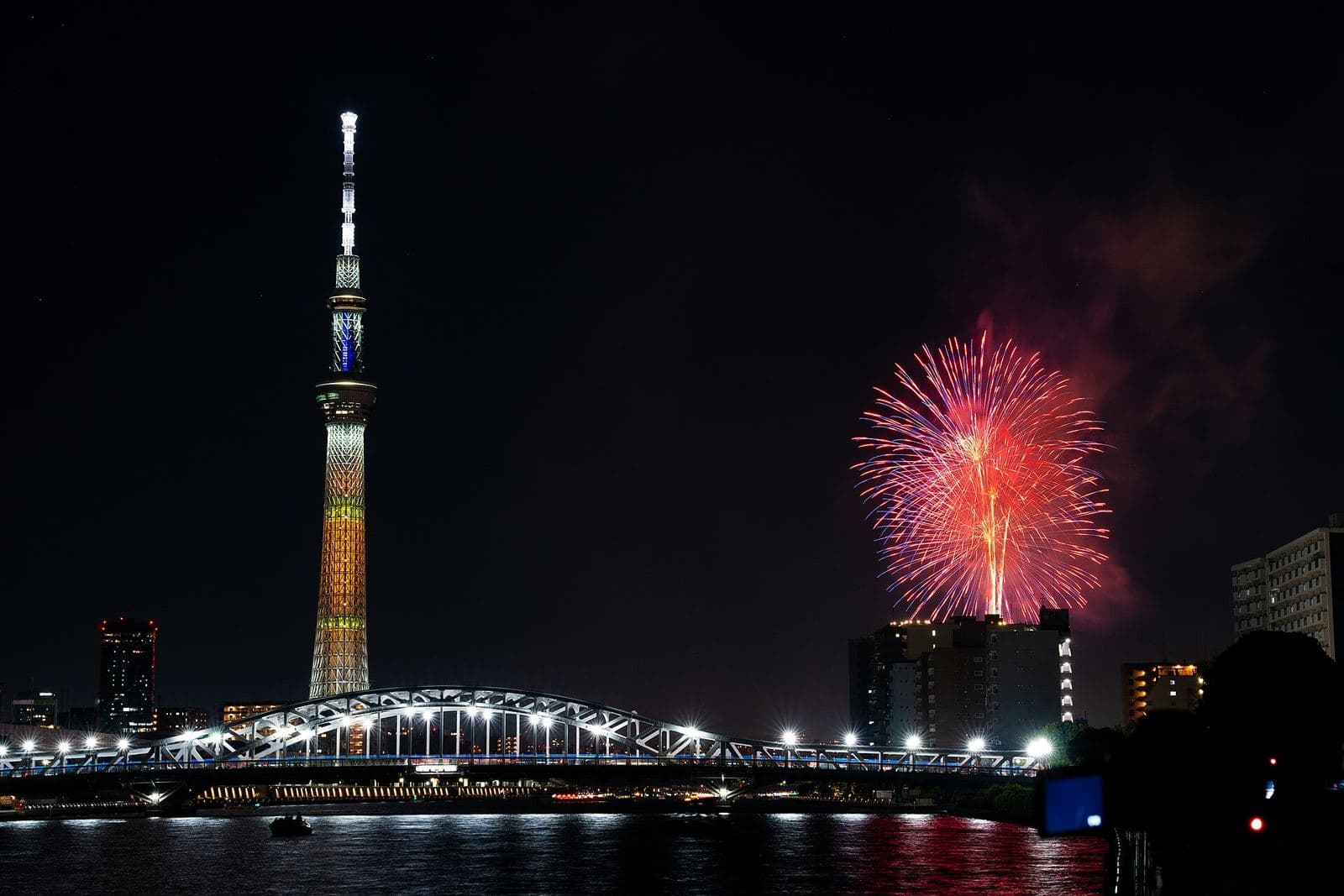
Japan fireworks festivals (hanabi taikai) in 2026 peak late July through August — some displays launch 20,000+ shells over rivers with crowds in the hundreds of thousands. Short answer: The Sumida River Fireworks Festival in Tokyo (late July) is the most famous; Nagaoka (Niigata) and Lake Biwa (Shiga) are the most spectacular scale; local riverside shows are often the best experience per hour of logistics.
This guide lists major 2026 events (confirm dates on official sites — rain delays are common), how to watch without misery, and links to summer in Japan planning. For autumn light instead of shells, see Tokyo Christmas illuminations 2026.

What's Left in 2026
Peak summer hanabi is done. If you're still chasing a major show this year:
- Tokyo Bay Grand Fireworks (Tokyo, Harumi Pier area) — Saturday, October 24, 17:30–19:00, about 12,000 fireworks. The first Tokyo Bay show since 2015, and the first ever held in autumn
- Tsuchiura All-Japan Fireworks Competition (Ibaraki) — Saturday, November 7, from 17:30, about 20,000 fireworks. Postponed to November 14 if the weather is bad
Omagari finished on August 29. The Miyajima water fireworks were not held in 2026.
Everything below is the full-season map — useful for confirming what you missed, or locking dates for summer 2027.
What Is a Hanabi Taikai?
Hanabi = fireworks; taikai = festival/competition. Many events are competitions between pyrotechnic teams — synchronized music, narrative themes, and shell types you won't see in a ten-minute suburban show.
Culture: People wear yukata (summer cotton kimono), eat street food, and reserve paid river seats months ahead or claim free spots hours early.
Not the same as: New Year's Eve fireworks (small), Disney nightly shows, or winter illuminations — summer hanabi is its own category.
Major Fireworks Festivals 2026 (Estimated Dates)
Always verify on official websites — typhoons and rain postpone events.
| Festival | Location | Typical Date | Scale / Notes |
|---|---|---|---|
| Sumida River | Tokyo (Asakusa area) | Last Saturday of July (Jul 25 in 2026) | ~20,000 shells; massive crowds |
| Edogawa | Tokyo (east) | Early August | Huge, slightly less tourist-heavy |
| Kamakura | Kanagawa | Late July | Beach + fireworks; day trip |
| Nagaoka | Niigata | Aug 2–3 | 20,000+ shells; national icon |
| Lake Biwa | Otsu, Shiga | Early August (Aug 6 in 2026) | Reflection on water |
| Miyajima | Hiroshima Bay | Not held in 2026 | Torii + fireworks |
| Omagari | Akita | Late August | National competition |
| Tsuchiura | Ibaraki | Autumn (Nov 7 in 2026) | All-Japan competition (autumn) |
Tokyo visitors: Sumida is essential once; second visit try Edogawa or a day-trip show. Tokyo day trips for Kamakura.
Sumida River Fireworks Festival (Tokyo)

Why it's famous: Two launch sites, 20,000+ shells, skyline + Skytree context, Asakusa atmosphere.
Crowds: 900,000+ attendees some years. Stations near Asakusa and Kuramae overflow after the show.
Viewing options:
- Free riverbanks — Arrive 4–6+ hours early with tarp, food, portable fan
- Paid reserved seats — ¥3,000–15,000+; sell out via lottery or travel agencies
- Hotels/restaurants — Rooftop or river-view packages at premium prices
- Distance viewing — Skytree area, bridges (where legally allowed — follow police)
Access: Asakusa Station (Ginza, Asakusa, Tobu lines). Train etiquette critical on exit crush.
After: Avoid immediate Asakusa Station rush; walk to next station or wait 45 minutes.
Nagaoka and Regional Giants
Nagaoka Matsuri Fireworks (Niigata) — Memorial and recovery symbolism post-1945 bombing; two nights, enormous shells including wide starmines. Requires overnight stay — shinkansen from Tokyo ~2 hours.
Lake Biwa (Otsu) — Shells over Japan's largest lake; strong reflection shots. Combine with Kyoto base (30 min).
Miyajima — Fireworks behind the floating torii. The organisers called off the 2026 show. Hiroshima guide.
How to Watch Hanabi (Without Regrets)
Free Viewing Checklist
- Arrive early — 4+ hours for top Tokyo spots
- Tarp/sheet — Claim ground space politely; don't steal spots
- Food and drinks — Konbini run before; alcohol allowed in many areas but stay civil
- Trash bag — Take everything out; bins are rare
- Fan, hat, water — August humidity even at night
- Exit plan — Pre-download offline maps; phone networks jam
Paid Seats
Worth it if you hate crowds or travel with kids/elders. Book through official sellers — avoid sketchy resale. Some packages include bento and yukata rental.
Yukata Rental
¥3,000–6,000 in Asakusa and Shibuya; staff help you dress. Wear geta (sandals) carefully — crowds + wooden soles = ankles at risk.
Photography
Tripod bans common on bridges. No drone flights. Enjoy first 10 minutes, then accept you'll mostly capture memory not portfolio.
Hanabi vs Matsuri
| Hanabi taikai | Neighborhood matsuri | |
|---|---|---|
| Main event | Fireworks 1–2 hours | Parades, portable shrines, stalls |
| When | Late Jul–Aug nights | Jul–Aug weekends |
| Crowds | Massive at famous sites | Local scale |
| Cost | Free or paid seats | Free |
Combine both in summer Japan — Gion Matsuri (Kyoto, July) doesn't center fireworks but owns the street energy.
Rain Delays and Typhoons
Organizers postpone on heavy rain — sometimes to next day, sometimes cancel. 2026 tip: Flexible hotel nights if you fly in only for one show. Follow official X/Twitter accounts for real-time calls.
August typhoons can wipe entire weekends — insurance and backup indoor plans (museums, izakaya).
Related Guides
- Season → Summer Japan 2026, Rainy season
- Tokyo → What to do in Tokyo, Nakameguro
- Etiquette → Japan etiquette, Tipping (not expected at stalls)
- Year-round → Best time to visit
FAQ
When are fireworks festivals in Japan 2026? Most major shows run late July through August; Sumida River is typically late July. Confirm official dates yearly.
Is the Sumida River fireworks festival worth it? Yes for the spectacle; prepare for extreme crowds or buy reserved seats.
How early should I arrive for free fireworks viewing? 4–6 hours for prime Tokyo riverbank spots; less for smaller regional festivals.
Can I wear a yukata to fireworks festivals? Yes — common and encouraged; rental shops cluster in Asakusa.
What happens if it rains? Events postpone or cancel; check official announcements same day.
Are Japan fireworks festivals free? Viewing from public riverbanks is free; reserved seats cost thousands of yen.
What is the biggest fireworks festival in Japan? Nagaoka and Lake Biwa rank among the largest shell counts; Sumida is the most famous in Tokyo.
Culture Desk
The Standard Japan
Customs, festivals, pop culture and everyday Japan, explained for people who want to understand what they are looking at.
Facts are taken from primary sources (operators, venues, official tourism and government pages) and dates and prices are checked on the day of writing. Pages are revised when those sources change.
Expertise
Festivals, etiquette, pop culture, mascots, convenience-store culture
Have a question or a correction?
Ask us anything about Japan Fireworks Festivals 2026: Best Hanabi and How to Watch, or tell us what we got wrong. We reply within 24 to 48 hours.
Related Stories
Summer in Japan 2026: When It Is, Heat, and What to Do
Summer in Japan runs June–August (hottest in July–Aug). Festivals, fireworks, what to wear, and Hokkaido escapes when Tokyo hits 35°C.

How to Watch Sumo in Tokyo: Tickets, Etiquette, and When to Go
Sumo tournaments come to Tokyo only three times a year. How tickets work at Ryogoku Kokugikan, what to expect, and how to watch morning practice instead.
Nakameguro Guide 2026: Canal, Coffee, Sakura
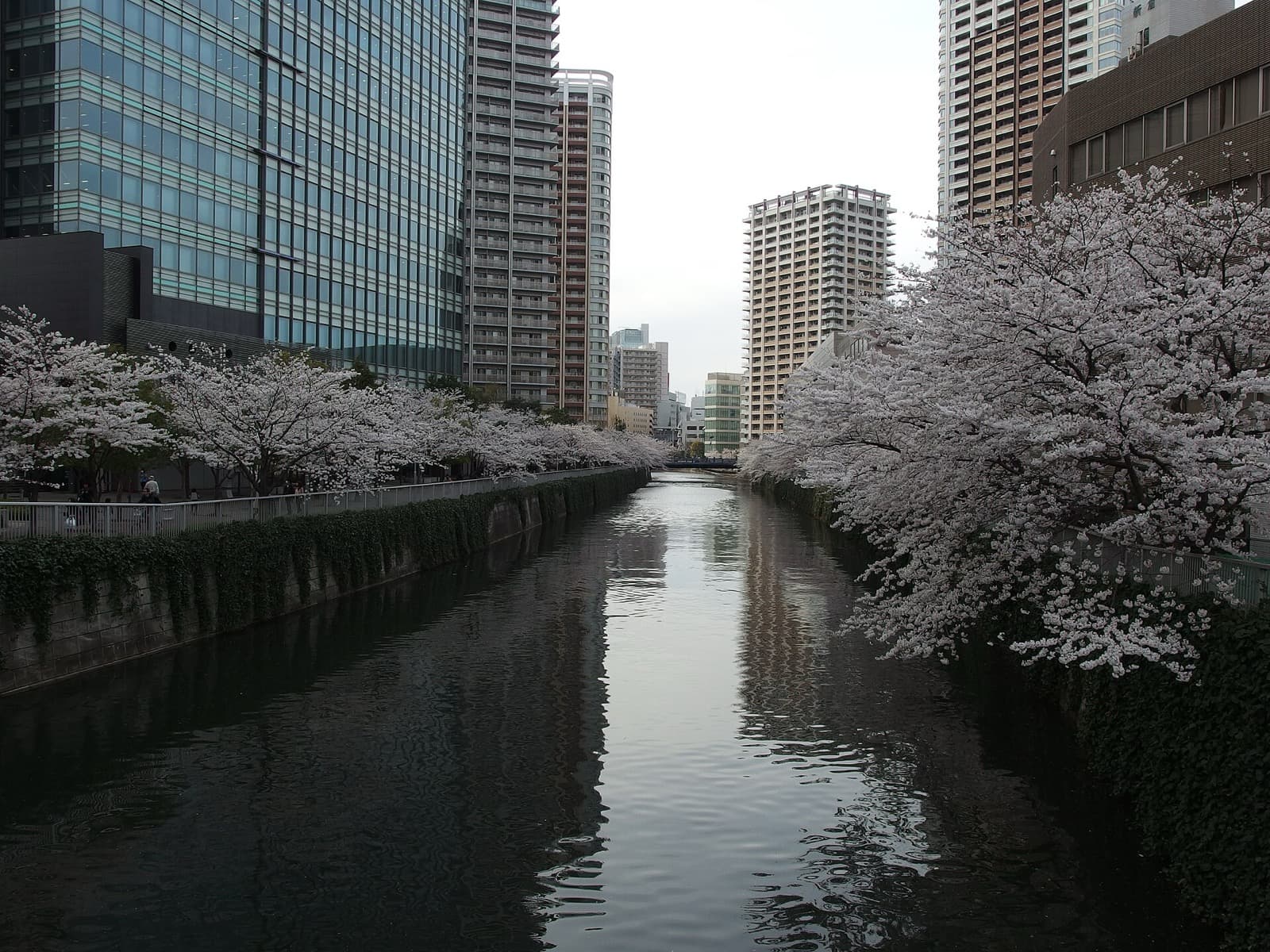
Nakameguro: the Meguro River walk, about 800 cherry trees lit up in bloom, Onibus Coffee, the Starbucks Reserve Roastery and Tsutaya under the tracks.