
Autumn Japan 2026: Fall Foliage Peak Dates
Autumn Japan 2026: Hokkaido peak Oct, Kyoto/Tokyo late Nov. Mild weather, fewer crowds than sakura — where to go and when.

Autumn in Japan runs September through November — mild temperatures, dramatically changing leaves (kōyō), and fewer international tourists than cherry blossom season. Tokyo and Kyoto hit peak foliage mid-to-late November (often sliding into early December after warm summers). Hokkaido turns gold by early October. The mountains are first, then cities, then southern islands.
Early-October 2026 planning note: The first 2026 kōyō forecast is already out — we track the numbers in the 2026 foliage forecast. Book Kyoto and Nikko rooms for late October–November now, then refresh dates after the early-October update. Factor two money facts into the same season: JR Pass Ordinary is now ¥53,000 for 7 days (the Oct 1 hike has landed) and tax-free shopping flips to airport refunds Nov 1. Silver Week (Sep 19–23) has ended.
Here's the complete guide to autumn in Japan in 2026. Pair with Japan in October, Japan in November, best time to visit, Kyoto travel guide, Nikko day trip, and 7-day itinerary.
Some links in this article are affiliate links. If you book through them, The Standard Japan may earn a commission at no additional cost to you.

When is Autumn in Japan?
Meteorological autumn: September 1 – November 30
Best travel window: Mid-October through late November
Peak foliage (kōyō): Location-dependent, roughly:
A planning window, not a guarantee. Peaks slip one to two weeks.
| Region | Peak Foliage Dates (2026 planning window) |
|---|---|
| Hokkaido (Sapporo, Furano, Daisetsuzan) | Mid Sep – mid October |
| Tohoku (Sendai, Aomori) | Early – late October |
| Nikko / Japanese Alps | Mid October – early November |
| Fuji Five Lakes / Hakone | Late October – late November |
| Tokyo/Kanto | Mid November – early December |
| Kyoto/Osaka/Nara | ~Nov 18 – early December (often late after warm years) |
| Western Japan (Hiroshima, Kyushu) | Late November – mid December |
Use the September forecast from Weathernews or the Japan Meteorological Corporation before you lock dates.
Peak timing shifts by 1–2 weeks annually. First serious 2026 forecasts usually appear early–mid September (Weathernews / Japan Weather Association). Until then, treat the table as a booking window, not a guarantee — and build 2–3 buffer days around Kyoto if foliage is the trip goal.
Why Visit Japan in Autumn
1. Fall foliage (kōyō/momiji) — Japan's autumn leaf season rivals New England but with temples, gardens, and centuries-old design philosophy around seasonal change.
2. Perfect weather — 15–25°C, low humidity, clear skies. Best hiking and outdoor season.
3. Fewer crowds than spring — Cherry blossom season (March–April) is busier. Autumn is popular with domestic tourists but lighter overall.
4. Seasonal food — Matsutake mushrooms, roasted chestnuts (amaguri), sweet potato, persimmons, autumn kaiseki menus.
5. Harvest festivals — Rice harvest, moon viewing (tsukimi), autumn matsuri in rural areas.
6. Comfortable travel — No rainy season, no extreme heat, no typhoons (mostly).
Not ideal for: Beach activities (water is cooling), cherry blossoms (wrong season), or budget travelers during November holidays.
Best Places to See Fall Foliage in Japan
Kyoto: The Autumn Capital
Kyoto has 1,600+ Buddhist temples and Shinto shrines surrounded by maples (momiji). Peak foliage typically hits late November through early December.
Top Kyoto autumn spots:

Tofuku-ji Temple (東福寺)
- What: 2,000 maple trees in a dramatic ravine
- Peak: Late November
- Crowd level: Extreme (arrive by 7am)
- Cost: ¥600 entry
Eikando Temple (永観堂)
- What: Night illuminations, reflecting ponds, perfect composition
- Peak: Mid-late November
- Best time: Night visits (5:30–9pm, reservations required)
- Cost: ¥1,000 day, ¥1,500 night
Arashiyama (嵐山)
- What: Mountain backdrop, bamboo groves, river valley
- Peak: Late November
- Do: Walk Togetsukyo Bridge, visit Tenryu-ji Temple, Sagano Bamboo Grove
- Crowd strategy: Go early morning or late afternoon
Kiyomizu-dera (清水寺)
- What: Iconic wooden stage with city views and surrounding maples
- Peak: Late November
- Night illuminations: Check schedule (requires separate ticket)
- Cost: ¥400
Philosopher's Path (哲学の道)
- What: 2km canal walk lined with cherry and maple trees
- Peak: Late November
- Best for: Morning stroll, fewer crowds, connects multiple temples
- Free
Kyoto autumn strategy: Book hotels 3+ months ahead for November. Mornings before 9am are critical. Weekdays are better than weekends. See Kyoto vs Tokyo and Kyoto travel guide.
Tokyo: Urban Autumn
Tokyo's autumn is more subtle — ginkgo trees lining boulevards, manicured gardens, and parks that turn gold before red.
Top Tokyo autumn spots:
Rikugien Garden (六義園)
- What: Edo-period landscape garden with night illuminations
- Peak: Mid-late November
- Cost: ¥300, night entry ¥1,000
Meiji Jingu Gaien Ginkgo Avenue (明治神宮外苑)
- What: 146 ginkgo trees creating a golden tunnel
- Peak: Late November (usually last week)
- Free, but insanely crowded on weekends
Koishikawa Korakuen Garden (小石川後楽園)
- What: Peaceful garden with ponds and maples
- Peak: Mid-late November
- Cost: ¥300
Shinjuku Gyoen (新宿御苑)
- What: Massive park with French, English, and Japanese garden sections
- Peak: Mid-late November
- Cost: ¥500
- Closes: 4:30pm (last entry 4pm)
Tokyo autumn day trips: Nikko (2 hours north, peak mid-October), Hakone (1.5 hours west, peak early November), Kamakura (1 hour south, peak late November).
Hokkaido: First Foliage
Hokkaido's autumn starts in early October and is short — 2–3 weeks. The mountains turn first, then lowlands.
Daisetsuzan National Park (大雪山)
- Peak: Late September – early October
- Hiking: Multi-day trails, mountain huts, dramatic alpine foliage
- Access: Asahikawa base, then bus to trailheads
Furano & Biei
- Peak: Early–mid October
- What: Rolling hills, rural landscapes, farms with autumn colors
- Best: Rent a car, drive scenic routes
Sapporo (Maruyama Park, Hokkaido University)
- Peak: Mid October
- Urban foliage without the crowds
Japanese Alps: Mountain Autumn
Kamikochi (上高地)
- Peak: Mid October
- What: Alpine valley, crystal rivers, Hotaka mountain range
- Hiking: Easy riverside trails, no cars allowed
- Season: Closes mid-November (snow)
Tateyama-Kurobe Alpine Route (立山黒部アルペンルート)
- Peak: Late September – early October
- What: High-altitude route through Japan Alps
- Best for: Photographers, dramatic mountain colors
Takayama & Shirakawa-go
- Peak: Late October – early November
- What: Historic villages, thatched-roof houses, mountain backdrop
- Crowd note: Popular, book gassho-style lodging early
Nikko: Temple Town Foliage
Nikko (日光)
- Peak: Mid–late October
- What: Toshogu Shrine, waterfalls, Lake Chuzenji, Kegon Falls
- Access: 2 hours from Tokyo (Tobu Railway or JR)
- Day trip or overnight: Both work
Nara: Deer and Leaves
Nara Park (奈良公園)
- Peak: Late November
- What: 1,200+ wild deer, temples, ancient trees
- Best for: Families, easy day trip from Kyoto/Osaka
Autumn Festivals and Events
Tsukimi (Moon Viewing) — September
- Traditional festival to view the harvest moon (mid-autumn full moon)
- Held at temples and shrines
- Offerings of rice dumplings (tsukimi dango)
Autumn Matsuri (Local Harvest Festivals) — September–November
- Rice harvest celebrations in rural areas
- Parades, traditional music, food stalls
- Check local tourism sites for dates
Chrysanthemum Festivals (Kiku Matsuri) — October–November
- Displays of elaborate chrysanthemum arrangements
- Held at shrines and gardens nationwide
Jidai Matsuri (Festival of Ages) — Kyoto, October 22
- Historical costume parade through Kyoto
- Same night as Kurama Fire Festival — pick one: Jidai or Kurama
Autumn Weather by Region (2026)
| Month | Tokyo High/Low (°C) | Kyoto High/Low (°C) | Hokkaido High/Low (°C) |
|---|---|---|---|
| September | 27 / 21 | 28 / 20 | 22 / 14 |
| October | 22 / 15 | 22 / 13 | 16 / 7 |
| November | 17 / 10 | 16 / 7 | 8 / 1 |
Rain: Less than summer but occasional showers. Typhoon risk drops significantly after September.
What to pack:
- Layers (mornings cool, afternoons warm)
- Light jacket or sweater
- Comfortable walking shoes
- Compact umbrella
- Scarf for November
Autumn Costs and Crowds
| Period | Crowds | Hotel Prices | Flight Prices |
|---|---|---|---|
| Early September | Low | Normal | Low |
| Late September | Moderate | Slightly up | Moderate |
| October | Moderate–high | High (peak foliage) | High |
| November (weeks 1–3) | High (peak Kyoto) | Very high | Very high |
| Late November | Moderate | Dropping | Moderate |
Avoid if possible: November 15–25 (peak Kyoto foliage + weekend overlap). Hotels book out 4–6 months ahead.
Best value: Early September or late November for shoulder-season prices with decent foliage.
Autumn Food in Japan
Autumn is harvest season — seasonal menus (shun) emphasize ingredients at peak freshness.
Seasonal autumn foods:
Matsutake mushrooms (松茸) — Rare, expensive, prized for aroma. Often in rice, soup, or grilled.
Kuri (chestnuts 栗) — Roasted (amaguri), in sweets (Mont Blanc cakes), or rice dishes (kuri-gohan).
Kaki (persimmons 柿) — Sweet, jelly-like texture, eaten fresh or dried.
Sanma (Pacific saury 秋刀魚) — Grilled whole, peak autumn fish.
Sweet potato (satsumaimo 薩摩芋) — Roasted, steamed, in desserts.
Autumn kaiseki menus — Multi-course traditional meals featuring seasonal ingredients.
See also: Japanese food guide
How to See Fall Foliage Like a Local
1. Go early morning (before 8am) — Peak spots like Tofuku-ji Temple get unbearable by 10am. Early light is also better for photos.
2. Weekdays > weekends — Domestic tourists crowd weekends. Tuesday–Thursday are quietest.
3. Track real-time foliage reports — Japanese tourism sites update kōyō status daily. Search "紅葉情報" (kōyō jōhō) + location. You will be checking from the platform or the bus stop, not the hotel, so this assumes mobile data — a travel eSIM covers it.
4. Skip the famous spots — Lesser-known temples in Kyoto have identical foliage, zero crowds. Ask locals or hotel staff.
5. Night illuminations (yoru no momiji) — Many temples light up foliage after dark. Reservations often required. Worth it.
6. Combine mountains + cities — Start in Hokkaido or Japanese Alps (October), move south to Tokyo/Kyoto (November).
Best Autumn Itinerary (2 Weeks)
Week 1: Hokkaido & Tohoku
- Days 1–3: Sapporo + Daisetsuzan National Park (early October foliage)
- Days 4–5: Hakodate (coastal autumn)
- Days 6–7: Aomori or Sendai (Tohoku autumn festivals)
Week 2: Central & Kansai
- Days 8–9: Tokyo (gardens, ginkgo avenues)
- Day 10: Nikko day trip
- Days 11–14: Kyoto (temple-hopping, Arashiyama, Nara day trip)
Shorter trip (1 week): Tokyo 2 days → Kyoto 4 days → Osaka 1 day.
See full 2-week Japan itinerary.
FAQ
When is the best time to see fall foliage in Japan? Depends on location. Hokkaido: early–mid October. Tokyo: mid–late November. Kyoto: late November – early December. Track annual forecasts for exact dates.
Is autumn better than spring for visiting Japan? Autumn has better weather, fewer crowds, and longer foliage season (4–6 weeks) than cherry blossoms (1–2 weeks). Spring is more iconic. Both are excellent.
How crowded is Kyoto in November? Very crowded, especially November 15–25 (peak foliage weekends). Book hotels early, visit temples before 9am, avoid weekends if possible.
What should I wear in Japan in autumn? Layers. Mornings and evenings are cool (10–15°C), afternoons warm (20–25°C). Light jacket, long pants, comfortable walking shoes. Scarf for November.
Is autumn expensive in Japan? Hotels spike during peak foliage (mid-October to late November). Flights also rise. Budget 20–30% more than shoulder seasons. Early September and late November are cheaper.
Can I see cherry blossoms and fall foliage in the same trip? No — cherry blossoms are March–April, autumn foliage is October–November. Opposite seasons.
What is "kōyō" vs "momiji"? Kōyō (紅葉) = autumn leaves in general (changing colors). Momiji (紅葉, same kanji) = specifically Japanese maple leaves (red). Often used interchangeably.
Do I need to book temples in advance for autumn foliage? Most temples don't require reservations for daytime visits. Night illuminations often require advance booking (check individual temple websites).
Is Hokkaido worth visiting in autumn? Yes — Hokkaido's October foliage is stunning, crowds are minimal, and weather is mild. Great for hiking and rural landscapes.
Travel Desk
The Standard Japan
Trip planning: seasons and crowds, getting around, airports, where to stay, and the practical steps before and after you land.
Facts are taken from primary sources (operators, venues, official tourism and government pages) and dates and prices are checked on the day of writing. Pages are revised when those sources change.
Expertise
Seasonal crowds, transport and airports, itineraries, lodging, pre-trip logistics
Have a question or a correction?
Ask us anything about Autumn Japan 2026: Fall Foliage Peak Dates, or tell us what we got wrong. We reply within 24 to 48 hours.
The Standard Newsletter
Tokyo in your inbox. Weekly.
No algorithms curating your culture. No sponsored content disguised as journalism. Just the real Tokyo — the izakayas at 2am, the Harajuku kids who never made it to the algorithm, the ramen shop with no sign.
280+
Guides
Weekly
Editions
Free
Always
Join the underground.
One email a week. Unsubscribe anytime.
No spam. No sharing your data. Tokyo only.
Related Stories
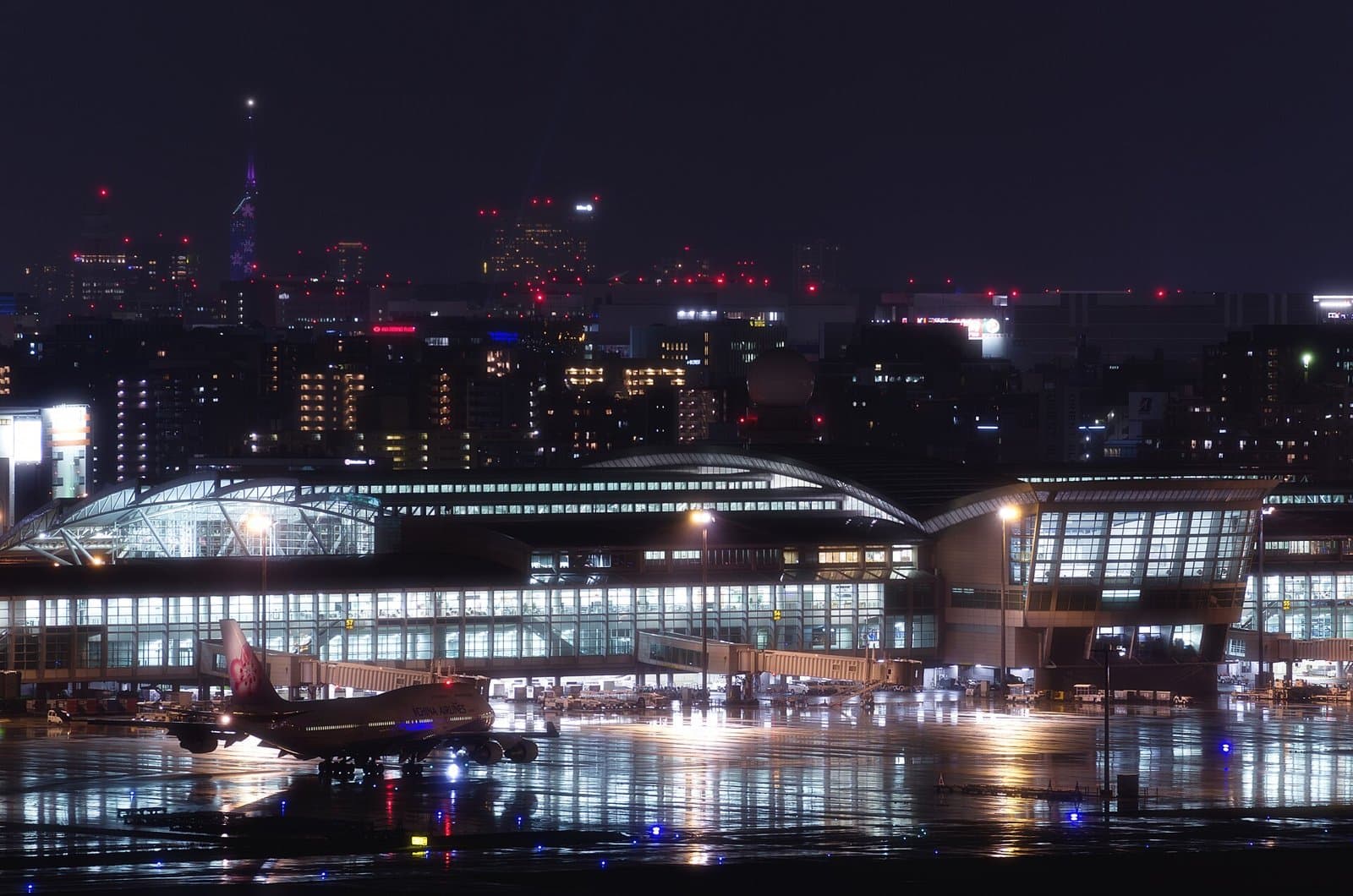
Fukuoka Airport to Hakata & Tenjin: Subway, Shuttle, Bus
Fukuoka's subway reaches Hakata in about 5 minutes, but only from the domestic terminal. International arrivals take a free shuttle or a direct bus.
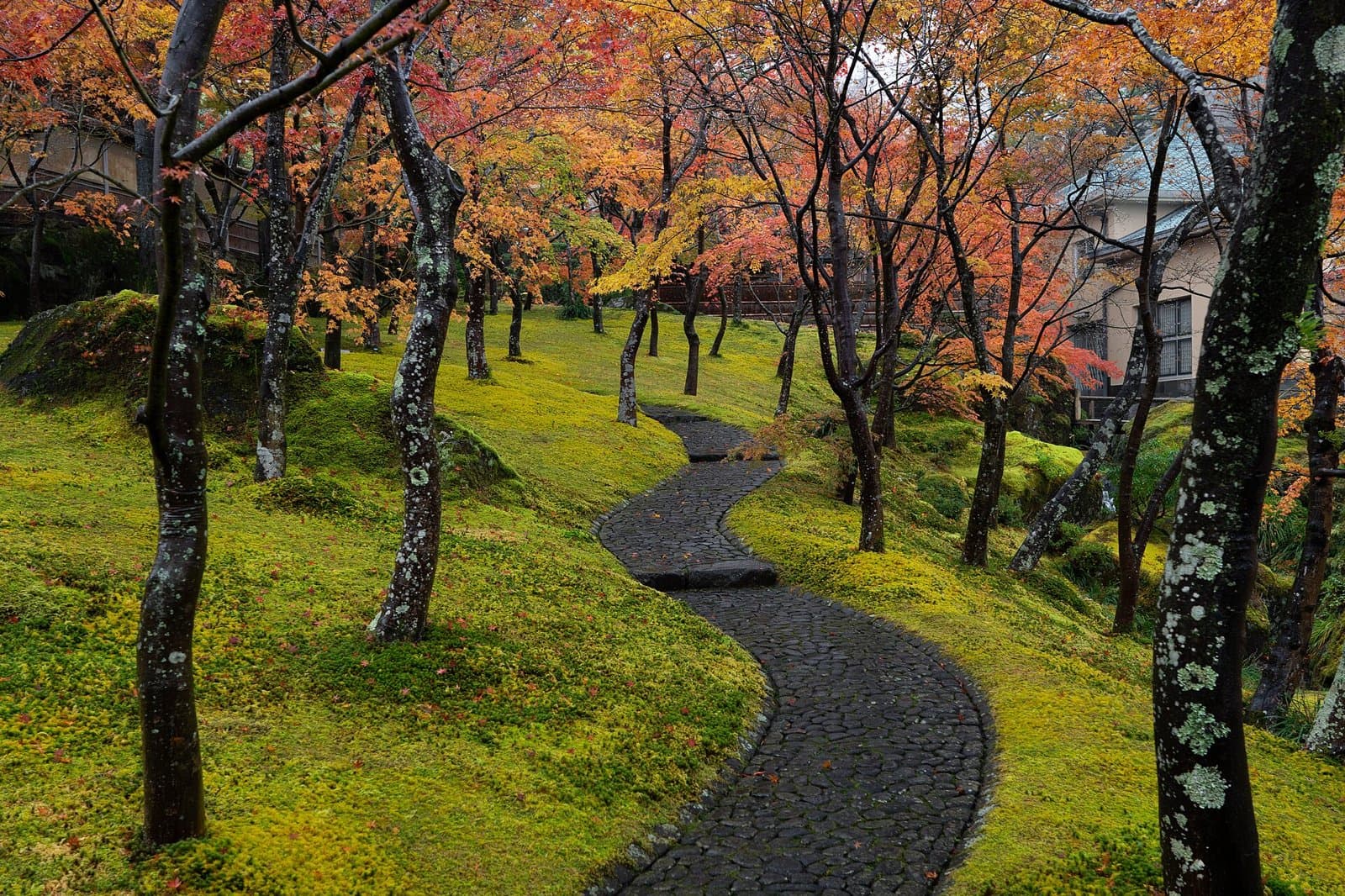
Hakone Autumn Leaves 2026: Crowds, Traffic, Timing
Hakone's colour moves downhill from late October to early December, and Nov 21–23 is a Japanese long weekend. Where to go, and when to move.
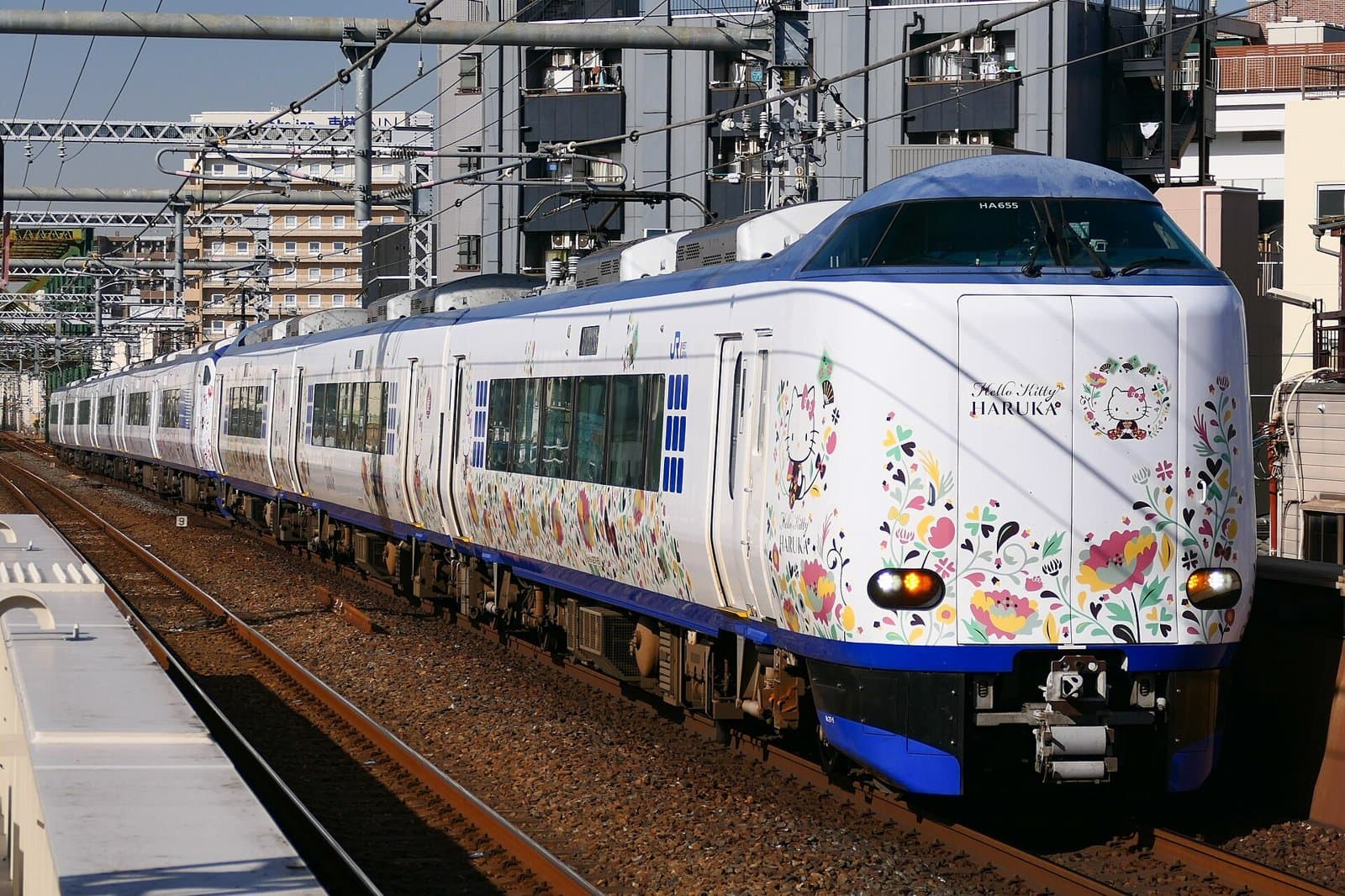
Kansai Airport to Kyoto & Osaka: Haruka, Rapi:t or Bus
From KIX, where you sleep decides the train: Haruka for Kyoto and Umeda, Nankai for Namba, the bus for late landings. Times, visitor fares, traps.