
Gotokuji, Tokyo's Lucky Cat Temple: Hours, Access, Shop
Gotokuji in Setagaya, the maneki-neko lucky cat temple: grounds 6:00–17:00, temple office 8:00–15:00 for cat figures and amulets, and how to get there.

Tokyo’s cat temple is not a theme park with ticket gates. Gotokuji (大谿山 豪徳寺) is a working Soto Zen temple in Setagaya that happens to be buried in white maneki-neko figurines — and it has an official English site you should trust over random map pins.
Official hub: gotokuji.jp/en
Maneki-neko story: Gotokuji and Manekineko
Amulets & dolls: Shop / temple office
About / precinct map: About Gotokuji
Hours & address (official)
From the Japanese official top page:
- Precincts (拝観): 6:00–17:00
- Temple office (寺務所): 8:00–15:00
- Address: 2-24-7 Gotokuji, Setagaya-ku, Tokyo 154-0021
- Phone: 03-3426-1437
If you only come for a figurine or goshuin, arrive before the office closes at 15:00. Grounds stay open later; the shop does not.
The cat legend (in the temple’s words)
On the official Manekineko page: a lord returning from falconry was beckoned by a cat at the gate, stepped into the temple, and avoided a sudden thunderstorm. That lord was Naotaka Ii of Hikone; his patronage rebuilt Gotokuji. The temple later built Shofuku-den to enshrine the fortune-bringing cat as Manekineko.
Gotokuji’s cats famously hold no coin in the raised paw — the temple’s lesson is that the cat brings chance, and gratitude does the rest.
What to see on the grounds
Use the numbered map on the About page: Shofuku-den (maneki-neko hall), rows of dedicated figurines at the offering area, Sanju-no-to (three-storied pagoda with carved zodiac animals and cats), Ii clan cemetery (national historic site), Butsu-den, and seasonal trees.
Etiquette: this is a cemetery temple, not a selfie farm. Don’t graffiti figurines — the Japanese site has posted notices about vandalism on lucky cats. Quiet voices, no climbing offerings, and no trash left on the gravel (why bins are scarce).
Official shop price bands
Listed on gotokuji.jp/en/shop (confirm at the counter — the temple announced fee revisions in mid-2026):
| Item | Listed price |
|---|---|
| Omamori | ¥1,000 |
| Fukusen (lucky coin) | ¥1,000 |
| Ema | ¥1,000 |
| Manekineko doll | ¥500–¥10,000 |
| Small maneki-neko | ¥1,000 |
| Goshuin-cho | ¥2,500 (¥2,000 without Gotokuji stamp entry) |
Popular models sell out. Devotion of a figurine after a wish comes true is customary but not mandatory, per the official Manekineko page.
How to get there
Official access lines:
- Tokyu Setagaya Line — Miyanosaka → about 5 minutes walk
- Odakyu Line — Gotokuji → about 15 minutes walk
From central Tokyo, Odakyu from Shinjuku to Gotokuji is the simple story; Miyanosaka is closer once you’re on the Setagaya Line (change at Sangen-jaya from Den-en-toshi / Shibuya side).
No need for a tour bus. Bring a refillable bottle — tap water is fine — and leave big bags at lockers if you’re coming from a suitcase morning.
FAQ
Is admission free?
There is no general ticket booth for walking the precincts; buy omamori/dolls only if you want them at the office.
Can I take photos?
Usual temple sense: be respectful around graves and worshippers. Don’t rearrange or draw on dedicated cats.
How long do I need?
45–90 minutes for a calm loop + shop. Add transit from Shinjuku (~30–45+ minutes each way depending on route).
Is it only cats?
No — it’s also the Ii family bodaiji with serious Edo-period heritage. The cats are the viral hook; the cemetery and halls are the substance.
Culture Desk
The Standard Japan
Customs, festivals, pop culture and everyday Japan, explained for people who want to understand what they are looking at.
Facts are taken from primary sources (operators, venues, official tourism and government pages) and dates and prices are checked on the day of writing. Pages are revised when those sources change.
Expertise
Festivals, etiquette, pop culture, mascots, convenience-store culture
Have a question or a correction?
Ask us anything about Gotokuji, Tokyo's Lucky Cat Temple: Hours, Access, Shop, or tell us what we got wrong. We reply within 24 to 48 hours.
The Standard Newsletter
Tokyo in your inbox. Weekly.
No algorithms curating your culture. No sponsored content disguised as journalism. Just the real Tokyo — the izakayas at 2am, the Harajuku kids who never made it to the algorithm, the ramen shop with no sign.
280+
Guides
Weekly
Editions
Free
Always
Join the underground.
One email a week. Unsubscribe anytime.
No spam. No sharing your data. Tokyo only.
Related Stories
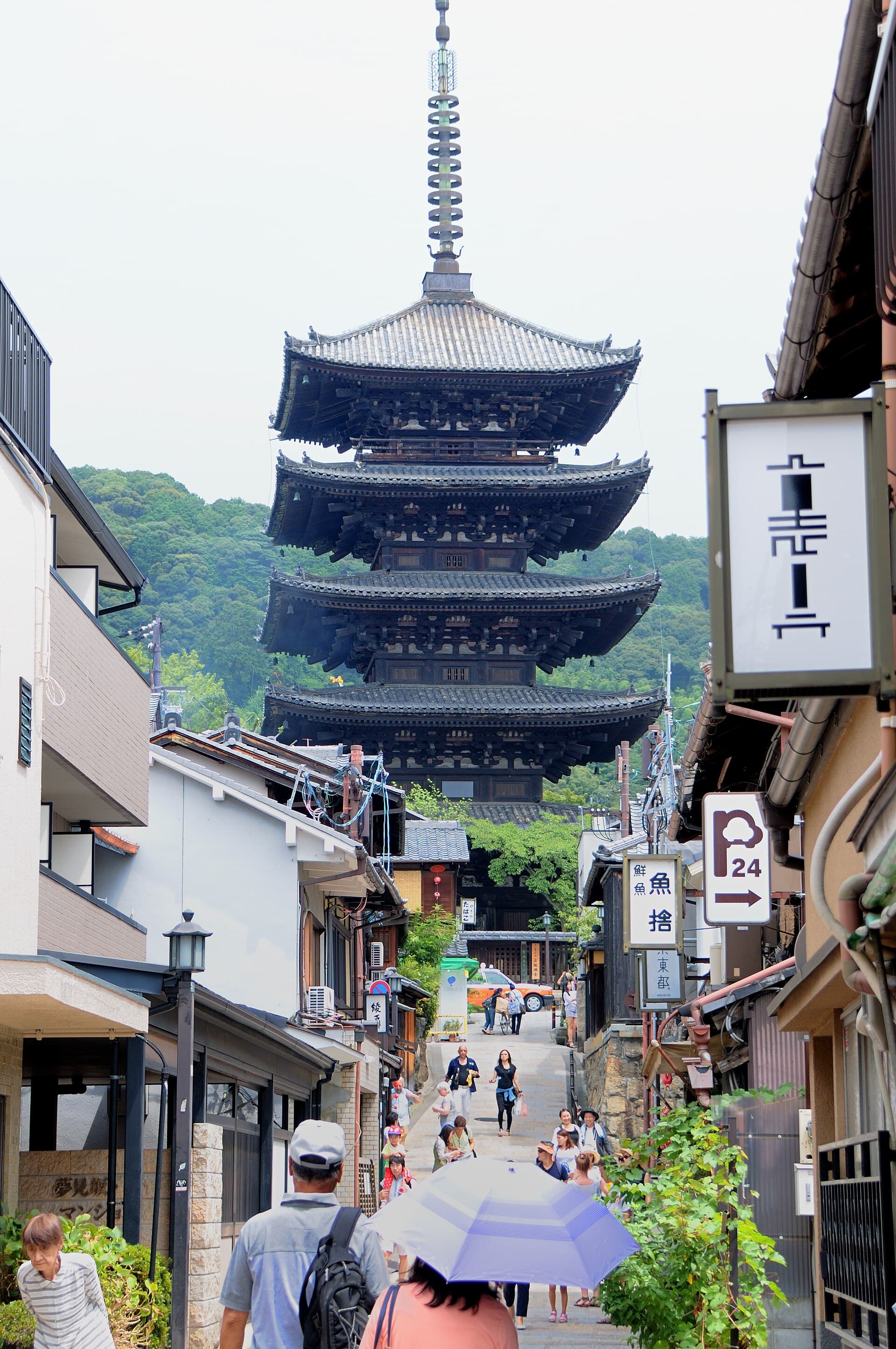
Kimono Experience in Japan: Worth It, Where to Book, What to Expect
Kimono rental and dressing experiences in Tokyo and Kyoto — prices, how long it takes, photo etiquette, and when a booked studio beats a street rental.
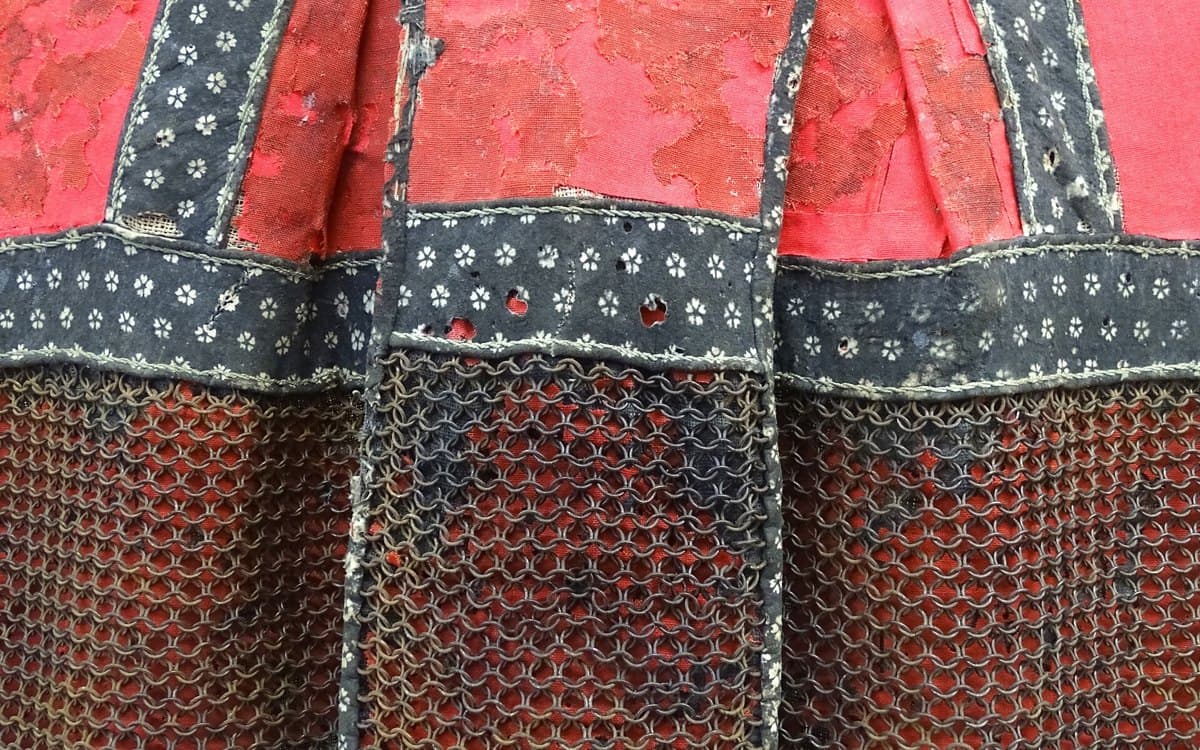
Samurai in Japan: History, Myths, and Where to Experience It (2026)
Samurai history without the Hollywood myths — bushido, the Meiji end of the class, and the best Tokyo and Kyoto experiences if you want armor, sword work, or theater.

Temple and Shrine Etiquette in Japan: Torii, Temizu, Bowing, Photos
Shrine vs temple basics, torii, temizu purification, bowing, money offering, shoes, hats, and photo rules — do this and you will not be that tourist.