
Trash Cans in Japan: Why Streets Are Clean and Where Tourists Can Actually Throw Things Away
Public trash bins are limited in Japan — JNTO even tells travelers to carry a small bag. Where konbini, vending machines, and hotels fit, and what not to dump.

Japan looks spotless and somehow has fewer street trash cans than tourists expect. That is not a paradox. It is a system: people hold their wrappers until they reach a legitimate place — often home or a hotel room.
Japan’s tourism board says the same thing out loud. JNTO’s 2026 smart travel tips tell visitors to carry a small trash bag because bins can be limited, and not to leave trash in public spaces. The JNTO FAQ repeats that public trash cans can be limited. The etiquette page notes locals often take rubbish home, while stations and convenience stores are among the places travelers may find bins.
What to do in practice
- Pack a small sealable bag in your daypack on day one.
- Wrap wet food waste so it does not leak on the train.
- Use a bin only when the label matches the item (burnable / PET / cans / etc.).
- If nothing fits, take it to your hotel room and use the room bin — ask front desk for overflow rules rather than dumping a pile in the lobby.
- Never leave trash at shrines, temple grounds, or park benches “for someone else.”
This pairs with konbini literacy and train etiquette.
Where bins usually appear
| Place | Reality | Don’t |
|---|---|---|
| Hotel room | Most reliable daily dump | Lobby trash mountain |
| Convenience store | Sorted customer bins common | Haul in days of Airbnb garbage |
| Vending machines | PET / can slots only | Stuff wrappers into bottle holes |
| Stations / platforms | Some have sorted bins; not universal | Leave bags beside a full bin |
| Parks / events | Temporary bins may appear; they fill fast | Overflow onto the ground |
| Food stalls | Asking the vendor to take packaging is often fine | Assuming every cart is a dumpster |
How to read the labels (tourist version)
You do not need to memorize every municipal rule for a two-week trip. You do need to obey the pictograms on the bin in front of you:
- PET bottles — empty; remove cap/label if the station asks
- Cans — empty aluminum/steel
- Burnable / 燃えるゴミ — food scraps, dirty paper, many soft plastics (follow local label)
- Non-burnable / 燃えないゴミ — some metals, glass, small broken items (rare for tourists)
Wrong-slot recycling creates work for the people who empty those bins by hand.
Konbini etiquette without being precious
Buying a drink and using the store’s sorted bins for that packaging is normal. Using FamilyMart as a free dump for your entire hotel clean-out is how staff post “please don’t” signs. When in doubt: buy something small or wait until the hotel.
Why this matters for SEO brains and real trips
Search “trash cans Japan” and you get panic. The fix is boring and powerful: carry → sort → hotel. Japan stays clean because millions of people do that every day, not because invisible janitors teleport litter.
FAQ
Is littering actually policed?
Social enforcement is strong; some areas have formal fines. Either way, don’t.
What about cigarettes?
Portable ashtrays / designated smoking areas — sidewalk ash is not a vibe.
Apartment long-stay sorting?
Municipal rules get strict (burnable days, plastics days). Your ward office guide wins over blog memory — this article is for travelers.
Batteries / broken gear?
Ask hotel staff or a shop; don’t invent a bin.
Travel Desk
The Standard Japan
Trip planning: seasons and crowds, getting around, airports, where to stay, and the practical steps before and after you land.
Facts are taken from primary sources (operators, venues, official tourism and government pages) and dates and prices are checked on the day of writing. Pages are revised when those sources change.
Expertise
Seasonal crowds, transport and airports, itineraries, lodging, pre-trip logistics
Have a question or a correction?
Ask us anything about Trash Cans in Japan: Why Streets Are Clean and Where Tourists Can Actually Throw Things Away, or tell us what we got wrong. We reply within 24 to 48 hours.
The Standard Newsletter
Tokyo in your inbox. Weekly.
No algorithms curating your culture. No sponsored content disguised as journalism. Just the real Tokyo — the izakayas at 2am, the Harajuku kids who never made it to the algorithm, the ramen shop with no sign.
280+
Guides
Weekly
Editions
Free
Always
Join the underground.
One email a week. Unsubscribe anytime.
No spam. No sharing your data. Tokyo only.
Related Stories
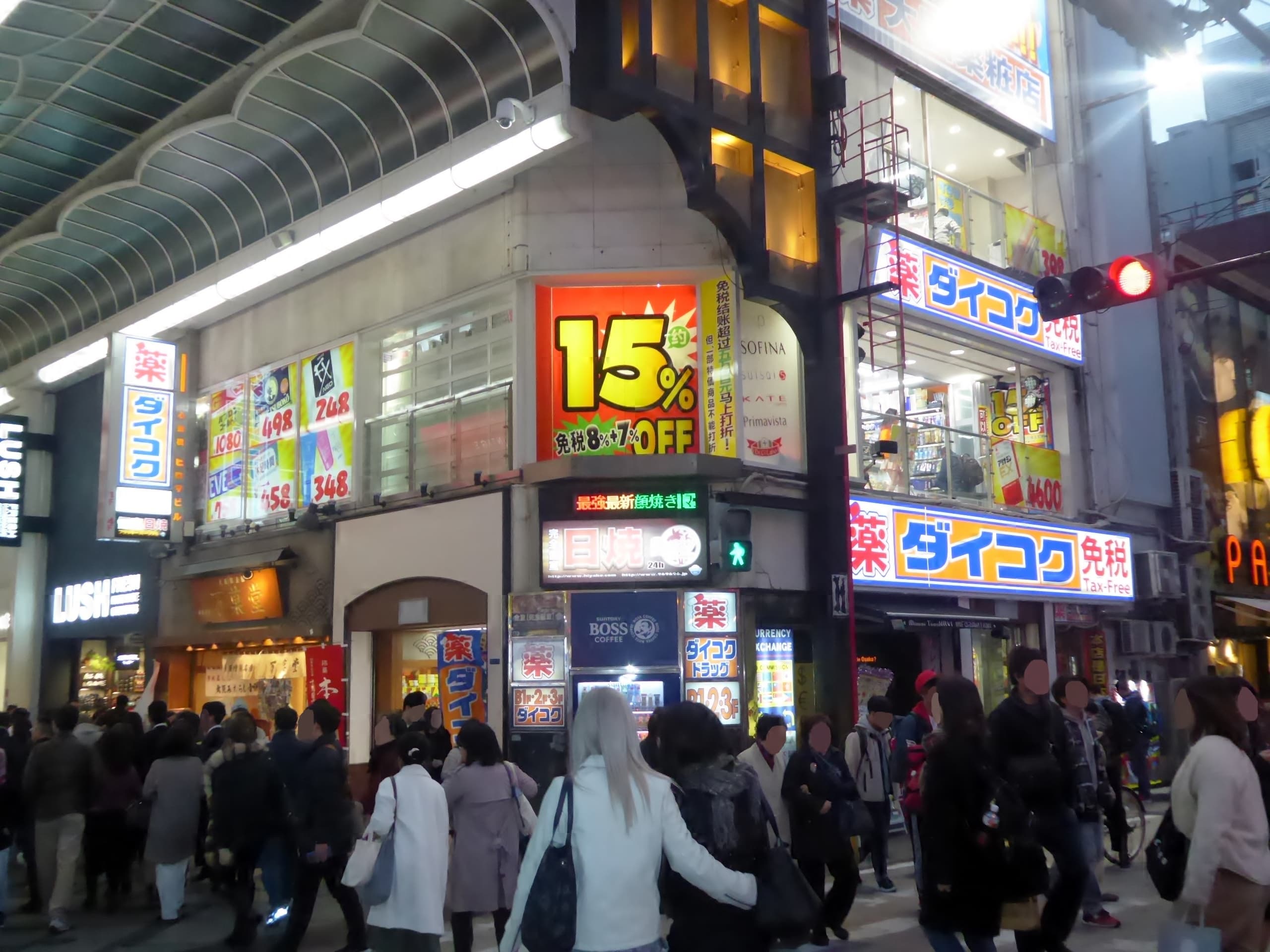
Japan Drugstore Guide: What to Buy at Matsumoto Kiyoshi and Daikoku Drug
Japan's drugstores sell better eye drops, pain patches, and skincare than most pharmacies back home. Here's what to buy, which chain, and how tax-free works.
First-Time Japan Checklist: What to Do Before You Fly (2026)
First-time Japan checklist for foreigners: visas, Visit Japan Web, eSIM, Suica, cash, hotels by city, what to book ahead, and a day-one plan that won’t ruin the trip.
Haneda to Tokyo: Monorail, Keikyu, and When to Take a Car
How to get from Haneda Airport to Tokyo: Tokyo Monorail, Keikyu Airport Line, buses, and private transfers — times, connections, and first-timer tips.