
Japan's 2026 Tourist Fines: Where You Can Actually Get Fined Now
Hakuba fines disruptive tourists up to ¥50,000, Kyoto's luxury lodging tax hits ¥10,000 a night, and Shibuya's drinking ban is now permanent. Here's what's actually enforced.

Japan welcomed a record 42.7 million international visitors in 2025, and not everyone followed the rules. In response, several cities and prefectures have spent 2026 tightening enforcement — some with genuinely new fines, others by making temporary restrictions permanent. If you're planning a trip, here's where the actual financial and behavioral risk is right now.
Hakuba: Fines for Disruptive Behavior
Hakuba, the Nagano ski-resort village popular with international visitors year-round, introduced fines for disruptive behavior starting July 1, 2026. The system isn't a fine-on-first-offense setup — it's triggered when someone ignores an official warning. Continued disruptive behavior after that warning can result in a fine of up to ¥50,000 (roughly £237).
The specifics of what counts as "disruptive" aren't a single narrow rule — this is aimed broadly at the kind of behavior that's generated complaints from residents in a village that's seen a sharp rise in foreign visitor volume: noise, public intoxication, and general disregard for posted local rules.
Kyoto: The Country's Steepest Lodging Tax
Kyoto introduced Japan's highest accommodation-tax structure, effective March 2026. It's a graduated system — the tax scales with room rate — and at the top end, guests at luxury hotels now pay up to ¥10,000 per person, per night in lodging tax alone, on top of the room cost itself.
For a multi-night stay at a high-end Kyoto property, that adds up fast, and it's worth factoring into your accommodation budget specifically if you're booking anything at the luxury tier — mid-range and budget stays sit at lower tiers of the same graduated tax, but the top bracket is now genuinely significant. See our full accommodation tax breakdown by city for Tokyo, Osaka, and other rates alongside Kyoto's.
Shibuya: The Permanent Drinking Ban
Unlike the other two, this one isn't brand new for 2026 — but it's actively enforced and worth knowing if you're headed to Shibuya at night. A unanimous Shibuya Ward Assembly vote on June 17, 2024 made the district's street-drinking ban permanent and year-round, not just a Halloween-season restriction as it originally was.
The rule: no public drinking on the streets around Shibuya Station from 6:00 PM to 5:00 AM, every single night of the year. It covers Shibuya Station, the Scramble Crossing, Center Gai, the ward office area, and Miyashita Park — essentially the entire tourist-heavy core of the district. This matters most around Halloween, when enforcement historically ramps up hardest, but the ban itself never switches off.
The Bigger Picture: Japan's National Overtourism Plan
These aren't isolated local decisions. They sit inside a new national basic plan covering fiscal 2026–2030, which explicitly funds local governments taking overtourism-mitigation action through state subsidies, while pushing to redirect visitors toward rural areas and crack down on illegal or inappropriate private lodging (minpaku) operators. The same policy wave funded the tripled departure tax and the new Mount Fuji climbing fees and caps — 2026 is genuinely a turning point year for how Japan manages tourist volume, not a series of unrelated announcements.
Local authorities are also leaning on softer tools alongside the fines — "etiquette ambassadors" and digital signage have started appearing in tourist-heavy areas to nudge behavior before it becomes a fineable offense.
How to Avoid Getting Fined
None of this requires dramatic changes to how you travel. Respect posted local rules, especially around noise and drinking in residential-adjacent areas like Hakuba. Don't ignore a warning if a local official or police officer flags your behavior — that's the actual trigger point in most of these systems, not the initial act itself. Budget the Kyoto lodging tax into luxury stays rather than being surprised by it at checkout. And if you're in Shibuya after 6pm, keep the drinking to inside bars and restaurants, not the street — this applies every day of the year, not just during major events. For the broader etiquette baseline these fines sit on top of, see our Japan etiquette rules guide.
FAQ
Can tourists actually be fined in Japan now? Yes. Hakuba introduced fines up to ¥50,000 for disruptive behavior (after an ignored warning) starting July 1, 2026, and Shibuya's permanent drinking ban is actively enforced with penalties for violations.
How much is Kyoto's new accommodation tax? Up to ¥10,000 per person, per night, at luxury hotels — Japan's highest lodging tax rate, effective since March 2026. It's a graduated system, so lower-tier accommodations pay less.
Is Shibuya's drinking ban only during Halloween? No — it's permanent and year-round, banning public drinking on the streets around Shibuya Station from 6pm to 5am every night, not just during Halloween, though enforcement is historically strictest then.
What triggers a fine in Hakuba? Ignoring an official warning about disruptive behavior. It's not an automatic fine on first offense — the warning is the first step, and continued behavior after that is what can lead to the ¥50,000 fine.
Why is Japan introducing more tourist fines and taxes in 2026? Record visitor numbers (42.7 million in 2025) prompted a new national five-year overtourism plan (fiscal 2026–2030) that funds local enforcement and infrastructure through state subsidies, alongside efforts to redirect visitors toward less-crowded rural areas.
Do these fines apply to Japanese citizens too, or just tourists? The rules as written generally apply to anyone regardless of nationality — the "tourist fines" framing reflects who's most often affected in practice, not a legal distinction that exempts residents or citizens.
Travel Desk
The Standard Japan
Trip planning: seasons and crowds, getting around, airports, where to stay, and the practical steps before and after you land.
Facts are taken from primary sources (operators, venues, official tourism and government pages) and dates and prices are checked on the day of writing. Pages are revised when those sources change.
Expertise
Seasonal crowds, transport and airports, itineraries, lodging, pre-trip logistics
Have a question or a correction?
Ask us anything about Japan's 2026 Tourist Fines: Where You Can Actually Get Fined Now, or tell us what we got wrong. We reply within 24 to 48 hours.
The Standard Newsletter
Tokyo in your inbox. Weekly.
No algorithms curating your culture. No sponsored content disguised as journalism. Just the real Tokyo — the izakayas at 2am, the Harajuku kids who never made it to the algorithm, the ramen shop with no sign.
280+
Guides
Weekly
Editions
Free
Always
Join the underground.
One email a week. Unsubscribe anytime.
No spam. No sharing your data. Tokyo only.
Related Stories
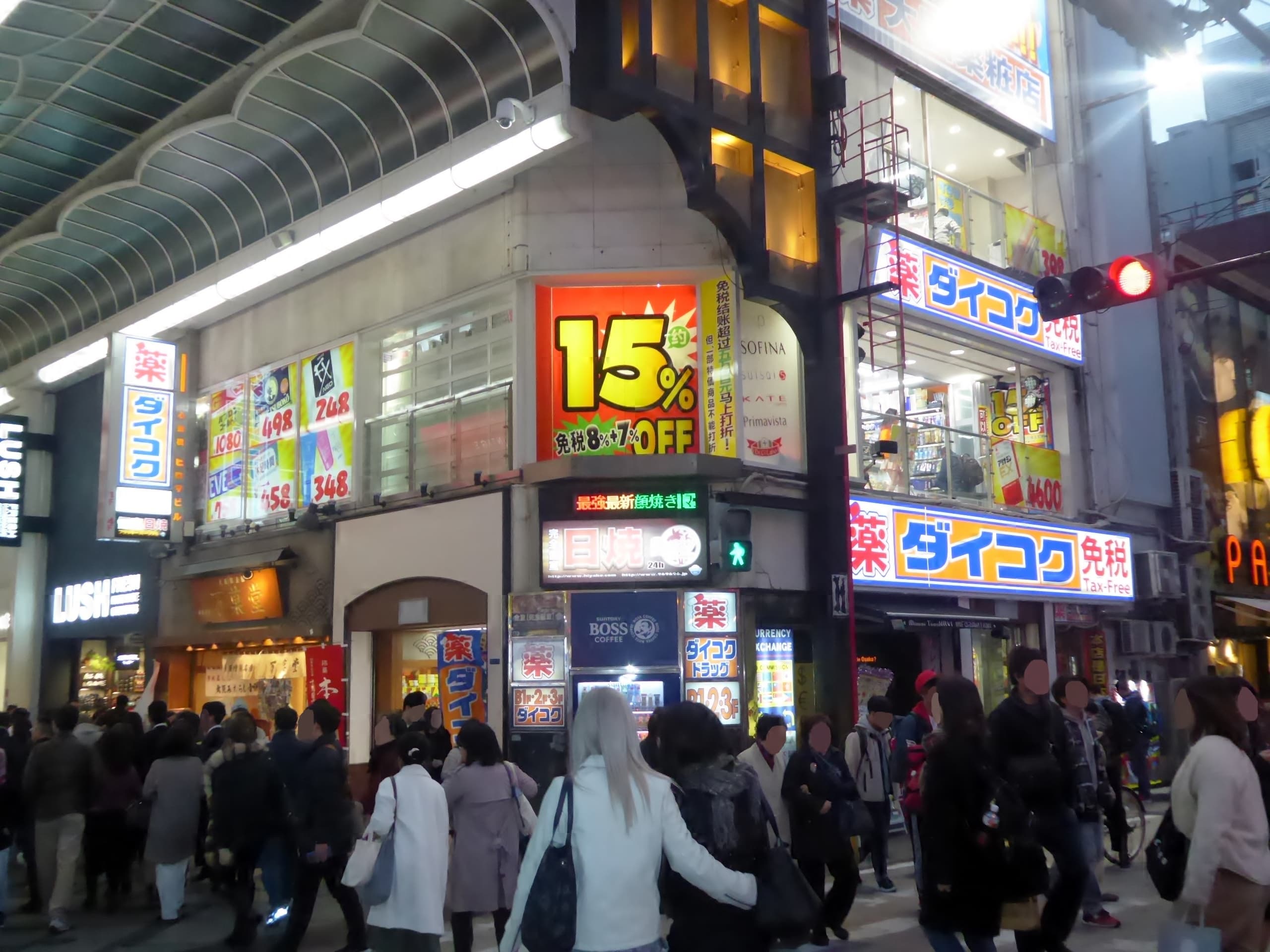
Japan Drugstore Guide: What to Buy at Matsumoto Kiyoshi and Daikoku Drug
Japan's drugstores sell better eye drops, pain patches, and skincare than most pharmacies back home. Here's what to buy, which chain, and how tax-free works.
First-Time Japan Checklist: What to Do Before You Fly (2026)
First-time Japan checklist for foreigners: visas, Visit Japan Web, eSIM, Suica, cash, hotels by city, what to book ahead, and a day-one plan that won’t ruin the trip.
Haneda to Tokyo: Monorail, Keikyu, and When to Take a Car
How to get from Haneda Airport to Tokyo: Tokyo Monorail, Keikyu Airport Line, buses, and private transfers — times, connections, and first-timer tips.