
Japan's Departure Tax Just Tripled: What the New ¥3,000 'Sayonara Tax' Means for Your Trip
Japan's exit tax jumped from ¥1,000 to ¥3,000 on July 1, 2026. Here's who pays it, who's exempt, and how the ticket-purchase-date rule actually works.

If you booked your flight out of Japan a while ago, you might be in for a surprise — or, depending on timing, you might have dodged one. As of July 1, 2026, Japan's departure tax tripled from ¥1,000 to ¥3,000 per person, and it applies far more broadly than most people assume.
This isn't a tourist-only surcharge. It's an exit tax on anyone leaving the country, and understanding exactly who pays what, and when, actually matters for trip budgeting.
What Changed, Exactly
The International Tourist Tax, informally called the "sayonara tax," is charged to travelers departing Japan by air or sea. Until mid-2026 it was a flat ¥1,000 (roughly $6.20–$6.50). As of July 1, 2026, it's ¥3,000 (roughly $18.60–$19.50) — a full tripling, not an incremental adjustment.
Who Pays It (and Who's Exempt)
Everyone age 2 and older, departing by air or sea, regardless of nationality. This means Japanese citizens, foreign residents, tourists, and digital nomads all pay the same rate when they leave — it's genuinely universal, not a tourist tax in the narrow sense the nickname implies.
Two exemptions exist:
Children under age 2 don't pay.
Transit passengers staying under 24 hours who don't clear Japanese immigration — a genuine connection through a Japanese airport rather than an actual visit — are exempt as well.
The Ticket-Purchase-Date Rule
This is the detail that trips people up: the rate is determined by when you bought your ticket, not when you actually travel.
If you purchased an eligible ticket on or before June 30, 2026, you're still charged the old ¥1,000 rate, even if your actual departure happens well after July 1. Conversely, tickets bought from July 1 onward carry the new ¥3,000 rate regardless of how far out the travel date is.
Practically, this means two people on the exact same flight out of Narita could be charged different departure tax amounts, purely based on when each of them booked.
How You Actually Pay It
For most travelers, this isn't a separate line you pay at the airport. The tax is normally bundled into your airline or ferry ticket price at the time of booking — it shows up as part of the taxes-and-fees breakdown on your fare, not as a surprise charge at departure. You generally won't need to budget a separate cash payment for it on travel day.
Why Japan Tripled the Tax
Japan hit a record 42.7 million international visitors in 2025, and the government has been explicit that the increased revenue is meant to fund tourism infrastructure and overtourism-control measures — the same broader policy push behind Kyoto's new luxury lodging tax and Hakuba's disruptive-behavior fines, and the daily climber caps now in place on Mount Fuji's Yoshida Trail. The sayonara tax increase is one piece of a wider set of 2026 measures aimed at managing visitor volume rather than simply capping it outright.
If you're budgeting a full trip and want to see where this fits relative to accommodation, food, and transport, our Japan trip cost breakdown puts the numbers in context — at ¥3,000, the departure tax remains a small fraction of overall trip cost, but it's one more line worth knowing about before you book, alongside changes to Japan's tax-free shopping refund process that also took effect this year.
FAQ
How much is Japan's departure tax in 2026? ¥3,000 per person, up from ¥1,000, effective for tickets purchased from July 1, 2026 onward.
Who has to pay Japan's departure tax? Anyone age 2 or older leaving Japan by air or sea — tourists, foreign residents, and Japanese citizens alike. It's not limited to inbound visitors.
Is anyone exempt from the sayonara tax? Yes — children under 2, and transit passengers staying under 24 hours who don't clear Japanese immigration.
Do I pay the old or new rate if I booked my ticket before July 2026 but I'm traveling later? You pay whichever rate was in effect when you purchased the ticket. Tickets bought on or before June 30, 2026 are charged the old ¥1,000 rate even for travel after July 1.
Do I need to pay the departure tax separately at the airport? Usually not. It's normally built into your airline or ferry ticket price at the time of booking, not collected as a separate charge on departure day.
Why did Japan raise the departure tax so much at once? Japan cited record visitor numbers (42.7 million in 2025) and the need to fund tourism infrastructure and overtourism-management measures as the reasoning behind the increase. It's part of the same fee-driven push covered in our 2026 accommodation tax breakdown and tourist fines guide.
Travel Desk
The Standard Japan
Trip planning: seasons and crowds, getting around, airports, where to stay, and the practical steps before and after you land.
Facts are taken from primary sources (operators, venues, official tourism and government pages) and dates and prices are checked on the day of writing. Pages are revised when those sources change.
Expertise
Seasonal crowds, transport and airports, itineraries, lodging, pre-trip logistics
Have a question or a correction?
Ask us anything about Japan's Departure Tax Just Tripled: What the New ¥3,000 'Sayonara Tax' Means for Your Trip, or tell us what we got wrong. We reply within 24 to 48 hours.
The Standard Newsletter
Tokyo in your inbox. Weekly.
No algorithms curating your culture. No sponsored content disguised as journalism. Just the real Tokyo — the izakayas at 2am, the Harajuku kids who never made it to the algorithm, the ramen shop with no sign.
280+
Guides
Weekly
Editions
Free
Always
Join the underground.
One email a week. Unsubscribe anytime.
No spam. No sharing your data. Tokyo only.
Related Stories
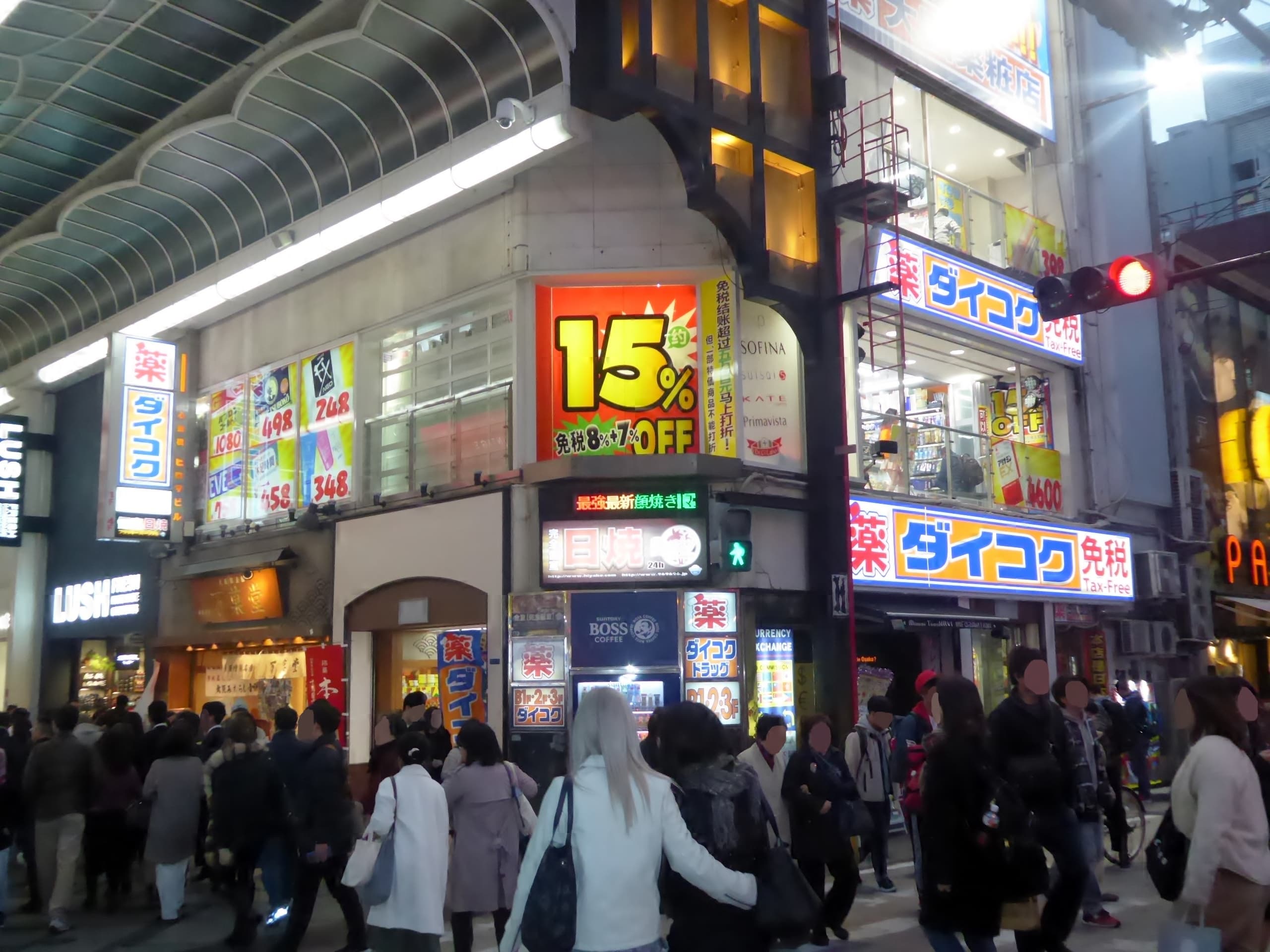
Japan Drugstore Guide: What to Buy at Matsumoto Kiyoshi and Daikoku Drug
Japan's drugstores sell better eye drops, pain patches, and skincare than most pharmacies back home. Here's what to buy, which chain, and how tax-free works.
First-Time Japan Checklist: What to Do Before You Fly (2026)
First-time Japan checklist for foreigners: visas, Visit Japan Web, eSIM, Suica, cash, hotels by city, what to book ahead, and a day-one plan that won’t ruin the trip.
Haneda to Tokyo: Monorail, Keikyu, and When to Take a Car
How to get from Haneda Airport to Tokyo: Tokyo Monorail, Keikyu Airport Line, buses, and private transfers — times, connections, and first-timer tips.