
Japan's Tax-Free Shopping Is Changing in November 2026: What to Know Before You Go
From November 1, 2026, Japan switches from tax-exempt checkout to pay-first, refund-at-departure. Here's exactly how the new system works.

If your last trip to Japan involved flashing your passport at checkout to skip the tax right there in the store, that process is going away. Starting November 1, 2026, Japan switches to a pay first, refund at departure model.
Countdown (as of mid-September 2026): about six weeks left on the old exempt-at-checkout system. Trips that shop before Nov 1 can still use it; trips that shop on or after Nov 1 must budget full price at the till and reclaim tax at the airport. If your itinerary straddles the date, expect two different checkout experiences in one trip.
How the Old System Worked
Under the system still in place through late 2026, eligible tourists showed their passport at a store's tax-free counter and had the 10% consumption tax exempted directly at checkout — no tax charged, no refund process needed afterward. It was fast, but it also created a real enforcement problem: nothing stopped someone from buying tax-free goods and then reselling or using them domestically instead of taking them out of the country, defeating the entire point of the exemption.
How the New System Works
From November 1, 2026, that changes structurally:
Step 1 — Pay full price. Every purchase, tax-free eligible or not, is charged at the normal tax-inclusive price at checkout. There's no more passport-and-exempt moment at the register.
Step 2 — Keep your receipts. You'll need documentation of eligible purchases to process the refund later.
Step 3 — Claim your refund at the airport before departure. A dedicated refund process at the airport verifies your purchases and processes the consumption tax refund before you leave the country — reversing the order of the old system entirely.
What's Being Simplified
The old system split goods into two categories with different rules: general goods (electronics, clothing, most retail items) and consumables (food, cosmetics, alcohol), with consumables requiring sealed, tamper-evident packaging that couldn't be opened until after leaving Japan — a rule that frustrated plenty of travelers who wanted to actually use a cosmetic product or snack during their trip. Under the new system, that split and the sealed-packaging requirement are being abolished, replaced by one unified process covering both categories.
What Stays the Same
The ¥5,000 minimum. Purchases must still total at least ¥5,000 before tax at the same store on the same day to qualify — this threshold isn't changing.
The 90-day window. Departure from Japan must happen within 90 days of the purchase date for tax-free eligibility to remain valid.
Passport requirement. You'll still need your passport for eligible purchases and for the refund process at departure.
What This Means for Trip Planning
Budget for full price upfront. If your trip spans the transition (before and after November 1, 2026), be aware pricing behavior at checkout will differ depending on which side of the date your purchases fall on.
Build in extra time at the airport. The refund verification process at departure adds a step to your airport routine that didn't exist under the old system — plan to arrive with more buffer than you might have budgeted previously, particularly during peak travel periods.
This affects any significant shopping stop — from Don Quijote runs to Uniqlo flagship visits to a kawaii shopping day in Harajuku — so it's worth understanding before, not after, you've built a shopping-heavy itinerary around the old rules.
Keep every receipt. Since the refund is processed after the fact rather than at the point of sale, having organized documentation of your purchases matters more under the new system than it did before.
It's one of several 2026 changes affecting trip cost and logistics this year — see also Japan's departure tax tripling to ¥3,000 and the new tourist fines now in effect.
FAQ
When does Japan's new tax-free shopping system start? November 1, 2026. Before that date, the existing exempt-at-checkout system remains in effect.
Do I still need to spend a minimum amount to qualify for tax-free shopping? Yes — the ¥5,000 minimum before tax, combined per store per day, is unchanged under the new system.
Will I still show my passport when shopping tax-free? Yes, but the process changes — instead of an exemption at checkout, you'll pay full price and use your passport and purchase records to process a refund before departure.
Do consumables still need to stay in sealed packaging? No — the sealed-packaging requirement for consumables is being abolished under the new system, along with the separate rules that previously distinguished consumables from general goods.
Where do I get my tax refund under the new system? At the airport, before you leave Japan — the refund is processed at departure rather than at the point of purchase.
Travel Desk
The Standard Japan
Trip planning: seasons and crowds, getting around, airports, where to stay, and the practical steps before and after you land.
Facts are taken from primary sources (operators, venues, official tourism and government pages) and dates and prices are checked on the day of writing. Pages are revised when those sources change.
Expertise
Seasonal crowds, transport and airports, itineraries, lodging, pre-trip logistics
Have a question or a correction?
Ask us anything about Japan's Tax-Free Shopping Is Changing in November 2026: What to Know Before You Go, or tell us what we got wrong. We reply within 24 to 48 hours.
The Standard Newsletter
Tokyo in your inbox. Weekly.
No algorithms curating your culture. No sponsored content disguised as journalism. Just the real Tokyo — the izakayas at 2am, the Harajuku kids who never made it to the algorithm, the ramen shop with no sign.
280+
Guides
Weekly
Editions
Free
Always
Join the underground.
One email a week. Unsubscribe anytime.
No spam. No sharing your data. Tokyo only.
Related Stories
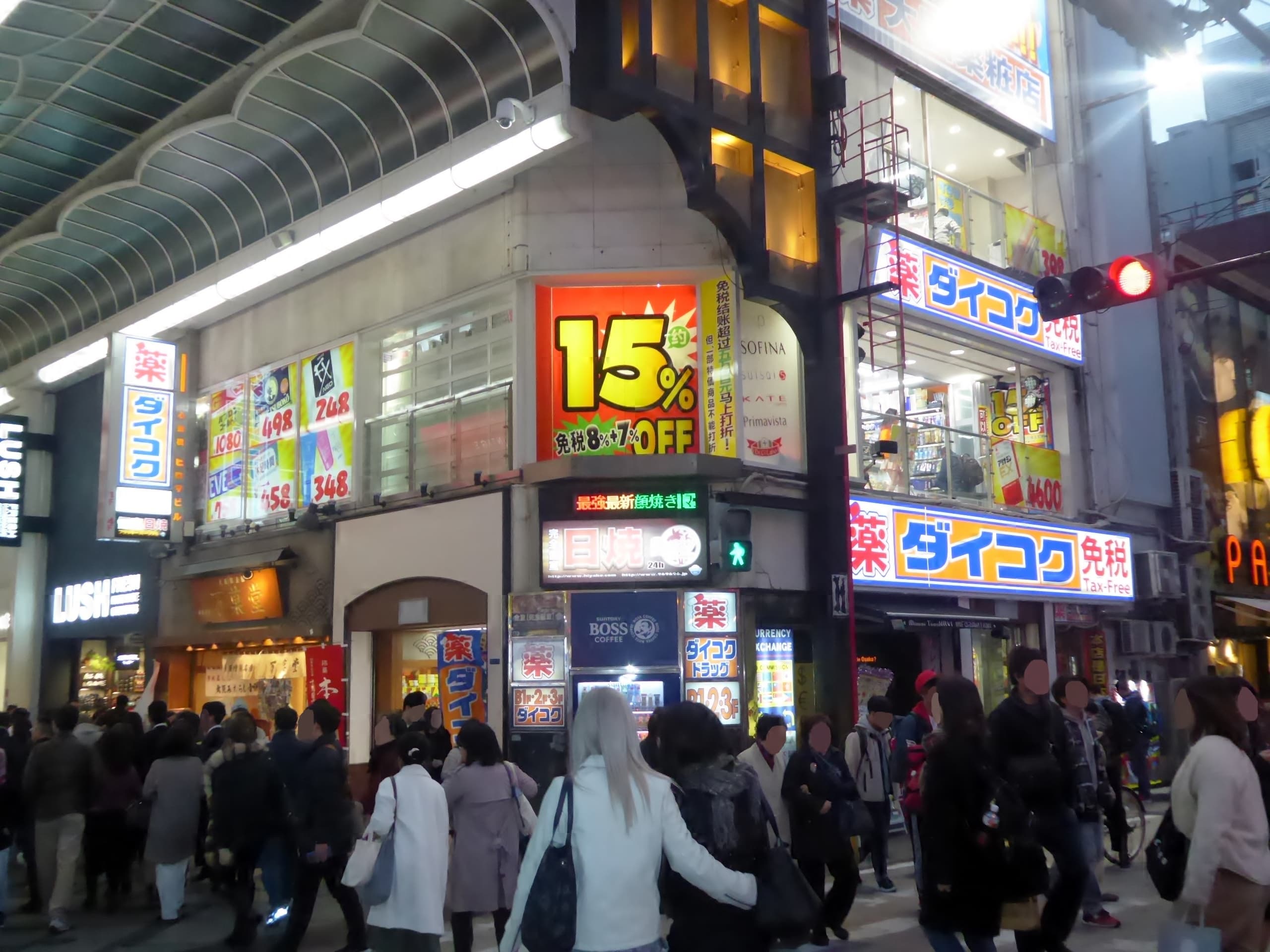
Japan Drugstore Guide: What to Buy at Matsumoto Kiyoshi and Daikoku Drug
Japan's drugstores sell better eye drops, pain patches, and skincare than most pharmacies back home. Here's what to buy, which chain, and how tax-free works.
First-Time Japan Checklist: What to Do Before You Fly (2026)
First-time Japan checklist for foreigners: visas, Visit Japan Web, eSIM, Suica, cash, hotels by city, what to book ahead, and a day-one plan that won’t ruin the trip.
Haneda to Tokyo: Monorail, Keikyu, and When to Take a Car
How to get from Haneda Airport to Tokyo: Tokyo Monorail, Keikyu Airport Line, buses, and private transfers — times, connections, and first-timer tips.