
Don Quijote: The Complete Guide to Japan's Chaotic Discount Store
What to actually buy at Don Quijote, how the tax-free counter works, and why the store looks like that. A practical guide to Japan's most overwhelming shopping stop.

Don Quijote — universally shortened to "Donki" — is the closest thing Japan has to a one-stop shop for everything: snacks, cosmetics, electronics, costumes, souvenirs, and a genuinely bewildering amount of stuff crammed floor to ceiling with almost no visible organizing logic. That chaos is deliberate — it's called "compressed display" and it's designed to keep you browsing longer than you planned. Here's how to actually shop it well.
Why It Looks Like That
Don Quijote's stacked-to-the-ceiling, narrow-aisle layout is an intentional retail strategy, not clutter. The idea is that browsing feels like treasure hunting, and the sheer density of products creates impulse purchases you wouldn't make in a normally organized store. Most locations are open very late — many flagship stores in Shibuya, Shinjuku, and Dotonbori run 24 hours.
What's Actually Worth Buying
Japanese snacks and Kit Kats — Don Quijote carries the largest selection of Japan-exclusive Kit Kat flavors (matcha, sake, wasabi, regional specialties) of almost any retailer, often at better prices than airport shops.
Skincare and cosmetics — Genuine Japanese pharmacy and cosmetic brands (Hada Labo, Bihada Ichigo, SK-II at some locations) at prices generally lower than department stores, plus a large selection aimed specifically at tourists.
Character goods and novelty items — A deep, constantly rotating selection of anime and character merchandise, often cheaper than dedicated character shops for basic items.
Alcohol — A genuinely strong selection of Japanese whisky, sake, and umeshu at competitive prices, including bottles hard to find at standard supermarkets.
Household oddities — This is where Donki earns its reputation: novelty gadgets, seasonal costumes (Halloween and Christmas sections are enormous), and products that exist nowhere else, purely because someone decided to make them.
Skip These
Basic electronics — Yodobashi Camera or Bic Camera have far better selection and prices for cameras, headphones, and major electronics; Don Quijote's electronics section is more about novelty gadgets than serious purchases.
Fresh food — Some locations have small grocery sections, but they're not a substitute for a proper supermarket or convenience store for perishables.
Tax-Free Shopping
Most Don Quijote locations have a dedicated tax-free counter, usually near the entrance or on a specific floor (look for signage or ask staff). Through October 2026, using it works like this:
- Bring your passport — required for every tax-free transaction.
- Minimum spend applies (typically ¥5,000 pre-tax for general goods) to qualify for the exemption.
- Consumables (food, cosmetics, medicine) must remain sealed and leave Japan within 30 days; general goods (electronics, clothing, souvenirs) have a similar export requirement but different packaging rules.
- Staff at the tax-free counter process everything at once — bring all your intended purchases there together rather than checking out separately.
This process changes on November 1, 2026. Japan is switching to a pay-first, refund-at-departure system, and the sealed-packaging requirement for consumables is being dropped entirely. See our full breakdown of the new tax-free system before you travel, especially if your trip falls on either side of that date.
The Flagship Locations Worth Visiting Just to See
Don Quijote Shibuya — Multiple floors, open 24 hours, arguably the single most overwhelming location in central Tokyo.
MEGA Don Quijote Shinjuku — One of the larger-format "MEGA" stores, with a wider layout than the classic cramped Donki aisles.
Don Quijote Dotonbori (Osaka) — Famous for its rooftop Ferris wheel (the "Ebisu Tower"), a genuinely strange and memorable landmark visible from the street.
Practical Tips
- Budget more time than you think — the density of the store means a "quick stop" routinely turns into 45 minutes.
- Bags: Larger locations offer luggage storage or shipping services for tourists who overbuy, which happens often.
- Cash and card: Both widely accepted; IC cards (Suica/Pasmo) work at registers in most locations too.
FAQ
Is Don Quijote cheaper than convenience stores for snacks? Generally yes, especially for multipacks and gift-box sets of Japanese snacks, though individual item prices are sometimes comparable to convenience stores.
Are all locations open 24 hours? No — flagship urban locations (Shibuya, Shinjuku, Dotonbori) typically are, but smaller neighborhood and suburban stores often close overnight. Check the specific location before planning a late-night visit.
Can I get a tax refund if I already left the tax-free counter? No — the exemption must be processed at the time of purchase at the dedicated counter; it cannot be claimed retroactively at a separate customs desk in most cases at Don Quijote specifically.
Is Don Quijote good for souvenir shopping? Yes, particularly for snack gift boxes, novelty items, and character merchandise — it's one of the most efficient single stops for souvenir shopping in Japan.
What does "Donki" mean? It's simply the common nickname Japanese shoppers use for Don Quijote (ドンキ), shortened from "Donki-hote," the Japanese transliteration of "Don Quixote."
Need Help with This?
Have questions about Don Quijote: The Complete Guide to Japan's Chaotic Discount Store? We're here to help. Send us a message and we'll get back to you within 24-48 hours.

Maya Yamamoto
Fashion & Culture Writer
Harajuku kid who never left. Covers street fashion and underground culture.
Grew up in Saitama, moved to Harajuku at 18. Been documenting street fashion and youth culture since 2015.
Tokyo
Expertise
Harajuku fashion, Japanese streetwear, underground culture, vintage
The Standard Newsletter
Tokyo in your inbox. Weekly.
No algorithms curating your culture. No sponsored content disguised as journalism. Just the real Tokyo — the izakayas at 2am, the Harajuku kids who never made it to the algorithm, the ramen shop with no sign.
8K+
Subscribers
Weekly
Editions
Free
Always
Join the underground.
One email a week. Unsubscribe anytime.
No spam. No sharing your data. Tokyo only.
Related Stories
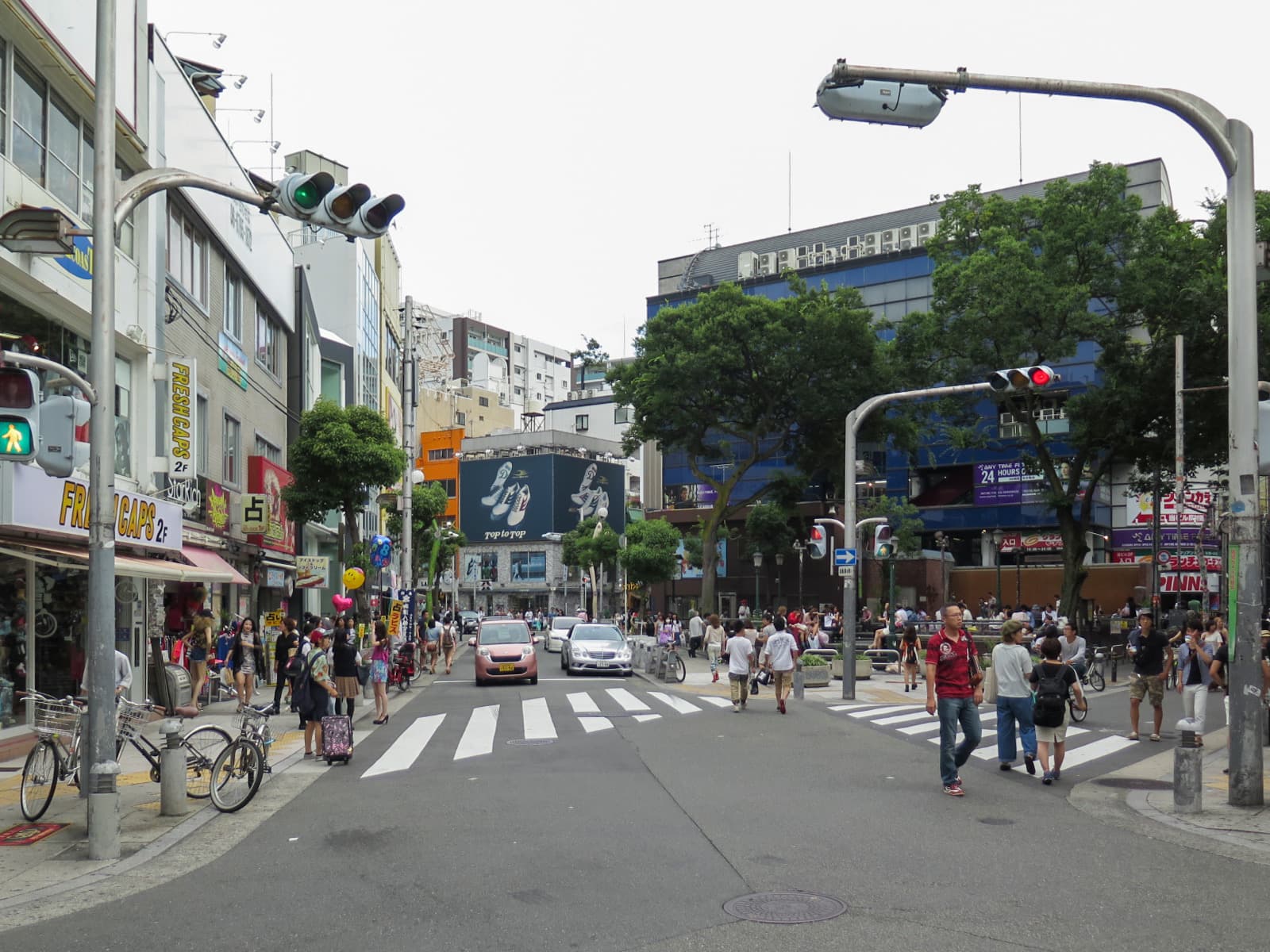
Amerika-Mura and Namba Guide 2026: Where Osaka's Night Starts
Amerika-Mura and Namba guide: Sankaku Park, vintage and streetwear shops, walk-in izakaya, and how the district connects to Dotombori for a full Osaka night.
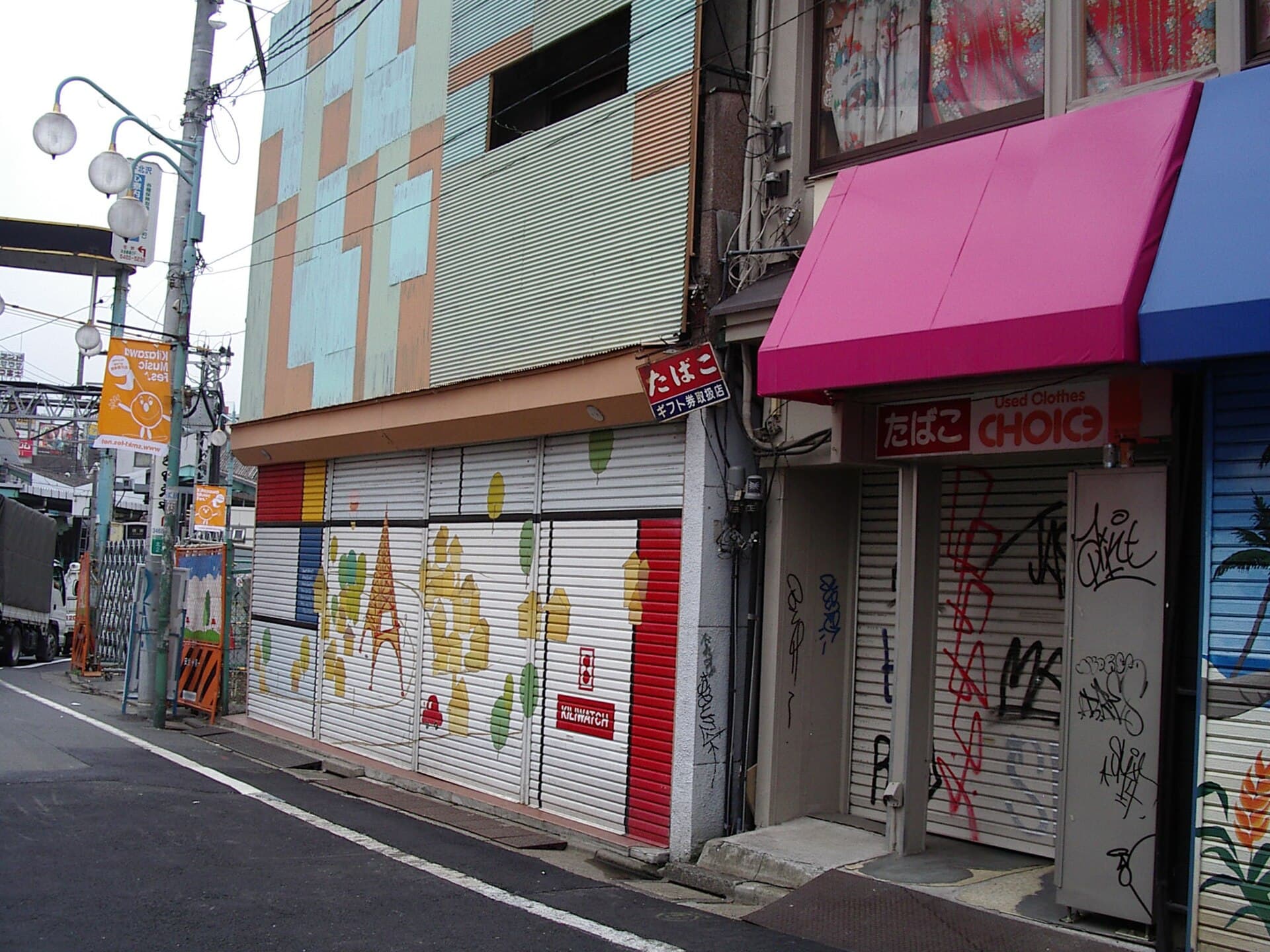
Brooklyn of Tokyo 2026: Shimokitazawa, Koenji, and Who Wins
Brooklyn of Tokyo usually means Shimokitazawa — vintage, live houses, indie cafes. Koenji and Nakameguro compete. Which neighborhood fits your trip.
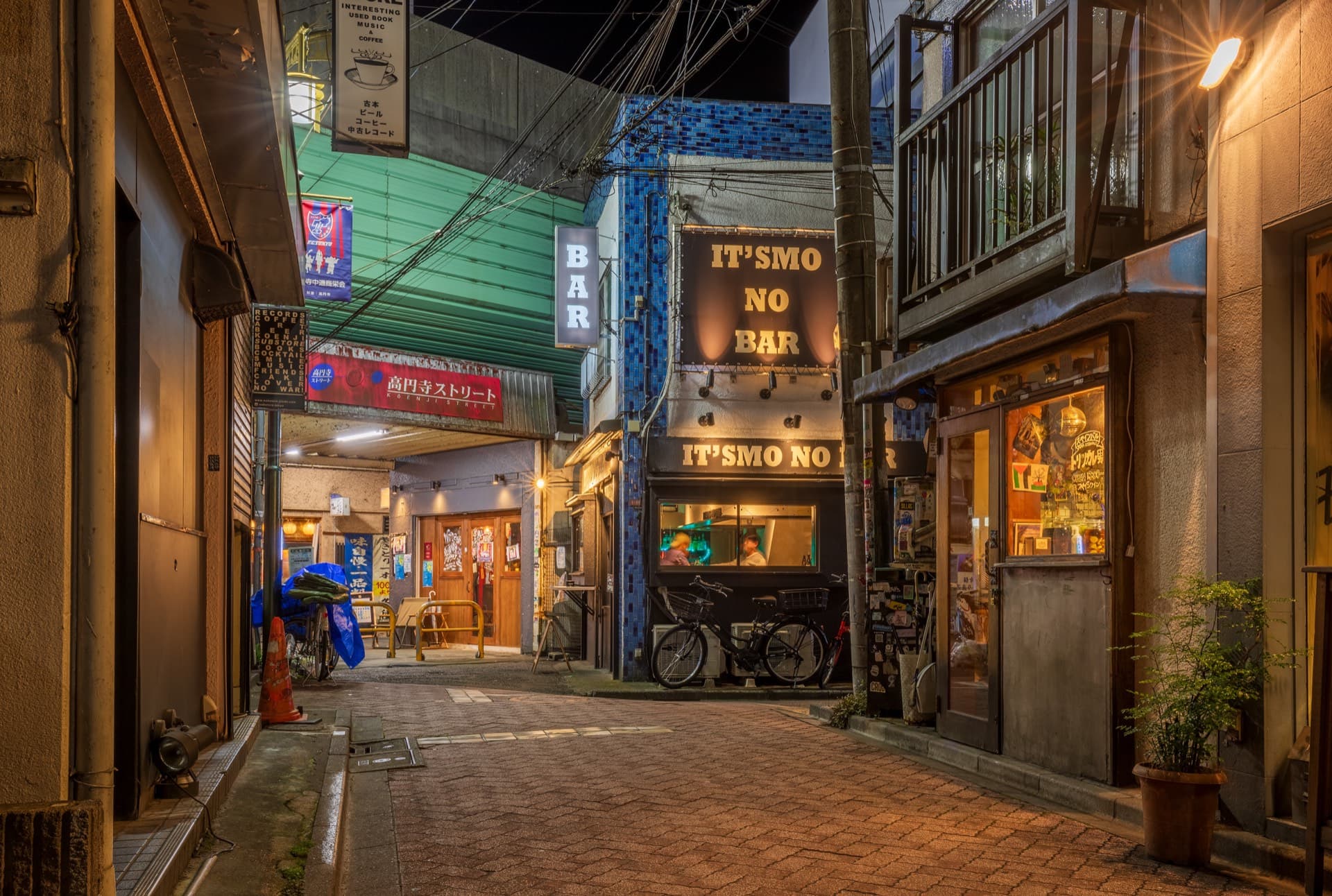
Koenji Guide 2026: Tokyo's Punk-Vintage Neighborhood
Koenji guide: record shops, deep vintage, punk bars, and the Chuo Line neighborhood that skips the Shimokitazawa day-trip crowd. What to do, eat, and see.