
Do People Speak English in Japan? What Tourists Should Expect
Do people speak English in Japan? In Tokyo tourist zones, enough to get by. Rural areas less so. Apps and a few phrases close the gap — here's what to expect where.

People in Japan speak less conversational English than in Western Europe — but tourists get by every day. In central Tokyo, Kyoto station areas, and Osaka’s Dotonbori corridor, you will find English menus, station signs, and staff who can handle check-in, tickets, and “where is the bathroom?” Outside those bubbles — a family-run soba shop in Yanaka, a clinic in a prefectural capital, a bus stop in the mountains — English drops sharply. The practical answer for 2026 is: plan for a language gap, not a language wall.
Combine this with the Japanese phrases guide, Tokyo Metro how-to, and Japan etiquette.
Tokyo and Big-City Tourist Zones
Stations and trains — JR East, Tokyo Metro, and Toei lines label major stops in English and romaji. Ticket machines have English menus. Destination boards show both scripts. If you can match a station name on a map to a platform sign, you can ride — details in how to use Tokyo Metro. IC cards (Suica / Pasmo) remove the need to speak at all for fare gates.
Hotels — Business hotels near Shinjuku, Shibuya, Tokyo Station, and Ueno usually have front-desk English adequate for check-in, Wi‑Fi passwords, and luggage storage. Capsule hotels and ryokan vary; chain business hotels (Toyoko Inn, APA, Sotetsu Fresa) are more predictable than tiny guesthouses.
Attractions — TeamLab, Ghibli Museum ticket systems, Senso-ji approaches, and department-store tax-free counters are built for foreigners. Museum audio guides often include English.
Airports — Haneda and Narita are bilingual by design: immigration, JR/Keisei counters, and tourist information desks. See Narita vs Haneda.
Expectation setting: you will not get long philosophical chats in English with every barista. You will get transactions completed.
Restaurants: The Real Daily Test
Chain and tourist-heavy spots — Ichiran, many ramen chains, conveyor-belt sushi, and places in Asakusa/Shibuya often have English or picture menus. Tablet ordering systems (common in Tokyo) let you tap photos — zero speech required.
Neighborhood spots — A counter-only yakitori shop in Koenji or a lunch set place near an office building may have Japanese-only menus and staff who freeze when addressed in English. This is awkwardness, not hostility. Point at dishes, use the phrase “kore o kudasai” (this one, please), or show a translated note on your phone.
Reservations — Hot restaurants and kaiseki rooms may only take Japanese phone bookings. Hotel concierges or apps (TableCheck, Omakase) help. Walk-in lunch is easier than dinner reservations if your Japanese is zero.
Allergy / dietary needs — Do not rely on spoken English for severe allergies. Carry a short Japanese note (“I cannot eat peanuts / shellfish”) — the phrases guide covers useful lines. Staff take allergies seriously when they understand them.
Outside Tokyo: Kyoto, Osaka, and Rural Japan
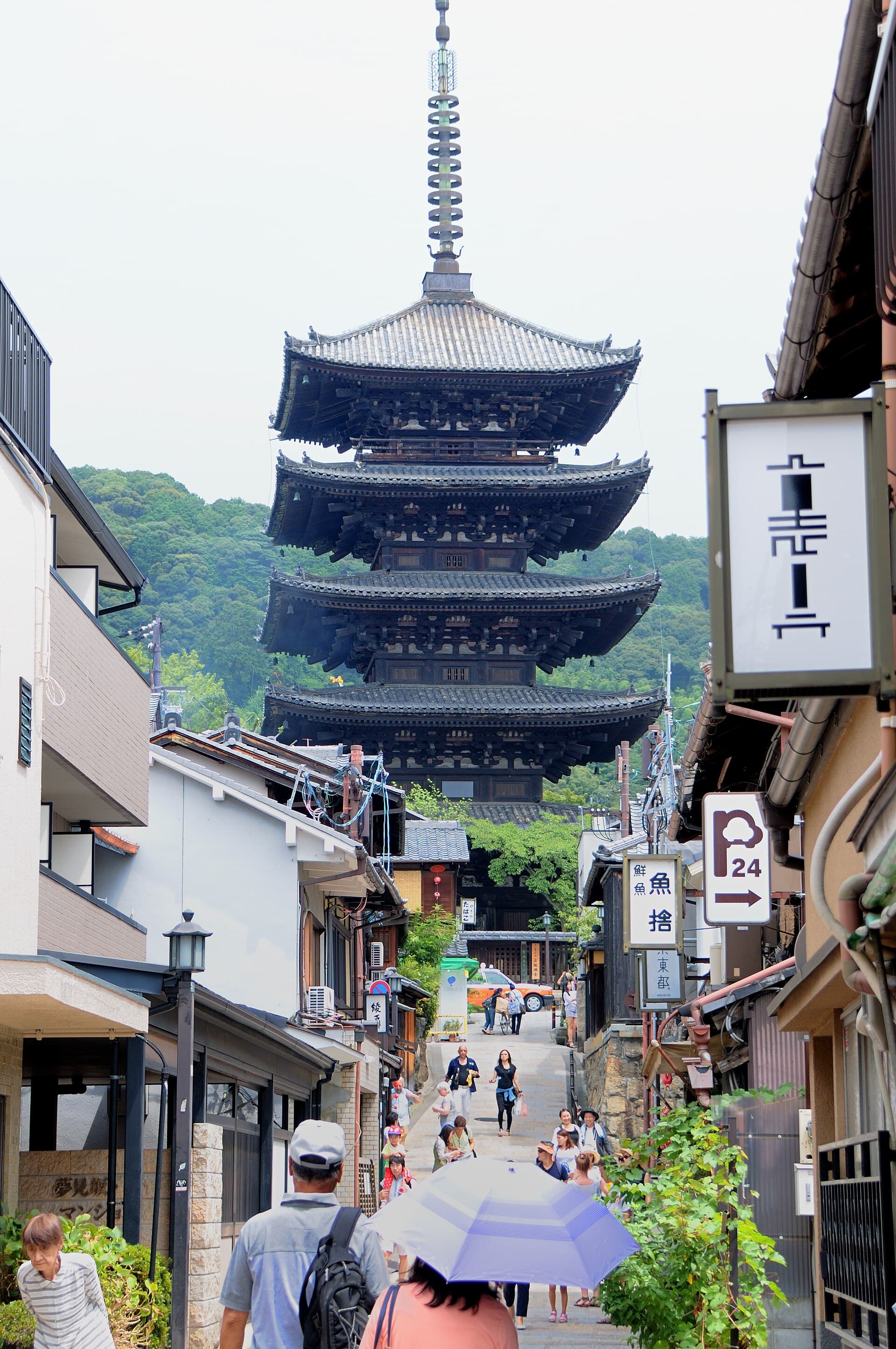
Kyoto and Osaka — Major temples, Gion approaches, Osaka Station City, and Universal Studios corridors have English signage and tourist-facing staff. Side streets in residential Kyoto or local okonomiyaki joints in residential Osaka may not. City buses display English stop names on many routes, but drivers rarely chat in English.
Rural and regional — Nikko shrine areas have tourist English; the bus to Lake Chuzenji may not. Onsen towns, countryside JR lines, and small islands assume Japanese. Smile, show your destination in Japanese on a map screenshot, and confirm the fare visually.
Medical and bureaucracy — Clinics and city halls are hit-or-miss. Tourist-heavy wards in Tokyo have more English-capable clinics; smaller cities less so. For serious care, ask your hotel for an English-speaking hospital referral rather than walking into the nearest clinic cold.
How Much Japanese Actually Helps
You do not need fluency. You need signaling.
Useful minimum set (learn these before landing):
- Sumimasen — excuse me / sorry / getting attention
- Arigatou gozaimasu — thank you
- Kore o kudasai — this one, please
- Eigo wa daijoubu desu ka? — is English okay?
- Wakarimasen — I don’t understand
Even imperfect pronunciation changes the interaction. Staff who looked tense often relax when you attempt Japanese first, then switch to slow English or an app. Full lists and pronunciation help: Japanese phrases for travelers.
Reading kanji is optional for short trips. Matching romaji station names and recognizing 入口 (entrance), 出口 (exit), 女 (women), 男 (men) covers bathrooms and gates.
Translation Apps and Practical Setup
Offline packs — Download Japanese for Google Translate or Apple Translate before you fly (airplane mode in the metro basement is real). Camera translation for menus is the single highest-ROI tool for food.
Voice — Use sparingly in quiet trains and temples — etiquette matters. Step aside, keep volume low.
Connectivity — An eSIM or pocket Wi‑Fi makes apps usable all day. Without data, offline packs + screenshots of hotel addresses in Japanese are your backup.
Writing — Show addresses in Japanese to taxi drivers. Do not rely on English-only hotel cards in smaller cities.
For a first-timer city plan where English density is highest, start with what to do in Tokyo.
FAQ
Can I travel Japan without speaking Japanese? Yes for major cities and tourist circuits. Use IC cards, English station signs, picture menus, and translation apps. Rural travel needs more patience and screenshots.
Do people speak English in Tokyo? Enough for hotels, trains, and tourist restaurants. Neighborhood spots often have little spoken English. Pointing and apps fill the gap.
Are train signs in English? Yes on JR, Tokyo Metro, and most major private railways in big cities — station names appear in English/romaji alongside Japanese.
Should I learn Japanese before my trip? Learn a short phrase set. It improves service and goodwill more than studying grammar for months.
Will restaurants refuse me if I don’t speak Japanese? Rarely. Confusion is more common than refusal. Tablet ordering and “kore o kudasai” solve most lunch situations.
Is Kyoto harder than Tokyo for English? Slightly, outside the main temple belt. Osaka tourist zones are comparable to Tokyo; residential areas in both cities are Japanese-first.
Culture Desk
The Standard Japan
Customs, festivals, pop culture and everyday Japan, explained for people who want to understand what they are looking at.
Facts are taken from primary sources (operators, venues, official tourism and government pages) and dates and prices are checked on the day of writing. Pages are revised when those sources change.
Expertise
Festivals, etiquette, pop culture, mascots, convenience-store culture
Have a question or a correction?
Ask us anything about Do People Speak English in Japan? What Tourists Should Expect, or tell us what we got wrong. We reply within 24 to 48 hours.
The Standard Newsletter
Tokyo in your inbox. Weekly.
No algorithms curating your culture. No sponsored content disguised as journalism. Just the real Tokyo — the izakayas at 2am, the Harajuku kids who never made it to the algorithm, the ramen shop with no sign.
280+
Guides
Weekly
Editions
Free
Always
Join the underground.
One email a week. Unsubscribe anytime.
No spam. No sharing your data. Tokyo only.
Related Stories
Kimono Experience in Japan: Worth It, Where to Book, What to Expect
Kimono rental and dressing experiences in Tokyo and Kyoto — prices, how long it takes, photo etiquette, and when a booked studio beats a street rental.

Samurai in Japan: History, Myths, and Where to Experience It (2026)
Samurai history without the Hollywood myths — bushido, the Meiji end of the class, and the best Tokyo and Kyoto experiences if you want armor, sword work, or theater.
Temple and Shrine Etiquette in Japan: Torii, Temizu, Bowing, Photos
Shrine vs temple basics, torii, temizu purification, bowing, money offering, shoes, hats, and photo rules — do this and you will not be that tourist.