
Kimono Experience in Japan: Worth It, Where to Book, What to Expect
Kimono rental and dressing experiences in Tokyo and Kyoto — prices, how long it takes, photo etiquette, and when a booked studio beats a street rental.
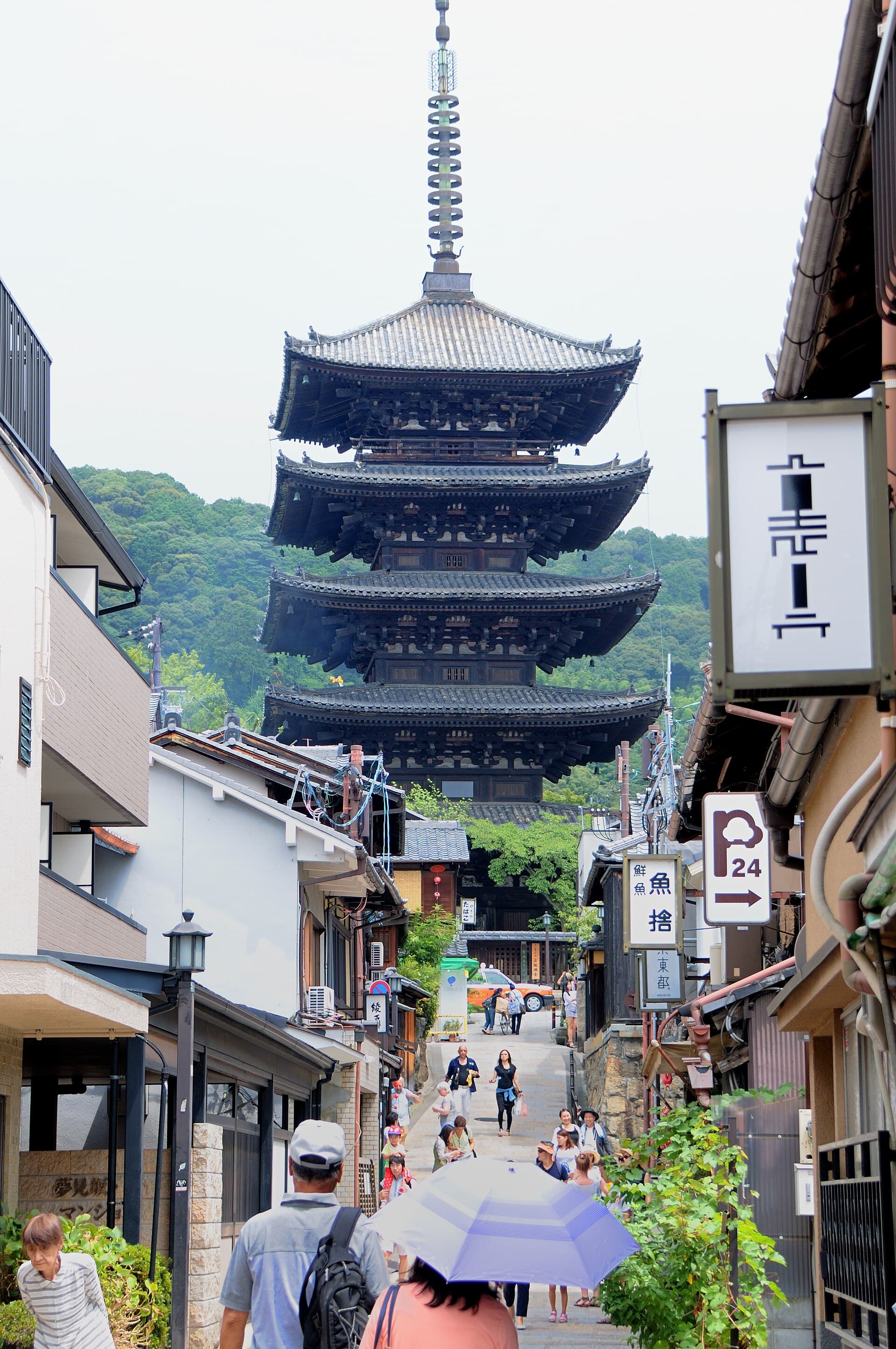
A kimono experience is a costume-with-context product — valuable when you want photos and a tactile cultural hour, skippable if you would rather spend the morning in a real temple queue at dawn. Done well, it is one of the cleanest bookable “I did a cultural thing” blocks on a first Japan trip.
Pair with tea ceremony guide, Asakusa guide, and what to do in Kyoto.
Some links in this article are affiliate links. If you book through them, The Standard Japan may earn a commission at no additional cost to you.
Kimono vs yukata (quick)
| Kimono | Yukata | |
|---|---|---|
| When | Formal / full dressing experiences | Summer festivals, casual inn wear |
| Layers | More structure, undergarments | Lighter cotton |
| Tourist rentals | Common year-round in Kyoto/Tokyo | Seasonal / summer-weighted |
Winter tourists usually get kimono (or kimono-style) packages with cloaks — ask about warmth.
Where to do it
Kyoto (classic)
Higashiyama / Gion-adjacent studios put you near photogenic lanes after dressing. Book early in foliage and sakura weeks. Walk carefully — those streets are living neighborhoods (etiquette).
Tokyo / Asakusa
Easiest for Tokyo-based itineraries. Pair with Senso-ji morning, then studio, then Skytree or lunch — Asakusa.
Skip random street touts
Use studios with clear pricing, English instructions, and reviews. If a price seems magical, read the exclusions (hair, socks, overtime).
What the experience usually includes
- Help choosing size/pattern
- Dressing / kitsuke
- Hair styling add-ons (often extra)
- Rental window of several hours
- Sometimes tea ceremony or photo plan
Time budget: 60–120 minutes in-studio before you even start walking.
Is it worth the money?
Worth it if: you want photos, you like dressing up, you will actually walk for a few hours in it.
Skip if: your knees hate stairs in restrictive clothing, rain is pouring, or you would rather fund a kaiseki lunch.
For a structured combo that removes decision fatigue:
If you are Kyoto-based and want evening cultural context instead of (or after) rental photos:
Practical tips
- Wear easy layers you can remove for dressing
- Bring a small bag; large backpacks fight the silhouette
- Choose flatter zori/sandals if you will walk hills
- Bathroom breaks take longer — plan ahead
- Do not chase geiko/maiko for photos
Sample half-days
Tokyo: Early Senso-ji → kimono/tea studio → late lunch → Skytree optional.
Kyoto: Studio near Higashiyama → Sannenzaka photos early → return before overtime fees → temple afternoon in normal clothes.
FAQ
How much does a kimono rental cost in Japan? Often roughly ¥3,000–15,000+ per person depending on hair, photos, and season.
Can men rent kimono too? Yes — many studios offer men’s cuts and hakama-style options.
Kimono in winter — too cold? Studios often provide coats/cloaks. Still limit outdoor time in wind.
Is it disrespectful for tourists? Renting from a proper studio is fine. Blocking worshippers or performers for photos is not.
Culture Desk
The Standard Japan
Customs, festivals, pop culture and everyday Japan, explained for people who want to understand what they are looking at.
Facts are taken from primary sources (operators, venues, official tourism and government pages) and dates and prices are checked on the day of writing. Pages are revised when those sources change.
Expertise
Festivals, etiquette, pop culture, mascots, convenience-store culture
Have a question or a correction?
Ask us anything about Kimono Experience in Japan: Worth It, Where to Book, What to Expect, or tell us what we got wrong. We reply within 24 to 48 hours.
The Standard Newsletter
Tokyo in your inbox. Weekly.
No algorithms curating your culture. No sponsored content disguised as journalism. Just the real Tokyo — the izakayas at 2am, the Harajuku kids who never made it to the algorithm, the ramen shop with no sign.
280+
Guides
Weekly
Editions
Free
Always
Join the underground.
One email a week. Unsubscribe anytime.
No spam. No sharing your data. Tokyo only.
Related Stories
Samurai in Japan: History, Myths, and Where to Experience It (2026)
Samurai history without the Hollywood myths — bushido, the Meiji end of the class, and the best Tokyo and Kyoto experiences if you want armor, sword work, or theater.

Temple and Shrine Etiquette in Japan: Torii, Temizu, Bowing, Photos
Shrine vs temple basics, torii, temizu purification, bowing, money offering, shoes, hats, and photo rules — do this and you will not be that tourist.
Do People Speak English in Japan? What Tourists Should Expect
Do people speak English in Japan? In Tokyo tourist zones, enough to get by. Rural areas less so. Apps and a few phrases close the gap — here's what to expect where.