
Ryokan Stay Guide: What to Expect in a Japanese Inn (2026)
Ryokan stay guide: yukata, kaiseki dinner and breakfast, onsen etiquette, check-in around 15:00, and typical half-board prices from ¥15,000–¥80,000+.
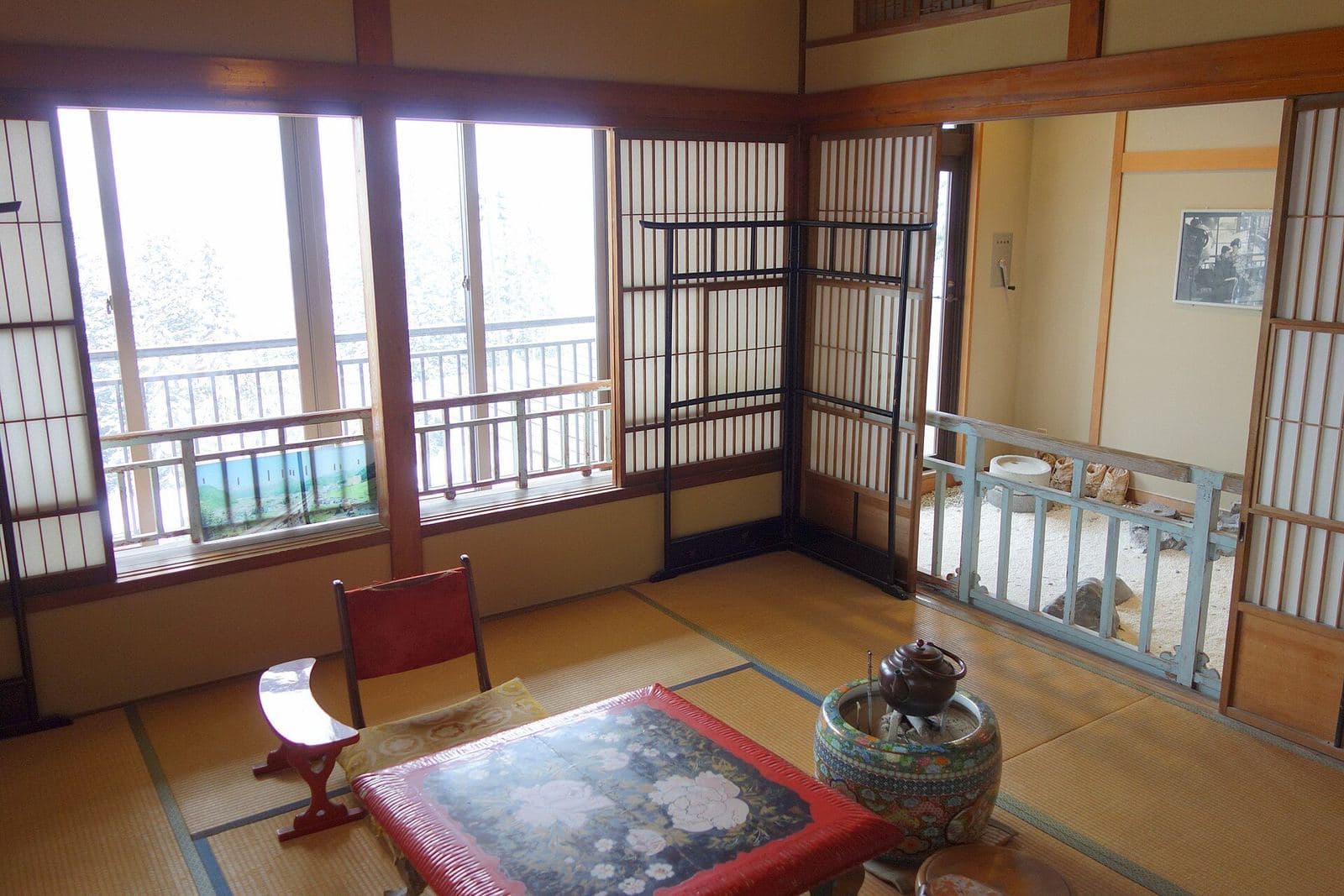
A ryokan is a Japanese inn built around hospitality, seasonal meals, and usually an onsen — not a Western hotel with a late room-service menu. You change into a yukata, remove outdoor shoes at the entrance, eat kaiseki-style dinner and breakfast on-site (often included), and soak before bed. The pacing is early and intentional. If you want 24-hour lobby energy and late restaurant freedom, stay in a hotel instead — see where to stay in Tokyo for city contrast.
Read onsen etiquette and tattoo policy before you pack.
Some links in this article are affiliate links. If you book through them, The Standard Japan may earn a commission at no additional cost to you.
Ryokan vs Hotel
| Ryokan | Typical hotel | |
|---|---|---|
| Room | Tatami, futon (often set later) | Beds, Western layout |
| Meals | Dinner + breakfast commonly included | Optional / nearby restaurants |
| Attire | Yukata provided for halls and baths | Street clothes |
| Schedule | Early dinner, quiet nights | Flexible |
| Baths | Onsen / large baths central to the stay | In-room shower primary |
Not every ryokan is ancient wood and mountain mist — modern “ryokan-style” properties exist — but the half-board, yukata, and bath culture is the product you are buying.
Arrival, Room, and Daily Rhythm
Check-in — Typically from 15:00. Arriving earlier may mean luggage storage only. Many inns want a phone or email if you will be late.
Shoes off — Outdoor shoes at the genkan; slippers inside. Separate toilet slippers if provided — switch back when you leave the toilet.
Room layout — Low table, zabuton cushions, tokonoma alcove in nicer rooms. Staff often lay futons while you are at dinner or in the bath. Do not expect a made Western bed at check-in.
Yukata — Wear it around the inn and to the baths (follow house rules for outdoor stroll areas). Left over right for living guests; the reverse is for the deceased — staff will usually demonstrate if needed.
Dinner — Often around 18:00–19:00. Multi-course kaiseki highlighting seasonal fish, vegetables, tofu, and local specialties. Meals may be in-room or in a dining hall. Eating out the same night usually wastes money you already paid.
Breakfast — Early, often Japanese-style (grilled fish, rice, miso, egg). Western options exist at some properties — ask when booking.
Quiet hours — Corridors and baths are shared, so keep your voice down after dinner. A quiet evening is part of what a ryokan offers.
Bath and Meal Etiquette
Onsen / baths — Wash thoroughly before entering the soaking tub. No swimsuits in traditional gender-separated baths unless the property says otherwise. Towels stay out of the water. Full rules: onsen etiquette guide.
Tattoos — Policies vary; some inns ban visible tattoos, some offer private baths (kashikiri / in-room). Check onsen tattoo policy and email the property before you book non-refundable rates.
Meal times — Fixed seatings are common. If you miss dinner without notice, you may still be charged.
Tipping — Not expected. At some high-end ryokan, Japanese guests traditionally give kokorozuke, a small amount of cash in an envelope for the room attendant, but it is optional and foreign guests are not expected to. See our tipping guide.
Price Bands (Per Person, Half-Board)
| Band | Rough range | What you get |
|---|---|---|
| Accessible | ¥15,000–¥25,000 | Simple room, solid meals, shared baths |
| Mid | ¥25,000–¥45,000 | Better kaiseki, nicer room, strong onsen |
| Luxury | ¥45,000–¥80,000+ | Private baths, top ingredients, highly personal service |
Solo travelers sometimes pay a surcharge. Peak weekends, autumn foliage, and New Year inflate rates. Compare apples to apples: per person with two meals, not bare room-only hotel rates.
How to Book
Japanese sites / property websites — Often best room inventory and meal customization, sometimes Japanese-only. Rakuten Travel and similar domestic OTAs are common.
Booking.com / global OTAs — Convenient English; read whether dinner is included. Message dietary needs immediately after booking.
Dietary requests — Vegetarian, vegan, allergies, religious restrictions: declare when booking. Kaiseki kitchens plan courses days ahead; surprise requests at 17:30 often fail. For plant-based travel broadly, see vegetarian / vegan Japan.
Private bath add-ons — Worth paying for if you have tattoos, travel as a couple who wants privacy, or dislike peak shared-bath hours (evenings after dinner and early morning).
Tips for International Visitors
- Dinner time is usually fixed, not flexible — many ryokan serve at a set hour (often 18:00) rather than an à la carte window; confirm the time at check-in so you're not late for a multi-course meal already in progress.
- Cash still matters — smaller, family-run ryokan in onsen towns sometimes don't take foreign cards even if they take domestic ones; bring enough yen to cover the stay plus incidentals.
- Forwarding luggage? If you send bags ahead with a delivery service, tell the ryokan to expect them and check that the delivery date matches your check-in.
- You'll likely be asked to remove shoes at the entrance, not just the room — house slippers are provided; don't wear them onto tatami mat areas, where sock or bare feet are the norm.
- Staff English varies a lot by region — city ryokan (Kyoto, Tokyo) usually manage fine in English; rural onsen towns less so. A translation app helps when staff explain the dinner courses.
FAQ
What’s the difference between a ryokan and a hotel? Ryokan emphasize tatami rooms, yukata, included multi-course meals, and onsen culture. Hotels emphasize flexible timing and Western rooms.
What time is dinner? Often around 18:00. Confirm your seating when you check in.
Do I tip at a ryokan? No. Tipping is not expected. The traditional kokorozuke envelope at high-end ryokan is optional.
How much does a ryokan cost? Commonly ¥15,000–¥80,000+ per person with dinner and breakfast, depending on grade and season.
Can I skip dinner and eat in town? Sometimes, but you usually still pay for half-board. Book a room-only plan if you want restaurant freedom.
Are tattoos allowed? Depends on the property. Ask in advance and read the tattoo policy guide linked above.
Travel Desk
The Standard Japan
Trip planning: seasons and crowds, getting around, airports, where to stay, and the practical steps before and after you land.
Facts are taken from primary sources (operators, venues, official tourism and government pages) and dates and prices are checked on the day of writing. Pages are revised when those sources change.
Expertise
Seasonal crowds, transport and airports, itineraries, lodging, pre-trip logistics
Have a question or a correction?
Ask us anything about Ryokan Stay Guide: What to Expect in a Japanese Inn (2026), or tell us what we got wrong. We reply within 24 to 48 hours.
The Standard Newsletter
Tokyo in your inbox. Weekly.
One short email a week: what’s on in Japan, what to book before it sells out, and the guides we’ve just updated.
280+
Guides
Weekly
Editions
Free
Always
Get the weekly email.
One email a week. Unsubscribe anytime.
No spam. We never share your address.
Related Stories
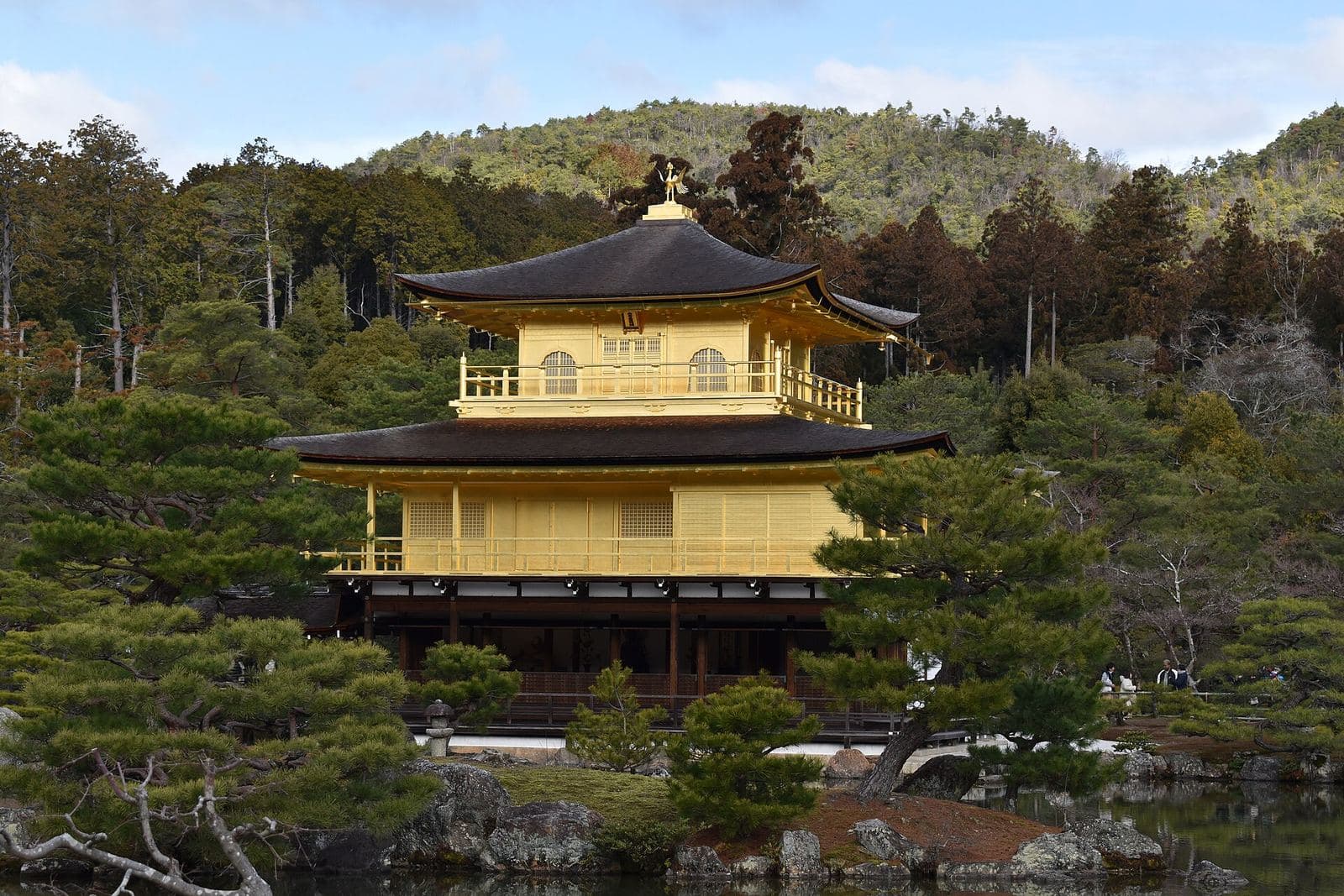
Aman Kyoto Review: What Guests Say, and Is It Worth It?
Aman Kyoto sits in a hidden forest garden near Kinkaku-ji. Guests call the setting extraordinary and the value poor. What they say, and who should go.
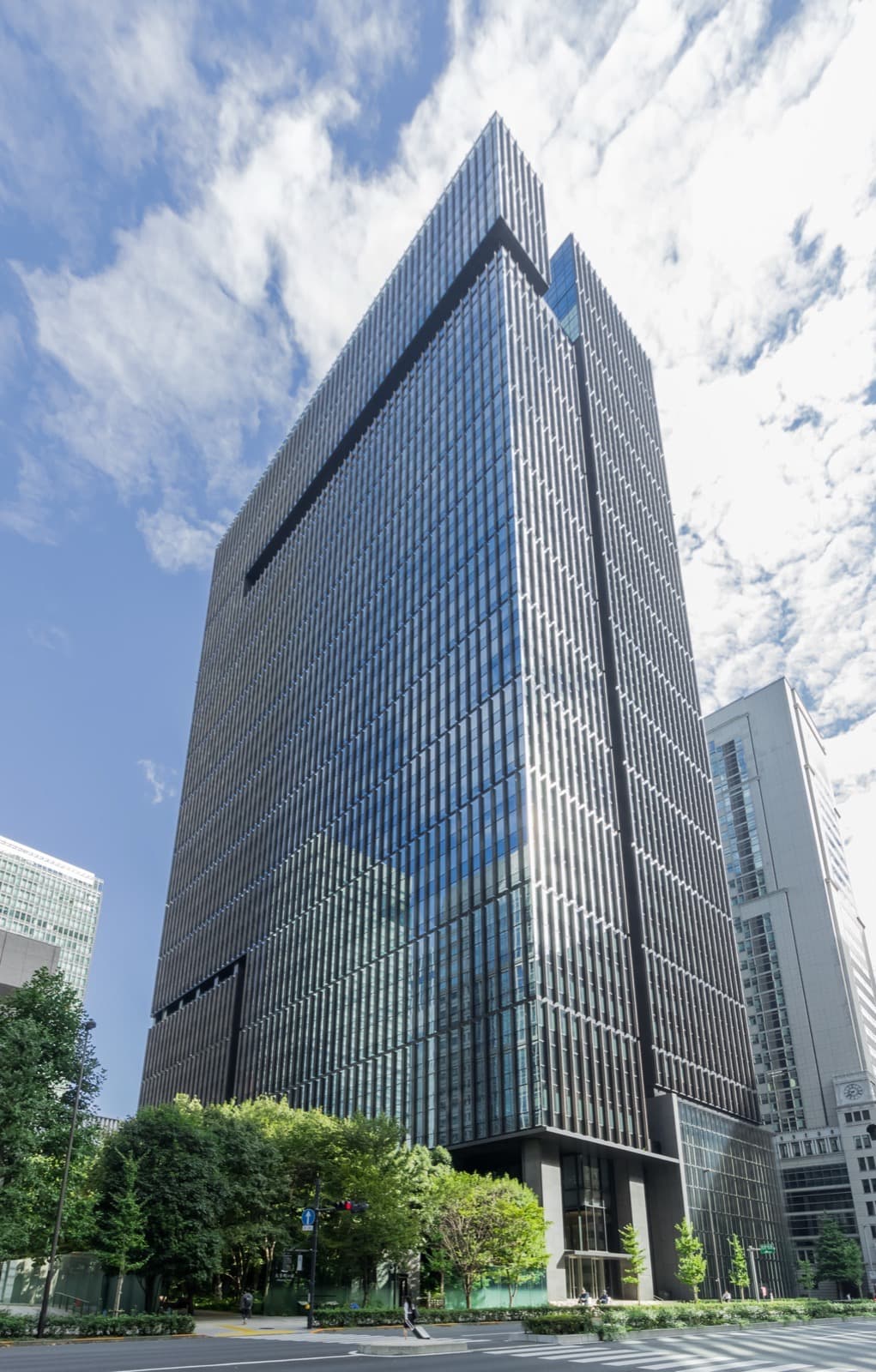
Aman Tokyo Review: What Guests Say, and Is It Worth It?
We read Aman Tokyo's guest reviews so you don't have to: what everyone loves, what keeps going wrong, which room to book, and when another hotel is better.
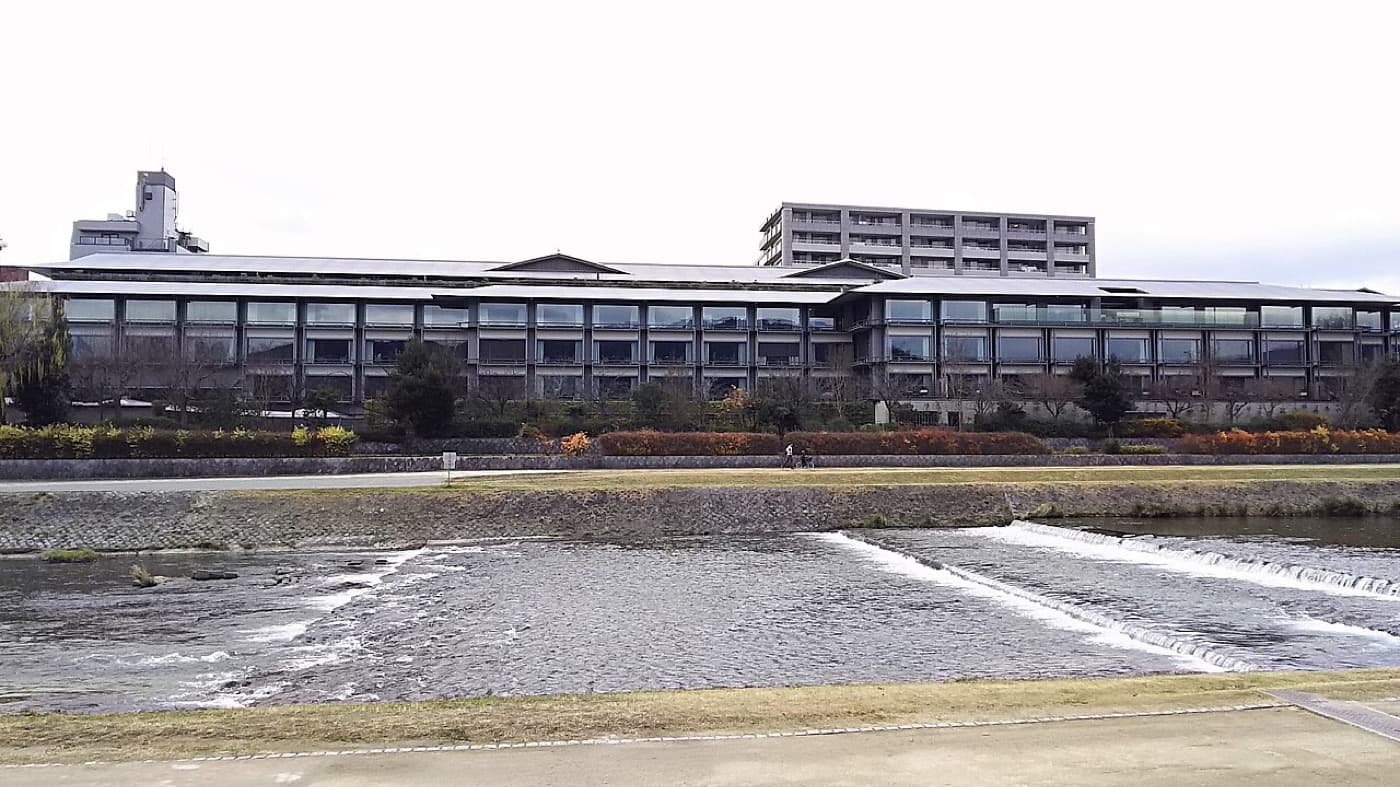
Best Luxury Hotels in Kyoto 2026, Ranked by Guest Reviews
Kyoto's top luxury hotels ranked on guest reviews: scores, prices, and what guests love and dislike at the Ritz-Carlton, Four Seasons, Park Hyatt and more.