
Vegetarian and Vegan Japan 2026: Honest Survival Guide
Fish dashi hides in “vegetable” dishes. Use HappyCow, a Japanese vegan card, confirmed shojin, and city-by-city tactics so plant-based Japan actually works.

Correction, 7 October 2026: an earlier version recommended Nagi Shokudo in Shibuya, which closed in April 2025.
Japan rewards plant-based travelers who plan — and punishes anyone who assumes rice and vegetables are automatically vegetarian. Classic dashi is usually kombu plus katsuobushi (bonito). “No meat” often still means fish stock is fine. Vegans add a second filter: egg, dairy, honey, gelatin, and shared fryer oil.
Also useful: Halal Japan · Japanese food guide · English in Japan.
The Core Problem: Dashi
Japan’s difficulty is not a vegetable shortage. It is stock. Washoku builds flavor on dashi, and “vegetable” on a menu rarely means stock-free.
| Looks safe | Common issue |
|---|---|
| Miso soup | Fish dashi |
| Vegetable ramen / “yasai” | Pork or fish broth |
| Vegetable tempura | Shared oil; tentsuyu dipping sauce is dashi |
| Inari sushi | Seasoning on the tofu pouch can include fish |
| Simmered vegetables (nimono) | Dashi, often with mirin |
| Salad / dressing | Mayo, fish sauce, bonito |
| “Vegetarian” curry | Dashi, honey, or butter |
| Onigiri | Many fillings are fish; plain ume is usually safest — still read the label |
Lacto-ovo vegetarians get more runway in bakeries and pasta shops. Vegans should default to dedicated kitchens in cities and to confirmed shojin — not hope.
What Actually Works
1. Dedicated vegan / vegetarian restaurants
Tokyo has the densest map: vegan ramen, plant burgers, clear veg curry houses, bakery cafés. Reliable first pins (always re-check hours):
- Ain Soph. Journey (Shinjuku) — long-running vegan multi-course
- T’s TanTan (inside the ticket gates at Tokyo Station) — vegan ramen with English-friendly menus, handy before a Shinkansen
Osaka and Kyoto are strong and still improving. Open HappyCow and recent Google Maps reviews the morning of — shops rotate faster than guidebooks. Weekend dinners: reserve whenever possible.
2. Shojin ryori (temple vegetarian)
Buddhist temple cooking — seasonal vegetables, tofu, seaweed — traditionally without meat or fish. Best density: Kyoto and mountain temple towns.
| Format | Typical price |
|---|---|
| Casual lunch set | ¥2,000–¥4,000 |
| Formal experience | ¥5,000–¥15,000+ |
Ask every time. Some kitchens still use dashi or egg. “Shojin” is a vegetarian spirit, not a global vegan certificate.
3. Japanese vegan / allergy card
Hand it over before you order. Photo on your phone is fine.
Vegan:
肉・魚・だし(かつお・煮干し等)・魚介出汁・ラード・ゼラチンは使えません。ビーガンです。卵・乳製品・はちみつも不要です。
Shorter vegetarian:
ベジタリアンです。肉・魚・だしは不要です。
Staff sometimes say “OK” incorrectly under language pressure. If unsure, change the dish or the shop. Keep it polite: Japan etiquette.
4. Self-catering backups
Ethnic groceries, fruit, plain rice, clean-label seaweed snacks, verified hotel-room noodles. Depachika fruit helps on busy days — still read every sticker.
Everyday Options (With Caveats)
Usually workable after asking
- Plain rice; simply labeled ume onigiri
- Edamame (confirm no fish seasoning)
- Fresh fruit; vegetable rolls at dedicated vegan shops
- Indian / Nepali / Italian — flexible for lacto-veg; vegans still check cheese and cream
Konbini (7-Eleven / Lawson / FamilyMart)
Labeled vegan snacks and salads are growing — read the allergen panel every time. Cup miso and many soups are fish-based. See konbini culture and 7-Eleven vs Lawson.
Chains
- Dedicated vegan ramen in big cities: typically ¥1,200–¥1,800
- Saizeriya — limited plant options; not a vegan haven
- Mos Burger — plant items rotate; check the current allergen sheet
Treat chain “veggie” marketing as marketing, not certification.
City-by-City Reality
| City | Reality |
|---|---|
| Tokyo | Easiest density — base here if plant-based is non-negotiable |
| Kyoto | Best for shojin + improving vegan cafés; book temple meals in peak season |
| Osaka | Strong casual vegan and international food |
| Rural / ski / beach | Hard mode — stock up in the last big city; lean on hotel kitchens |
On multi-city trips, pre-pin HappyCow against Kyoto 3 days and Osaka 2 days. One confirmed dinner per day keeps the rest of the trip flexible.
Useful Phrases
| Japanese | Meaning |
|---|---|
| ベジタリアンです | I’m vegetarian |
| ヴィーガンです | I’m vegan |
| 出汁は入っていますか? | Does this contain dashi? |
| かつお/煮干しは? | Bonito / dried sardine stock? |
| 魚/肉は入っていませんか? | No fish or meat inside? |
| これは食べられますか? | Can I eat this? |
Spoken Japanese plus a written card beats English menus alone — stock bases are often omitted from translations.
Sample Day (Tokyo)
- Breakfast — Confirmed vegan café, or konbini fruit + labeled snack
- Lunch — HappyCow vegan ramen, or Indian thali (confirm dairy)
- Snack — Fruit from depachika
- Dinner — Reserved vegan restaurant; skip random izakaya “vegetable skewers” without a dashi check
FAQ
Is Japanese food mostly vegetarian?
No. Fish stock is foundational to washoku broths and many “vegetable” dishes.
Is tofu always vegan?
No. Preparation and sauces may include fish, egg, or dairy.
Best finder app?
HappyCow — then verify dashi-free practice when you arrive.
Can I survive on convenience stores?
For a day or two with careful labels, yes. For a full satisfying trip, no.
Is shojin ryori always vegan?
Often vegetarian in spirit; not always strictly vegan. Ask about dashi and egg.
How much per meal?
Casual vegan: ¥1,200–¥2,500. Shojin: often ¥2,000–¥5,000. Nicer plant dinners can exceed ¥5,000.
Food Desk
The Standard Japan
Where and how to eat in Japan, from konbini and kissaten to izakaya, ramen and department-store food halls.
Facts are taken from primary sources (operators, venues, official tourism and government pages) and dates and prices are checked on the day of writing. Pages are revised when those sources change.
Expertise
Restaurants, izakaya, ramen, food halls, ordering and etiquette
Have a question or a correction?
Ask us anything about Vegetarian and Vegan Japan 2026: Honest Survival Guide, or tell us what we got wrong. We reply within 24 to 48 hours.
The Standard Newsletter
Tokyo in your inbox. Weekly.
One short email a week: what’s on in Japan, what to book before it sells out, and the guides we’ve just updated.
280+
Guides
Weekly
Editions
Free
Always
Get the weekly email.
One email a week. Unsubscribe anytime.
No spam. We never share your address.
Related Stories
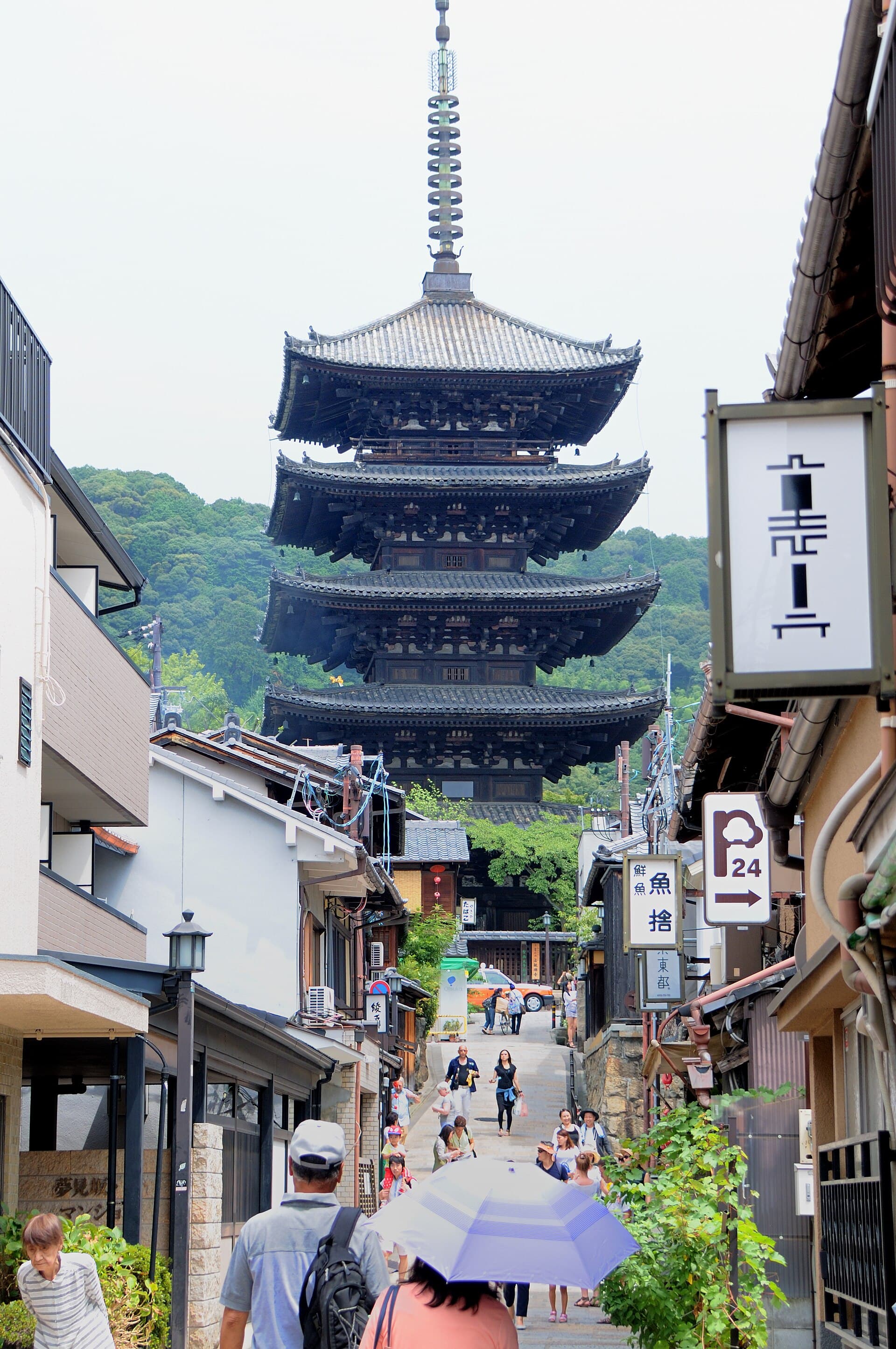
Best Food in Kyoto: Where to Eat Beyond the Temple Circuit
Best food in Kyoto: Nishiki Market strategy, kaiseki vs casual, tofu and matcha, where to book, and how to eat well without wasting temple mornings.
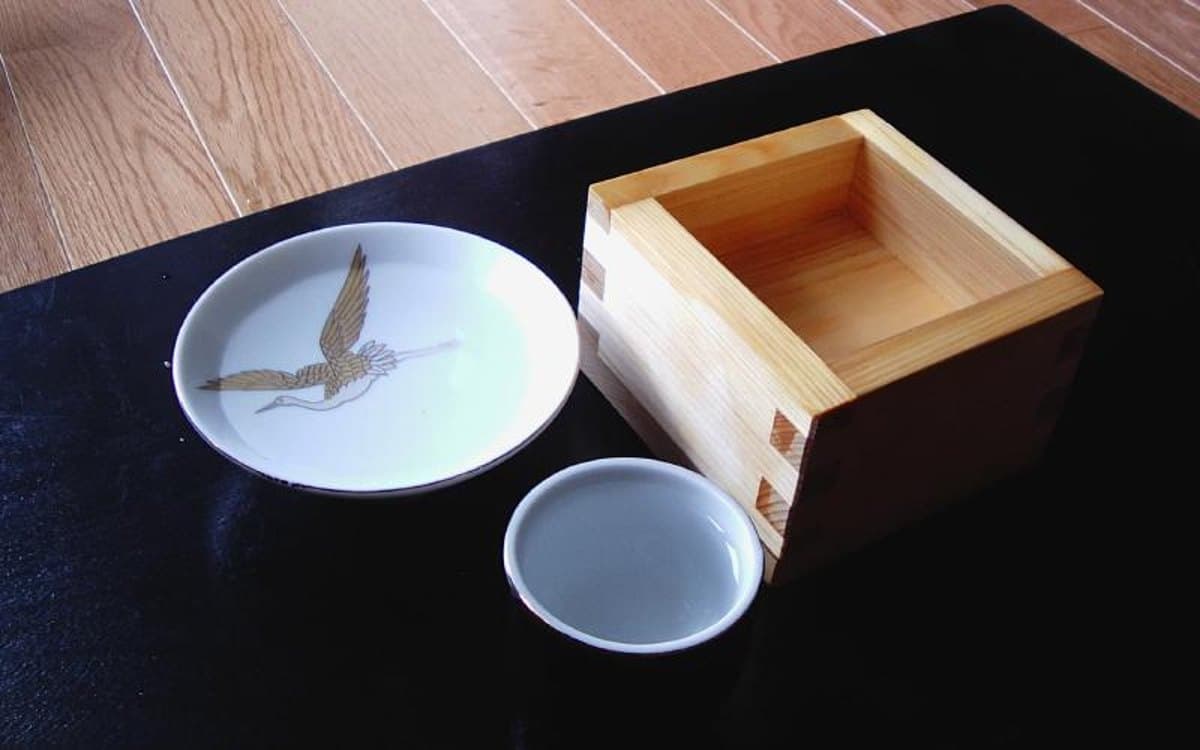
Fushimi Sake District Guide: Kyoto's Sake Brewery Neighborhood
Fushimi is Kyoto's sake district: white-walled breweries, a canal boat and tastings a short ride from Fushimi Inari. How to spend an afternoon there.
Sake Tasting in Tokyo: Where to Go and What to Know
Where to taste sake in Tokyo, from a free information center to all-you-can-taste bars and a brewery day trip, plus the label words worth knowing.