
Fushimi Sake District Guide: Kyoto's Sake Brewery Neighborhood
Fushimi is Kyoto's sake brewery district — white-walled breweries, a canal boat ride, and tastings a short train ride from Fushimi Inari. Here's how to spend an afternoon there.
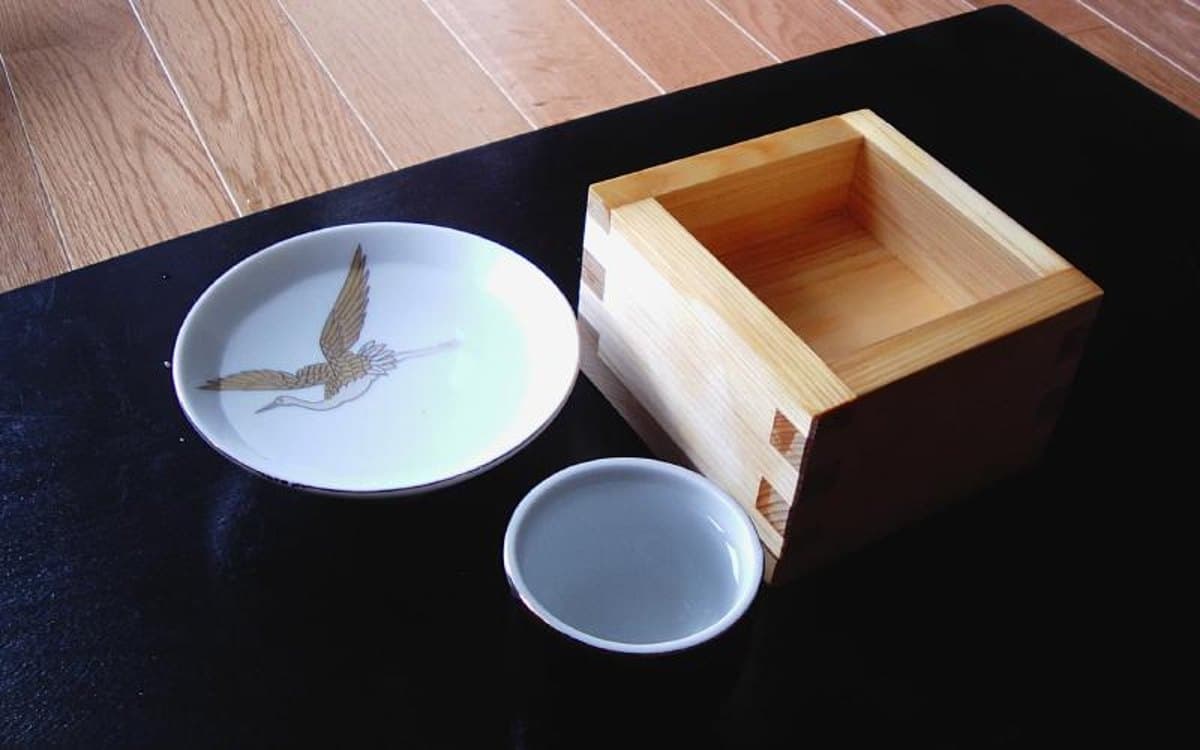
Everyone who visits Kyoto ends up at Fushimi Inari for the thousand orange torii gates. Almost nobody continues ten minutes further to Fushimi's other claim to fame: it's one of the two most important sake-producing regions in Japan, alongside Nada in Kobe, and its brewery district is one of the most pleasant, least-crowded afternoons in the entire city.
The reason Fushimi makes sake at all comes down to water. The district sits over a network of natural springs — soft, low-mineral water that Kyoto locals have bottled and used for tea ceremonies for centuries — and that same water produces a rounder, smoother style of sake than the harder water used in Nada. Locals call it onna-zake, "feminine sake," for its gentler character. You can taste the difference in one afternoon without knowing anything about sake going in.
Some links in this article are affiliate links. If you book through them, The Standard Japan may earn a commission at no additional cost to you.
Getting There
From central Kyoto, take the Keihan Main Line to Chushojima Station (about 20 minutes from Gion-Shijo) or the Kintetsu Kyoto Line to Momoyamagoryomae Station (about 25 minutes from Kyoto Station) — both put you a short walk from the canal-side brewery district. This is a genuinely easy add-on to a Kyoto day, not a separate excursion requiring its own transit plan.
Pairing with Fushimi Inari: both sit in southern Kyoto, close enough that a common day plan is Fushimi Inari in the morning (climb before 9am to beat the crowds — see our Kyoto travel guide), lunch, then the sake district in the afternoon once your legs are done with stairs and ready for a flatter, slower walk.
The Neighborhood
Fushimi's brewery district centers on a canal — the same one boats once used to move sake barrels toward Osaka and the rest of Japan — lined with white-walled, black-tiled brewery buildings that look closer to Edo-period woodblock prints than to anything else in modern Kyoto. A short jukkokubune canal boat ride (seasonal, roughly March–early December) drifts past the brewery walls and is worth the 20-some minutes if it's running when you visit.
Gekkeikan Okura Sake Museum — the easiest, most English-friendly stop, run by one of Japan's largest sake producers. The museum walks through traditional brewing equipment and history in a compact, well-signed space, and ends at a tasting counter. Good first stop if you're new to sake and want context before tasting elsewhere.
Kizakura Kappa Country — part brewery, part restaurant, part small museum dedicated to kappa folklore (Kizakura's mascot is the mythical water creature) — a good lunch stop with beer brewed on-site alongside the sake.
Teradaya — a historic inn with a real place in Japanese history: samurai Sakamoto Ryoma survived an assassination attempt here in 1866. It's a modest but atmospheric stop if you want one non-sake historical site in the mix.
Smaller breweries dot the surrounding streets, many with small tasting counters open to walk-ins for a few hundred yen per pour — this is a district built for wandering rather than a checklist.
Actually Understanding What You're Tasting
Walking in cold and pointing at bottles gets you a pleasant but forgettable afternoon. The difference between an average visit and a great one here is context — knowing what junmai, ginjo, and daiginjo actually mean, how rice-polishing ratio changes flavor, and how to pair a specific sake style with food rather than drinking it on its own.
Buying Sake to Bring Home
Most breweries and their attached shops sell bottles you can take with you, and larger shops near Kyoto Station or the airport will often ship domestically if you don't want to carry glass. A few practical notes: nama-zake (unpasteurized, fridge-only sake) generally can't survive international travel or customs realistically — stick to standard pasteurized bottles for anything leaving Japan. Check your home country's duty-free alcohol allowance before buying multiple bottles; see our tax-free shopping guide for how Japan's own export tax exemption works at the point of sale, which is separate from what your destination country allows you to bring in.
Tips for International Visitors
- The legal drinking age in Japan is 20, and tasting counters and guided tours will check — bring ID and don't assume a younger-looking adult gets waved through.
- Most brewery tasting counters are cash-friendly first — small shops in the backstreets often don't take cards even if the museum-attached shops do.
- This is a walking district, not a strolling-with-a-suitcase one — if you're doing this on a travel day, use a coin locker at Kyoto Station first; see our luggage storage guide for how lockers work generally in Japan.
- Don't drive here and expect to taste — several tour operators and breweries explicitly won't pour for guests who arrived by car or bicycle, for obvious safety and legal reasons.
- The canal boat ride is seasonal and weather-dependent — check the same day rather than building a tight schedule around it running.
FAQ
Is Fushimi the same as Fushimi Inari? Related but distinct. Fushimi Inari refers specifically to the famous shrine and its torii gate trail; the Fushimi sake district is a separate but nearby neighborhood, both within the broader Fushimi Ward of southern Kyoto.
How is Fushimi sake different from other regions? Fushimi's naturally soft, low-mineral water produces a smoother, rounder sake than the harder water used in Nada (Kobe), Japan's other major sake region. Locals describe the contrast as onna-zake (soft, "feminine") versus Nada's otoko-zake (harder, "masculine") style.
Can I visit the breweries without a tour? Yes — the Gekkeikan Okura Sake Museum and several other breweries are open to independent walk-in visitors with small tasting counters. A guided tour adds structure, deeper explanation, and a private tasting room, which matters more if you want to actually learn the categories rather than just sample.
How much time should I budget? Two to three hours covers the district comfortably, including one museum stop and a canal walk. A full guided tasting experience runs closer to three hours on its own.
Is this suitable if I don't really like sake? Yes, more than you'd expect — several visitors report going in indifferent or skeptical (often after only having tried inexpensive cooking-grade sake at home) and leaving as converts once they taste properly brewed, chilled ginjo-grade sake paired with food.
Can I combine this with Fushimi Inari in one day? Comfortably. Do Fushimi Inari in the morning before the heat and crowds build, then move to the sake district for the afternoon — they're a short train ride apart in the same part of southern Kyoto.
Related Guides
- Same neighborhood → Kyoto travel guide, Kyoto 3-day itinerary
- More Kyoto food → Izakaya culture guide, Osaka food guide
- Shopping and logistics → Japan tax-free shopping guide, Coin lockers and luggage storage
- Trip planning → Japan 2-week itinerary, Japan budget travel
Need Help with This?
Have questions about Fushimi Sake District Guide: Kyoto's Sake Brewery Neighborhood? We're here to help. Send us a message and we'll get back to you within 24-48 hours.

James Chen
Food & Drink Writer
Former chef. Now eats his way through Tokyo and writes about it.
Moved to Tokyo from San Francisco in 2016. Worked in kitchens in both cities before switching to food journalism. Lives in Nakameguro.
Tokyo
Expertise
Ramen, izakaya, Tokyo restaurants, food culture
The Standard Newsletter
Tokyo in your inbox. Weekly.
No algorithms curating your culture. No sponsored content disguised as journalism. Just the real Tokyo — the izakayas at 2am, the Harajuku kids who never made it to the algorithm, the ramen shop with no sign.
8K+
Subscribers
Weekly
Editions
Free
Always
Join the underground.
One email a week. Unsubscribe anytime.
No spam. No sharing your data. Tokyo only.
Related Stories

Vegetarian and Vegan Japan 2026: Honest Survival Guide
Fish dashi hides in “vegetable” dishes. Use HappyCow, a Japanese vegan card, confirmed shojin, and city-by-city tactics so plant-based Japan actually works.

How to Order at Ichiran in Japan: Ticket Machine, Booths, Order Sheet, Kaedama
Official Ichiran system: vacant-seat panel (空), flavor booths, circle the order sheet, call button, and kaedama sensor — no reservations.

Japan Cream Soda: The Neon Kissaten Float That Isn’t Vanilla Extract Nostalgia
Japanese cream soda is melon (or fruit) soda under vanilla ice cream — a kissaten classic with roots in Ginza soda fountains. Where it came from, what to order, and how not to drink it like a kid’s menu joke.