
Sake Tasting in Tokyo: Best Experiences for First-Timers
Sake tasting in Tokyo for tourists — what junmai and ginjo mean, where to book a class, how much to spend, and how to order afterward without guessing.
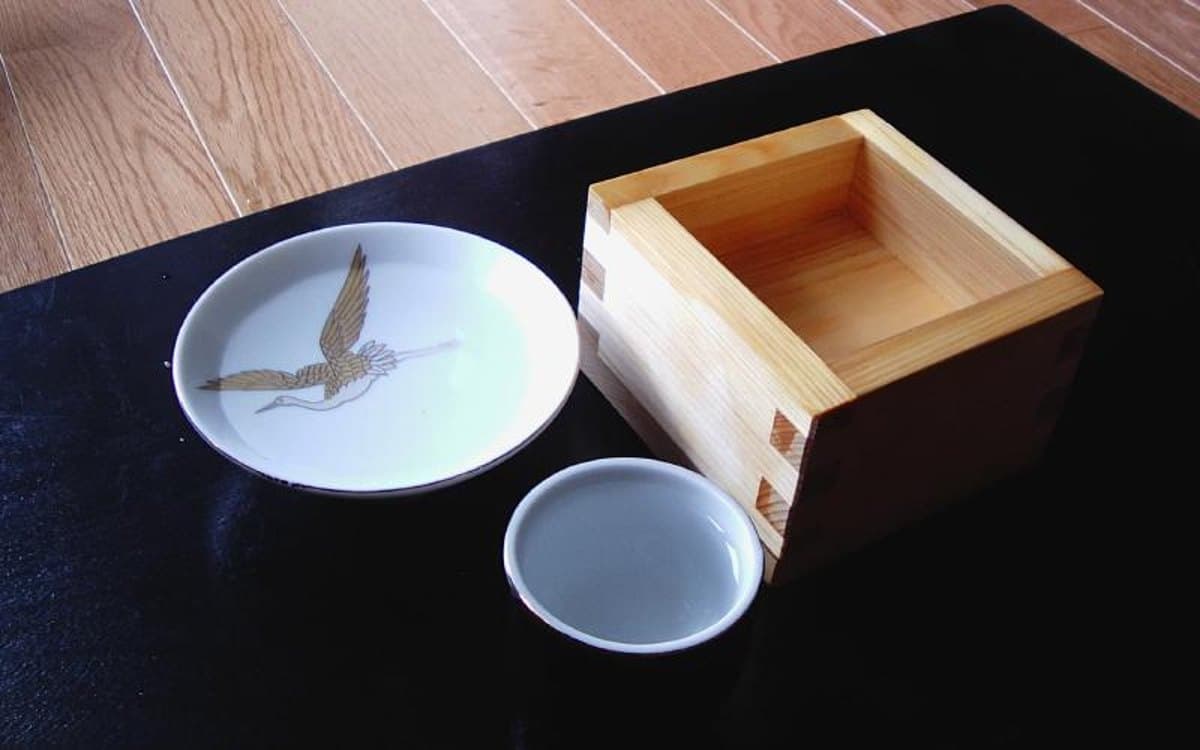
Sake in Tokyo is easy to drink and easy to misunderstand. Convenience-store cans will not teach you anything. A 60–90 minute tasting with someone who can explain rice polish, serving temperature, and food pairing will change how you order for the rest of the trip.
Pair with izakaya culture, best izakaya Tokyo, and Tokyo food tours.
Some links in this article are affiliate links. If you book through them, The Standard Japan may earn a commission at no additional cost to you.
What you actually need to know
| Term | Plain meaning |
|---|---|
| Junmai | Pure rice sake feel — often richer |
| Ginjo / daiginjo | Higher polish, often fruitier/aromatic |
| Nigori | Cloudy, unfiltered vibe |
| Atsukan / reishu | Warmed vs chilled service |
You do not need a certification. You need a preference.
Best format for tourists
Book a small class with a sommelier or specialist shop. Look for:
- English available
- 4–8 pours, not 20 dizzy ones
- Clear inclusion of snacks or pairing notes
- Central meeting point (Shinjuku/Shibuya/Ginza-ish)
Avoid: unlimited tourist-trap “sake towers” that exist to photograph.
After the class: where to drink
Take what you learned to a proper izakaya — order a glass that matches your favorite style from class, then eat. Training wheels food night:
Department-store bottle shops and specialist retailers are for souvenirs after you know what you like — not before.
Timing tips
- Do not stack sake class + bar crawl + karaoke on night one
- Eat something before tasting
- Spit/pace if you have morning temples tomorrow
- Last train still rules — last train guide
Kyoto / Osaka note
Brewery districts (e.g. Fushimi near Kyoto) are excellent if Kansai is on your route — different day trip energy than a Tokyo classroom. For Kyoto evenings see what to do in Kyoto.
FAQ
How much is a sake tasting in Tokyo? Often about ¥5,000–15,000+ per person depending on pours and food.
Do I need to speak Japanese? No for booked English tastings. Learning “o-sake” and style words helps at izakaya.
Is sake strong? ABV often sits around wine-plus territory depending on the bottle — pace it.
Can beginners enjoy it? Yes — that is who classes are for.
Food Desk
The Standard Japan
Where and how to eat in Japan, from konbini and kissaten to izakaya, ramen and department-store food halls.
Facts are taken from primary sources (operators, venues, official tourism and government pages) and dates and prices are checked on the day of writing. Pages are revised when those sources change.
Expertise
Restaurants, izakaya, ramen, food halls, ordering and etiquette
Have a question or a correction?
Ask us anything about Sake Tasting in Tokyo: Best Experiences for First-Timers, or tell us what we got wrong. We reply within 24 to 48 hours.
The Standard Newsletter
Tokyo in your inbox. Weekly.
No algorithms curating your culture. No sponsored content disguised as journalism. Just the real Tokyo — the izakayas at 2am, the Harajuku kids who never made it to the algorithm, the ramen shop with no sign.
280+
Guides
Weekly
Editions
Free
Always
Join the underground.
One email a week. Unsubscribe anytime.
No spam. No sharing your data. Tokyo only.
Related Stories
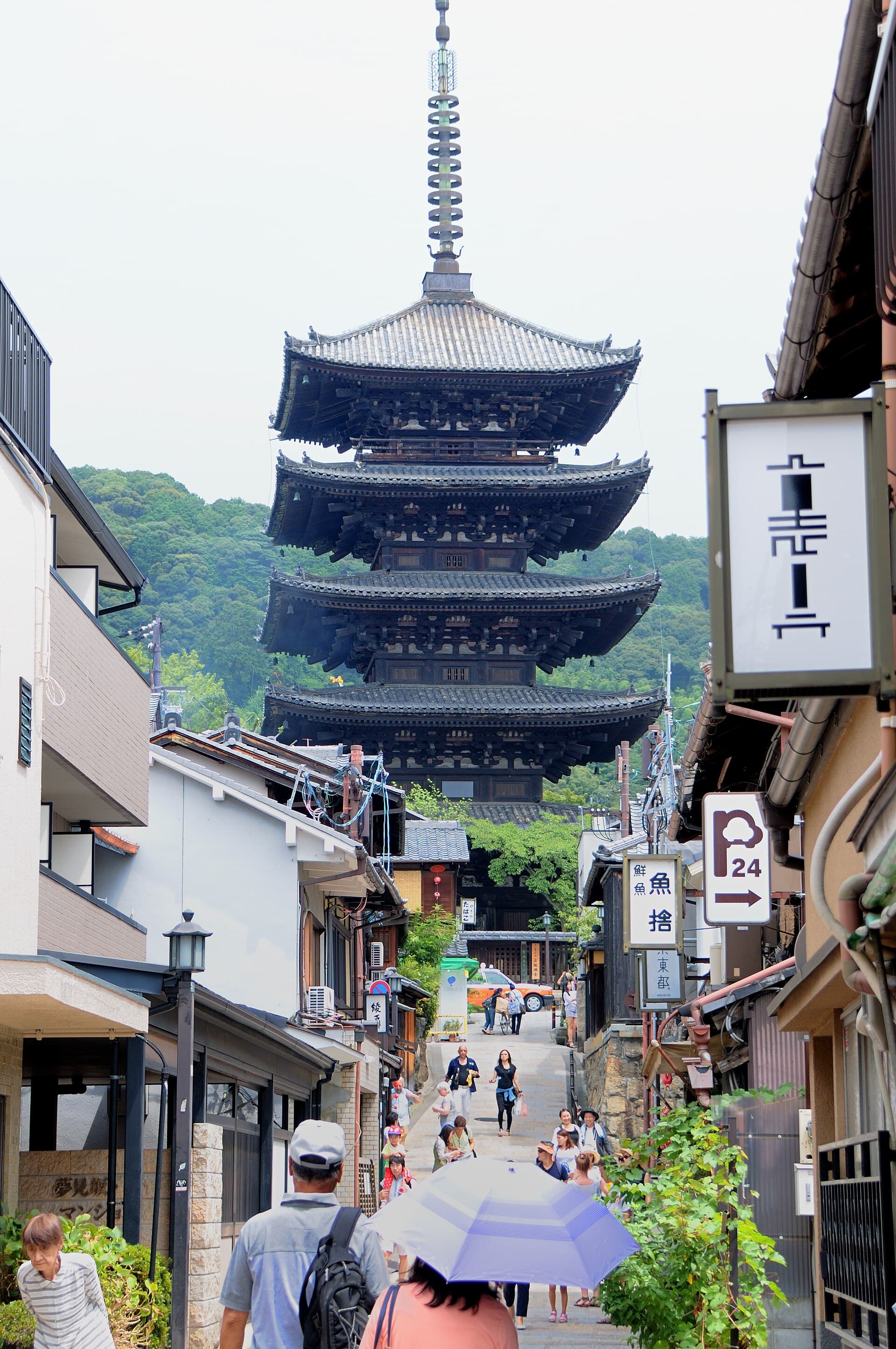
Best Food in Kyoto: Where to Eat Beyond the Temple Circuit
Best food in Kyoto for tourists — Nishiki Market strategy, kaiseki vs casual, tofu and matcha, where to book, and how to eat well without wasting temple mornings.
Fushimi Sake District Guide: Kyoto's Sake Brewery Neighborhood
Fushimi is Kyoto's sake brewery district — white-walled breweries, a canal boat ride, and tastings a short train ride from Fushimi Inari. Here's how to spend an afternoon there.
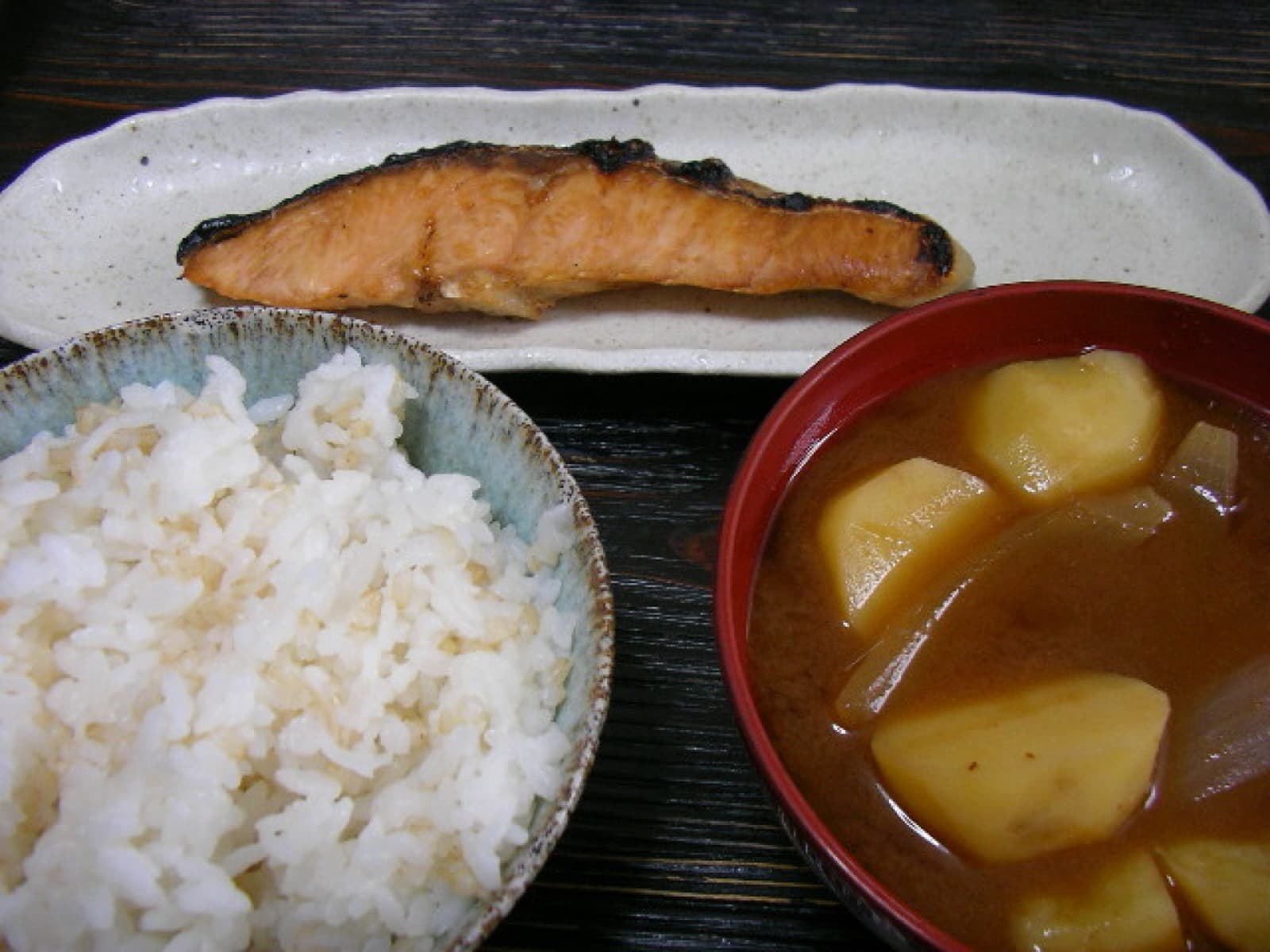
Tsukiji and Toyosu Guide: Markets, Sushi, and What Tourists Should Know
Tsukiji Outer Market vs Toyosu for tourists — where to eat sushi, when to go, auction rules, and whether a food tour is worth it in 2026.