
Onsen Tattoo Policy in Japan: Where You Can Actually Still Go
Not every onsen bans tattoos anymore, and cover stickers solve most of the rest. Here's the real state of tattoo policy at Japanese hot springs in 2026.

The tattoo question is the single most common thing foreign visitors ask before their first onsen trip — see our general onsen etiquette guide for everything else you need to know — and the honest answer has gotten more complicated, and more favorable, than the old blanket "no tattoos" rule most guidebooks still repeat. Some facilities have relaxed entirely. Others require a cover sticker. A meaningful number still enforce a strict ban. Knowing which is which before you show up saves an awkward turn-away at the front desk.
Where the Rule Comes From
Tattoo bans at onsen and sento (public bathhouses) date back to tattoos' long historical association with the yakuza, Japan's organized crime groups, for whom full-body irezumi tattooing has traditionally been a visible marker of affiliation. Facility bans were less about the tattoos themselves and more about signaling that a bathhouse wasn't a space affiliated groups could use — a policy built for a specific domestic context that maps poorly onto a tourist with a small ankle tattoo from a trip to Thailand.
The Three Categories of Facility
Fully tattoo-friendly — A genuinely growing category, particularly among facilities that see significant international tourist traffic. No cover-up required, tattoos of any size are welcome in shared baths.
Cover-required or discretionary — The largest and most inconsistent category. Small tattoos may be allowed if covered with a waterproof sticker; larger ones may require a private booking instead. Policy often comes down to the specific staff member on duty, which is exactly why calling ahead matters more than reading a policy page online.
Strict no-tattoo — Still common, particularly at older, more traditional facilities and smaller regional onsen without significant international tourist traffic. No workaround beyond avoiding shared baths at that specific location.
Where You Can Actually Go: Named Facilities by Region
Kinosaki Onsen (Hyogo) — The clearest case of a whole town solving this. The Kinosaki Onsen Tourism Association has a public, coordinated policy: all of its soto-yu (public bathhouses) welcome tattoos of any size, no stickers needed. Six of the seven historic bathhouses are currently open (Sato-no-yu has been closed indefinitely since March 2024, and Kono-yu closes for renovation from mid-May to late-October 2026) — still enough for a full soto-yu-hopping evening in yukata. Note this covers the town's public baths specifically; individual ryokan may set their own policy for private in-house baths.
Kusatsu Onsen (Gunma) — One of Japan's most famous onsen towns; its main public baths are also counted among the tattoo-accepting tier, alongside Kinosaki.
Funaoka Onsen (Kyoto) — A historic Kyoto sento that accepts tattoos, a useful option in a city where most traditional bathhouses still don't.
Hakone Yuryo (Hakone) — Day-use onsen facility near Hakone-Yumoto Station with private rooms and shared baths; began accepting tattoos in shared areas from April 2025.
Tenzan (Hakone) — Posts an explicit tattoo-friendly policy covering the whole facility, with one catch: only one visibly tattooed person per group is admitted at a time.
Gora Kansuirou (Hakone) — A ryokan with fully tattoo-friendly baths and kaiseki dinner, if you want an overnight stay rather than a day trip.
Fuji-Hakone Guest House (Hakone) — Budget-friendly guesthouse with a tattoo-friendly bath, a good option if the ryokan-price facilities above are out of range.
Thermae-Yu (Shinjuku, Tokyo) — Allows tattoos if fully covered with the facility's own cover stickers (¥310 per sheet, up to 4 sheets — bring your passport to buy them). If your tattoo doesn't fit under four sheets, you won't be admitted.
Solaniwa Onsen (Osaka Bay Tower, Osaka) — Runs the same sticker-cover system as Thermae-Yu: buy stickers on-site, cover fully, bathe.
Skip these if you have visible tattoos: Spa LaQua (Tokyo Dome City) and Spa World (Osaka) both post strict no-tattoo policies with no sticker exception, regardless of size — don't bother bringing cover stickers to either.
Always double-check directly before a visit — policies at any single facility can change, and this list reflects 2026 information, not a permanent guarantee.
Tattoo Cover Stickers
Tattoo kakushi seal (literally "tattoo hiding seal") are waterproof adhesive covers sized for smaller tattoos, widely available at Don Quijote stores, convenience stores in onsen resort towns, and frequently sold directly at onsen reception desks for guests who arrive without one. They're a legitimate, widely accepted solution at "cover-required" facilities — buying one in advance if you know you're headed somewhere with that policy avoids a same-day scramble.
They work best on smaller, contained tattoos. Larger pieces or full sleeves generally aren't practically coverable with a sticker, which is where a private bath becomes the more realistic option.
Private Baths (Kashikiri): The Reliable Workaround
Kashikiri — private bath rooms bookable by the hour, typically at ryokan (traditional inns) — sidestep the entire tattoo question, since you're not sharing the water with other guests. This is consistently the most reliable option for visitors with larger tattoos, and many ryokan across Japan offer it as a standard add-on even if you're not staying overnight. It costs more than standard admission, but it removes any uncertainty about a specific facility's shared-bath policy.
Practical Steps Before You Go
Check the specific facility, not general advice. Policy varies enormously between individual onsen even within the same town — a blanket assumption either way (that all onsen ban tattoos, or that policy has fully relaxed everywhere) will be wrong somewhere.
Call ahead if you can. A quick phone call or a message through a booking platform confirming tattoo policy avoids an awkward in-person turn-away, particularly for larger or more visible tattoos.
Bring your own cover sticker if you have a smaller tattoo and know you're headed somewhere with a cover-required policy — it's faster than relying on the facility to have one on hand.
Default to kashikiri if you're unsure or have larger tattoos. It costs more, but it removes the uncertainty entirely and is available at a large share of ryokan nationwide, including many covered in our Hakone and best onsen day trips from Tokyo guides.
FAQ
Can I go to an onsen in Japan if I have a tattoo? It depends on the specific facility — some now fully welcome tattoos, others require a cover sticker for smaller pieces, and some maintain a strict ban. Checking the individual onsen's policy ahead of time is the only reliable approach.
Which specific onsen actually allow tattoos? Kinosaki Onsen's town-wide public baths (Hyogo) and Kusatsu Onsen (Gunma) are the clearest cases — coordinated, publicly stated tattoo-friendly policies covering their main public baths. In Hakone, Hakone Yuryo, Tenzan, Gora Kansuirou, and Fuji-Hakone Guest House all accept tattoos. Thermae-Yu (Shinjuku) and Solaniwa Onsen (Osaka) allow tattoos if fully covered with their own cover stickers. Spa LaQua and Spa World are the opposite — strict no-tattoo policies with no workaround.
What is a tattoo cover sticker? A waterproof adhesive patch (tattoo kakushi seal) used to cover smaller tattoos at onsen with a cover-required policy — sold at Don Quijote, onsen-town convenience stores, and often at onsen reception desks directly.
Will a cover sticker work for a large tattoo or sleeve? Generally no — stickers work best for smaller, contained tattoos. For larger pieces, a private bath (kashikiri) is the more realistic and reliable option.
What is kashikiri? A private bath room, typically at a ryokan, bookable by the hour — it removes the tattoo question entirely since you're not sharing the water with other guests.
Why do some onsen ban tattoos in the first place? The policy traces back to tattoos' historical association with the yakuza in Japan; it was designed to signal a bathhouse wasn't used by affiliated groups, though it's applied inconsistently to tourists with unrelated tattoos today.
Travel Desk
The Standard Japan
Trip planning: seasons and crowds, getting around, airports, where to stay, and the practical steps before and after you land.
Facts are taken from primary sources (operators, venues, official tourism and government pages) and dates and prices are checked on the day of writing. Pages are revised when those sources change.
Expertise
Seasonal crowds, transport and airports, itineraries, lodging, pre-trip logistics
Have a question or a correction?
Ask us anything about Onsen Tattoo Policy in Japan: Where You Can Actually Still Go, or tell us what we got wrong. We reply within 24 to 48 hours.
The Standard Newsletter
Tokyo in your inbox. Weekly.
No algorithms curating your culture. No sponsored content disguised as journalism. Just the real Tokyo — the izakayas at 2am, the Harajuku kids who never made it to the algorithm, the ramen shop with no sign.
280+
Guides
Weekly
Editions
Free
Always
Join the underground.
One email a week. Unsubscribe anytime.
No spam. No sharing your data. Tokyo only.
Related Stories
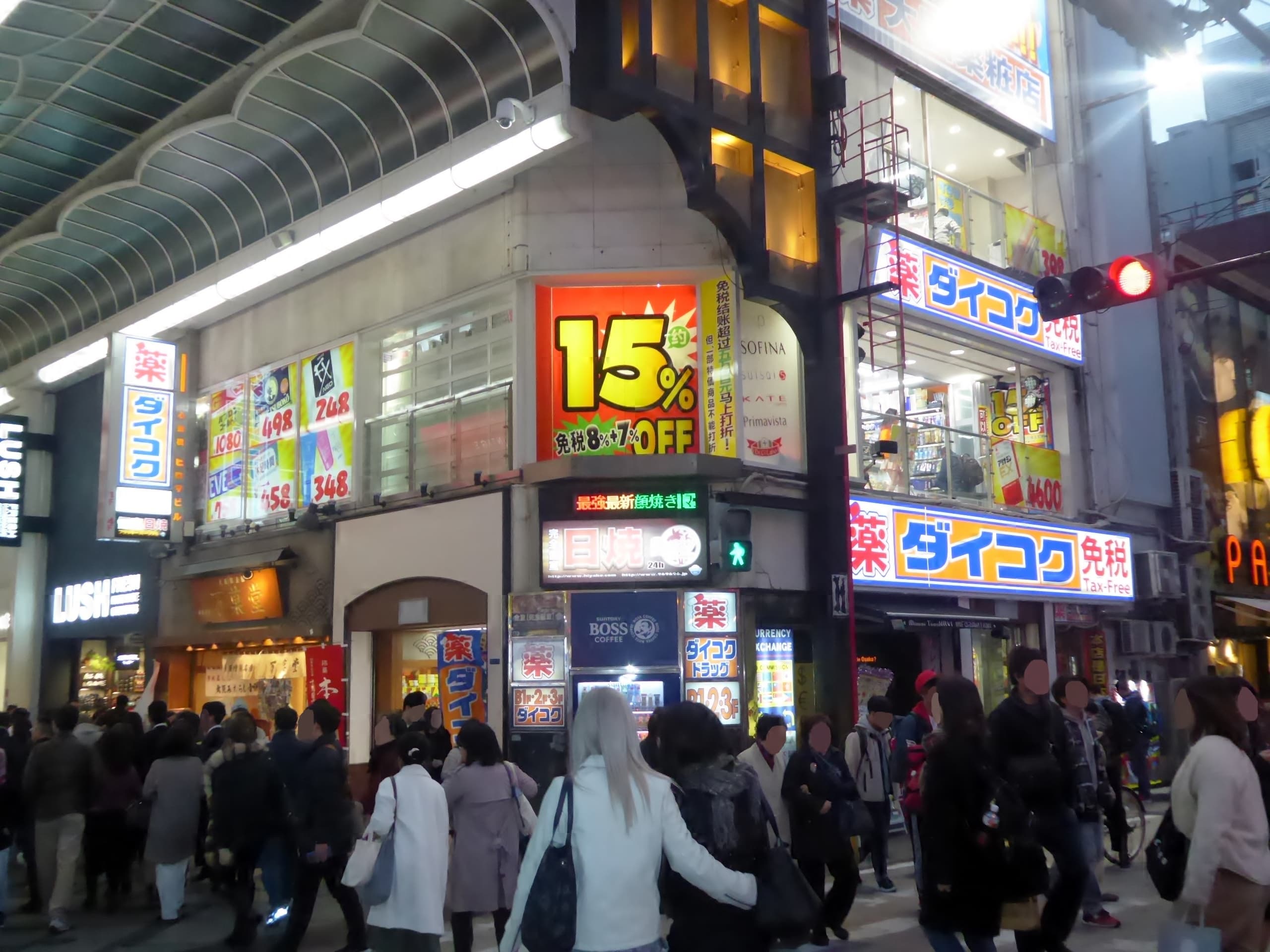
Japan Drugstore Guide: What to Buy at Matsumoto Kiyoshi and Daikoku Drug
Japan's drugstores sell better eye drops, pain patches, and skincare than most pharmacies back home. Here's what to buy, which chain, and how tax-free works.
First-Time Japan Checklist: What to Do Before You Fly (2026)
First-time Japan checklist for foreigners: visas, Visit Japan Web, eSIM, Suica, cash, hotels by city, what to book ahead, and a day-one plan that won’t ruin the trip.
Haneda to Tokyo: Monorail, Keikyu, and When to Take a Car
How to get from Haneda Airport to Tokyo: Tokyo Monorail, Keikyu Airport Line, buses, and private transfers — times, connections, and first-timer tips.