
Samurai in Japan: History, Myths, and Where to Experience It (2026)
Samurai history without the Hollywood myths: bushido, the Meiji end of the class, and the best Tokyo and Kyoto experiences for armor, swords or theater.
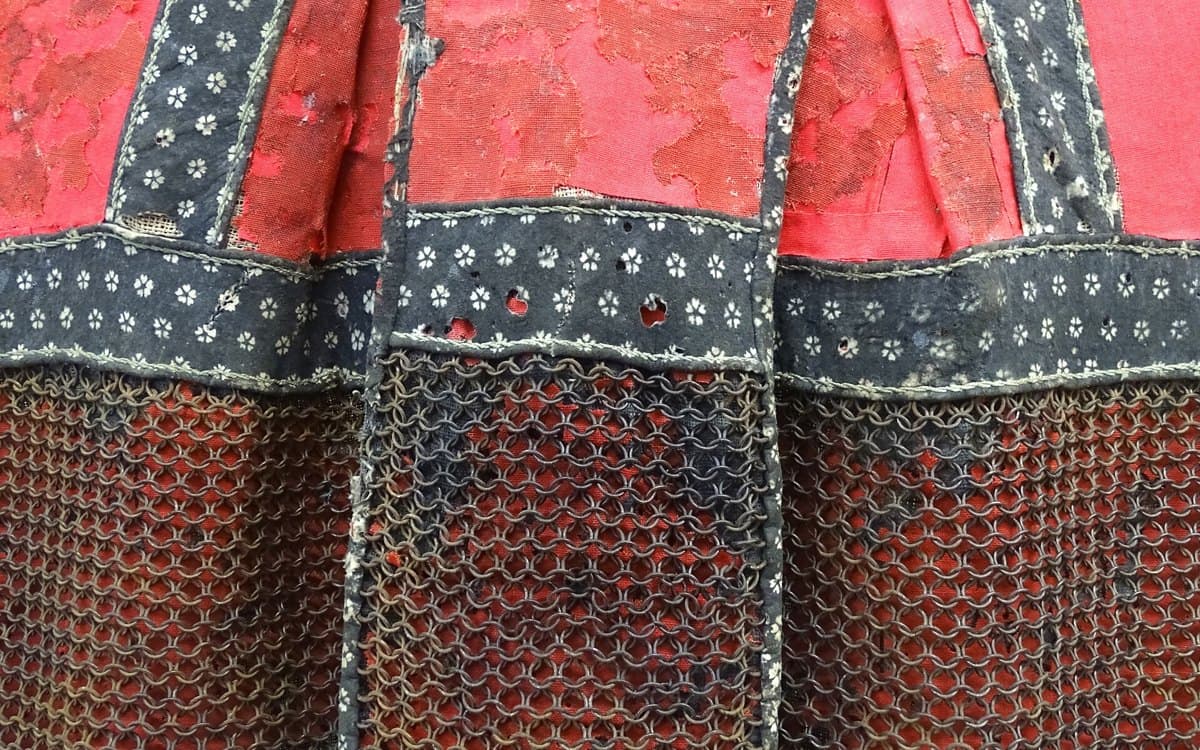
The samurai's real history is more administration and loyalty politics than endless duels. Films sold the image of the lone swordsman; Japan's own history ends the samurai as a class in the 1870s and leaves castles, armor, swords, preserved districts and martial arts to visit today.
Who the samurai were
From around the 10th and 11th centuries, the samurai were a warrior class tied to lords and their lands. In the long peace of the Edo period (1603–1868), most of them worked as administrators and officials: reading, writing and ceremony mattered as much as the sword. Bushido, as a tidy moral code, is partly a later idealization; real behavior varied a great deal by period and domain.
In the 1870s the new Meiji government abolished the samurai as a class, and in 1876 it banned the wearing of swords in public. What you can see today is heritage: castles and samurai houses, armor and blades in museums, martial arts, and staged performances.
Myths worth dropping
| Myth | Reality |
|---|---|
| Every samurai was a master swordsman | Many were officials; skill varied widely |
| The katana always ruled the battlefield | Bows, spears and later guns did much of the fighting |
| Ninja were the samurai's opposites | Largely a creation of later fiction and tourism |
| You can "become" a samurai in an afternoon | You can try sword techniques, armor or a show, which is different |
Where to see samurai history
Museums in Tokyo
- Tokyo National Museum in Ueno has one of the best collections of Japanese swords and armor, displayed in rotation in its main building.
- The Japanese Sword Museum in Ryogoku, next to the former Yasuda Garden, is dedicated to blades and swordsmithing. It is small and quiet, and a short walk from the sumo arena.
Castles
Only twelve castles in Japan still have their original keeps. Among the finest are Himeji, a day trip from Osaka (see our day trips from Osaka), and Matsumoto in Nagano. Matsue, on the Sea of Japan coast, is covered in our Japan for repeat visitors guide.
Samurai districts
Several towns have kept the streets where samurai families lived, with earthen walls, gates and gardens, and some houses open to visitors:
- Nagamachi in Kanazawa, including the Nomura family house and its garden; see our Kanazawa guide.
- Kakunodate in Akita, with its black wooden fences and weeping cherry trees.
- Chiran in southern Kyushu, known for its samurai gardens.
Trying it yourself
Sword and armor experiences. In Tokyo and Kyoto, several studios run short sessions where you put on armor or a kimono and learn basic sword forms from an instructor, usually lasting one to two hours.
Martial arts. Kendo and iaido are taught in clubs across Japan. Some dojos accept visitors to watch or join a class; ask in advance and expect to follow the dojo's etiquette.
Shows. Theater-style samurai performances with choreographed sword fights are staged for visitors in Tokyo and Kyoto.
How to choose an experience:
- Language: English instruction should be listed clearly.
- Length: 60–120 minutes fits an evening in Tokyo; a half-day session takes a morning in Kyoto.
- Cancellation: look for free cancellation before your travel day.
- Children: some sword sessions have age or height rules; shows are usually easier for families.
FAQ
Are there still samurai in Japan? Not as a class; it was abolished in the 1870s. Their history lives on in castles, museums, preserved districts and martial arts.
Where can I see real samurai swords and armor in Tokyo? At the Tokyo National Museum in Ueno and the Japanese Sword Museum in Ryogoku.
Tokyo or Kyoto for a samurai experience? Tokyo for museums and shows. Kyoto for a hands-on lesson near the old streets and temples.
Is it respectful? Yes, if the operator treats the weapons and history seriously. Avoid anything that turns it into costume horseplay in public places.
Related guides
Culture Desk
The Standard Japan
Customs, festivals, pop culture and everyday Japan, explained for people who want to understand what they are looking at.
Facts are taken from primary sources (operators, venues, official tourism and government pages) and dates and prices are checked on the day of writing. Pages are revised when those sources change.
Expertise
Festivals, etiquette, pop culture, mascots, convenience-store culture
Have a question or a correction?
Ask us anything about Samurai in Japan: History, Myths, and Where to Experience It (2026), or tell us what we got wrong. We reply within 24 to 48 hours.
Related Stories
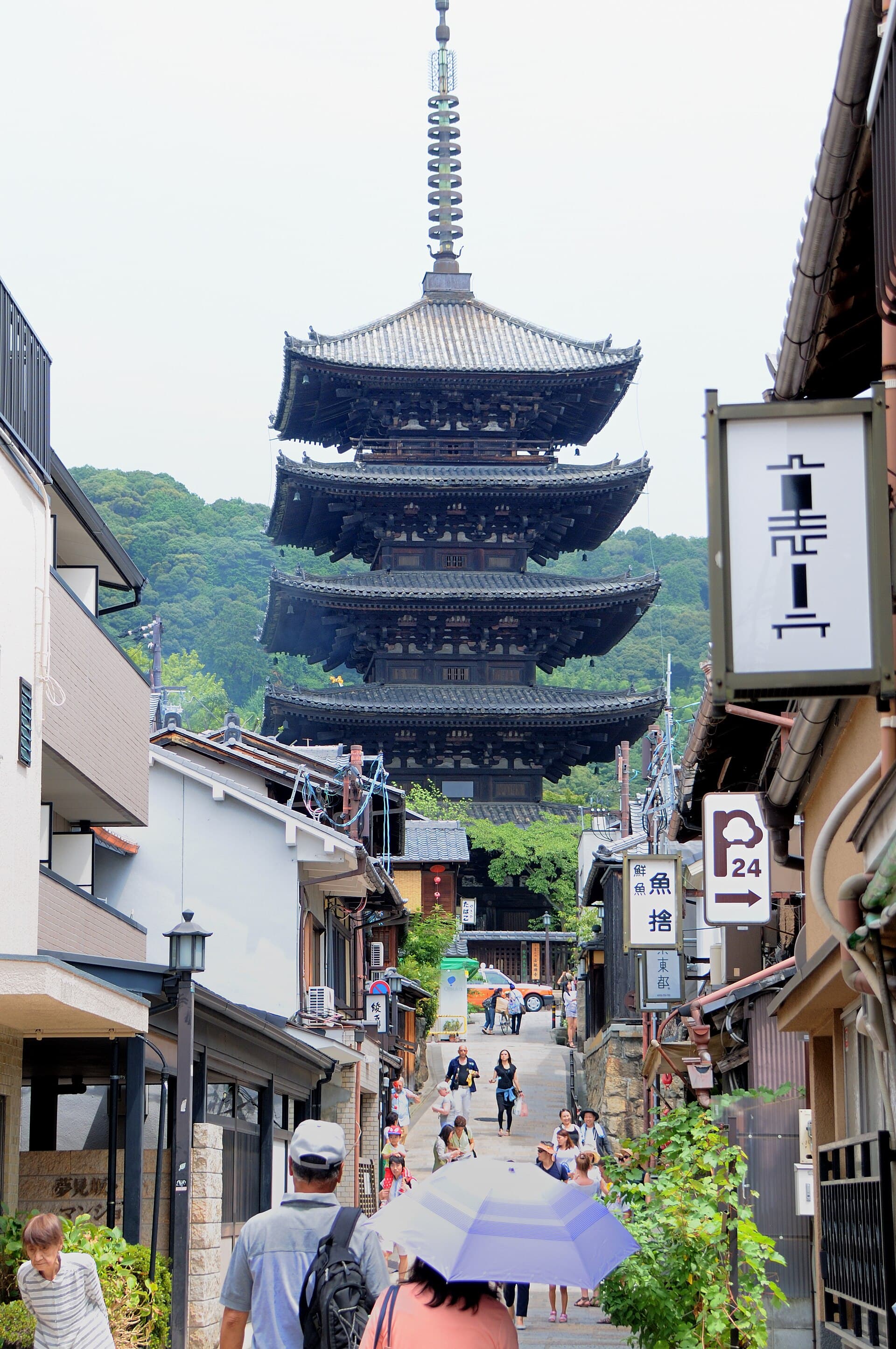
Kimono Experience in Japan: Worth It, Where to Book, What to Expect
Kimono rental and dressing experiences in Tokyo and Kyoto — prices, how long it takes, photo etiquette, and when a booked studio beats a street rental.
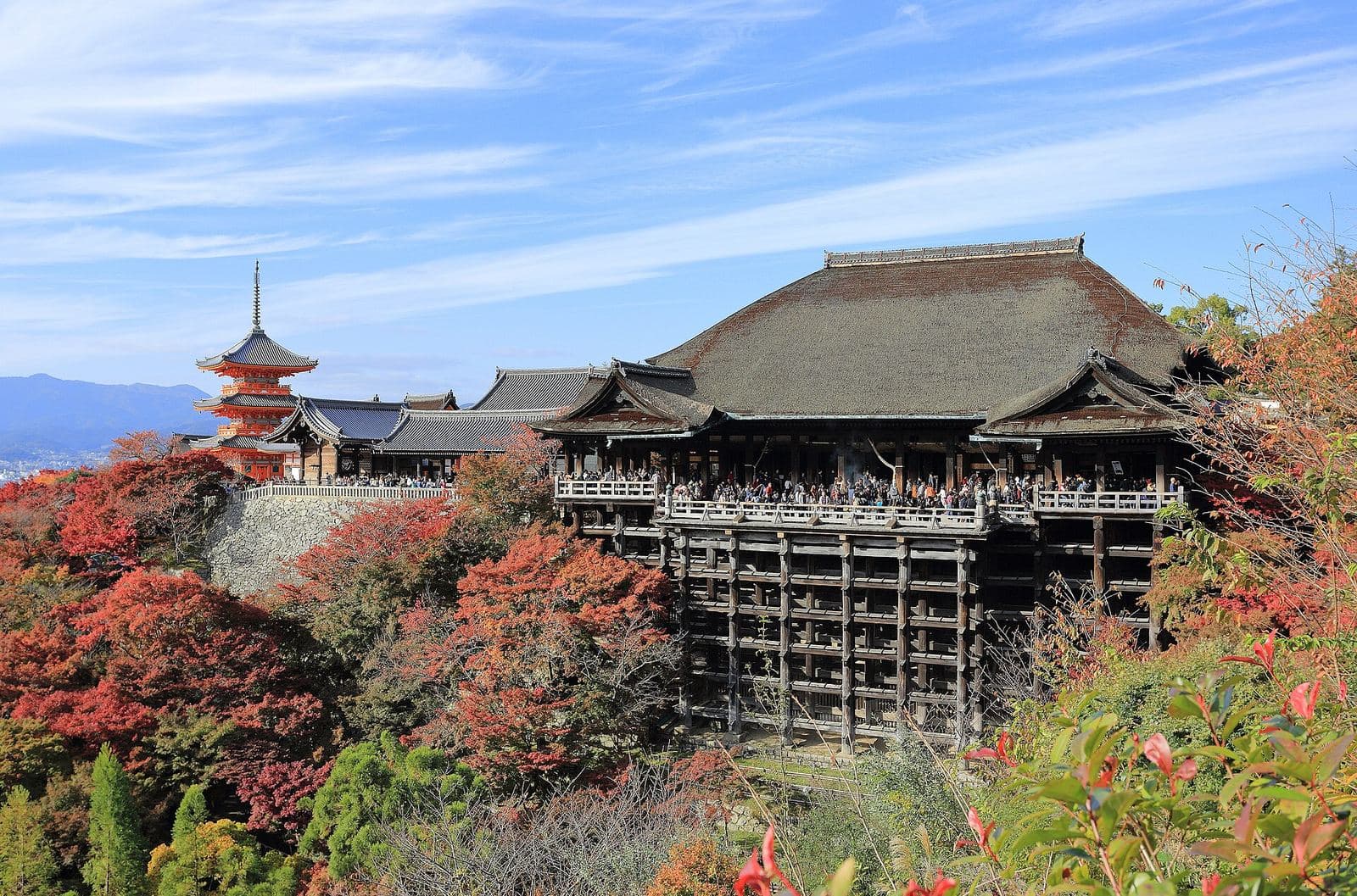
Kyoto Travel Guide: What to Do, See, and Experience (2026)
Japan's ancient capital rewards patience and repetition. Here is how to experience Kyoto beyond the temple checklist.
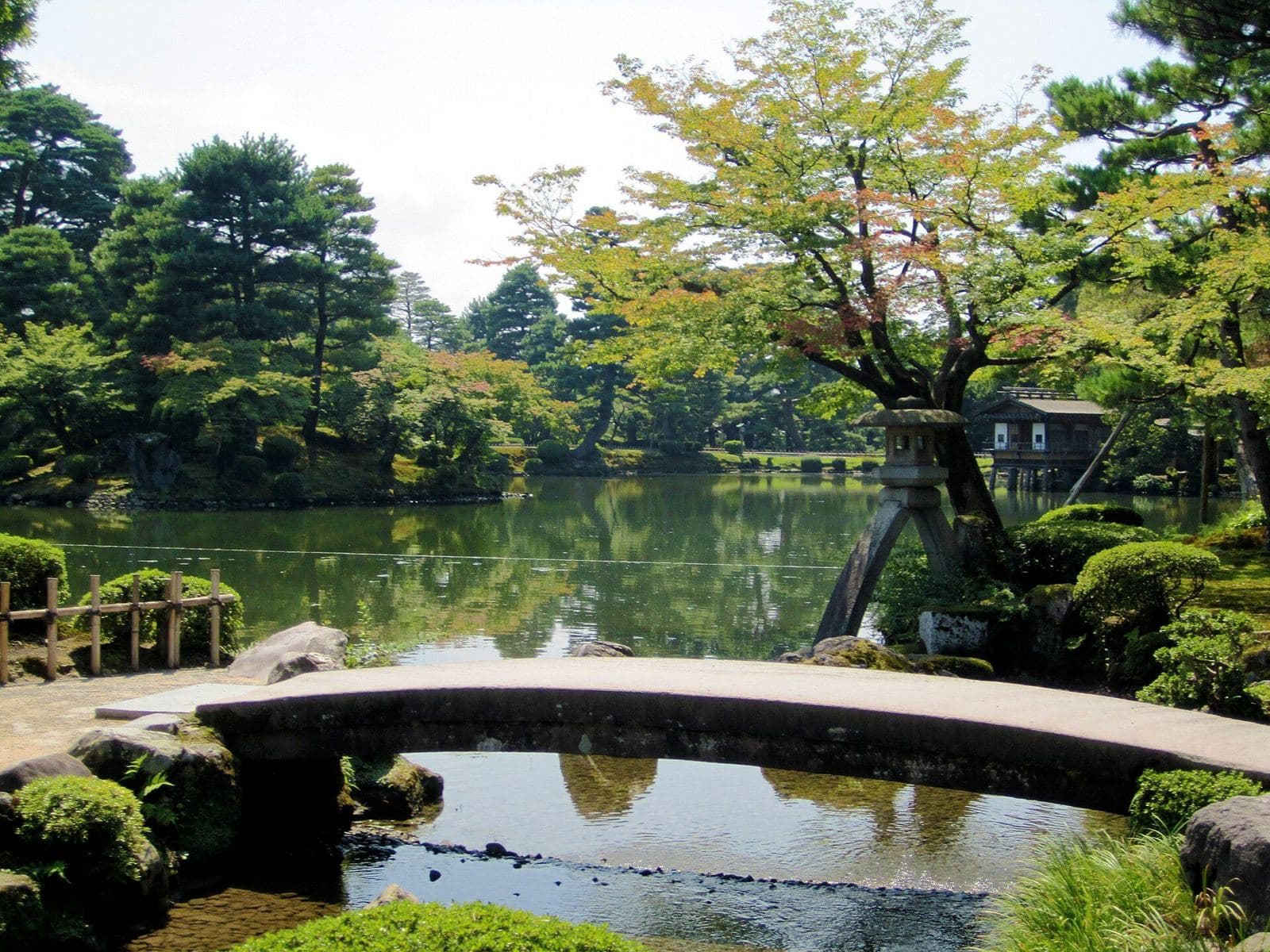
Kanazawa Travel Guide: Japan's Best Preserved Samurai City (2026)
Kanazawa escaped WWII bombing and retains samurai districts, geisha quarters, and one of Japan's three finest gardens. This is Kyoto before the crowds arrived.