
Asakusa Guide: Senso-ji, Skytree, and Old Tokyo Done Right
Asakusa guide for first-timers: Senso-ji early, Nakamise without the crush, Skytree timing, Kappabashi, and when a short tour beats wandering alone.
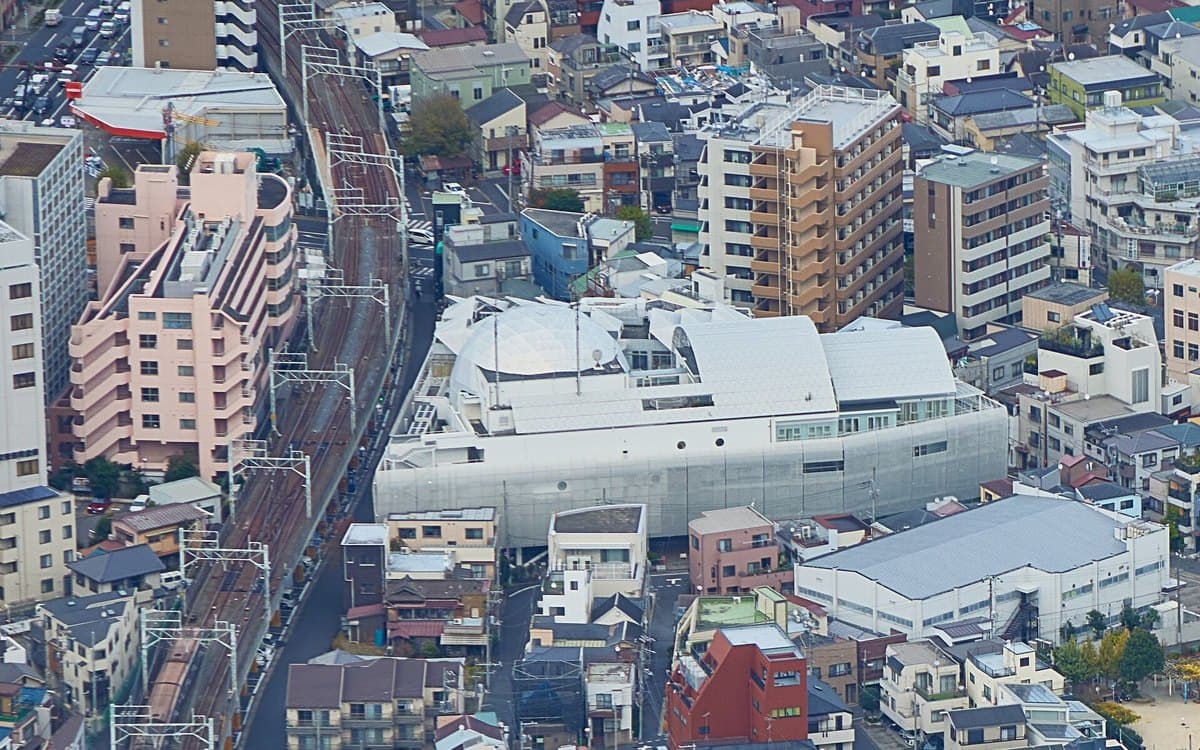
Asakusa is where Tokyo still looks like a postcard — lantern gate, incense, wooden shop fronts — and where that postcard gets trampled by noon. Done early and with a plan, it’s one of the city’s best half-days. Done late and aimless, it’s a souvenir gauntlet.
Some links in this article are affiliate links. If you book through them, The Standard Japan may earn a commission at no additional cost to you.
Senso-ji Before the Buses
Arrive before 9am if you can. Kaminarimon’s lantern photographs cleanly, Nakamise is walkable, and the main hall feels like a temple instead of a queue.
How to behave: Bow at the gate if you want; purify at the temizuya; don’t block the incense for photos. Full etiquette: temple and shrine etiquette.
Nakamise snacks: Ningyo-yaki, senbei, soft cream — fine in moderation. Buy one thing you will actually eat; skip the “collect every stall” mindset.
Beyond the Main Drag
Side streets north and east of Senso-ji still hold craft shops, quieter shrines, and residential corners. Five minutes off Nakamise changes the day.
Kappabashi (Kitchen Town) — knives, plastic food samples, restaurant supply. Useful if you’re shopping for a real knife; skip if you only want Instagram props.
Sumida riverside walk — easy link toward Skytree and a calmer photo beat than the gate scrum.
Tokyo Skytree: Book the Slot
Skytree is the east-Tokyo observation deck that actually pairs with Asakusa geography. Timed tickets beat day-of lines, especially on clear weekends and evenings.
Pair with our wider what to do in Tokyo list if you’re building a full city plan.
Food and Culture Nearby
Tempura and old-school lunch — Asakusa still has classic rooms; reservations help for famous counters. See best tempura in Tokyo for citywide context.
Tea ceremony / kimono experiences — Bookable cultural sessions cluster around Asakusa for a reason: temple morning + structured culture afternoon is a clean first-day arc.
Sumo in Ryogoku — One metro hop when basho season or morning practice is on your list (sumo guide).
Sample Half-Day
- 7:30–9:30 Senso-ji + Nakamise (early)
- 9:30–11:00 Side streets / Kappabashi
- 11:30+ Timed Skytree or tea/kimono experience
- Lunch east of the gate, then subway onward
Evening Asakusa is quieter and prettier for lantern photos — but shops wind down, so don’t save all your shopping for 8pm.
What to Skip
Only photographing Kaminarimon from the scramble — Walk through, then leave the gate clear.
Buying every plastic souvenir on Nakamise — One good craft purchase elsewhere beats twelve keychains.
Midday Skytree without a ticket — Heat, haze, and queues. Book.
FAQ
How long do you need in Asakusa? Half a day covers temple, streets, and Skytree. A full day only if you add tea ceremony, museums, or a slow lunch.
Is Asakusa worth it if I hate crowds? Yes — at 7–8am. After 11am it’s a different, louder experience.
Do I need a guided tour? Not required. Useful on day one when jet lag and kanji menus stack up.
Asakusa or Meiji Jingu first? Different cities of Tokyo. Asakusa is old downtown east; Meiji is Harajuku-adjacent shrine forest. Do both on separate half-days if you can.
Need Help with This?
Have questions about Asakusa Guide: Senso-ji, Skytree, and Old Tokyo Done Right? We're here to help. Send us a message and we'll get back to you within 24-48 hours.

Yuki Tanaka
Culture & Food Editor
Born and raised in Tokyo. Writes about the city most tourists never see.
Grew up in Shibuya, 1988–2006. Moved to NYC for university, returned to Tokyo in 2012. Has lived in Shimokitazawa, Nakameguro, and now Yoyogi.
Tokyo
Expertise
Japanese convenience store culture, izakaya etiquette, Tokyo neighborhoods, daily life
The Standard Newsletter
Tokyo in your inbox. Weekly.
No algorithms curating your culture. No sponsored content disguised as journalism. Just the real Tokyo — the izakayas at 2am, the Harajuku kids who never made it to the algorithm, the ramen shop with no sign.
8K+
Subscribers
Weekly
Editions
Free
Always
Join the underground.
One email a week. Unsubscribe anytime.
No spam. No sharing your data. Tokyo only.
Related Stories
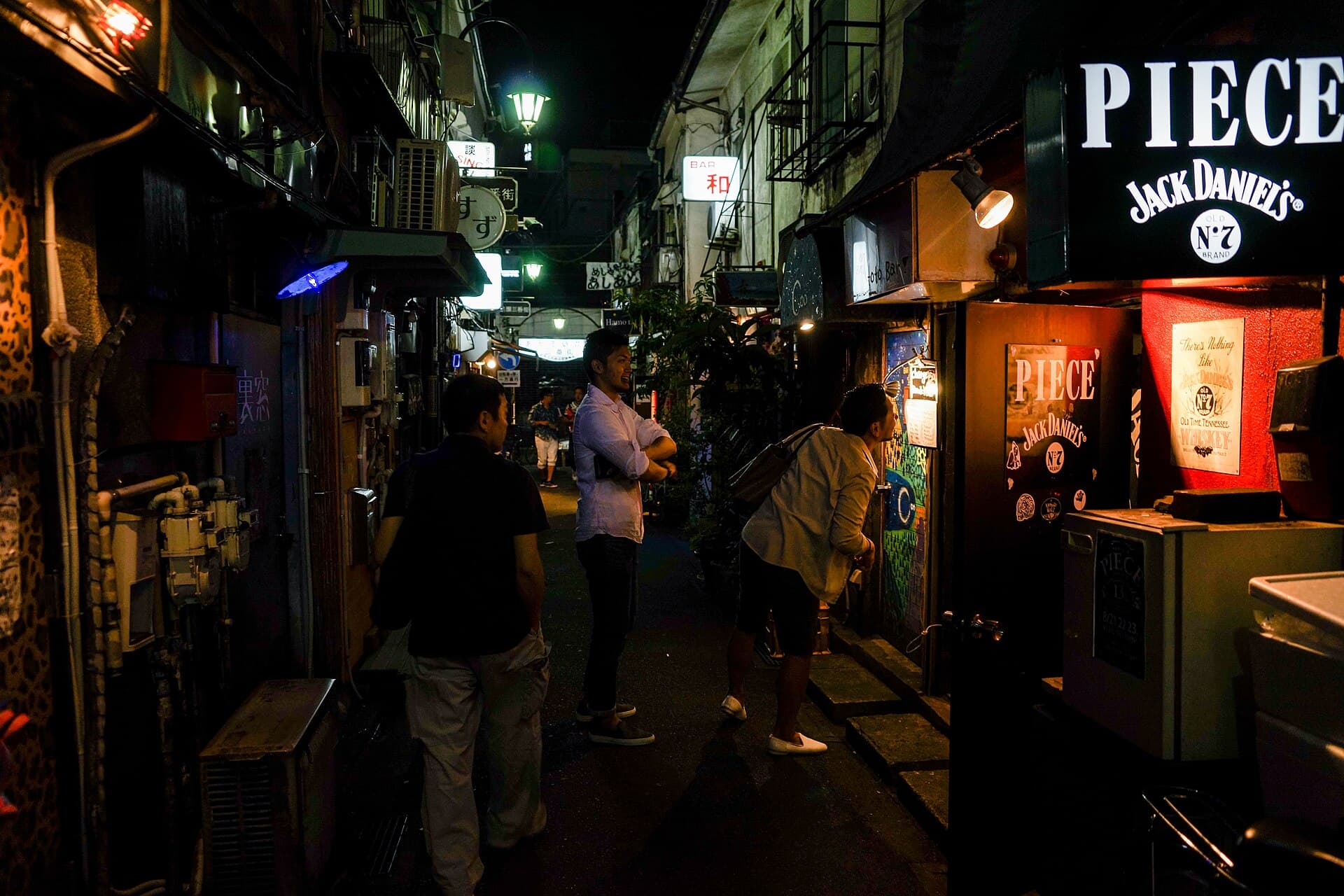
Shinjuku Guide: What to Do in Tokyo’s Chaos District
Shinjuku guide: west exit chaos, Golden Gai, Omoide Yokocho, Gyoen, observatories, and the food-and-bar nights worth booking — without getting lost for hours.
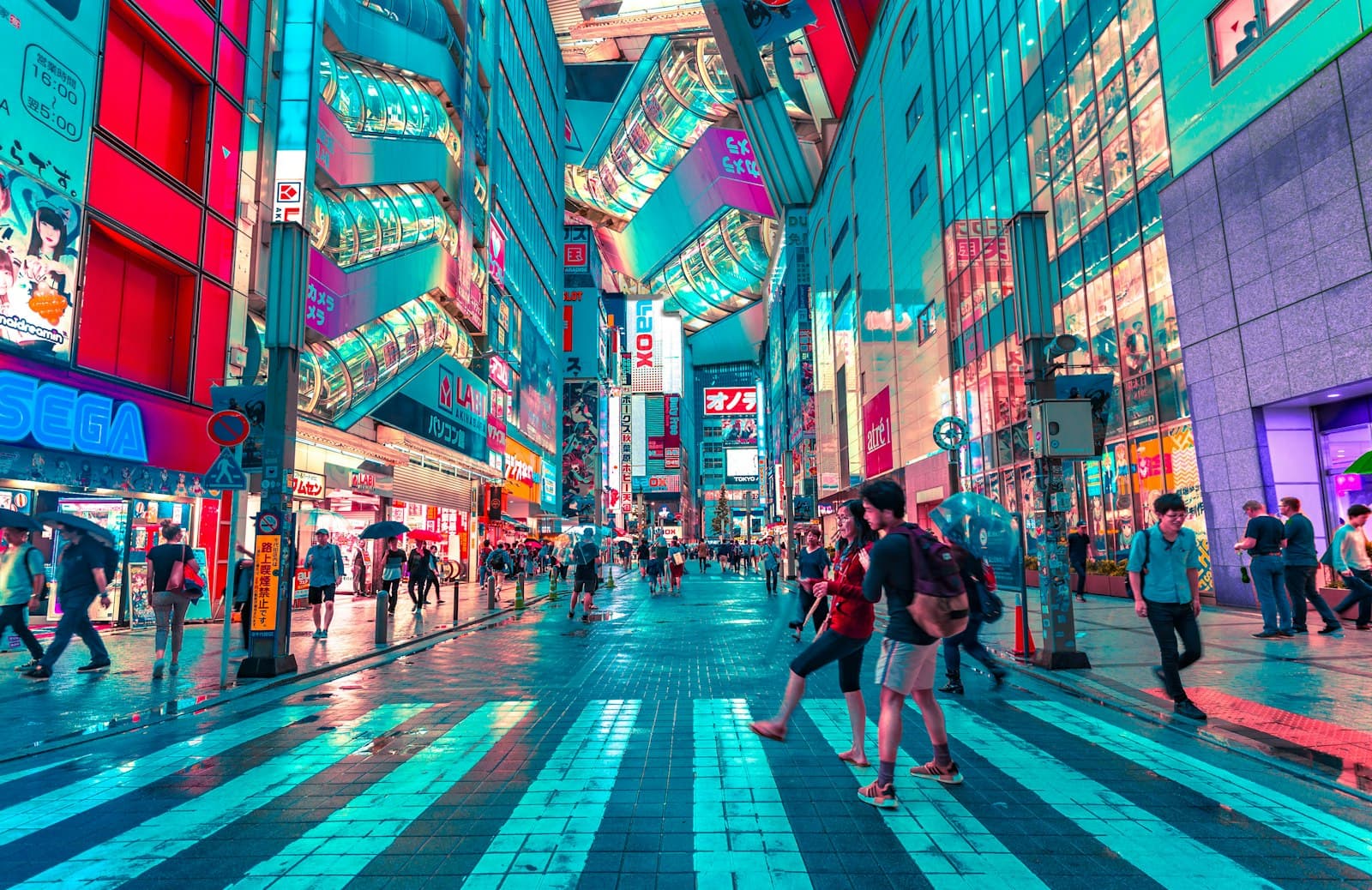
Tokyo at Night: 14 Things to Do After Dark
Tokyo at night done right — Golden Gai, izakaya, jazz bars, observation decks, bar crawls, and last-train strategy without the tourist-trap detours.
What to Do in Kyoto: 18 Things Worth Your Time
18 specific things to do in Kyoto — temples at dawn, Gion etiquette, Arashiyama without the crush, Nishiki, and day trips that actually fit a short stay.