
Best Bookstores in Tokyo: English Books, Design, and Used Finds
Kinokuniya Shinjuku for English books, Tsutaya Daikanyama for design, Jimbocho for used: the Tokyo bookstores worth a trip, and which to pick.
Some travel links on The Standard Japan are affiliate links. If you book through one, we may earn a commission at no extra cost to you.
Short version: English books → Kinokuniya Shinjuku (7th floor) or Maruzen Marunouchi. Design and lingering → Tsutaya Daikanyama. Used and rare → Jimbocho. The details below were re-checked in October 2026; two well-known stores on older lists have closed.
Large bookstores
Kinokuniya Shinjuku Main Store — Right by Shinjuku Station's east exit, eight floors of books. Foreign-language books are on the 7th floor, alongside language-learning books and dictionaries. If you need English books in Tokyo, start here.
Maruzen Marunouchi — Floors 1–4 of the Marunouchi OAZO building by Tokyo Station, with about 120,000 foreign books. Open 9am–9pm.
Junkudo Ikebukuro — Deep on specialist and academic titles; best when you know what you're looking for. Open 10am–10pm.
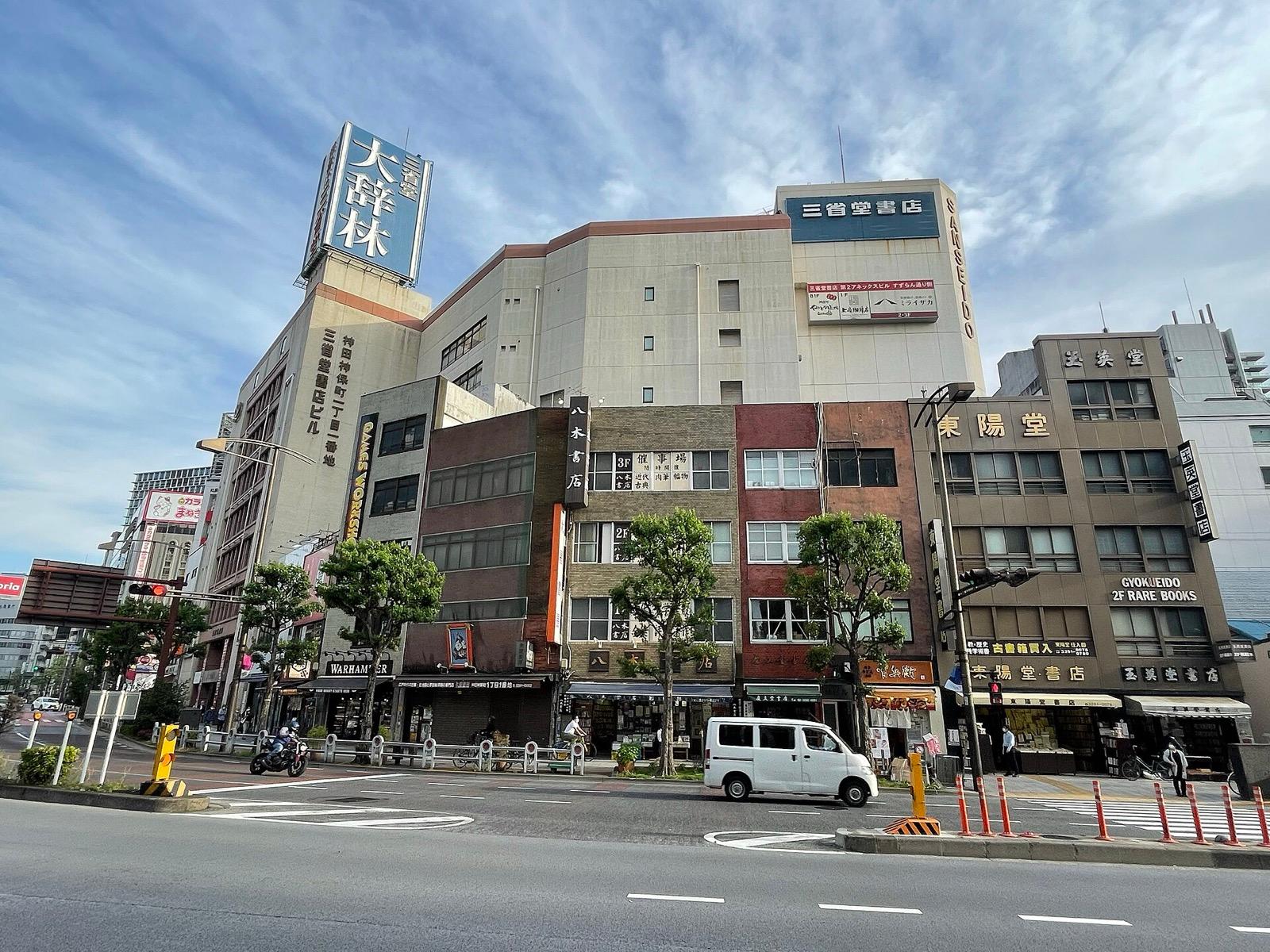
Sanseido Jimbocho — Closed in 2022 for rebuilding, ran from a temporary store in Ogawamachi, and reopened on floors 1–3 of a new building on March 19, 2026. The sales floor is smaller than before, with a cafe and a stationery section added.
Jimbocho: used and rare books
Secondhand bookshops line Yasukuni-dori around Jimbocho Station, each with a clear specialty. Pick the shops in your field and walk; bring some cash, as not every shop takes cards.
Kitazawa Bookstore — Founded in 1902, Tokyo's specialist in used Western books: about 12,000 titles, centred on English and American literature and the humanities. Currently open on the 2nd floor only; closed Sundays.
Isseido — Founded in 1903, in a 1931 building, dealing in Japanese humanities books generally, with Edo-period woodblock books, ukiyo-e and old maps on the 2nd floor. Closed Sundays.
Design and lingering
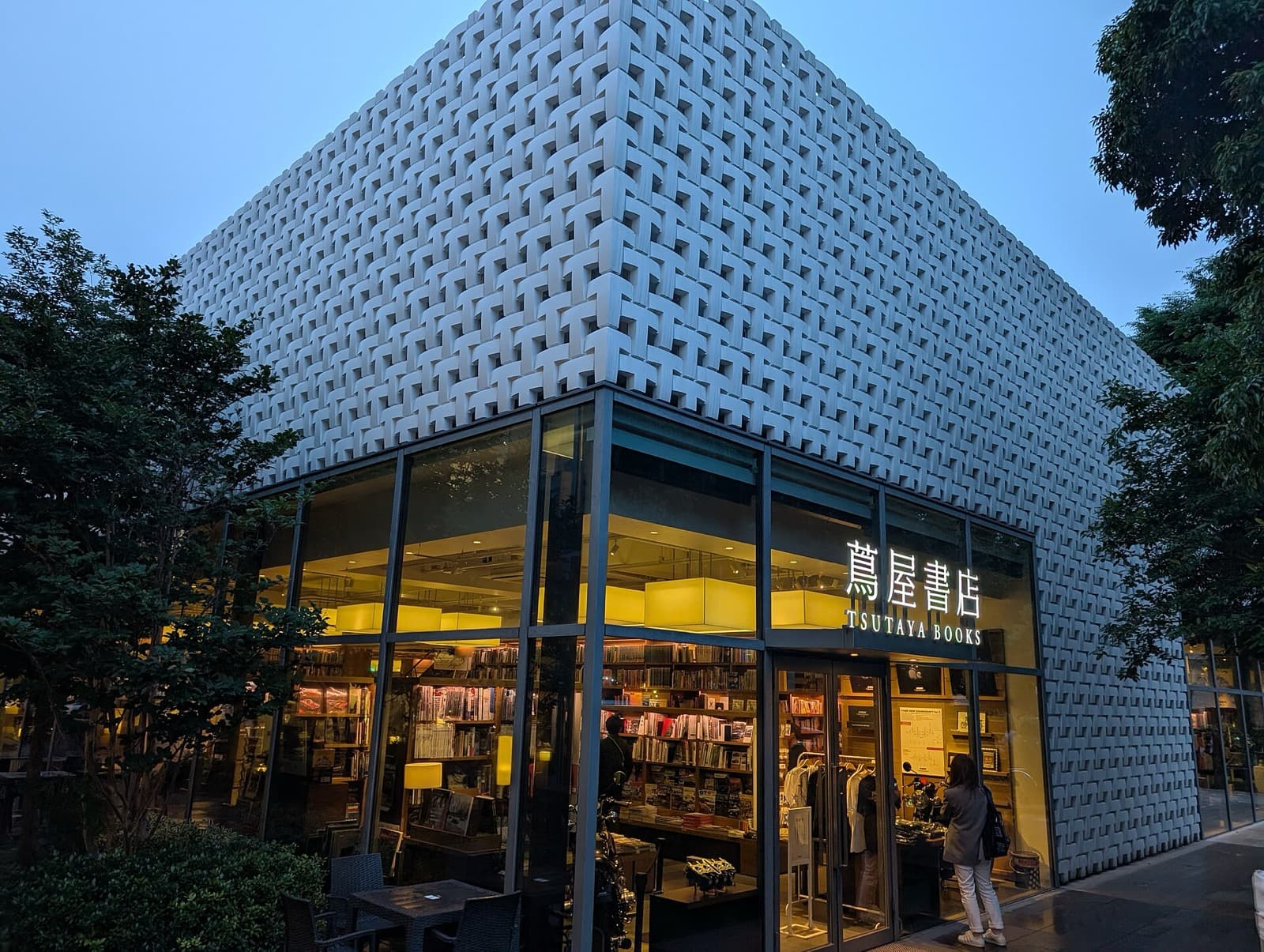
Tsutaya Books Daikanyama — Three connected buildings, strongest on design, architecture, photography and travel. Open 9am–10pm.
Independent bookstores
B&B (Shimokitazawa) — Moved in 2020 to BONUS TRACK, the development on the old rail line in Shimokitazawa. You can drink a beer while you browse, and there are frequent talk events (mostly in Japanese). Pair with the Shimokitazawa guide.
SPBS (Shibuya Publishing & Booksellers), Okushibuya — A bookstore that also publishes, in Kamiyamacho; you can see the editorial office through the glass. Open 11am–9pm.
Cow Books (Nakameguro) — A small used bookstore on the Meguro River, opened in 2002 by a group including Yataro Matsuura, later editor-in-chief of the magazine Kurashi no Techo. Mostly books for slow reading. Pair with the Nakameguro guide.
Crayon House (Kichijoji) — Children's books and organic goods. It moved from Omotesando to Kichijoji in 2022.
Manga
For used manga and old toys, go to the Mandarake shops in Nakano Broadway (12:00–20:00, open every day). See the Nakano Broadway guide and the Akihabara guide.
Closed: don't go looking for these
- Yaesu Book Center main store (Tokyo Station) closed in March 2023 for redevelopment; a return to the new building is planned.
- Good Day Books, the English-language used bookstore, has closed.
Tax-free
Major chains offer tax-free shopping to visitors with a passport. How it works changes on November 1, 2026: you pay the tax at the till and get it refunded when you leave Japan. See the tax-free guide.
FAQ
Where can I buy English books in Tokyo? Kinokuniya Shinjuku (7th floor) and Maruzen Marunouchi (about 120,000 foreign books).
Is Sanseido in Jimbocho open? Yes. It reopened in its new building on March 19, 2026.
What happened to Yaesu Book Center? The main store closed in March 2023; a return to the redeveloped building is planned.
Is Good Day Books still open? No, it has closed.
Which Jimbocho shop has English books? Kitazawa Bookstore, which specialises in used English and American literature. It is closed on Sundays.
Culture Desk
The Standard Japan
Customs, festivals, pop culture and everyday Japan, explained for people who want to understand what they are looking at.
Facts are taken from primary sources (operators, venues, official tourism and government pages) and dates and prices are checked on the day of writing. Pages are revised when those sources change.
Expertise
Festivals, etiquette, pop culture, mascots, convenience-store culture
Have a question or a correction?
Ask us anything about Best Bookstores in Tokyo: English Books, Design, and Used Finds, or tell us what we got wrong. We reply within 24 to 48 hours.
Related Stories
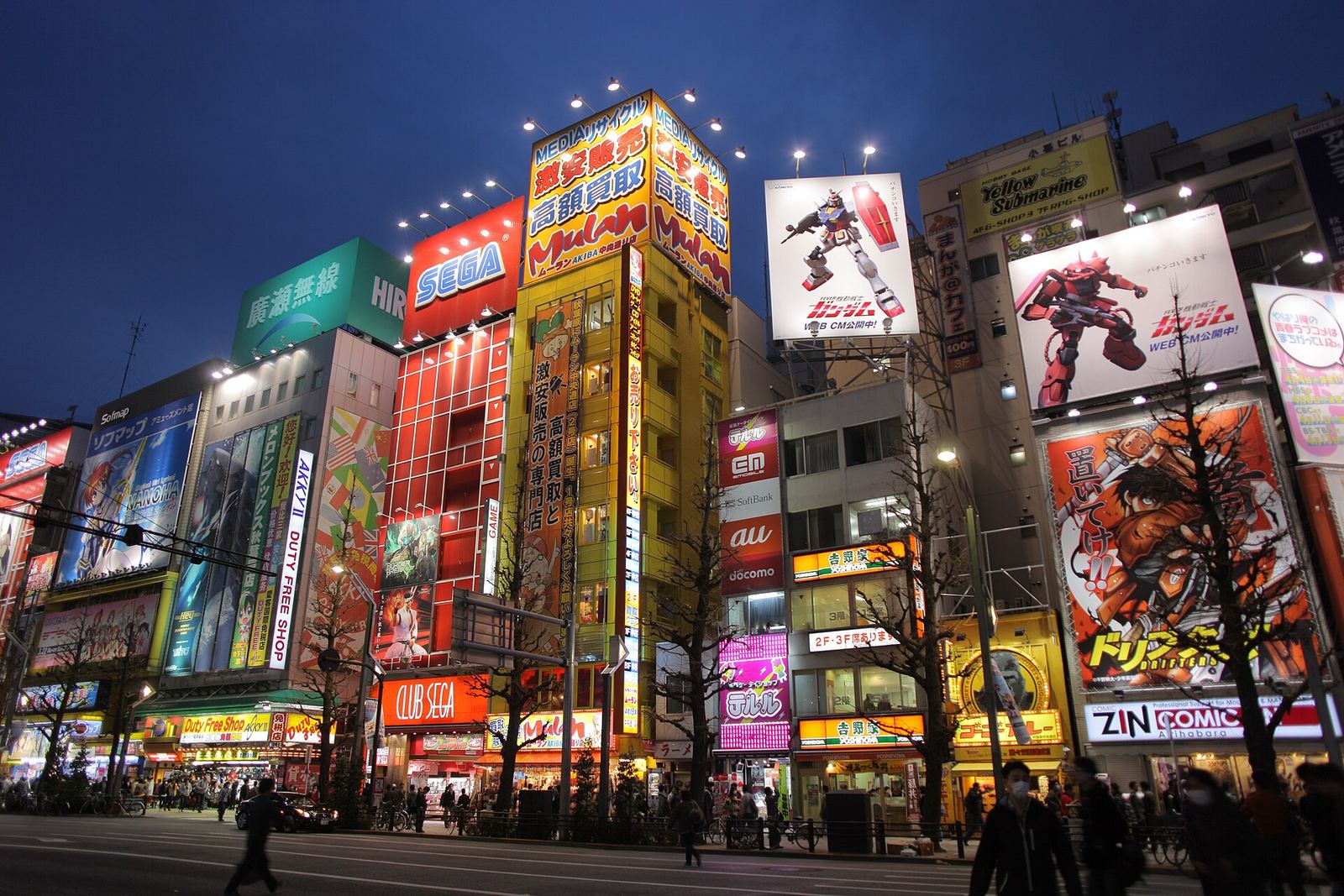
Akihabara Guide: Anime, Electronics, and Otaku Culture (2026)
A day in Akihabara: where to buy anime goods, retro games and electronics, which arcades and maid cafés to try, and when to go.
Tokyo for Repeat Visitors: 8 Neighborhoods Beyond Shibuya
Been to Shibuya, Asakusa and Shinjuku? Eight Tokyo neighborhoods for a second or third trip, from Yanaka's old lanes to Kiyosumi's gardens and coffee.
Kimono Experience in Japan: Worth It, Where to Book, What to Expect
Kimono rental and dressing experiences in Tokyo and Kyoto — prices, how long it takes, photo etiquette, and when a booked studio beats a street rental.