
What Is Kawaii Culture? Japan's Obsession With Cute, Explained
Kawaii isn't just 'cute' — it's a design philosophy that shapes fashion, mascots, food, and even Japanese tax forms. Here's where it came from and how it works.

Walk past a Japanese construction site and there's a decent chance the warning sign has a cartoon character apologizing for the inconvenience. Check a tax notice and you might find a mascot in the corner. This is kawaii — not a fashion trend, but a design instinct so deeply embedded in Japanese visual culture that it shows up in places that have no obvious reason to be cute at all.
Where "Cute" Became a Philosophy
Kawaii (可愛い) literally translates to "cute" or "lovable," but its modern cultural weight traces back to a specific, traceable moment: the burikko-ji handwriting trend among Japanese schoolgirls in the late 1970s. Teenagers started writing in a rounded, childish script filled with hearts, stars, and English loanwords — a deliberate rejection of the formal, adult handwriting they were taught. Some schools banned it. It spread anyway.
At almost the same time, Sanrio launched Hello Kitty in 1974, designed by Yuko Shimizu, and gave the aesthetic its first massive commercial vehicle. The character's blank, mouthless face — a deliberate choice, so people project their own emotions onto her — became a template other companies copied for the next five decades.
By the 1980s and '90s, kawaii had expanded from handwriting and character goods into fashion, and Harajuku became its geographic center. Youth subcultures like Lolita, Fairy Kei, and Decora each took the same core aesthetic principles — softness, pastel color, exaggerated proportions, childlike innocence — and pushed them in different directions.
The Design Rules Behind "Cute"
Kawaii design isn't random. Researchers and designers who study it point to a consistent set of visual triggers:
Roundness over sharp angles — Circular shapes read as non-threatening; this is why almost every mascot character has a round head and no visible joints or hard edges.
Big heads, small bodies — Kawaii characters mimic the proportions of human infants and baby animals, a design cue (sometimes called the "baby schema") that reliably triggers a protective, affectionate response in viewers.
Deliberate imperfection — A slightly wobbly line, an asymmetrical smile, or a "clumsy" personality trait (this is a huge part of the yuru-kyara mascot boom) reads as more endearing than a flawless design.
Pastel and saturated color — Pink, baby blue, mint, and lavender dominate kawaii palettes, though high-saturation primary colors also appear frequently in more energetic sub-styles like Decora.
Kawaii as National Strategy
In 2009, Japan's Ministry of Foreign Affairs formalized something that had been happening informally for years: it appointed three "Kawaii Ambassadors" — one representing Harajuku street fashion, one school uniform culture, and one Lolita fashion — to travel internationally and promote Japanese pop culture as a form of soft power, under the broader "Cool Japan" initiative.
That government-level embrace explains why kawaii shows up in places a foreign visitor doesn't expect. Nearly every Japanese prefecture, city ward, police department, and public utility has its own mascot character, precisely because an approachable cartoon face is treated as a legitimate communication tool for institutions that would otherwise feel cold or bureaucratic. It's the same underlying logic that produced the yuru-kyara mascot boom — Kumamon, Funassyi, and the rest of Japan's beloved local characters are kawaii culture applied directly to regional economic policy.
Where to Actually See It
Harajuku, Tokyo — Takeshita Street remains the most concentrated, tourist-facing display of kawaii fashion retail, though the more serious subculture scene has partly moved to smaller shops and side streets nearby; see our Harajuku underground fashion guide for where locals actually shop.
Sanrio Puroland, Tama — An entirely indoor theme park built around Hello Kitty and the rest of the Sanrio character roster, useful on a rainy day and unmatched for character-goods shopping.
Character cafes — Themed cafes built around specific characters (Sanrio, Pokémon, Studio Ghibli, and dozens of anime franchises) are a fast-growing category across Tokyo and Osaka, usually requiring advance reservations.
Purikura booths — Photo sticker booths that digitally enlarge eyes and smooth skin are a kawaii aesthetic applied directly to photography, and remain a staple of arcades and shopping centers nationwide; see our full purikura guide for how a session actually works.
Cat cafes — The animal-cafe format that grew directly out of kawaii culture's soft, comforting aesthetic; see our best cat cafes in Tokyo for where to go.
FAQ
Is kawaii the same as Lolita fashion? No — Lolita is one specific fashion subculture that draws on kawaii principles (modesty, frills, doll-like silhouettes), but kawaii itself is a much broader aesthetic that spans fashion, product design, mascots, and food presentation.
Why does Hello Kitty not have a mouth? It's a deliberate design decision by Sanrio so viewers project their own emotional state onto the character, rather than reading a fixed expression — part of why the design has stayed effective for over 50 years.
Is kawaii culture just for young women? No. Mascot characters aimed at general audiences, "kawaii" branding on financial and government paperwork, and adult-targeted character goods (stationery, homeware) mean the aesthetic reaches every demographic in Japan.
What's the difference between kawaii and yuru-kyara? Kawaii is the broader aesthetic philosophy; yuru-kyara (mascot characters) are one specific, highly organized commercial application of it, typically tied to a place or institution rather than a general product line.
Where did the word "kawaii" come from? It derives from an older word, kawayushi, originally meaning something closer to "pitiable" or "flushed with embarrassment," which shifted over centuries toward its modern meaning of "cute" or "adorable."
Culture Desk
The Standard Japan
Customs, festivals, pop culture and everyday Japan, explained for people who want to understand what they are looking at.
Facts are taken from primary sources (operators, venues, official tourism and government pages) and dates and prices are checked on the day of writing. Pages are revised when those sources change.
Expertise
Festivals, etiquette, pop culture, mascots, convenience-store culture
Have a question or a correction?
Ask us anything about What Is Kawaii Culture? Japan's Obsession With Cute, Explained, or tell us what we got wrong. We reply within 24 to 48 hours.
The Standard Newsletter
Tokyo in your inbox. Weekly.
No algorithms curating your culture. No sponsored content disguised as journalism. Just the real Tokyo — the izakayas at 2am, the Harajuku kids who never made it to the algorithm, the ramen shop with no sign.
280+
Guides
Weekly
Editions
Free
Always
Join the underground.
One email a week. Unsubscribe anytime.
No spam. No sharing your data. Tokyo only.
Related Stories
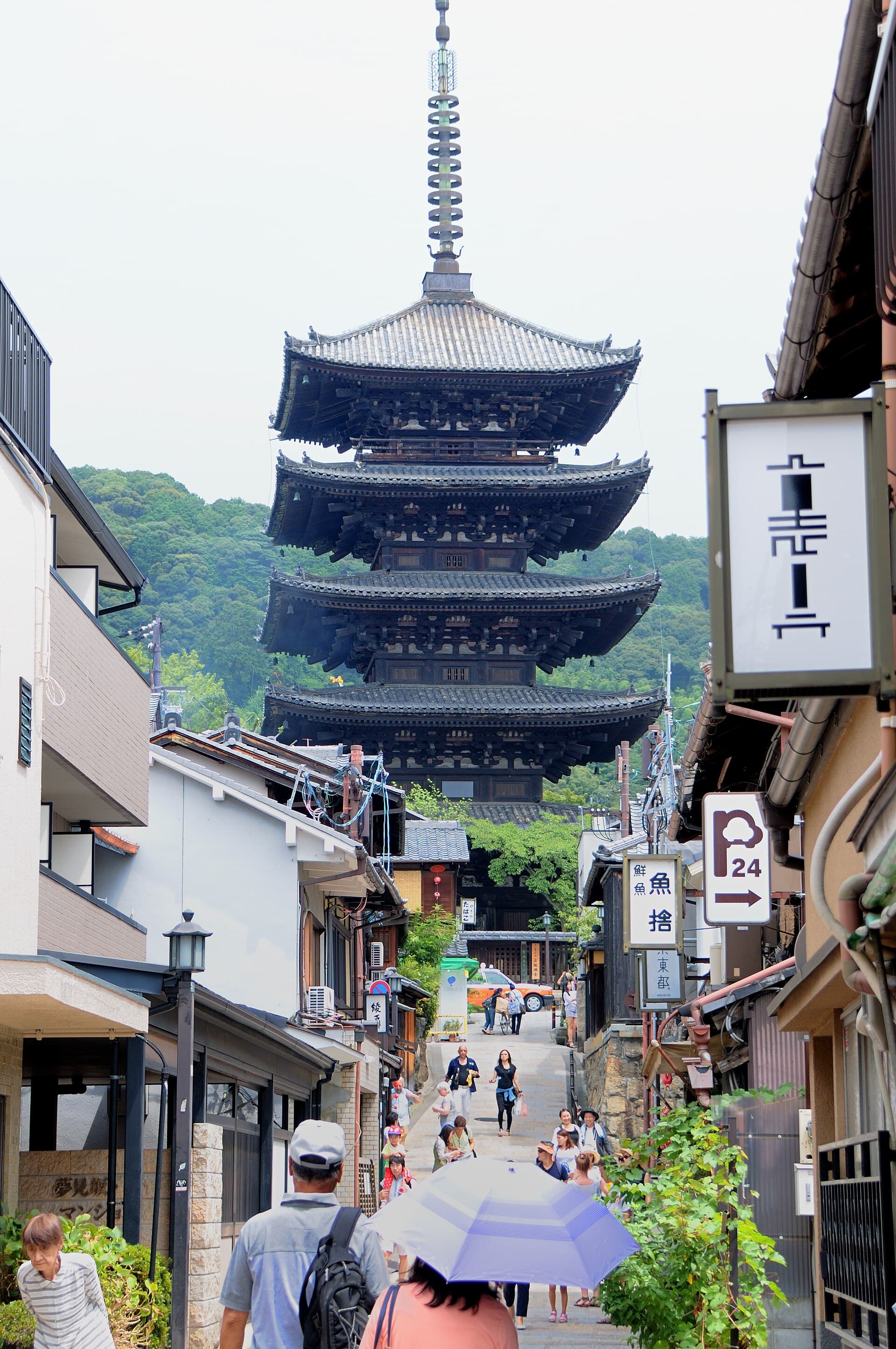
Kimono Experience in Japan: Worth It, Where to Book, What to Expect
Kimono rental and dressing experiences in Tokyo and Kyoto — prices, how long it takes, photo etiquette, and when a booked studio beats a street rental.
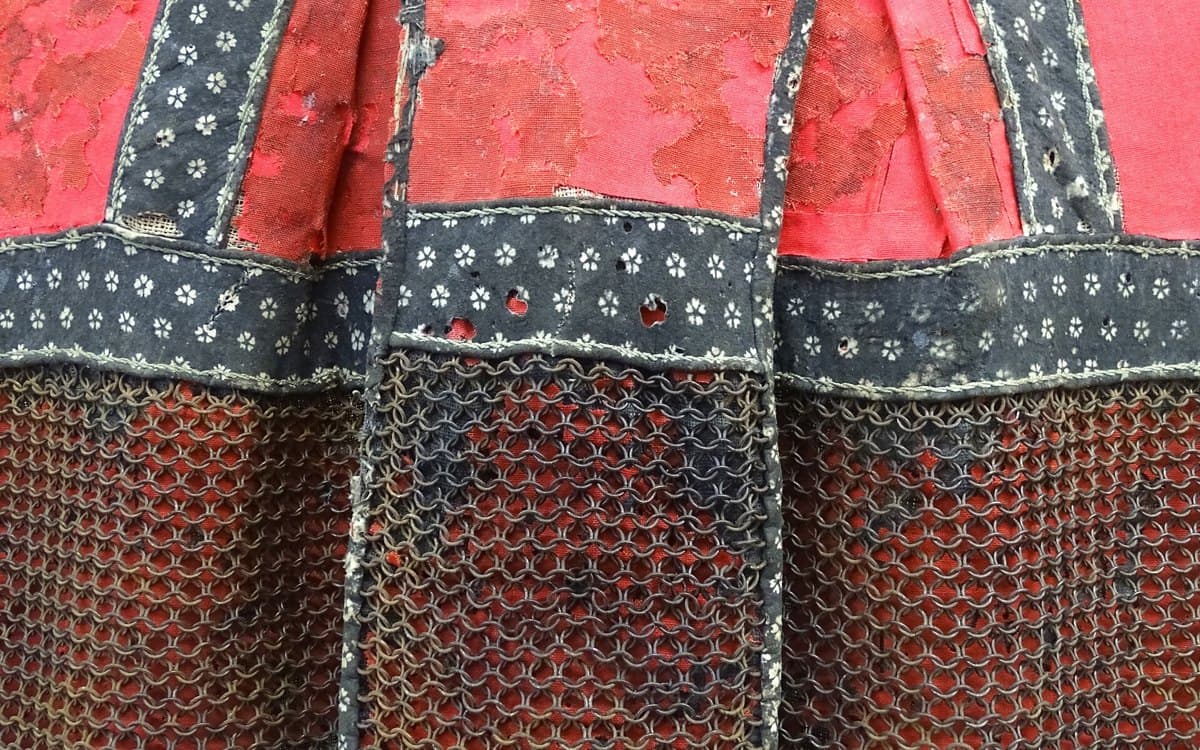
Samurai in Japan: History, Myths, and Where to Experience It (2026)
Samurai history without the Hollywood myths — bushido, the Meiji end of the class, and the best Tokyo and Kyoto experiences if you want armor, sword work, or theater.

Temple and Shrine Etiquette in Japan: Torii, Temizu, Bowing, Photos
Shrine vs temple basics, torii, temizu purification, bowing, money offering, shoes, hats, and photo rules — do this and you will not be that tourist.