
Is Japan Safe for Tourists in 2026? Honest Answer
Is Japan safe for tourists? Yes — violent crime is rare. Watch for scams, ATM skim, overtourism friction, and earthquake prep instead.

Yes — Japan is one of the safest countries in the world for tourists. Violent street crime, mugging, and random assault are rare enough that most visitors never think about personal security the way they would in many large Western cities. What you should prepare for in 2026 is different: petty scams in tourist zones, ATM hygiene, natural disasters, and rising friction around overtourism rules and fines — not knives or carjackings.
If you are planning neighborhoods, transit, or first-timer logistics, pair this with what to do in Tokyo, Japan etiquette rules, and Narita vs Haneda.
Some links in this article are affiliate links. If you book through them, The Standard Japan may earn a commission at no additional cost to you.
Crime Reality: What the Numbers (and Streets) Feel Like
Tokyo, Osaka, Kyoto, and Fukuoka feel calm at night in a way that surprises first-timers. Convenience stores stay open 24 hours. Trains run late and are packed with salary workers, not predators. Leaving a phone on a café table and finding it still there is a common story — not a guarantee, but a cultural signal.
Violent crime against tourists is extremely uncommon. Homicide and robbery rates are among the lowest in the OECD. You will see police boxes (koban) near major stations — Shinjuku, Shibuya, Asakusa — staffed and approachable. Lost wallets are often turned in.
Pickpocketing exists but is low by global city standards. Crowded spots deserve normal caution: Shibuya Crossing at peak, Yamanote Line rush hour, festival denseness at summer fireworks. Keep zippers closed; do not leave bags unattended on luggage racks without a strap loop. That is ordinary urban sense, not Japan-specific panic.
Scams and Rip-Offs Tourists Actually Hit
Japan is not scam-free. It is scam-light, and the patterns are predictable.
Fake monks / “donation” solicitors — Especially around Asakusa, Ueno Park approaches, and some Kyoto temple approaches. Robed figures may ask for cash “donations” for temples. Legitimate temples do not send monks onto sidewalks to shake down tourists. Decline firmly and walk on.
Taxi overcharge — Rare on metered rides from official stands. Risk rises with unlicensed touts near nightlife hubs or someone offering a “special price” without a meter. Use the taxi stand, confirm the meter is running, or book via an app (GO, JapanTaxi). Airport fixed-fare options to central Tokyo are legitimate when booked through official counters — see airport guidance in Narita vs Haneda.
ATM skim awareness — Card skimming is uncommon compared with many countries, but use ATMs inside banks, post offices (JP Bank), or major convenience chains (7-Eleven, Lawson) rather than freestanding machines in poorly lit alleys. Cover the PIN pad. Notify your bank before travel so Japan charges are not blocked.
Bar / hostess club bills in Kabukicho or Roppongi — The classic “friendly stranger invites you for one drink” trap still appears. Cover charges and bottle markups can hit ¥10,000–¥50,000+ for a short visit. If someone approaches you on the street with a “great club,” walk away.
Solo Travelers, Women, and Nightlife
Solo travelers — Hostels, capsule hotels, and business hotels are routine for solo guests. Night trains and late JR lines are used by locals constantly. Stick to well-lit streets after last trains; if you miss the last Yamanote connection, taxis from major stations are expensive but straightforward (¥6,000–¥12,000 across central wards is possible depending on distance).
Women travelers — Japan is frequently ranked among the safest destinations for solo women. Catcalling is rare compared with many cities. Use women-only cars on some morning/evening trains (clearly marked pink stickers). Avoid accepting drinks from strangers in host clubs. In crowded trains, if you feel groped, move cars and report at the next station’s koban — chikan incidents do occur and police take them seriously.
Nightlife districts — Shibuya, Shinjuku, and Osaka’s Dotonbori are busy and generally fine. Kabukicho (Shinjuku) and parts of Roppongi have more aggressive touts. You do not need to avoid them entirely; you need to decline invitations, keep valuables zipped, and leave venues that feel pushy. For transit home, a Suica or Pasmo and the Tokyo Metro basics matter more than carrying cash for “emergencies.”
Natural Disasters Matter More Than Crime
Earthquakes are normal in Japan. Most are minor. Buildings are engineered for them. Your job is information, not fear.
Before you fly: Install a Japanese earthquake early-warning app (NHK News, Safety tips by JNTO, or Yahoo! Disaster Alert). Enable notifications. App alerts only reach you over a data connection, so land with a Japan eSIM already installed (Airalo or Saily) rather than relying on hotel WiFi. Know your hotel’s evacuation stairs — elevators can lock during quakes.
Typhoons (roughly June–October): Trains and flights cancel. Build one buffer day into coastal or island plans. Hotels rarely refund for weather; travel insurance that covers weather delay is worth reading carefully.
Tsunami / coastal alerts: If you are near the Pacific coast (Kamakura, Enoshima, Izu) and an alert sounds, follow local signage uphill immediately. Hotels will instruct guests.
Crime will almost never cancel your trip. A typhoon or transit shutdown can. Budget and pacing context: how much a Japan trip costs.
What to Actually Watch for in 2026
The safety conversation has shifted from “will I get robbed?” to “will I get fined or yelled at for bad behavior?”
Overtourism friction — Kyoto alley restrictions, no-photography zones, and resident complaints about loud groups are real. Breaking local rules can mean being asked to leave or, in a few municipal cases, fines for littering or smoking outside designated areas (Tokyo smoking rules are strict; expect ¥2,000–¥20,000 class penalties depending on ward ordinances).
Trash and smoking — Public bins are scarce. Carry your trash. Smoke only in marked spots.
Traffic — Japan drives on the left. Look both ways at every crossing; scooters and bikes move fast in Kyoto and Osaka side streets.
Drugs and weapons — Zero tolerance. Prescription meds: check if yours is controlled before packing. Do not bring cannabis products, CBD gray-area goods, or self-defense sprays that violate Japanese law.
Emergency numbers — Police 110, ambulance/fire 119. English support varies; hotel staff or a translation app helps. A few basic phrases from the Japanese phrases guide go far at a koban.
FAQ
Is Japan safe for tourists at night? Yes in most neighborhoods. Stick to busy streets, use official taxis or trains, and treat Kabukicho/Roppongi touts as a hard no. Violent assault remains rare.
Is Japan safe for solo female travelers? Generally yes — among the safest major destinations. Use women-only cars when available, trust your instincts in host clubs, and report harassment at a koban.
Are there scams in Japan? Low volume, specific patterns: fake monks, nightlife bill traps, and occasional taxi touts. Metered taxis and official temple donation boxes are fine.
What should I do in an earthquake? Drop, cover, hold. Stay away from windows. After shaking stops, check NHK or your alert app before going outside. Follow hotel staff.
Is pickpocketing common in Tokyo? No by global standards, but keep bags closed in rush-hour trains and dense tourist spots like Asakusa and Shibuya.
Will I get fined for tourist mistakes? More likely than assault. Respect no-smoking zones, trash rules, and local photography bans. Etiquette awareness prevents most conflict — start with Japan etiquette rules.
Travel Desk
The Standard Japan
Trip planning: seasons and crowds, getting around, airports, where to stay, and the practical steps before and after you land.
Facts are taken from primary sources (operators, venues, official tourism and government pages) and dates and prices are checked on the day of writing. Pages are revised when those sources change.
Expertise
Seasonal crowds, transport and airports, itineraries, lodging, pre-trip logistics
Have a question or a correction?
Ask us anything about Is Japan Safe for Tourists in 2026? Honest Answer, or tell us what we got wrong. We reply within 24 to 48 hours.
The Standard Newsletter
Tokyo in your inbox. Weekly.
No algorithms curating your culture. No sponsored content disguised as journalism. Just the real Tokyo — the izakayas at 2am, the Harajuku kids who never made it to the algorithm, the ramen shop with no sign.
280+
Guides
Weekly
Editions
Free
Always
Join the underground.
One email a week. Unsubscribe anytime.
No spam. No sharing your data. Tokyo only.
Related Stories
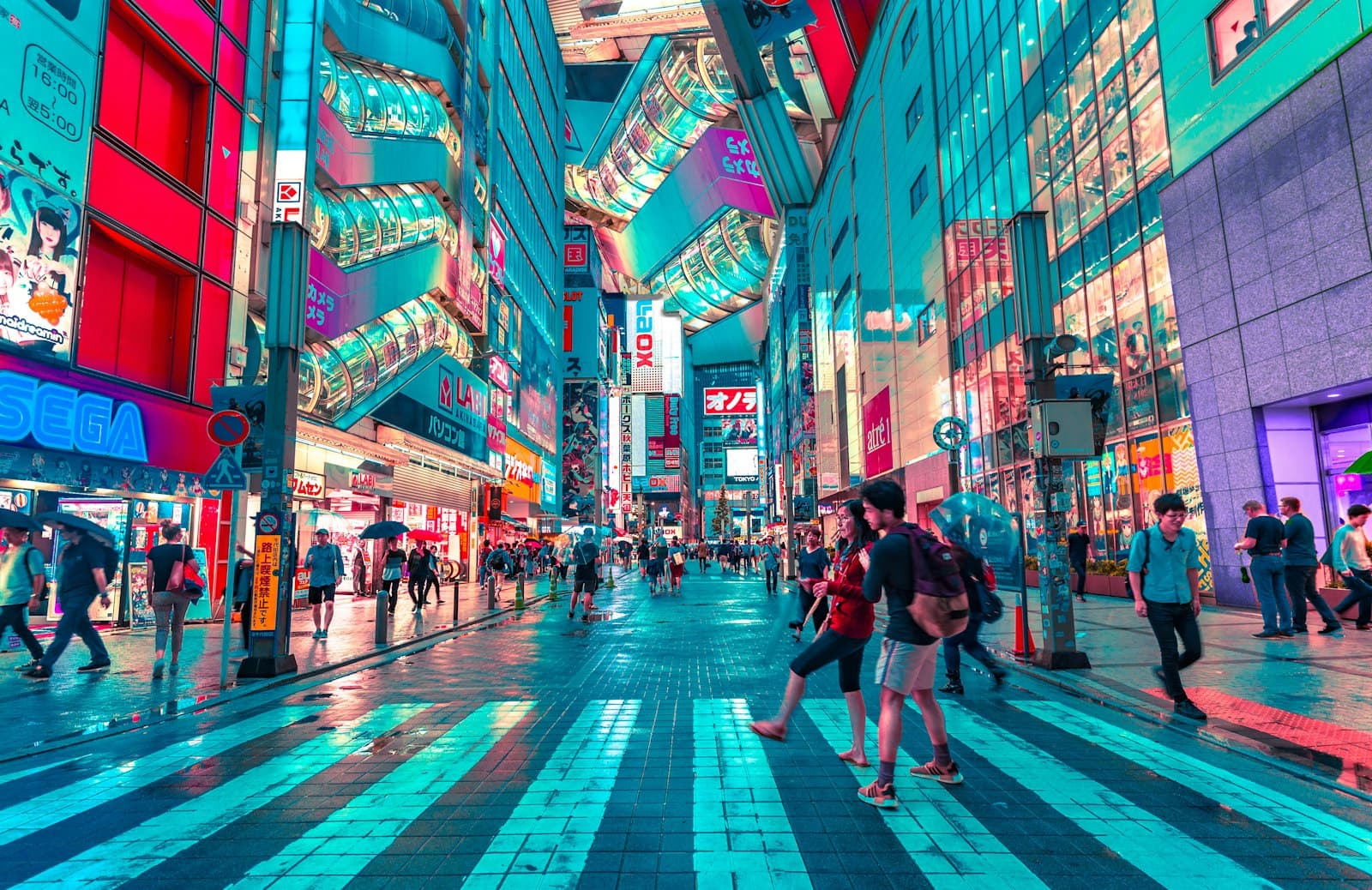
Shibuya Guide: Crossing, Sky, Food, and Nightlife for First-Timers
Shibuya guide for tourists: scramble crossing tips, Shibuya Sky tickets, where to eat, nightlife streets, and what to skip near the station.
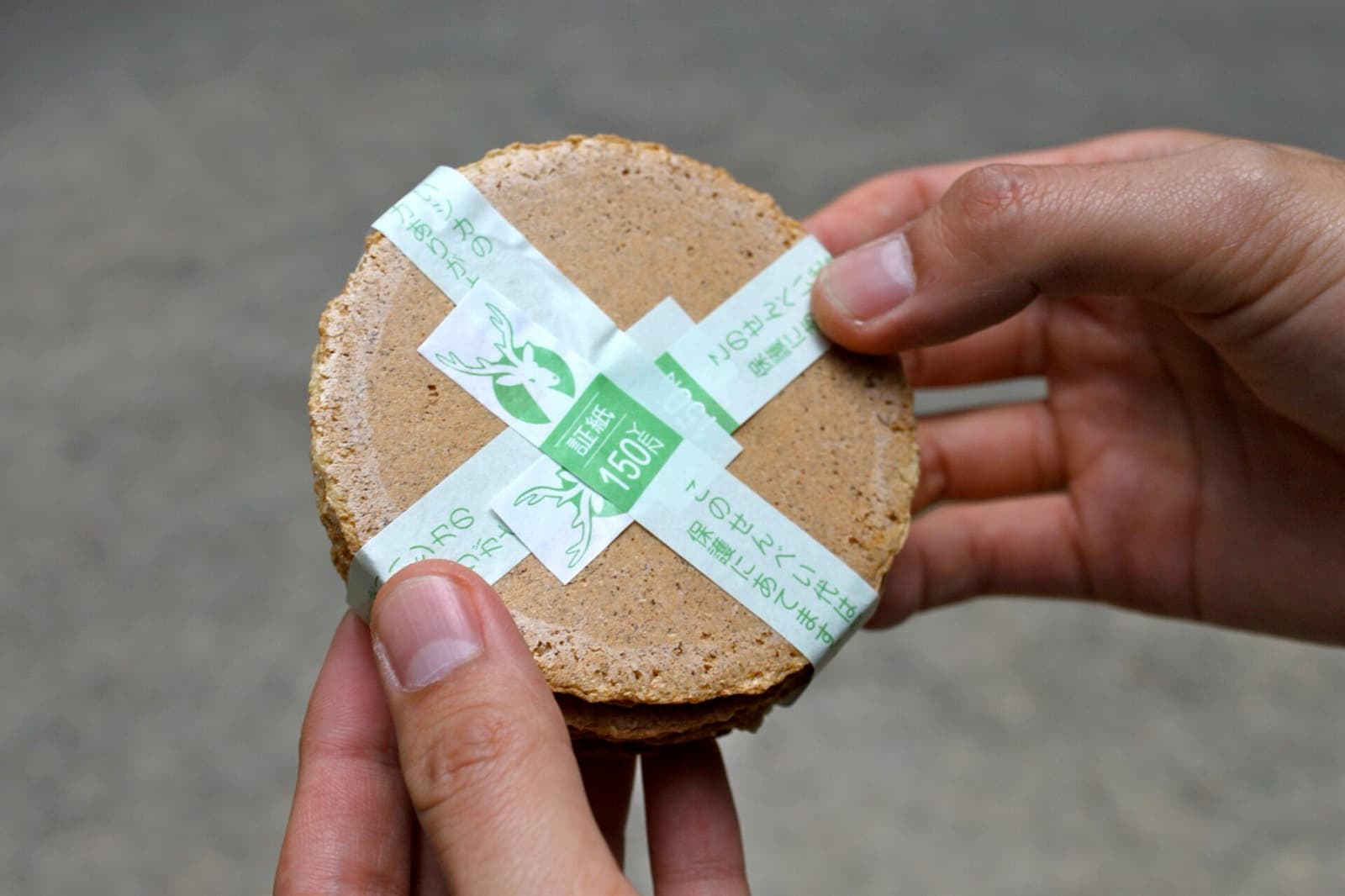
What to Do in Nara: Deer, Todai-ji, and a Perfect Day Trip
What to do in Nara for first-timers: Todai-ji, Nara Park deer etiquette, Kasuga Taisha, food stops, and whether to DIY from Kyoto/Osaka or book a guided day.
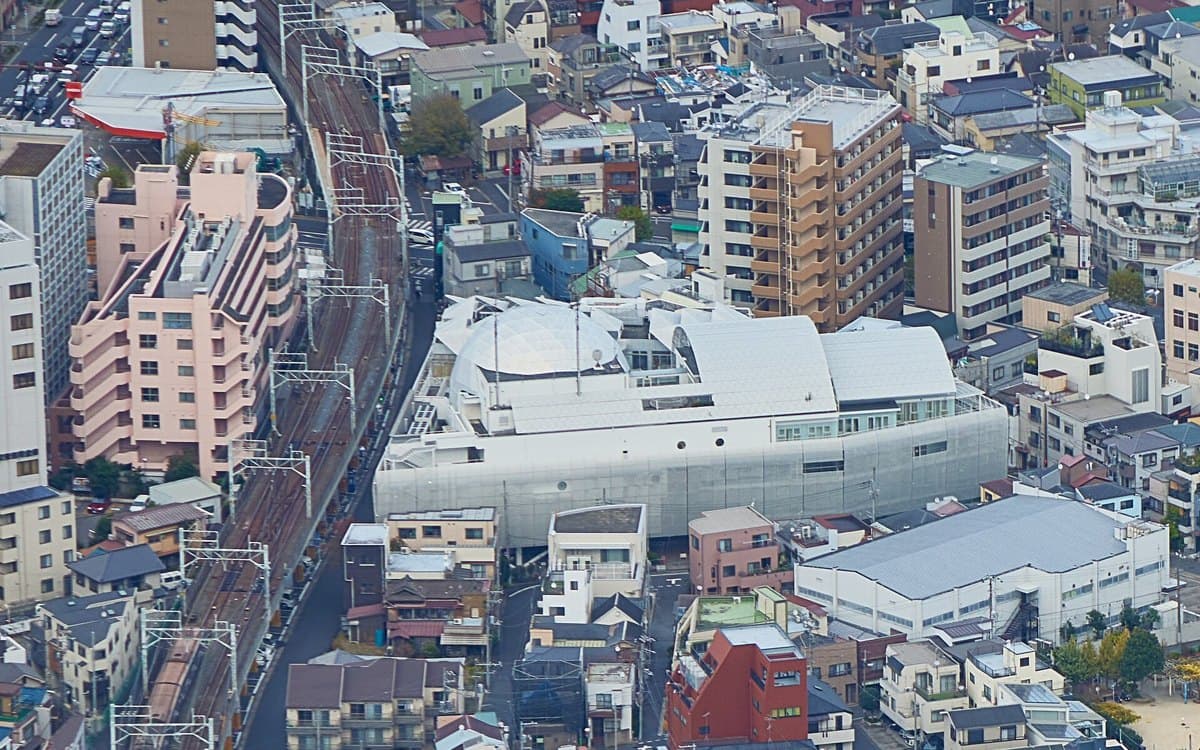
Asakusa Guide: Senso-ji, Skytree, and Old Tokyo Done Right
Asakusa guide for first-timers: Senso-ji early, Nakamise without the crush, Skytree timing, Kappabashi, and when a short tour beats wandering alone.