
Earthquakes and Typhoons in Japan: What Tourists Should Do
Drop, cover, hold in a quake; stay indoors in a typhoon. Hotel exits, JMA alerts, NHK World, the Safety tips app and the 171 message board for tourists.
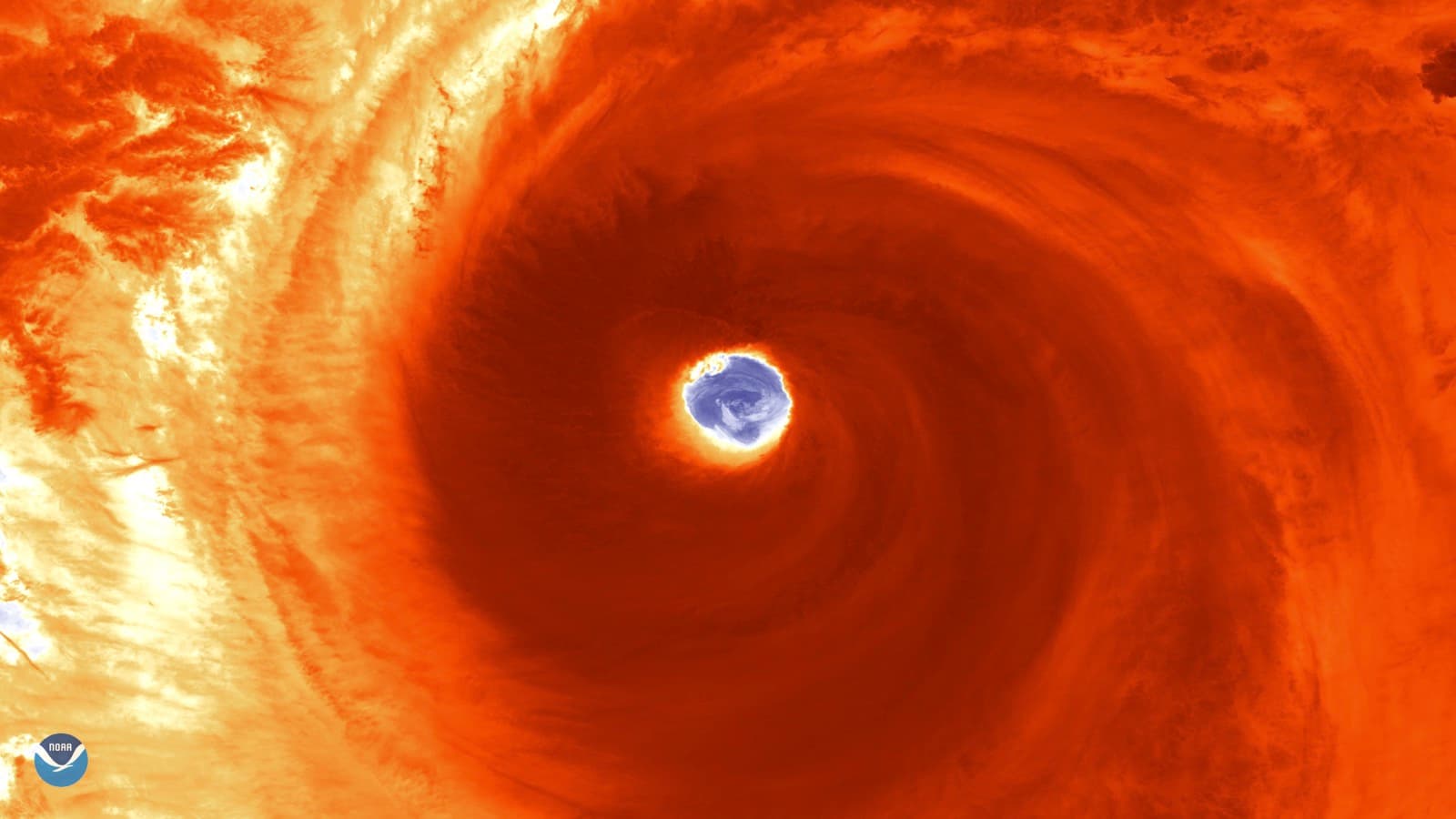
If the ground shakes: drop, cover, hold under a solid table or against an interior wall. Protect your head. Do not sprint outside under glass facades or falling signage. When shaking stops, check for injuries, then follow hotel or station staff. For heat risk between storms, see summer in Japan. For the phone stack that keeps alerts online, see travel apps 2026.
Some links in this article are affiliate links. If you book through them, The Standard Japan may earn a commission at no additional cost to you.
Earthquake: Tourist Actions
| Moment | Do | Do not |
|---|---|---|
| During shaking | Drop, cover, hold; stay put | Run for the street under glass |
| In a hotel | Stay away from windows; use the bed/table | Use elevators |
| After | Check exits; follow staff / PA | Crowd elevators or block stairs |
| Near coast | Move inland / uphill if tsunami risk is announced | Wait on the beach for “photos” |
Japan buildings are engineered for quakes. The bigger tourist risk is panic + glass + elevators. Small shakes are common; treat them as practice for the real alert tone.
Hotel day-one habit — Find stairs and emergency exits on your floor. Note the assembly point if posted. Keep shoes, passport, and phone within reach at night.
Official Alerts and English Info
Treat the Japan Meteorological Agency (JMA) as the weather/quake source of truth — Earthquake Early Warning, tsunami advisories, typhoon tracks. Confirm details on official JMA channels rather than social rumor.
Install before you need them:
- Safety tips — Japan Tourism Agency–supervised traveler alerts (quake/tsunami guidance in multiple languages).
- NHK World-Japan — English emergency news when local TV is all Japanese.
- Embassy / airline apps for flight rebooking alerts.
All three only reach you if your phone has data once you leave the hotel WiFi — on a train, at a temple, in a station concourse. Install a travel eSIM at home along with the apps; see the eSIM comparison for which network each one uses.
Phone voice calls often jam after a big event. Japan’s telecom carriers activate Disaster Emergency Message Dial (171) and the web171 message board (keyed to a phone number) so people can leave or check “I’m safe” notes when calls fail. Practice exists on designated days; during real disasters, activation is announced via TV, radio, and carrier sites.
Typhoon: Stay Put Logic
Typhoons — especially late summer through early autumn — cancel flights, stop local trains, and shut coastal parks.
| Risk | Tourist move |
|---|---|
| Heavy rain / wind | Stay indoors; cancel outdoor day trips |
| Rail suspensions | Check JR / metro apps before leaving the hotel |
| Flights | Recheck airline status; build buffer days on coastal itineraries |
| Coasts / rivers | Avoid beaches, breakwaters, and flooded underpasses |
Do not “wait out” a typhoon on Enoshima cliffs or a waterfront hotel balcony. Indoor shopping, museums, and hotel lounges are the win. After the storm, heatstroke still matters — see the summer guide.
Aftercare Checklist
- Text or email home when data works; try 171 / web171 if voice fails.
- Follow hotel instructions for water, elevators, and reopening times.
- Rebook trains and flights only after official status clears — do not trust random group chats.
- Watch for aftershocks; keep the same drop-cover-hold reflex.
Pack-Light Safety Kit
You do not need a full go-bag as a tourist, but a small daypack habit helps:
- Phone power bank and offline maps
- Cash for when card networks or ATMs hiccup
- Hard-copy hotel address in Japanese for taxis
- Sensible shoes — glass and wet stairs punish sandals
If you are mid-trip with luggage, use coin lockers near major stations rather than dragging suitcases through crowded evacuation flows.
Japan is one of the better-prepared countries for these hazards. Your job as a visitor is short: survive the minute of shaking or the day of wind without doing something dramatic.
FAQ
Should I run outside during an earthquake?
Usually no. Drop, cover, hold indoors first. Outside glass and falling objects are common injuries.
What English sources should I trust?
JMA for alerts; NHK World and the Safety tips app for traveler-facing updates. Hotel staff beat social media.
What is 171?
NTT’s Disaster Emergency Message Dial (and web171 online). Leave or check safety messages keyed to a phone number when lines are congested — activated for significant disasters.
Will trains stop in a typhoon?
Often yes on exposed or flooded lines. Assume delays and check operators before you leave.
Is Japan “dangerous” because of quakes?
Quakes happen; buildings and drills are strong. Tourist risk spikes from panic, poor footwear, and ignoring typhoon closures.
Where do I learn heatstroke risk for summer storms?
See summer in Japan 2026 — heat kills more visitors quietly than small tremors do.
Travel Desk
The Standard Japan
Trip planning: seasons and crowds, getting around, airports, where to stay, and the practical steps before and after you land.
Facts are taken from primary sources (operators, venues, official tourism and government pages) and dates and prices are checked on the day of writing. Pages are revised when those sources change.
Expertise
Seasonal crowds, transport and airports, itineraries, lodging, pre-trip logistics
Have a question or a correction?
Ask us anything about Earthquakes and Typhoons in Japan: What Tourists Should Do, or tell us what we got wrong. We reply within 24 to 48 hours.
The Standard Newsletter
Tokyo in your inbox. Weekly.
One short email a week: what’s on in Japan, what to book before it sells out, and the guides we’ve just updated.
280+
Guides
Weekly
Editions
Free
Always
Get the weekly email.
One email a week. Unsubscribe anytime.
No spam. We never share your address.
Related Stories
Japan Drugstore Guide: What to Buy at Matsumoto Kiyoshi and Daikoku Drug
Japan's drugstores sell better eye drops, pain patches, and skincare than most pharmacies back home. Here's what to buy, which chain, and how tax-free works.
First-Time Japan Checklist: What to Do Before You Fly (2026)
First-time Japan checklist: visas, Visit Japan Web, eSIM, Suica, cash, hotels by city, what to book ahead, and a day-one plan that won’t ruin the trip.
Haneda to Tokyo: Monorail, Keikyu, and When to Take a Car
How to get from Haneda Airport to Tokyo: Tokyo Monorail, Keikyu Airport Line, buses, and private transfers — times, connections, and first-timer tips.