
Japan Tourist Scams in 2026: The Drink-Spiking Warning for Kabukicho, Roppongi, Shibuya, and Ikebukuro
The UK's FCDO issued a real alert about drink-spiking and credit-card fraud in four named Tokyo districts. Here's exactly how the scam works and how to avoid it.
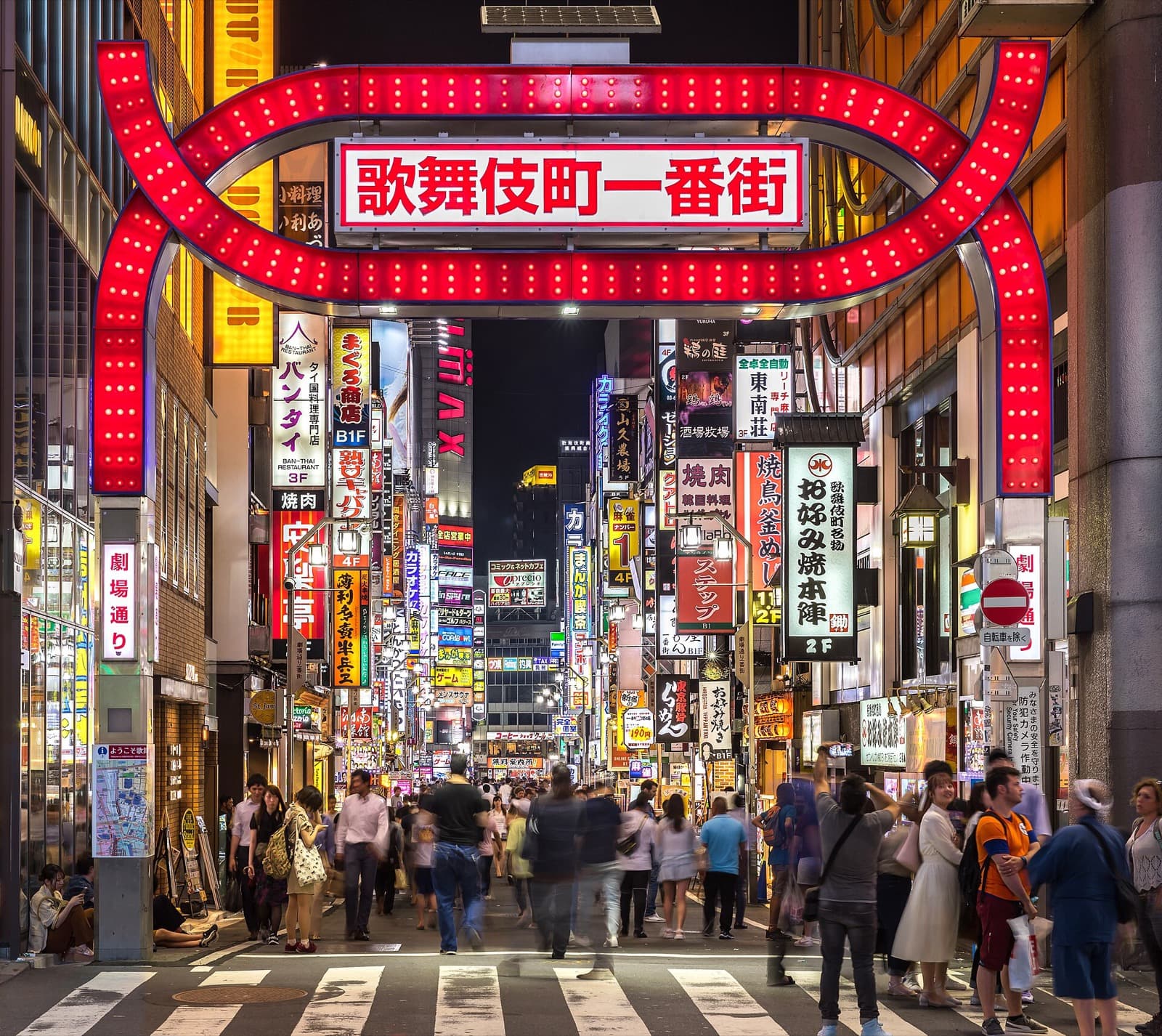
Tokyo is, by most measures, one of the safest major cities in the world for tourists. That reputation is earned and it isn't changing. But in 2026, the UK's Foreign, Commonwealth and Development Office (FCDO) issued a specific travel alert about one scam pattern, and it's worth knowing the details rather than the headline alone.
The Scam the FCDO Is Warning About
The alert flags a drink-spiking and credit-card-fraud scam, and it names four Tokyo areas specifically as high-risk: Kabukicho, Roppongi, Shibuya, and Ikebukuro. Japanese police have flagged the same four districts. Reporting on the alert has cited losses in the "tens of thousands" tied to this pattern — treat that as a headline figure attributed to the source rather than a precisely broken-down statistic, but the underlying pattern is well-documented across multiple police and consular warnings.
How It Actually Works
The pattern is consistent across reports: street touts who speak English approach tourists — usually solo travelers or small groups — near nightlife areas and steer them toward a specific bar or club, often with a friendly, low-pressure pitch. Once inside, victims are served heavily spiked drinks. The effect ranges from semi-conscious to a full blackout, and it's during that window that fraudulent credit card charges get run up — sometimes drink and table charges wildly inflated beyond any normal price, sometimes card details used more directly.
This is different from a normal "expensive tourist trap" — the entire point is incapacitation, not just overcharging someone who's still capable of objecting or leaving.
Other Scams Worth Knowing
The drink-spiking pattern is the most serious of what's out there, but it's not the only one:
Fake monks at major temples, aggressively soliciting cash donations — a real monk generally won't approach and pressure you this way.
Undisclosed otoshi (table charge) fees at small bars and izakaya — a cover charge that shows up on the bill without being mentioned upfront. Always ask about seating or table charges before you sit down, particularly somewhere you were led to rather than chose yourself.
Street taxi issues — hailing on the street rather than using app-based transport removes a layer of pricing transparency and accountability that most tourists don't realize they're giving up.
How to Protect Yourself
None of this requires being paranoid in a city that's genuinely low-risk overall, but a few habits close off most of the exposure:
Be skeptical of unsolicited invitations from street touts, especially anyone speaking fluent English specifically to steer you somewhere in Kabukicho, Roppongi, Shibuya, or Ikebukuro at night.
Confirm prices, including any cover or table charge, before you sit down — this single habit closes off both the otoshi surprise-fee pattern and a lot of the pressure that leads people into sketchy venues in the first place.
Use app-based transport instead of hailing taxis on the street, which gives you upfront pricing and a paper trail.
If a night out in one of these four districts is on your itinerary, go with people you trust and keep an eye on each other's drinks — the same basic precaution that applies in nightlife districts anywhere in the world.
This isn't a reason to avoid Golden Gai or Tokyo's nightlife scene generally — it's a reason to be specifically alert to the tout-to-bar pattern in these four named areas, the same way you'd be alert to a known pickpocket pattern in any major city's tourist zones. For general cultural ground rules that also help you avoid awkward or exploitable situations, see our Japan etiquette rules guide.
The Honest Context
Despite this alert, Tokyo remains one of the lowest tourist-scam-rate cities among any major global capital. This warning is about one specific, documented pattern concentrated in four named nightlife districts — not a signal that Japan has become unsafe for visitors. Millions of tourists walk through Kabukicho and Shibuya every year without incident. The point of knowing this pattern is to recognize it if you encounter it, not to change how you feel about traveling in Japan generally.
FAQ
Which Tokyo areas are flagged for the drink-spiking scam? Kabukicho, Roppongi, Shibuya, and Ikebukuro — named specifically by both the UK's FCDO travel alert and Japanese police.
How does the drink-spiking scam actually work? English-speaking street touts lure tourists into a specific bar or club, where drinks are heavily spiked. While the victim is incapacitated, fraudulent credit card charges are made.
Is Tokyo actually dangerous for tourists? No — Tokyo remains one of the safest major cities in the world for visitors, with one of the lowest tourist-scam rates of any global capital. This alert covers one specific, geographically concentrated pattern, not overall city safety.
What should I do if a stranger invites me to a bar on the street at night? Be skeptical, especially in Kabukicho, Roppongi, Shibuya, or Ikebukuro. Confirm any cover or table charge before sitting down, and consider declining unsolicited invitations from street touts entirely.
What is an otoshi charge, and is it a scam? Otoshi is a standard table or seating charge common at Japanese izakaya and bars — legitimate on its own, but it becomes a scam pattern when it's not disclosed upfront and shows up as a surprise on the bill.
Should I avoid Kabukicho or Shibuya nightlife entirely because of this warning? No. Both remain popular, generally safe nightlife areas. The recommendation is to be specifically alert to the tout-to-bar pattern, not to avoid the districts altogether.
Travel Desk
The Standard Japan
Trip planning: seasons and crowds, getting around, airports, where to stay, and the practical steps before and after you land.
Facts are taken from primary sources (operators, venues, official tourism and government pages) and dates and prices are checked on the day of writing. Pages are revised when those sources change.
Expertise
Seasonal crowds, transport and airports, itineraries, lodging, pre-trip logistics
Have a question or a correction?
Ask us anything about Japan Tourist Scams in 2026: The Drink-Spiking Warning for Kabukicho, Roppongi, Shibuya, and Ikebukuro, or tell us what we got wrong. We reply within 24 to 48 hours.
The Standard Newsletter
Tokyo in your inbox. Weekly.
No algorithms curating your culture. No sponsored content disguised as journalism. Just the real Tokyo — the izakayas at 2am, the Harajuku kids who never made it to the algorithm, the ramen shop with no sign.
280+
Guides
Weekly
Editions
Free
Always
Join the underground.
One email a week. Unsubscribe anytime.
No spam. No sharing your data. Tokyo only.
Related Stories
Japan Drugstore Guide: What to Buy at Matsumoto Kiyoshi and Daikoku Drug
Japan's drugstores sell better eye drops, pain patches, and skincare than most pharmacies back home. Here's what to buy, which chain, and how tax-free works.
First-Time Japan Checklist: What to Do Before You Fly (2026)
First-time Japan checklist for foreigners: visas, Visit Japan Web, eSIM, Suica, cash, hotels by city, what to book ahead, and a day-one plan that won’t ruin the trip.
Haneda to Tokyo: Monorail, Keikyu, and When to Take a Car
How to get from Haneda Airport to Tokyo: Tokyo Monorail, Keikyu Airport Line, buses, and private transfers — times, connections, and first-timer tips.