
Solo Travel Japan: The Honest Guide for First-Timers (2026)
Japan is safe, organized and easy to navigate alone, which makes it ideal for solo travel. What to know before you go, from eating alone to where to stay.

This article contains affiliate links. If you buy through one, we may earn a small commission at no extra cost to you.
Japan is the best country in the world for solo travel. This is not a marketing claim. It is the assessment of the solo travel community, repeated consistently across every platform, for at least two decades. The combination of safety, public transport, food culture, and social tolerance for solitude makes Japan uniquely suited to traveling alone.
But it does have its own friction points. Language, social norms, and the paradox of loneliness in a highly social country can catch first-time solo travelers off guard. Here is what to expect — honestly.
Why Japan is Exceptional for Solo Travel
Safety: Japan has one of the lowest violent crime rates of any developed country. Violent crime against tourists is exceptionally rare. You can walk home at 2am in any major city without concern. Belongings left on trains are routinely turned in to lost and found. The baseline level of physical security is unlike anywhere in Europe or North America.
Solo dining culture: Japan invented the concept of counter dining for one. Every ramen shop, sushi bar, and izakaya has counter seats specifically designed for solo diners. Ordering for one is normal. No one will look at you with pity. No one will ask where your friends are.
Independence at scale: The public transport system is so efficient that you can move between cities, neighborhoods, and experiences at exactly the pace you want. There is no negotiating with travel companions. You eat when you want, leave when you want, stay as long as you want.
Solitude is respected: Japanese social culture gives people more personal space than most cultures. You will not be pestered in restaurants, approached aggressively on the street, or pressured into conversations you do not want. This is genuinely comfortable for solo travelers who want to move through a city on their own terms.
The Honest Challenges
Language barrier: Japan is less English-accessible than most Western European countries. Google Translate's camera function has become essential — point it at any menu, sign, or ticket machine and you will get a workable translation. This is genuinely good enough. But do not expect to have deep conversations, navigate complex situations, or read menus without your phone.
Booking solo accommodation: Some ryokan charge a single supplement (typically 20–30% extra per person). Not all ryokan accept solo bookings at all, as they price per person based on a pair sharing meals. Research this before arriving — many excellent ryokan now actively welcome solo guests.
Social isolation can be real: Japan is simultaneously one of the loneliest and one of the most socially intricate countries to visit alone. You can spend five days in Tokyo without speaking more than a few words to anyone. If you are extroverted or prone to loneliness, plan for this. Choose hostels over hotels. Sit at counters rather than tables. Eat at the bar at izakayas.
Navigating alone during emergencies: If something goes wrong — medical, logistical, or administrative — navigating Japanese bureaucracy without Japanese language skills is genuinely difficult. Get travel insurance that includes a support line. Keep your accommodation's address in Japanese characters.
Where to Go as a Solo Traveler
Tokyo: The best starting point. Overwhelming in scale but logical in structure. Every neighborhood has its own character. You can spend two weeks in Tokyo without running out of things to do. Solo dining options are exceptional across every price point.
Kyoto: Excellent for solo travel. Temples and gardens are naturally individual experiences. The city is walkable and cycleable. The food scene is compact and high-quality. Less anonymous than Tokyo — you will make brief connections more easily.
Hiroshima: Often overlooked on first trips, worth prioritizing. The Peace Memorial Museum is one of the most important cultural experiences in Asia. Smaller than Osaka, approachable for solo travel, with excellent food.
Hokkaido: Perfect for nature-focused solo travelers. Smaller population, spectacular landscapes, excellent food (seafood, dairy, ramen). Summer hiking and winter skiing. The pace is slower than the main cities.
Off the beaten track: Kanazawa, Matsumoto, Nagasaki, Kagoshima, and the Iya Valley in Shikoku are all excellent for solo travel — fewer tourists, more genuine local interaction, and the satisfaction of going somewhere most people skip.
Solo Travel Safety in Japan: What to Know
Crime: Petty theft is not common in Japan but is not zero. Keep your valuables in an inside pocket or secure bag in crowded areas like Shibuya crossing, Akihabara, and tourist-dense temple areas in Kyoto during peak season.
Scams: Rare. Bar touts in Roppongi and Kabukicho (Tokyo's red-light district) do exist — high-pressure bar invitations that lead to inflated bills. Do not follow strangers into bars you were approached for. This is easily avoided.
Medical: Japan's healthcare system is excellent. Emergency services can be accessed at 119 (ambulance/fire) and 110 (police). Major hospitals in Tokyo, Osaka, and Kyoto have English-speaking staff. Travel insurance that covers medical evacuation is strongly recommended.
Solo female travel: Japan is among the safest countries in the world for solo female travelers, and has been recognized as such consistently. Physical threat from strangers is extremely low. The main discomfort reported by solo female travelers is social — the occasional unwanted attention in nightlife areas, which is manageable with standard awareness.
Women-only train carriages exist on many lines, particularly during rush hours. They are clearly marked at the platform and on the train — look for the pink signage.
Practical Setup: Before You Arrive
SIM card or pocket wifi: Pocket wifi is slightly more reliable for multiple devices; a local SIM is simpler for solo travelers. Sakura Mobile, IIJmio and Mobal all offer prepaid SIM cards for visitors. Buy before arrival or at the airport on arrival. Solo travelers usually do best with an eSIM specifically — Airalo and Saily are both easy to set up alone — see our eSIM vs pocket WiFi breakdown for why.
IC card (Suica or Pasmo): Load ¥5,000–¥10,000 and it handles all trains, buses, convenience store purchases, and many vending machines. Buy at any major train station or via the Suica app on iPhone.
Google Maps + Google Translate: These two apps handle 90% of solo navigation challenges. Download offline maps for Japan before arrival.
Accommodation strategy:
- Hostels with social areas for the first few days help combat loneliness and give you local tips
- Business hotels for efficiency when covering ground fast
- At least one or two nights in a ryokan for cultural depth
- Capsule hotels are excellent value and a genuine Japanese experience
Solo Food: How to Eat Well Alone in Japan
Counter dining is the core of Japanese solo food culture. Here is where to sit:
Ramen shops: Always sit at the counter. Order via ticket machine at the entrance. You do not need Japanese — most machines have photos or English buttons. Point at what you want.
Sushi bars: Sit at the counter to watch the chef work. This is where the best interaction happens and often where the best pieces are served.
Izakayas: Sit at the bar if there is one. Order beer and a few small dishes. Take your time. The rhythm of an izakaya is slow and comfortable for solo dining.
Convenience stores: Underrated as a solo dining resource. 7-Eleven, FamilyMart, and Lawson all have hot food counters, fresh rice balls (onigiri), and sandwiches that are genuinely good. Eating a late-night convenience store meal on a park bench is a legitimate Tokyo experience.
FAQ: Solo Travel Japan
Is Japan safe for solo female travelers? Yes — consistently rated among the safest countries in the world for solo female travelers. Physical crime risk is minimal. Exercise standard awareness in nightlife areas.
How much does solo travel in Japan cost? A comfortable budget is ¥15,000–¥25,000 per day covering accommodation, food, and transport. Budget travelers can manage ¥8,000–¥12,000 with hostels and convenience store meals.
Can I visit Japan without speaking Japanese? Yes. Google Translate's camera mode handles most reading challenges. English signage is available in all major tourist areas and transport hubs. You will not need Japanese for most daily interactions.
Is Japan good for introverts? Exceptionally so. Japanese social culture respects personal space, solo dining is normalized, and the absence of social pressure to interact makes it comfortable for people who recharge alone.
What is the best app for navigating Japan solo? Google Maps with downloaded offline maps handles public transport, walking routes, and transit times extremely well. Hyperdia is useful for complex rail journey planning.
Are hostels good in Japan? Japan has some of the best-designed and well-run hostels in the world. The capsule hotel format originated here. Even budget accommodation maintains high standards of cleanliness and organization.
How do I make friends while solo traveling Japan? Stay in hostels with common areas. Sit at bars and counters in izakayas. Take group tours for day trips. Attend local events listed on Meetup or Eventbrite. Language exchange events in major cities are popular and beginner-friendly.
What should I do if I get sick in Japan? Go to the nearest clinic or hospital. Major hospitals in tourist areas have English assistance. Show your insurance details and passport. Emergency services are 119 for ambulance. Pharmacies (yakkyoku) are widely available — show a photo of your medication if you need a specific type.
Travel Desk
The Standard Japan
Trip planning: seasons and crowds, getting around, airports, where to stay, and the practical steps before and after you land.
Facts are taken from primary sources (operators, venues, official tourism and government pages) and dates and prices are checked on the day of writing. Pages are revised when those sources change.
Expertise
Seasonal crowds, transport and airports, itineraries, lodging, pre-trip logistics
Have a question or a correction?
Ask us anything about Solo Travel Japan: The Honest Guide for First-Timers (2026), or tell us what we got wrong. We reply within 24 to 48 hours.

Related Stories
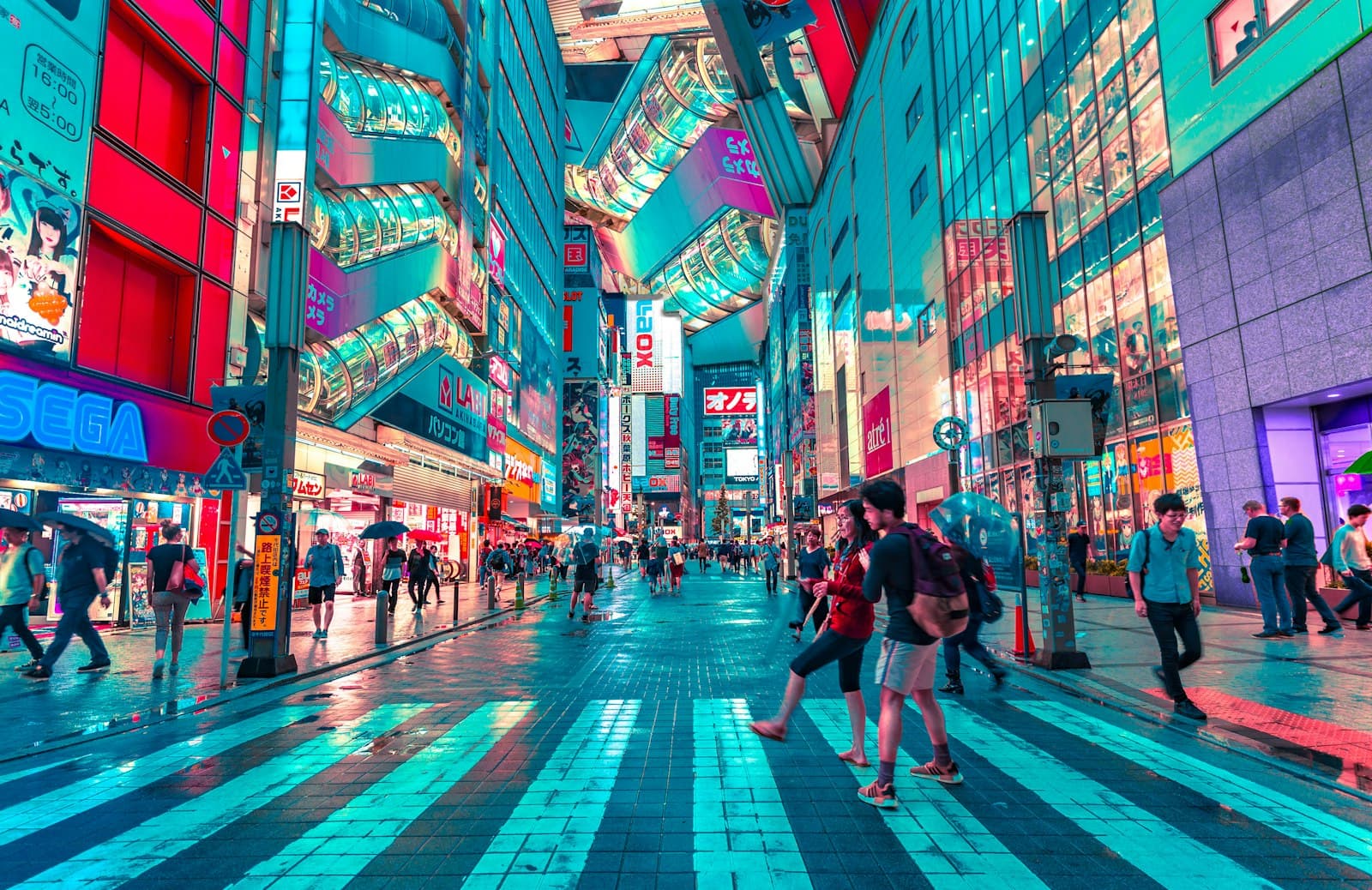
Where to Stay in Tokyo: Best Neighborhoods for First-Timers (2026)
Where to stay in Tokyo: Shibuya or Shinjuku for first-timers, Ginza for luxury, Asakusa for budget and tradition, Ueno for families. Prices by area.
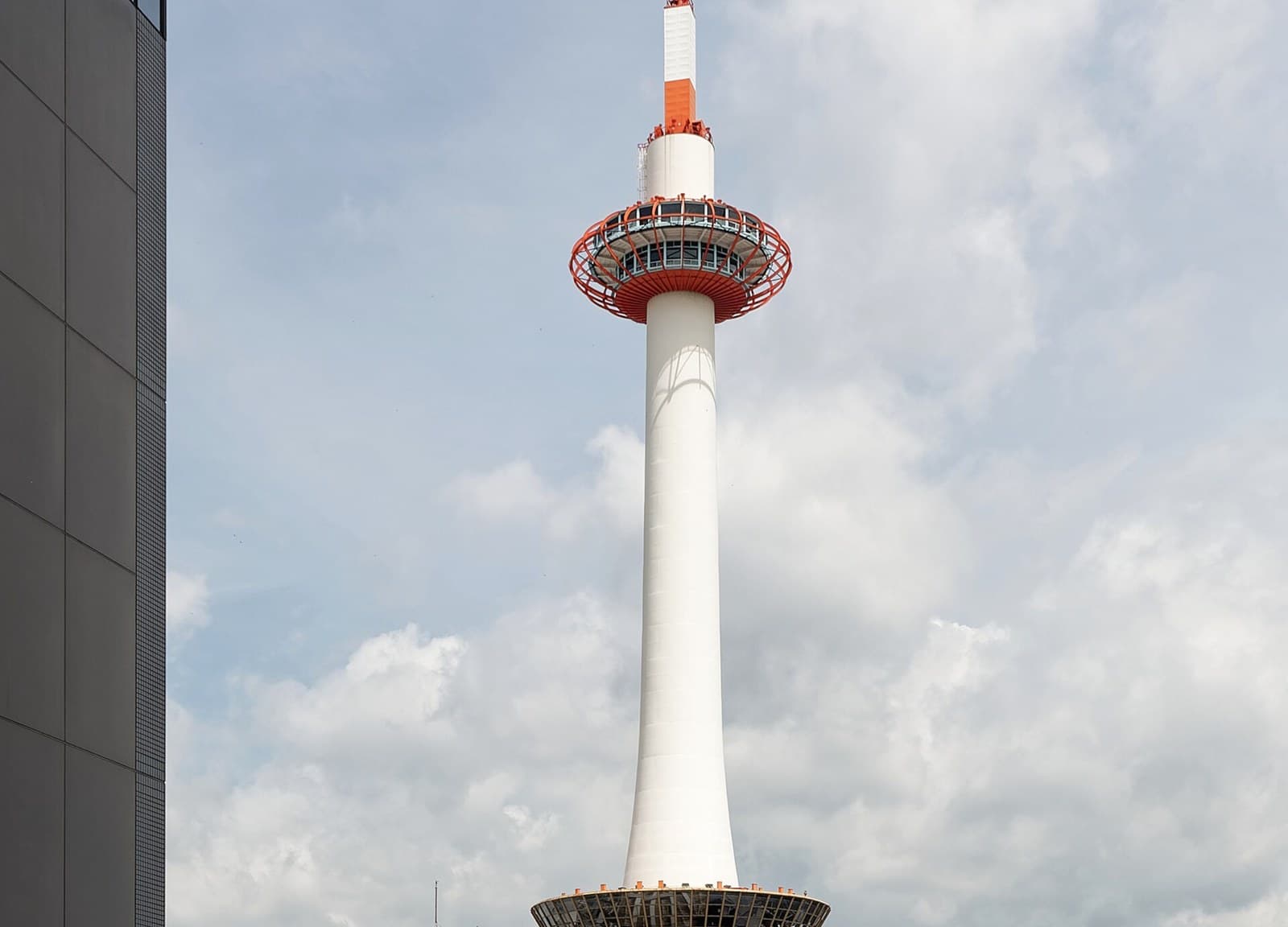
Where to Stay in Kyoto: Best Areas for First-Timers (2026)
Where to stay in Kyoto for first-timers: Kyoto Station for trains, Kawaramachi for walking, Gion-adjacent for atmosphere — with price ranges and tradeoffs.
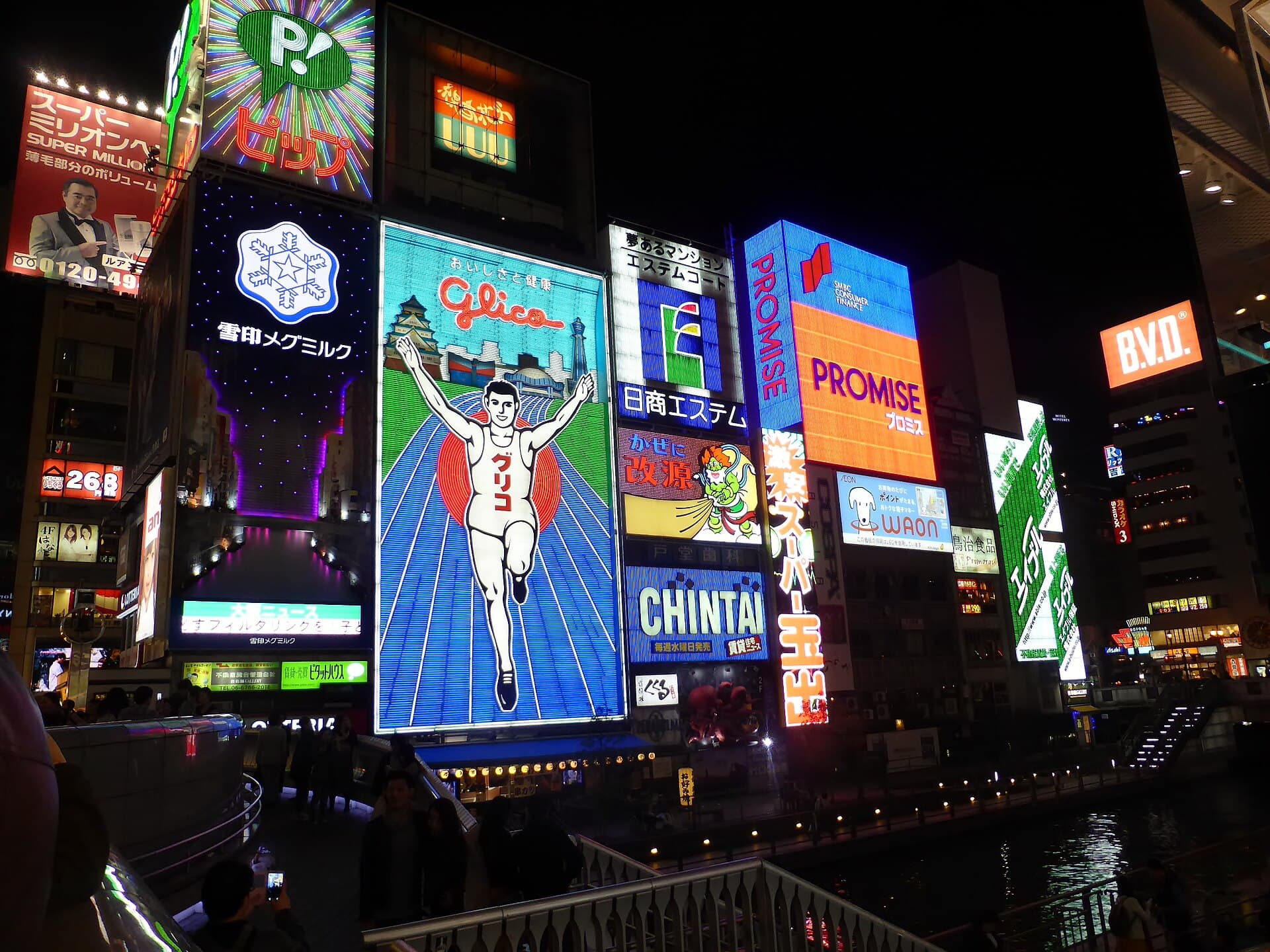
Where to Stay in Osaka: Best Areas for First-Timers (2026)
Where to stay in Osaka: Namba for food and neon, Umeda for trains and malls, Tennoji for value — neighborhood guide with prices and tradeoffs for first-timers.