
Preschool
日本語English Preschool vs English Conversation School in Japan
Daily English immersion vs weekly eikaiwa lessons — what matters for young children in Japan.
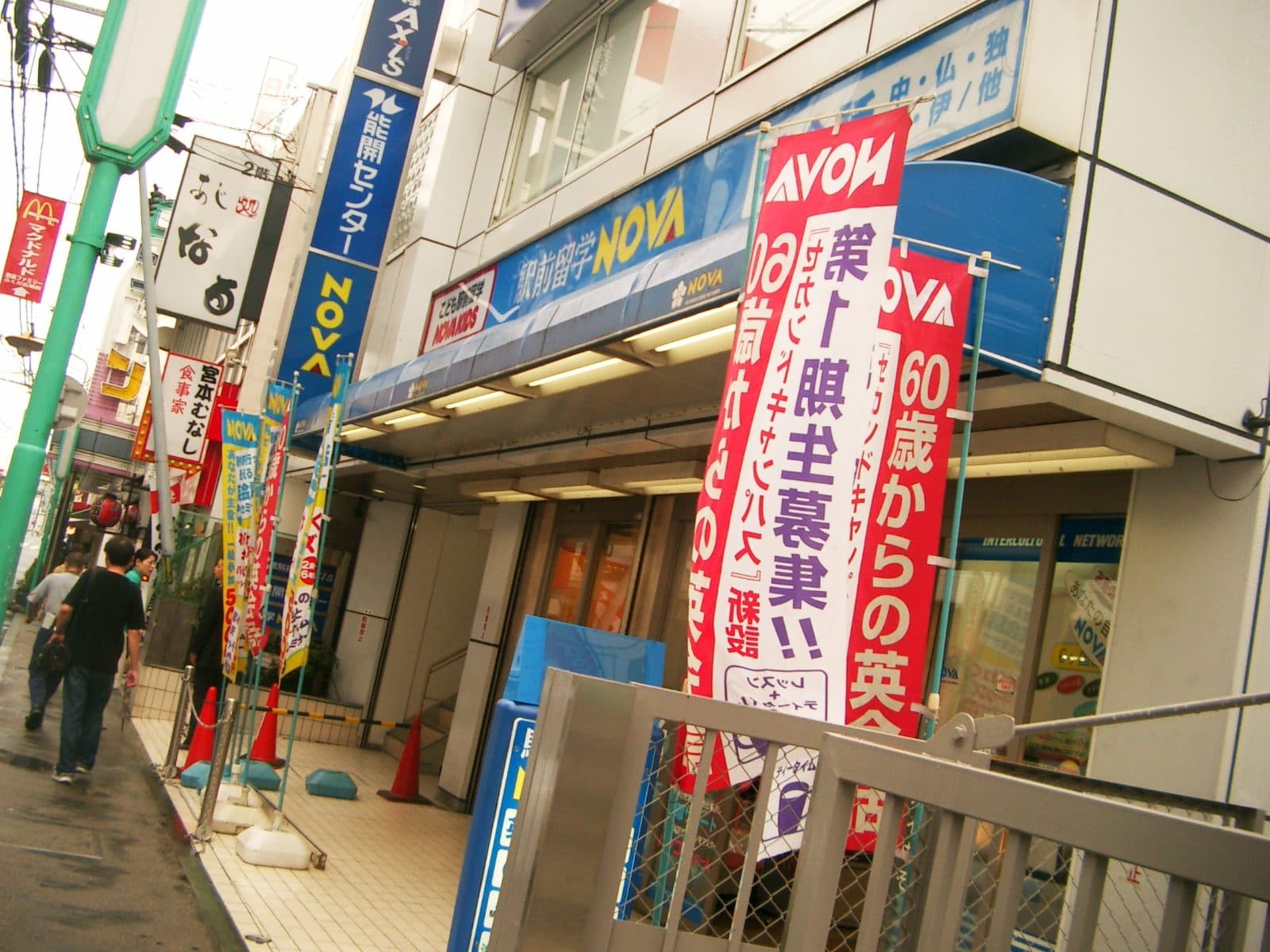
Parents across Japan ask the same question: is a weekly English lesson enough? For toddlers and preschoolers, the honest answer is usually no, if the goal is a child who is comfortable in English. Weekly lessons and an English preschool are different things, and they are worth comparing on what each actually does.
The difference
| English preschool | English conversation school (eikaiwa) | |
|---|---|---|
| How often | Several hours a day, several days a week | Usually one or two lessons a week |
| Setting | A class that stays together | A lesson, often in a small group |
| How English is used | All day, in play and routines | In a planned lesson |
| Friends | The same children every day | Classmates may change |
| What it is for | Daily care and getting ready for school | Extra English practice |
What children learn in each
At an English preschool, children follow instructions, sing, play, eat and settle disagreements in English with the same teachers and friends every day. Young children pick up language this way, by needing it.
At an eikaiwa, children learn set words and phrases through games and activities. It is a good supplement, but an hour a week leaves little time to absorb a language.
If your child may go on to an international school, daily immersion usually builds confidence faster. See how to choose an international school.
Beyond language
Between two and five, children are also learning to be away from their parents, take turns, share and cope with routines. A preschool gives them a steady place to do that. An eikaiwa lesson doesn't, and isn't meant to.
Cost and schedule
An eikaiwa looks cheaper by the month, but it is not childcare: your child still needs a daycare, a kindergarten or a parent at home for the rest of the day. An English preschool combines care and English, so compare the total cost of each arrangement, not just the monthly fee.
An eikaiwa makes the most sense for a child who already spends the day at a Japanese daycare or kindergarten and whose parents want to add some English.
Choosing a preschool
Visit, watch a class and ask how much of the day is really in English. For what to compare, from hours and holidays to the total cost, see international preschools in Kobe and when to start English preschool.
FAQ
Can an eikaiwa replace an English preschool? No. They do different jobs: an eikaiwa adds English practice, while a preschool provides daily care and immersion.
Is an eikaiwa a waste of money? No. It is useful when your child already attends a Japanese daycare or kindergarten and you want to add English.
At what age do children start English preschool? Many start between two and four, but it depends on the child.
Are there more options in Tokyo than in Kobe? Tokyo has more preschools and chains; Kobe has fewer, more community-based options. See international preschools in Kobe.
Related guides
Preschool & Early Education
International School Summer Programs in Japan: A Parent's Guide (2026)

Preschool & Early Education
Childcare and Schools for Doctors' Families in Kobe
Preschool & Early Education
Peter Pan vs Kinder Kids vs Shukugawa: Comparing International Preschools in Kobe and Hanshin (2026)
Preschool & Early Education
When to Start English Preschool in Japan: Is Age 2 Too Late? (2026)


Stay current
Admissions details change. We will tell you when.
Fees, application windows and year-group availability move every cycle, and schools rarely announce it loudly. One email when something in these guides changes, plus new guides as they publish.
No schools pay to appear in these guides. Unsubscribe whenever you like.
Who wrote this
The Standard Japan editorial desk
The Standard Japan is run from Japan. No school pays to appear in these guides. We check facts against primary sources and update pages when official information changes.