
Preschool
日本語International School Summer Programs in Japan: A Parent's Guide (2026)
Summer camps and summer schools at ASIJ, Canadian Academy, BST, and Kobe preschools — what to book, when, and how families use summers strategically.

For many families in Japan, summer is when kids first step inside an international school. Summer programs are shorter, non-committal, and often the fastest way to see whether the culture fits — but the good ones book months in advance.
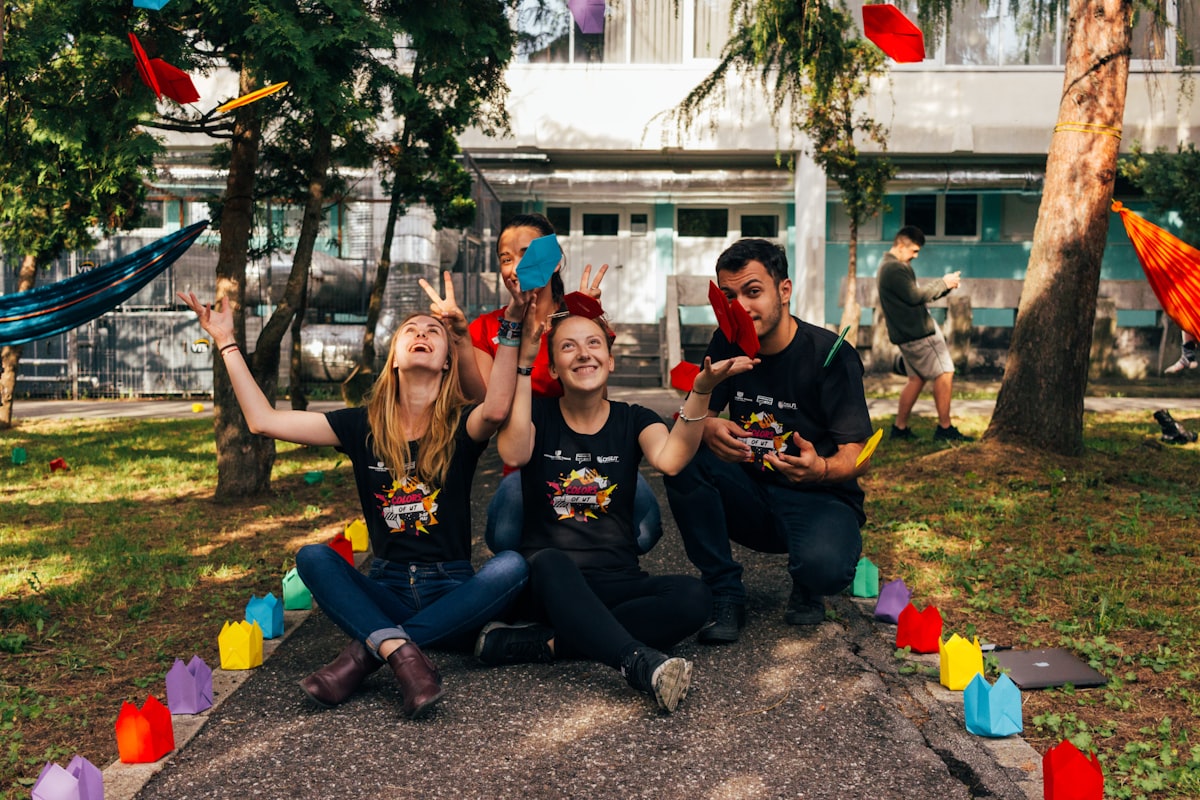
Why Summer Programs Matter
- Try before you commit. A 2–4 week camp reveals whether your child thrives in an English-medium environment.
- Maintain English over summer. Especially important for bilingual or returnee children.
- Get on the school's radar. Not a guaranteed admissions path, but it's a legitimate way to meet staff.
- Fill the long Japanese summer break. Public school breaks (mid-July to late August) align well with camp windows.
Always confirm current dates, ages, and fees on the official school website — camps change annually.
Tokyo Summer Options
ASIJ Summer Day Camp: In 2026, its 52nd season, it ran at ASIJ's Chofu campus for Grades 1–6 and in Roppongi, in four five-day sessions between July 20 and August 14, from 9:30am to 3:30pm. The fee for children not enrolled at ASIJ at Chofu was about ¥126,000 a session. Check sdc.asij.ac.jp for 2027.
BST summer camps: The British School in Tokyo runs age-banded camps that reflect the British calendar and instruction style.
Tokyo International School (TIS) summer: IB-influenced enrichment activities.
Nishimachi: Programs when offered emphasize bilingual balance.
Related: Best international schools in Tokyo · Tokyo neighborhoods
Kobe & Kansai Summer Options
Canadian Academy (Rokko Island): In 2026 CA ran a parent-and-child residential week, June 21–27, for children aged 4 to 12, staying in the school's residence; parents observed IB classes and joined workshops. It cost ¥200,000 for one parent and one child, or ¥300,000 with two children, and was open to residents of Japan only. Check CA's summer page for 2027.
Marist Brothers summer activities: Vary year to year; check with admissions.
St. Michael's summer offerings: Confirm with the school directly.
Osaka schools (OISKG, Senri, Osaka YMCA): Smaller summer components; often more academic than camp-style.
Related: Best international schools in Kobe · Osaka schools guide
Preschool-Age Summer Programs
Younger children (roughly ages 2–6) need a different environment from primary-school camps.
Kobe (Rokko Island): Peter Pan International Preschool runs summer programs alongside its regular classes, which let your child try full days in English before you commit to a year. Canadian Academy's official site mentions its long relationship with Peter Pan.
Disclaimer: Attending Peter Pan (or any preschool camp) does not guarantee admission to Canadian Academy or any other school.
Tokyo preschool summer options vary by ward — most bilingual and international preschools run mini-summer programs, though seats are limited.
Related: Peter Pan Kobe guide · Kobe preschool comparison
How Families Use Summer Strategically
- Testing school fit before applying for a place mid-year
- Bridging a mid-year international move with a familiar English environment
- Preventing "English attrition" for bilingual children in Japanese hoikuen
- Preparing for a September start at an international school by exposing kids to the routine
- Returnee families using summer to reintroduce Japanese peers before school year
See also: Returnee children Tokyo · Bilingual education Kobe
Timing and Booking
| Month | What to do |
|---|---|
| January–February | Camp brochures published; review options |
| February–April | Register for popular camps (they fill first) |
| May | Late registration for less popular slots |
| June | Confirm health forms, uniforms, transport |
| July–August | Attend; observe fit for full-year application |
Rule of thumb: For popular Tokyo and Kobe programs (ASIJ's day camp, Canadian Academy's summer week, Peter Pan's summer sessions), inquire by February for the same summer.
Comparison Table
| Program | Location | Ages | Style |
|---|---|---|---|
| ASIJ Summer Day Camp | Chofu, Tokyo | Broad K–12 range | Camp-style, English-medium |
| CA parent-and-child week | Rokko Island, Kobe | 4–12, with a parent | Residential; parents observe IB classes |
| BST Summer | Tokyo | Age-banded | UK-style |
| Peter Pan Summer | Rokko Island | Preschool ages | English immersion play |
| Osaka schools | Osaka | Varies | Smaller, more academic |
Always verify current age bands, dates, and fees on each school's site.
FAQ
Do international school summer programs help admissions? They can help you evaluate fit and meet staff, but attendance is not an admissions pathway. Schools decide by their formal process.
When should we register for summer camps in Japan? By February for popular Tokyo and Kobe programs. Some fill within weeks of opening.
Are summer programs open to non-enrolled children? Yes, for most. ASIJ's day camp, BST's camps and Peter Pan's summer sessions usually accept outside families; Canadian Academy's 2026 week was for residents of Japan. Confirm on each site.
What summer programs exist for 2-year-olds in Kobe? Peter Pan International Preschool on Rokko Island runs preschool-age summer sessions. Attendance does not guarantee CA admission.
How much do summer programs cost in Japan? It varies widely. As examples from 2026, ASIJ's day camp cost about ¥126,000 for a five-day session for children not enrolled at ASIJ, and Canadian Academy's residential parent-and-child week cost ¥200,000 for one parent and one child. Check each school's own page.
Can we use summer camp to try schools before moving to Japan? Yes, and many overseas families do. Book accommodation and transport early — Rokko Island and Chofu have specific logistics.
Related guides
Preschool & Early Education
Childcare and Schools for Doctors' Families in Kobe
Preschool & Early Education
Peter Pan vs Kinder Kids vs Shukugawa: Comparing International Preschools in Kobe and Hanshin (2026)
Preschool & Early Education
When to Start English Preschool in Japan: Is Age 2 Too Late? (2026)

Preschool & Early Education
Peter Pan International Preschool Kobe: Our Visit Report

Stay current
Admissions details change. We will tell you when.
Fees, application windows and year-group availability move every cycle, and schools rarely announce it loudly. One email when something in these guides changes, plus new guides as they publish.
No schools pay to appear in these guides. Unsubscribe whenever you like.
Who wrote this
The Standard Japan editorial desk
The Standard Japan is run from Japan. No school pays to appear in these guides. We check facts against primary sources and update pages when official information changes.