
International Schools
日本語Best International Schools in Tokyo: A Parent's Guide (2026)
ASIJ, BST, Nishimachi, Seisen, and more — how Tokyo's international school market works for expat and bilingual families.
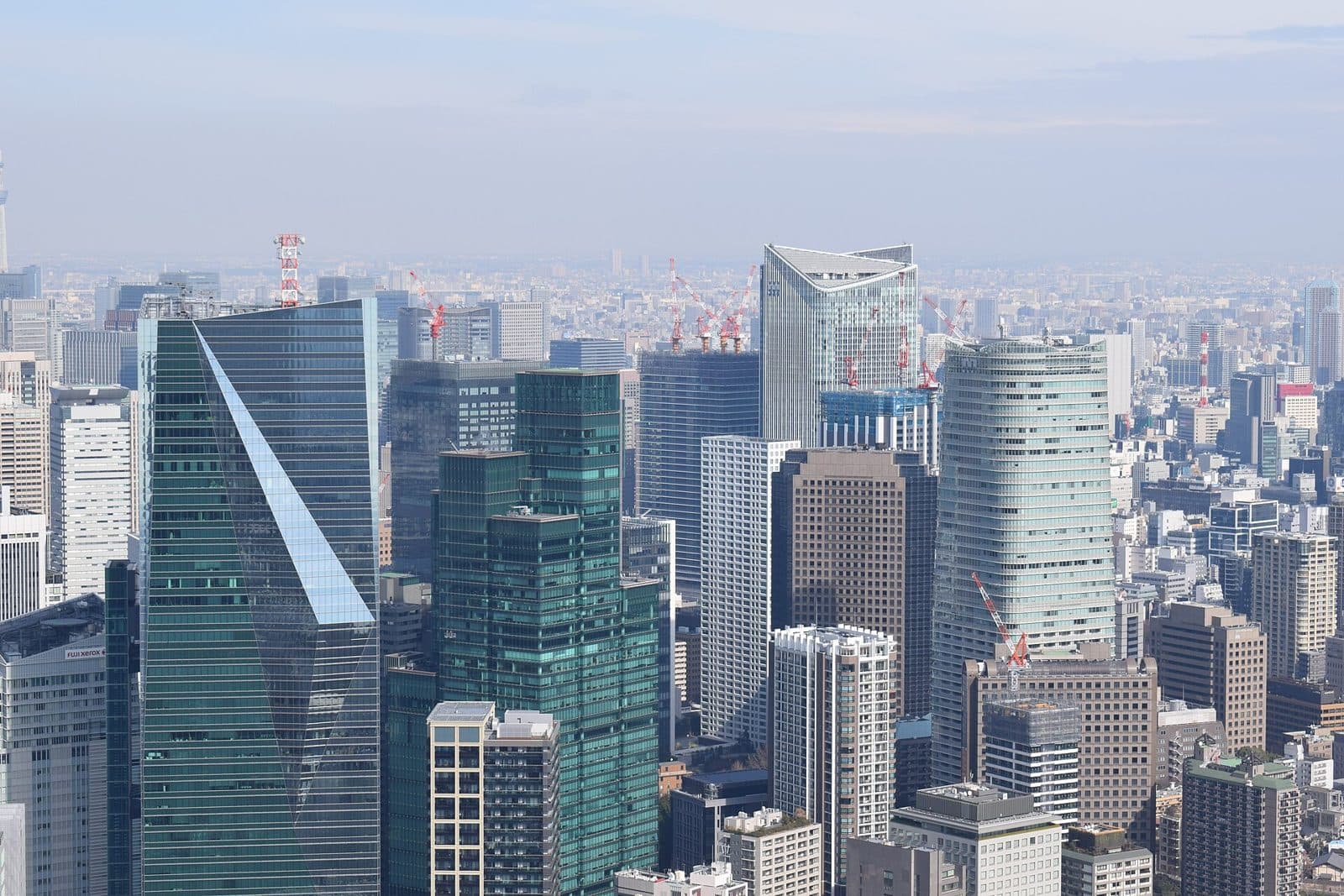
Tokyo is where most families start their Japan school search — and for good reason. The capital has more international schools than any other city in the country, spanning American, British, IB, and religious-affiliated programs across central Tokyo, Yokohama, and western suburbs.
Tokyo's international schools at a glance
Scale: Dozens of established programs; competitive admissions in popular grades.
Who attends: Diplomatic families, corporate expats, entrepreneurs, returnees, and Japanese families seeking international pathways.
Calendar: Most follow August/September starts; confirm each school.
Language: English-medium is standard; Japanese classes vary in depth.
National context: Best international schools in Japan
Schools Families Often Research
This is not a ranking. Confirm vacancies, fees, and grade placement on each school's site. Addresses below are from school contact pages.
American School in Japan (ASIJ)
A non-profit, co-ed American-curriculum school since 1902: nursery through high school, with AP in high school. ASIJ states its student body comes from 59 countries.
Two campuses:
- Early Learning Center: 6-16-5 Roppongi, Minato-ku, Tokyo 106-0032. Tel 03-5771-4344
- Chofu: 1-1-1 Nomizu, Chofu-shi, Tokyo 182-0031. Tel 0422-34-5300
Official site: asij.ac.jp. Fees and admissions: see our ASIJ guide.
The British School in Tokyo (BST)
Curriculum based on the National Curriculum for England, ages 3–18. Two campuses, with a clear age split on the school's campus pages:
- Azabudai Hills (opened 28 August 2023): Nursery (age 3) through Year 6 (age 11). 1-3-3 Azabudai, Minato-ku, Tokyo 106-0041. Tel +81 3-5544-9160
- Showa Campus: Year 7 (age 12) through Year 13 (age 18), on Showa Women's University's 5th Building. 1-7-57 Taishido, Setagaya-ku, Tokyo 154-8533. Tel +81 3-3411-4211
Official site: bst.ac.jp
Other Tokyo names families research
Nishimachi International School — bilingual Japanese/English emphasis in elementary; central Tokyo.
Seisen International School — girls' international education (confirm current grade bands).
International School of the Sacred Heart — long-established Tokyo option.
St. Mary's International School — Catholic boys' school in Setagaya, kindergarten to Grade 12, with the IB Diploma. See our St. Mary's guide.
Tokyo International School (TIS) — IB pathway for families who want IB continuity; it opens Grade 12 for the first time in 2026–27.
Yokohama is a separate Greater Tokyo market: Yokohama international schools. Other assignment cities: Nagoya, Fukuoka, Osaka, Kobe.
Location and Commute
Tokyo commutes are long. Choose between:
- Living near school (Minato, Setagaya, western Tokyo suburbs)
- Central living + train commute (higher daily stress for young children)
Map school location before signing a lease. See also our moving to Tokyo guide for neighborhood context.
Admissions and Timing
- Apply 12–18 months ahead for competitive grades when possible
- Prepare school records, recommendations, and English assessments if required
- Visit open days — culture fit matters as much as curriculum
Read: How to choose an international school in Japan
Moving from Tokyo to Kobe or Kansai
Families relocating from Tokyo to Kobe often find the international school market smaller but community-focused. In Kobe, Canadian Academy and Marist Brothers International School are well-known options. For younger children, an English-speaking preschool such as Peter Pan International Preschool on Rokko Island may be one option to consider before full international school enrollment.
Guides:
- Best international schools in Kobe
- Best international preschools in Kobe
- Moving to Kobe with children
Comparison Table
| School (examples) | Curriculum leaning | Location notes | Best for |
|---|---|---|---|
| ASIJ | American, AP | Roppongi ELC (nursery) + Chofu | US university pathway, large community |
| BST | National Curriculum for England | Azabudai Hills (Nursery–Y6); Showa (Y7–Y13) | UK-influenced education |
| Nishimachi | Bilingual JP/EN | Central | Strong Japanese + English foundation |
| Seisen | International (girls) | Tokyo | Girls' education focus |
| TIS | IB | Tokyo | IB continuity |
FAQ
What are the best international schools in Tokyo? ASIJ, BST, Nishimachi, and Seisen are among the most searched names. The best fit depends on curriculum, gender policy (where applicable), location, and admissions availability.
How much do Tokyo international schools cost? Often among Japan's highest — frequently ¥2.5M–¥4.5M+ annually at secondary levels, plus fees. Request full schedules.
Can my child enter without fluent English? Many schools offer EAL support; requirements vary by age. Younger entry is often easier.
Should we choose Tokyo or Kobe for international school? Tokyo for maximum choice; Kobe for lifestyle, community, and shorter commutes in Kansai. Compare Osaka and Kobe if considering Kansai. Chubu and Kyushu assignments start with Nagoya and Fukuoka.
Is preschool required before Tokyo international school? Not required, but common for English exposure. In Kobe, see international preschool options.
Related guides
International School Guides
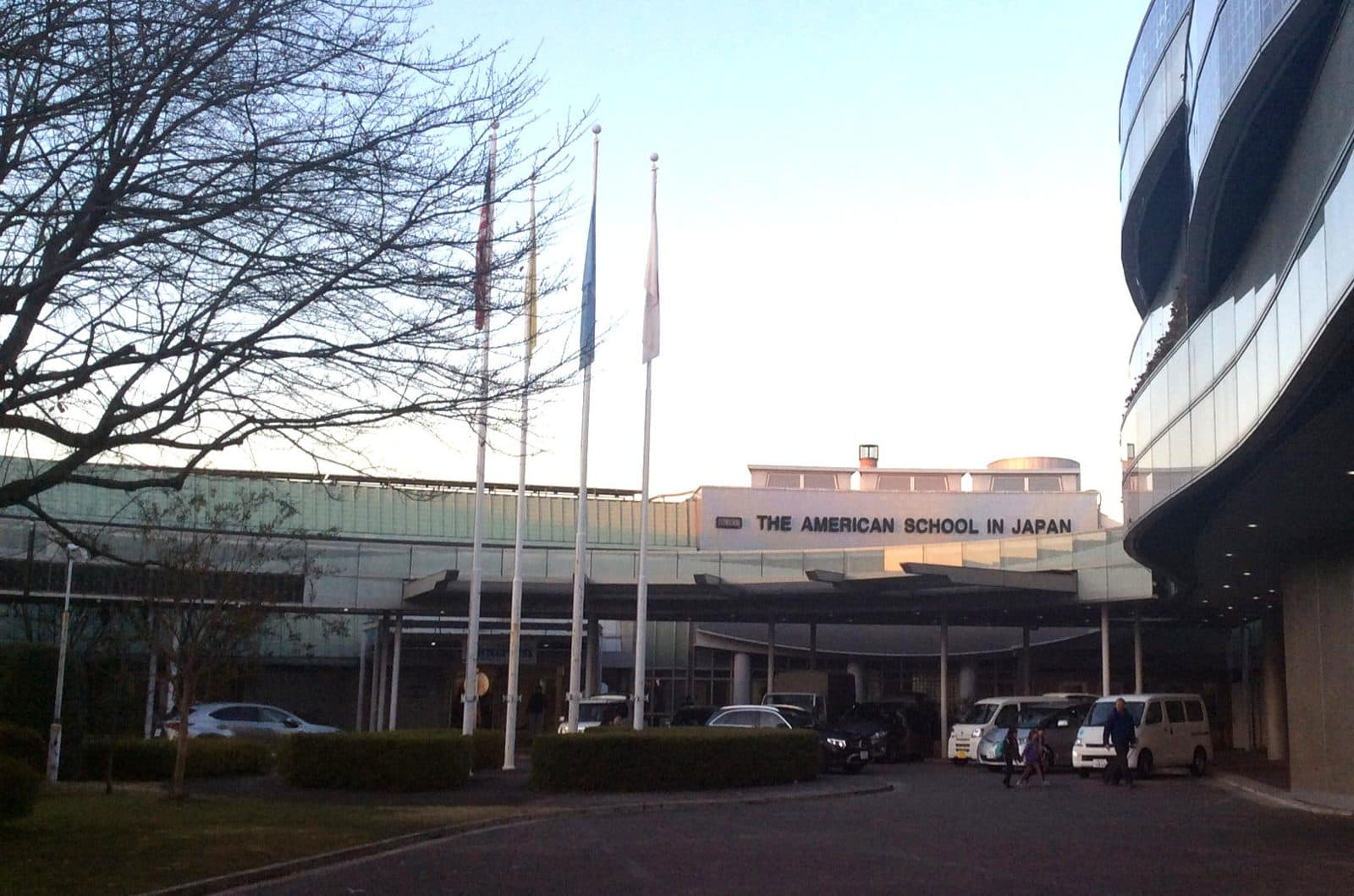
The American School in Japan (ASIJ): A Guide for Parents
International School Guides
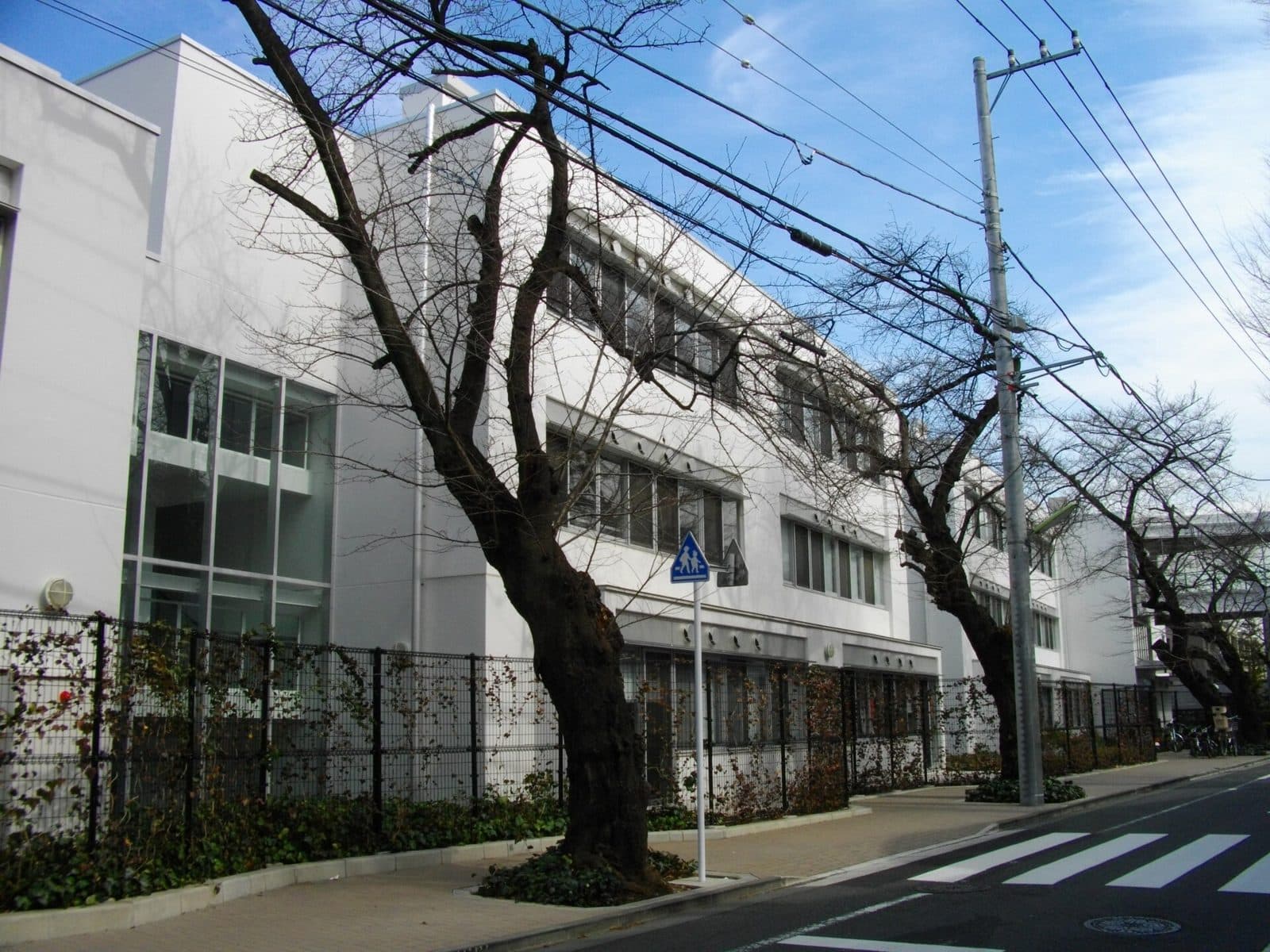
St. Mary's International School Tokyo: A Guide for Parents
International School Guides
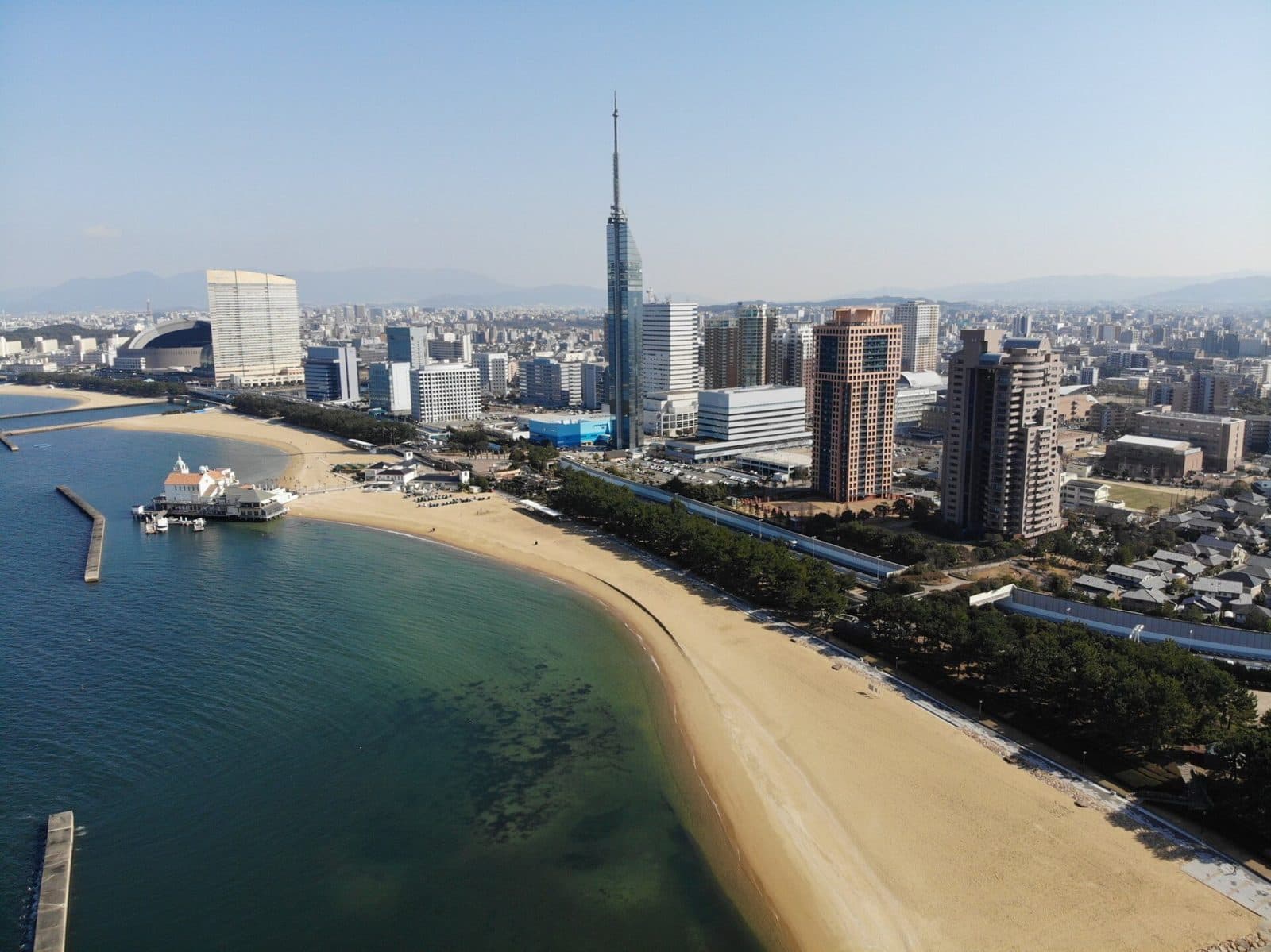
Best International Schools in Fukuoka: A Parent's Guide (2026)
International School Guides
Best International Schools in Nagoya: A Parent's Guide (2026)
Stay current
Admissions details change. We will tell you when.
Fees, application windows and year-group availability move every cycle, and schools rarely announce it loudly. One email when something in these guides changes, plus new guides as they publish.
No schools pay to appear in these guides. Unsubscribe whenever you like.
Who wrote this
The Standard Japan editorial desk
The Standard Japan is run from Japan. No school pays to appear in these guides. We check facts against primary sources and update pages when official information changes.