
International Schools
日本語St. Michael's International School Kobe: A Parent's Guide (2026)
What parents should know about St. Michael's International School in Kobe: curriculum, community, admissions, and how it compares with CA and Marist.
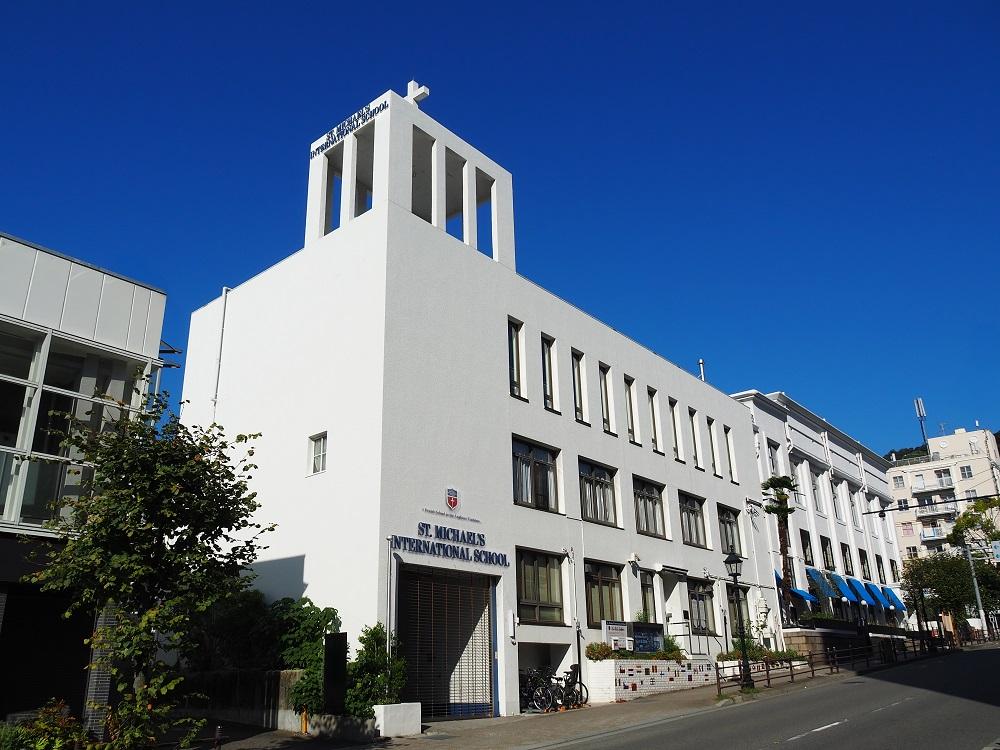
If you are comparing international schools in Kobe, three names keep coming up: Canadian Academy, Marist Brothers and St. Michael's International School. This guide is about St. Michael's, the small primary school in central Kobe. It is often the one families find once they look beyond Rokko Island, and for a child aged 3–11 who would do well in a small, British-style school, it deserves a visit in its own right.
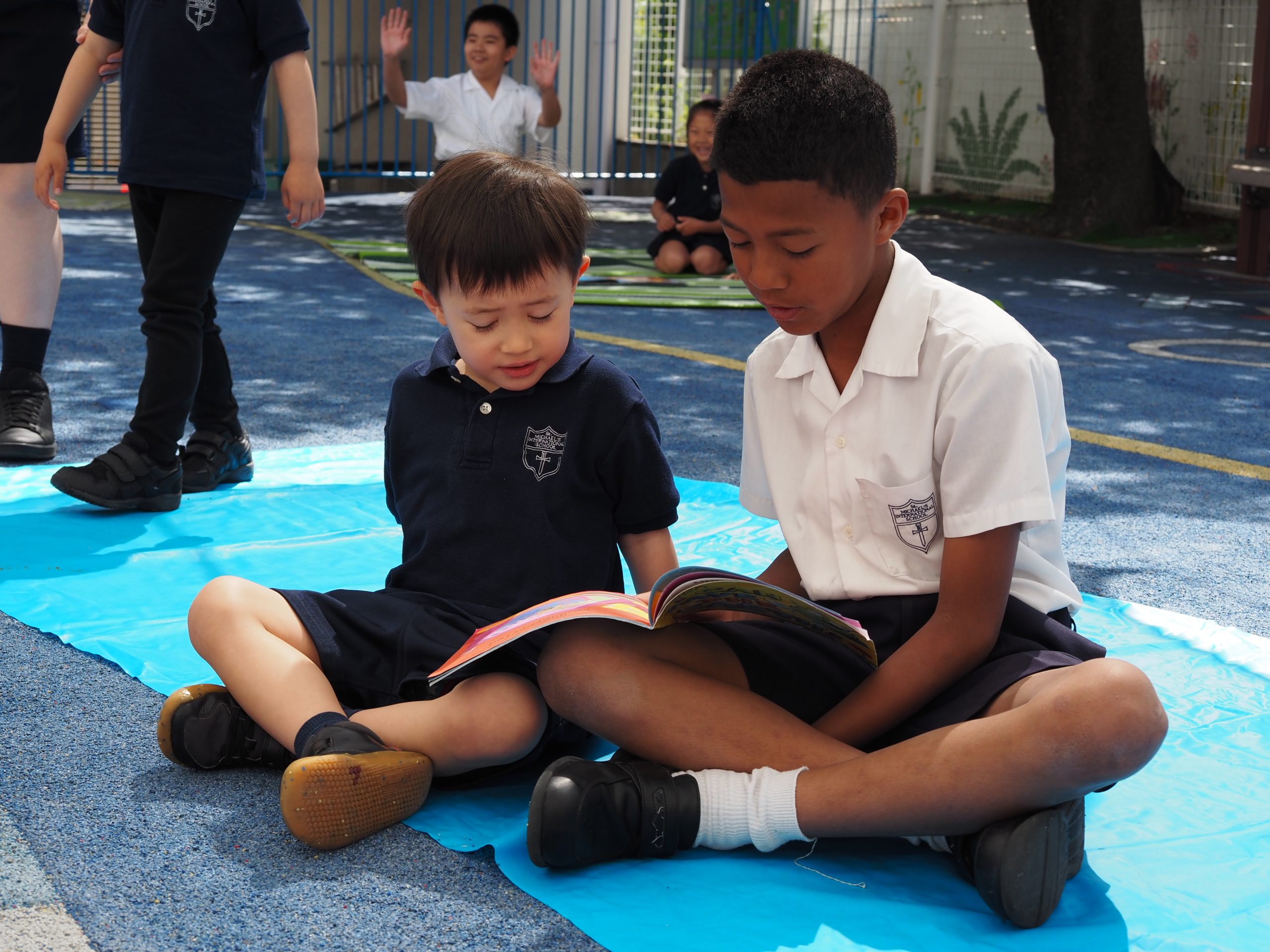 St. Michael's students reading together in the school playground
Who St. Michael's is
St. Michael's International School was founded in 1946, which makes it one of Kobe's older English-medium international schools, and it is the only IPC-accredited school in Japan. Its families are a mix of foreign residents, returnees and internationally minded Japanese parents who want a British-style primary education away from the Rokko Island schools.
St. Michael's only goes up to age 11, so you need a plan for secondary school from the start. Most children move on to Canadian Academy, Marist Brothers or another secondary programme. Check current programmes, age bands and fees on the school's official website.
School profile
- Founded: 1946, one of the older international schools in the Kobe area
- Language: English
- Location: 3-17-2 Nakayamate-Dori, Kobe, in central Kobe (confirm current details with the school, as addresses and facilities can change)
- Ages: 3–11, primary only. Unlike Canadian Academy and Marist Brothers, there is no secondary school
- Size: small on purpose, with roughly 160 students and 20 teaching staff. The school calls itself "the small school with the big heart"
- Affiliation: Anglican church
- Curriculum: British. The National Curriculum for England and Wales for English and maths, taught through the International Primary Curriculum (IPC). St. Michael's is the only IPC-accredited school in Japan and holds joint accreditation from the Council of International Schools (CIS) and the Western Association of Schools and Colleges (WASC)
Overview: Best international schools in Kobe
Location and commute
The central Kobe location is the big practical advantage if a daily trip to Rokko Island doesn't work for you.
| Home area | Commute to St. Michael's | Commute to CA (Rokko Island) |
|---|---|---|
| Central Kobe | Often shorter | Moderate |
| Ashiya / Nishinomiya | Feasible | Often shorter to CA |
| Rokko Island | Longer | Short |
For routes, see the Kobe school commute guide.
How St. Michael's compares with CA and Marist
| Factor | St. Michael's | Canadian Academy | Marist Brothers |
|---|---|---|---|
| Location | Central Kobe (Nakayamate-Dori) | Rokko Island | Suma-ku, Kobe |
| Founded | 1946 | — | 1951 |
| Grade range | Ages 3–11 only (primary) | K–12 | Early Years–12 |
| Scale | ~160 students, 20 teachers | Larger | Mid-size |
| Curriculum | British (National Curriculum + IPC) | IB | IB (PYP, MYP, DP); WASC |
| Community | Small, Anglican-affiliated | Large international community | Catholic-affiliated |
| Before school | Starts at age 3 | Rokko Island preschools (e.g. Peter Pan) at 2 | Own Early Years |
On Rokko Island, many families heading for CA start at Peter Pan International Preschool at age two. CA itself acknowledges a long relationship with it, and it is the preschool we liked most on our visits. St. Michael's takes children from three, so if you are aiming there you can start at the school itself. Either way, no preschool guarantees a place at any school.
Preschool comparison · Peter Pan guide
Preschool before St. Michael's
Some English before primary school helps whichever Kobe school you are aiming for. The usual routes are an English immersion preschool (on Rokko Island if CA is the goal), a bilingual hoikuen or yochien, or English at home while you apply. Because St. Michael's starts at age three, many families simply begin there.
Best international preschools in Kobe
Questions to ask on a visit
- Is there a place in your child's year now, and what is the waiting list like?
- How big are the classes, and what learning support is there?
- Where do children usually go after age 11, and how does the school help with that move?
- What after-school activities and bus options are there?
- What is the full fee schedule, including registration and capital levies?
The Canadian Academy school visit guide has a fuller checklist that works for any school.
Which school suits whom
| School | Best for |
|---|---|
| St. Michael's | Families in central Kobe who want a small, established English-medium primary school |
| Canadian Academy | Families on or near Rokko Island who want one school from early years to graduation |
| Marist Brothers | Families who want a Catholic-affiliated international school in western Kobe |
FAQ
What is St. Michael's International School in Kobe? A small, long-established English-medium primary school for ages 3–11 in central Kobe, usually compared with Canadian Academy and Marist Brothers.
Is St. Michael's better than Canadian Academy? They suit different families. Location, size, curriculum and age range are all different, so visit both.
Can I commute to St. Michael's from Ashiya? Usually, yes. Try your own route at school-run time before you decide.
Does St. Michael's have a relationship with Peter Pan preschool? No. There is no official link like the one CA describes with Peter Pan. Choose a preschool based on the school you are aiming for and where you live.
How do I apply? Contact the admissions office directly, and see our application checklist.
Related guides
International School Guides
The American School in Japan (ASIJ): A Guide for Parents
International School Guides
St. Mary's International School Tokyo: A Guide for Parents
International School Guides
Best International Schools in Fukuoka: A Parent's Guide (2026)
International School Guides
Best International Schools in Nagoya: A Parent's Guide (2026)
Stay current
Admissions details change. We will tell you when.
Fees, application windows and year-group availability move every cycle, and schools rarely announce it loudly. One email when something in these guides changes, plus new guides as they publish.
No schools pay to appear in these guides. Unsubscribe whenever you like.
Who wrote this
The Standard Japan editorial desk
The Standard Japan is run from Japan. No school pays to appear in these guides. We check facts against primary sources and update pages when official information changes.