
International Schools
日本語Best International Schools in Japan: A Parent's Guide (2026)
Compare international schools across Tokyo, Yokohama, Kobe, Osaka, Nagoya, Fukuoka, Kyoto, and more — curricula, costs, and how families choose.

Japan has one of Asia's largest international school markets. For parents relocating from abroad — or Japanese families considering bilingual education — the first challenge is not finding a school, but understanding how Tokyo, Kansai, and regional cities differ in scale, curriculum, and community.
How International Schools in Japan Work
Most international schools in Japan are private, English-medium (or multilingual) institutions serving:
- Expat families on assignment
- Returnee (帰国) children
- Japanese families seeking international pathways
They are not part of the Japanese public school system. Admissions, fees, and calendars are set by each school. Many follow Northern Hemisphere academic years (August or September start).
Accreditation varies — WASC, CIS, IB authorization, and others. Always verify on official school sites.
Major Cities and School Hubs
| City / Region | Market size | Notable schools (examples) | Best for |
|---|---|---|---|
| Tokyo | Largest | ASIJ, BST, Nishimachi, Seisen, TIS | Maximum choice, competitive admissions |
| Yokohama | Large | Saint Maur, YIS area schools | Families south of central Tokyo |
| Kobe | Focused | Canadian Academy, Marist Brothers, St. Michael's | Community feel, Rokko Island lifestyle |
| Osaka | Medium | OYIS (Nakatsu + Tosabori), OIS and Senri in Minoh | Kansai urban hub |
| Kyoto | Smaller | Kyoto International School area options | Culture, smaller expat base |
| Nagoya | Smaller | Nagoya International School (Moriyama); AIS; NIC boarding in Nisshin | Chubu assignments |
| Fukuoka | Smaller | Fukuoka International School (Momochi); Linden Hall (Dazaifu / Chikushino) | Kyushu assignments |
Deeper guides:
- Best international schools in Tokyo
- Best international schools in Kobe
- Best international schools in Osaka
- Best international schools in Nagoya
- Best international schools in Fukuoka
- Kyoto international schools
- Yokohama international schools
Curriculum Types Explained
IB (International Baccalaureate) — PYP, MYP, DP pathway; globally recognized; strong for internationally mobile families.
American-style — Often aligned with US standards; AP courses at high school level at some schools.
British-style — UK-influenced curriculum; IGCSE / A-Level pathways at some institutions.
Religious and other schools. Some schools have a religious foundation, such as Catholic schools. Note that Canadian Academy in Kobe is named after its founders but teaches the IB, not a Canadian curriculum.
Religious-affiliated international — Some schools have Catholic or other affiliations with international programs.
Match curriculum to university destinations (US, UK, Japan, global) — not just prestige.
Cost Overview
International school fees in Japan vary widely:
| Level | Typical annual range (¥) | Notes |
|---|---|---|
| Preschool / early years | ¥1,000,000 – ¥2,500,000+ | Varies by days and program |
| Elementary | ¥2,000,000 – ¥3,500,000+ | Often plus registration, bus, activities |
| Secondary | ¥2,500,000 – ¥4,500,000+ | Top-tier Tokyo schools at higher end |
Add: registration fees, facility fees, bus, uniforms, trips. Always request a full fee schedule.
How to Compare Schools
Use our how to choose an international school in Japan checklist. Core factors:
- Age and entry grade — waitlists differ by year
- English level support for new learners
- Japanese language program — important for long-term residents
- Commute — daily quality of life matters
- Community — parent network, nationality mix
- University counseling — if approaching high school
Also read International school vs Japanese school if you are still deciding pathways.
City Guides (Deeper Reading)
Kobe & preschool pathways: Families in Rokko Island, Ashiya, and Nishinomiya often pair international preschool with later school choice — see preschool before Canadian Academy.
Other assignment cities: Nagoya · Fukuoka · Kyoto
Relocating: Moving to Kobe with children · Rokko Island family guide
FAQ
What are the best international schools in Japan? There is no single national winner. Tokyo has the most options; Kobe and Osaka serve Kansai; Nagoya and Fukuoka each centre on one IB day school. Compare curriculum, location, and fit for your child.
How much do international schools cost in Japan? Often ¥2,000,000–¥4,000,000+ per year depending on city and grade, plus extras. Preschool is typically lower but still significant.
Do international schools teach Japanese? Most offer Japanese classes or programs at varying intensity. Confirm if Japanese literacy is a priority for your family.
Can Japanese children attend international schools? Yes. Many schools welcome Japanese nationals; admissions assess English readiness and family fit.
Is IB better than American curriculum in Japan? Neither is universally better. IB suits globally mobile families; American pathways suit US university goals. Match to your child's future plans.
Where should we live in Japan for international schools? Near your chosen school or along a sustainable commute. Tokyo for maximum choice; Kobe/Osaka for Kansai lifestyle and community.
Related guides
International School Guides
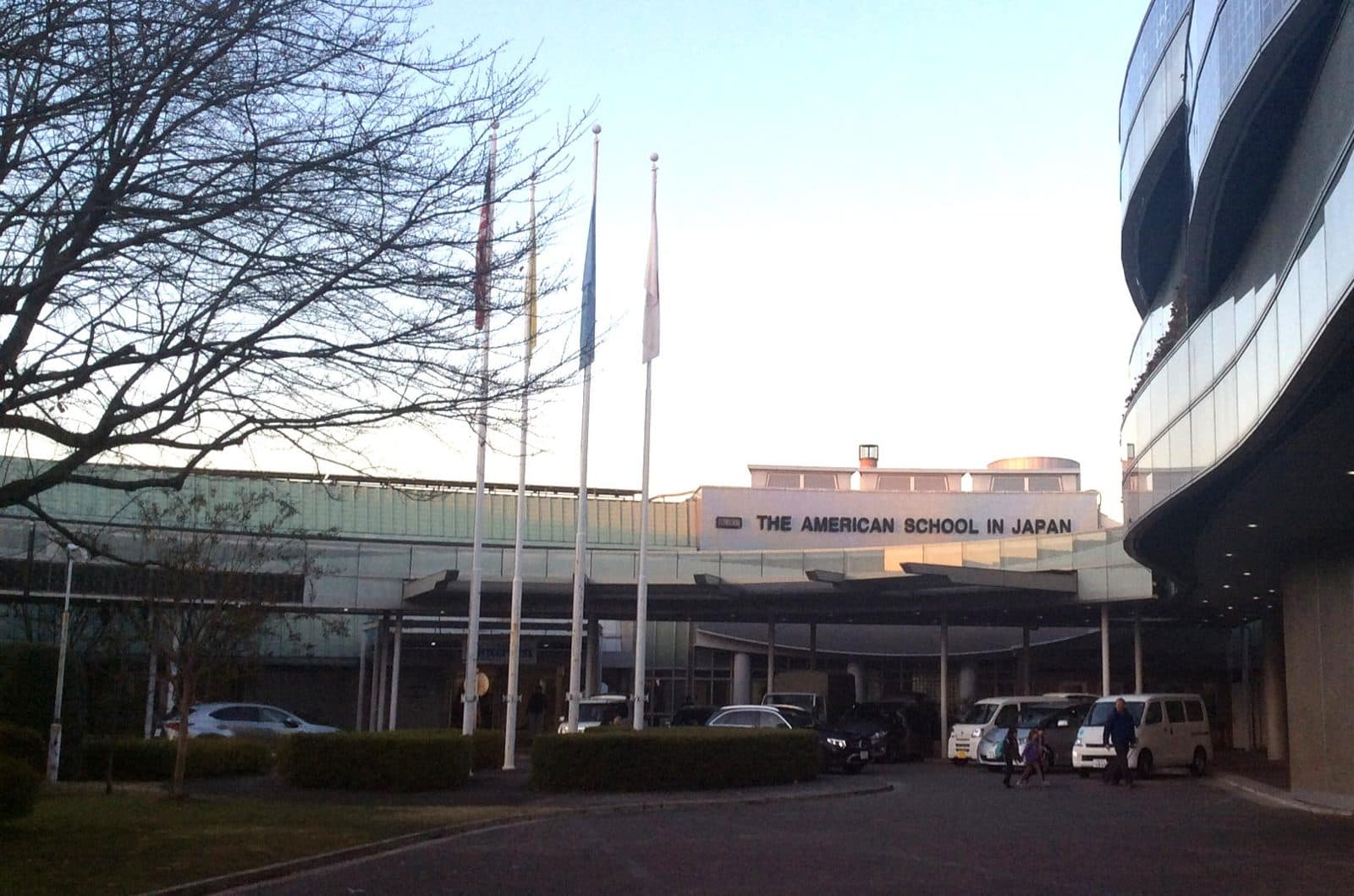
The American School in Japan (ASIJ): A Guide for Parents
International School Guides
St. Mary's International School Tokyo: A Guide for Parents
International School Guides
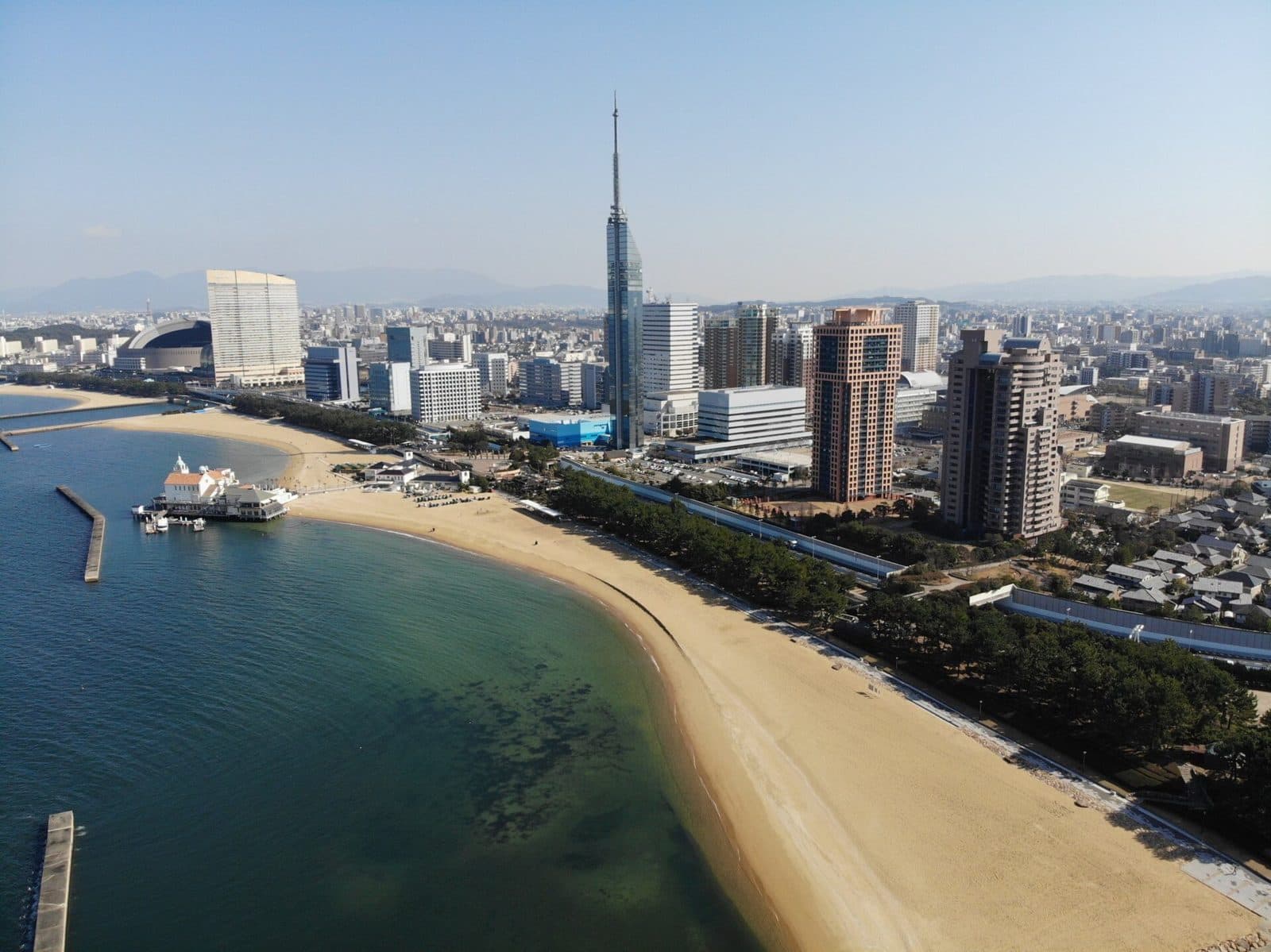
Best International Schools in Fukuoka: A Parent's Guide (2026)
International School Guides
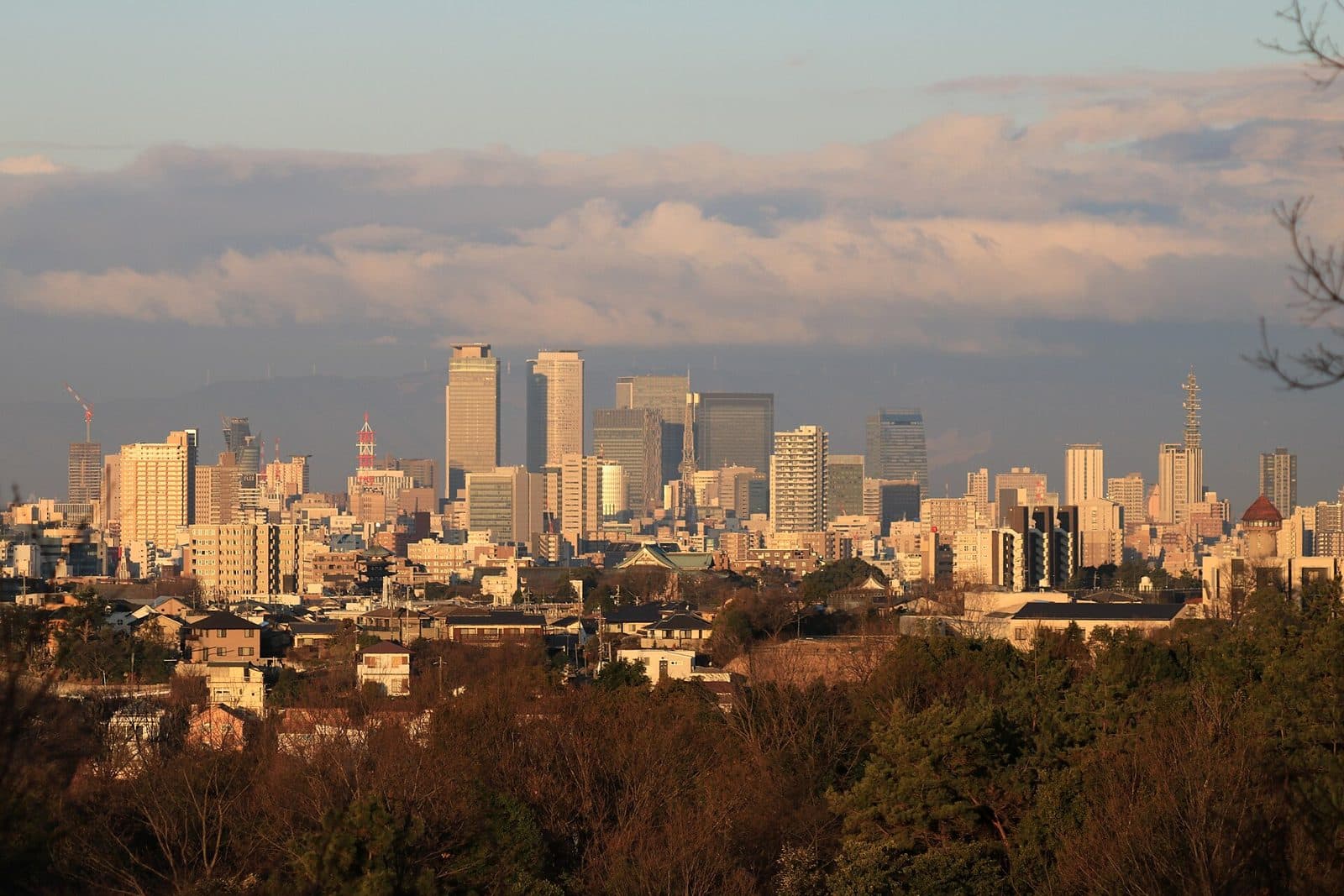
Best International Schools in Nagoya: A Parent's Guide (2026)
Stay current
Admissions details change. We will tell you when.
Fees, application windows and year-group availability move every cycle, and schools rarely announce it loudly. One email when something in these guides changes, plus new guides as they publish.
No schools pay to appear in these guides. Unsubscribe whenever you like.
Who wrote this
The Standard Japan editorial desk
The Standard Japan is run from Japan. No school pays to appear in these guides. We check facts against primary sources and update pages when official information changes.