
Moving with Children
日本語Hoikuen vs Yochien in Japan: Daycare, Kindergarten and Costs
Hoikuen or yochien? How Japan's daycares and kindergartens differ in hours, ages, applications and costs, and how families on waitlists find a place.
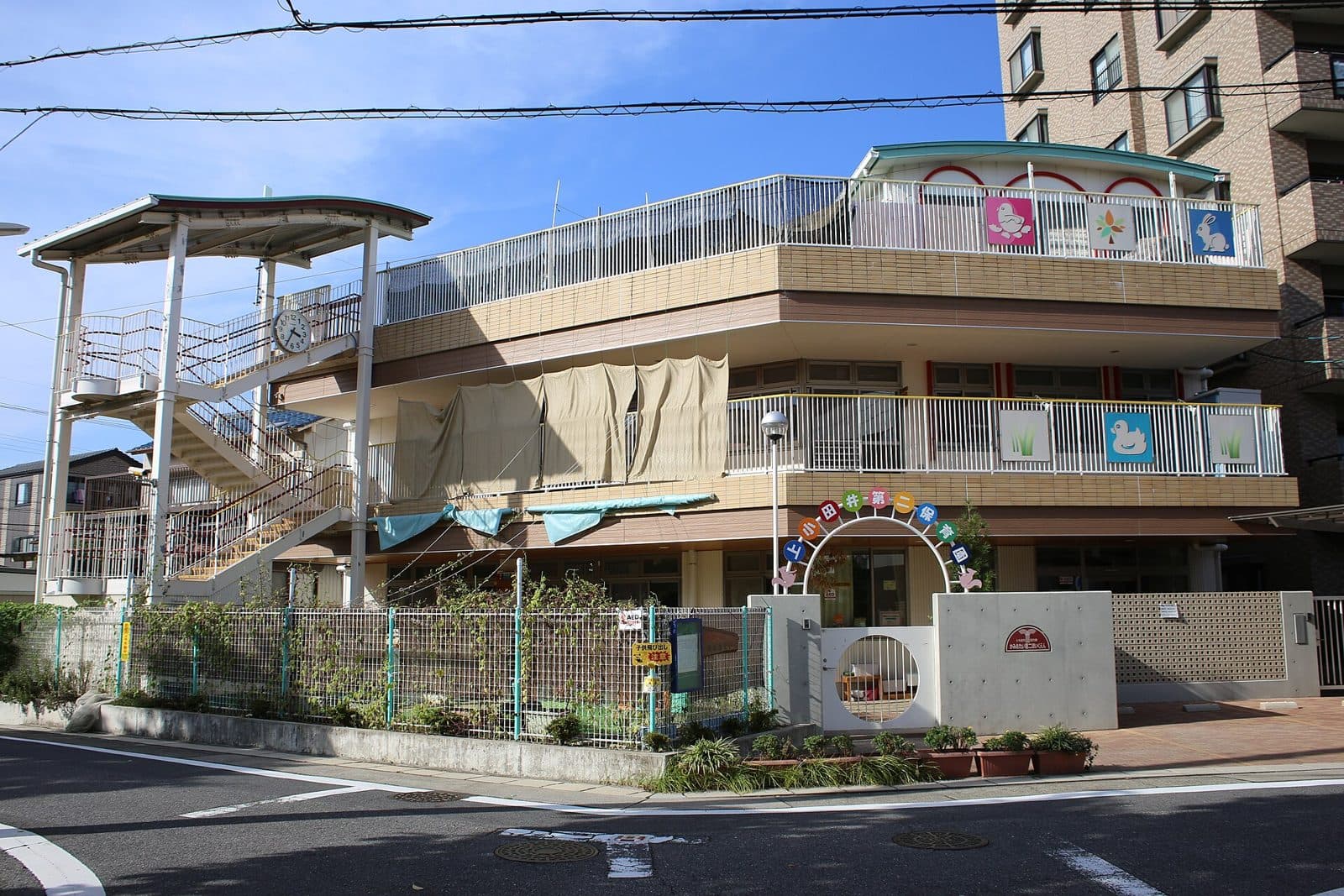
Procedures and fees are set by each city or ward. This guide explains how the system works; check your municipality's own childcare pages for its dates, forms and fees.
If you are moving to Japan with a young child, the first childcare decision is usually between a hoikuen (daycare) and a yochien (kindergarten). They differ in who they are for, how long the day is, how you apply and what they cost.
The quick comparison
| Hoikuen (保育園, daycare) | Yochien (幼稚園, kindergarten) | |
|---|---|---|
| Ages | From babies (often from about 2 months) to 5 | 3 to 5 |
| Typical day | About 7:00–18:00, longer with extended care | About 9:00–14:00, plus extended care at many schools |
| Who can use it | Families who need daytime care, usually because both parents work | Any family |
| How you apply | Through your city or ward office | Directly to each kindergarten |
| Cost, ages 3–5 | Free (meals and extras charged) | Free up to ¥25,700 a month (extras charged) |
| Cost, under 3 | Set by your municipality, based on household income | Not applicable |
A nintei kodomo-en (認定こども園) is a combined facility that works as both, so it can take children of working and non-working parents.
Hoikuen: daycare for working families
Licensed daycare (認可保育所) is run or overseen by your municipality. To use it, you need a certificate that your child needs care (保育の必要性の認定), which usually means both parents work at least a minimum number of hours a month, set locally, or have another reason such as illness or study.
How applications work:
- Register your address at your city or ward office after you move in.
- Check the application round. For an April start, the main round is usually in the autumn of the year before; places that open mid-year are offered monthly. Dates vary, so check your ward's schedule as soon as you know where you will live.
- Apply with your documents, usually proof of work hours from each parent's employer, and a list of the daycares you would accept, in order of preference.
- The ward ranks families by points based on work hours, family situation and other local rules, and offers places in that order.
If you are put on a waitlist:
- List several daycares within a realistic commute, not just one favorite.
- Ask the ward about licensed small-scale daycares (小規模保育) for under-threes and about unlicensed (認可外) daycares, which you apply to directly.
- Plan back-up care and keep your details up to date with the ward, especially if you move within it.
Waitlists are longest in big cities and for children under three. Moving from abroad mid-year is possible, but places are scarcer than in April.
Yochien: kindergarten from age three
Kindergartens follow the school year, starting in April, and take children from the April after they turn three for three years, before elementary school. You apply directly to each kindergarten; for private kindergartens, applications for April often open in the autumn of the year before, so visit open days early.
The day is shorter than at a daycare, and parents are usually more involved, with events, packed lunches at some schools and parent groups. Many kindergartens now offer extended care (預かり保育) after the school day and in the holidays, which can make them workable for working parents too.
What it costs
Since October 2019, preschool for children aged three to five has been free:
- At licensed daycares, nintei kodomo-en and kindergartens in the government scheme, the basic fee is free.
- At other kindergartens, it is free up to ¥25,700 a month.
- Meals, transport, events and materials are still paid by parents.
For children under three, daycare fees are set by your municipality according to household income, and are free for households exempt from residence tax.
How to choose
- Your work schedule. If both parents work full days, a daycare or a kindergarten with reliable extended care is the realistic choice.
- The commute. Map the actual route from home to childcare to work at rush hour.
- Your child. Daycare suits long days and naps; kindergarten has a more structured, school-like routine.
- What is available nearby. In big cities, availability often decides for you, which is why it pays to apply early and widely.
If you want an English-language setting instead, see international preschools in Kobe and when to start English preschool.
FAQ
What is the difference between hoikuen and yochien? A hoikuen is a daycare for children from babies to age five, open long hours for working families; a yochien is a kindergarten for ages three to five, with shorter days and a school-like routine.
Can foreign residents apply for hoikuen? Yes. Eligibility depends on your need for daytime care, not nationality. You apply through your city or ward office after registering your address.
When should we apply for an April start? Usually in the autumn of the year before. Check your ward's application schedule as soon as you know where you will live.
Is preschool free in Japan? For children aged three to five, yes: the basic fee is free at daycares and kindergartens, with kindergartens covered up to ¥25,700 a month. Meals and extras are charged.
What if we don't get a daycare place? Apply to several daycares, ask the ward about small-scale and unlicensed options, and arrange back-up care while you wait.
Related guides
Moving to Japan with Children
Moving to Osaka with Children: The Family Relocation Guide (2026)
Moving to Japan with Children
Moving to Kobe on a Sports Contract: Schools for Your Kids
Moving to Japan with Children
Returnee Children in Tokyo: School Options for Kikokushijo Families (2026)

Moving to Japan with Children
Japan Child Allowance (Kodomo Teate): Amounts and Payment Dates

Stay current
Admissions details change. We will tell you when.
Fees, application windows and year-group availability move every cycle, and schools rarely announce it loudly. One email when something in these guides changes, plus new guides as they publish.
No schools pay to appear in these guides. Unsubscribe whenever you like.
Who wrote this
The Standard Japan editorial desk
The Standard Japan is run from Japan. No school pays to appear in these guides. We check facts against primary sources and update pages when official information changes.