
City Guide
日本語Education for Dual-Career Professional Families in Kobe (2026)
For families where both parents work full schedules, the deciding factor is usually hours and logistics, not curriculum. A practical comparison of extended care, bus routes, and pickup windows across Kobe's main school options.
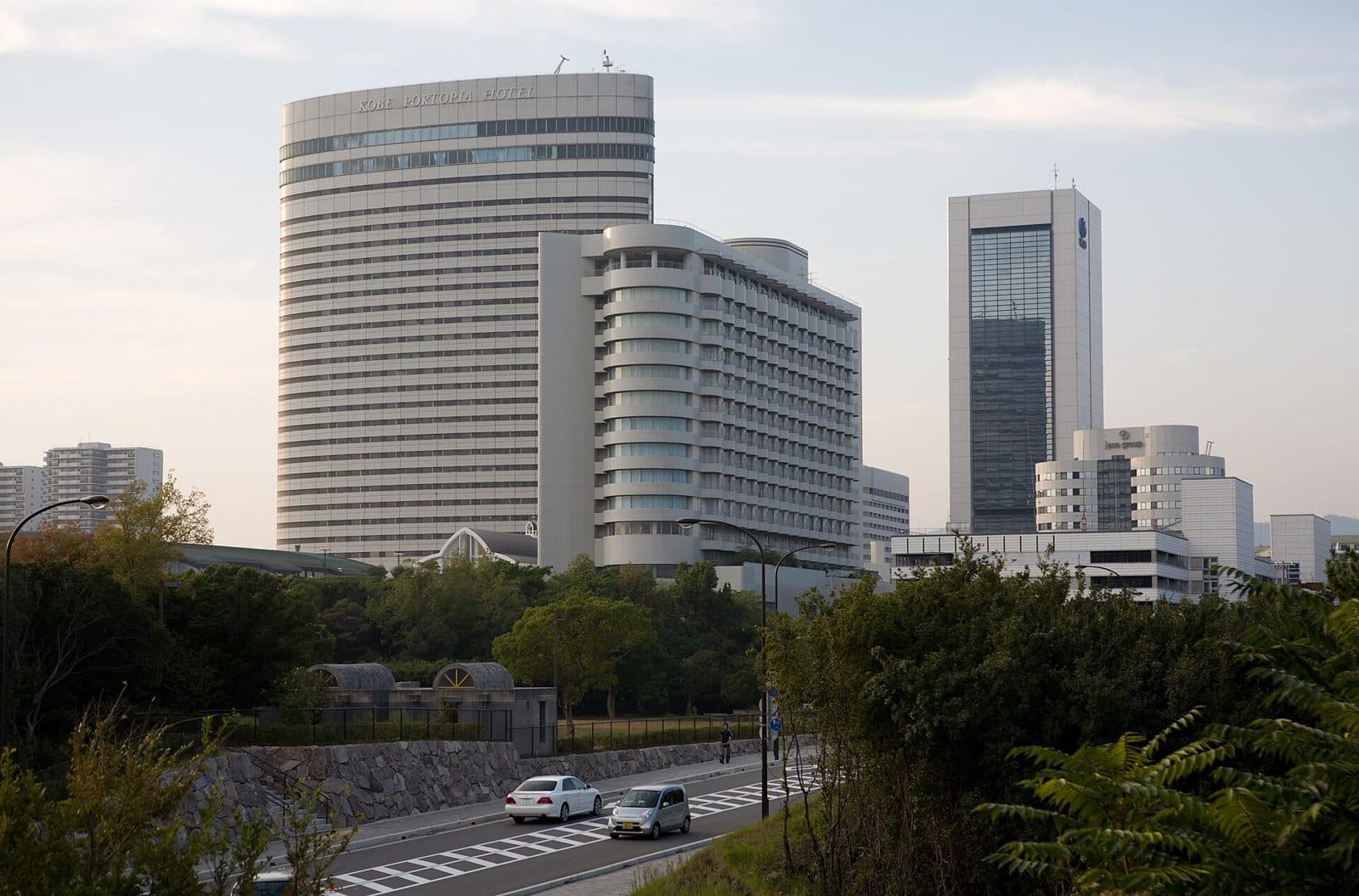
Curriculum comparisons dominate most school-choice content, but for a genuinely dual-career household — both parents working full schedules, neither reliably free for a 2:30pm pickup — the deciding factor is usually logistics: how late does aftercare run, does a bus route reach your neighborhood, and how much slack is built into the pickup window when a meeting runs long.
What Actually Changes the Calculus
Extended care hours — The gap between a school's academic day ending and its supervised aftercare ending is the number that matters most for two full-time schedules. This varies by school and by grade; always confirm current hours directly rather than assuming standard "school day" hours apply.
Bus route coverage — Canadian Academy's Rokko Island location and Marist Brothers' Suma-ku campus draw from different residential catchments (Rokko Island/Ashiya/Nishinomiya vs. central-to-western Kobe respectively); confirm your specific address against each school's current route map before assuming either is convenient.
Pickup flexibility — Some schools allow late pickup with advance notice; others have strict cutoffs with late fees. This detail rarely appears on a school's marketing pages and is worth asking about directly on a visit.
Sick-day and half-day policies — Dual-career households feel these the hardest. Ask specifically how much notice is required and whether emergency drop-in care exists.
Comparing the Main Kobe Options
| School | Location | What to confirm for a dual-career schedule |
|---|---|---|
| Canadian Academy | Rokko Island | Extended care hours, bus catchment from Ashiya/Nishinomiya |
| Marist Brothers International School | Suma-ku, Kobe (founded 1951) | Bus routes from central Kobe, after-school program hours |
| St. Michael's International School | Central Kobe (Nakayamate-dori) | Smaller school (~163 students) — ask whether extended care exists at all, since smaller schools sometimes don't offer it |
| Peter Pan International Preschool | Rokko Island | Full-day structure from age 2; confirmed relationship with Canadian Academy for families planning that pathway |
None of these figures are fixed — school hours, bus routes, and fee structures change between school years. Treat this table as a starting checklist for your own calls to admissions offices, not a substitute for them.
The Trade-Off Most Families Miss
A school with the "best" curriculum fit on paper can still fail a dual-career household if its aftercare ends at 4pm and neither parent can reliably leave work by 3:30. Conversely, a school that's a slightly weaker curriculum fit but has robust extended care and a bus route to your door can be the more livable choice for years, not just months. Visit during a normal week, not an open house, if you can — ask current parents how pickup actually goes on a bad day.
What families weigh most
| Priority | The real question |
|---|---|
| University | Abroad, a Japanese university, or keep both open? |
| Japanese literacy | Should your child read and write Japanese at grade level? |
| Classmates | Which families attend, and how long do they stay? |
| Commute | Can you sustain it every day? |
| Cost | What do twelve years of fees add up to? |
| Length of stay | A short assignment, or a long-term move to Kansai? |
Most families end up on one of three paths: an international school from the start; a Japanese school with English outside it; or an English-language preschool first, deciding on school later. Many professional families in Kobe, Ashiya and Nishinomiya choose Japanese private or national schools rather than international ones. See international schools in Kobe, Ashiya and Nishinomiya and international school tuition.
FAQ
Do dual-career families always choose international school? No — individual fit, cost, and above all logistics matter more than any general rule. Some dual-career families choose Japanese school plus after-school English programs specifically because the hoikuen/school system's extended-care hours are more predictable.
How do I find out a school's actual extended-care hours? Ask admissions directly and ask for the hours by grade level — they often differ between early years and older grades. Don't rely on a general "school hours" line on the website.
What if no school's hours work for our schedule? Some families use a combination: school plus a private after-school program (学童) or a nanny/babysitting service to bridge the gap between school pickup and the end of the workday.
Related: Doctors and medical families in Kobe · International preschools in Kobe
Related guides
City Guides: Tokyo, Kansai, Nagoya, Fukuoka
Where to Live in Osaka for International School: Neighborhoods and Commute Guide (2026)
City Guides: Tokyo, Kansai, Nagoya, Fukuoka
Osaka vs Kobe International Schools: How Families Choose
City Guides: Tokyo, Kansai, Nagoya, Fukuoka
Where to Live in Tokyo for International School: Neighborhoods and Commute Guide (2026)
City Guides: Tokyo, Kansai, Nagoya, Fukuoka
Tokyo vs Kansai International Schools: Where Should Your Family Choose? (2026)
Stay current
Admissions details change. We will tell you when.
Fees, application windows and year-group availability move every cycle, and schools rarely announce it loudly. One email when something in these guides changes, plus new guides as they publish.
No schools pay to appear in these guides. Unsubscribe whenever you like.
Who wrote this
The Standard Japan editorial desk
The Standard Japan is run from Japan. No school pays to appear in these guides. We check facts against primary sources and update pages when official information changes.